
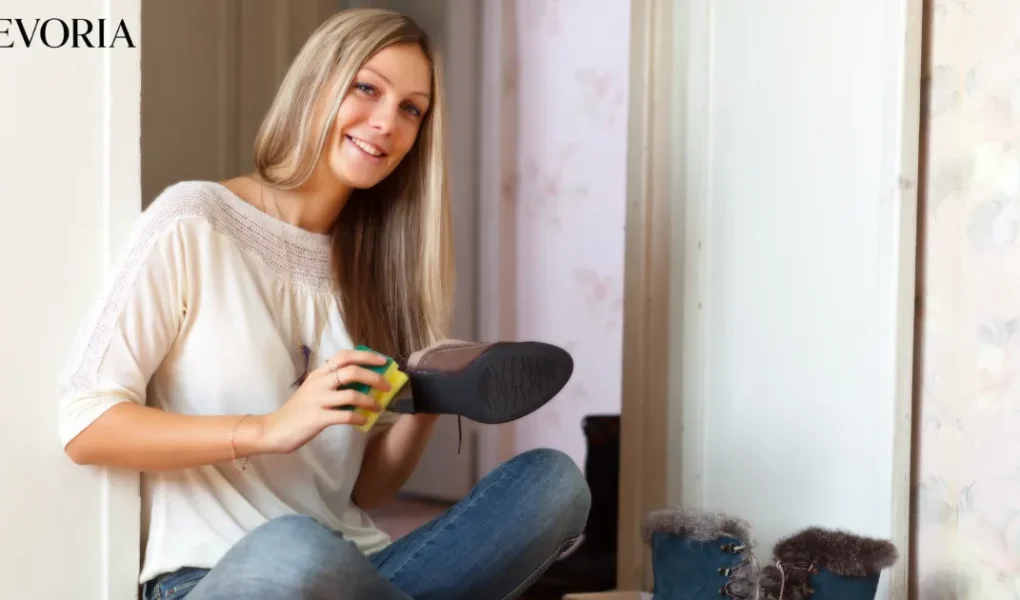
Why Shoes Cause Blisters
A blister forms when repeated friction between the skin and a shoe surface causes the outer layers of skin to separate, allowing fluid to collect in the resulting pocket as a protective response. This friction is generally caused by a combination of three factors working together: pressure from an ill-fitting or unbroken-in shoe, repetitive motion that creates rubbing rather than a stable point of contact, and moisture, which softens skin and increases friction rather than reducing it.
Understanding this combination is useful because effective blister prevention usually requires addressing more than one factor at once. Focusing only on cushioning while ignoring moisture, or only on sock choice while ignoring shoe fit, often explains why some prevention attempts do not fully solve the problem.
Common Causes of Blister-Prone Shoes
New or Unbroken-In Shoes
New shoes, particularly those made from stiffer materials like leather, have not yet molded to the shape of the foot, which creates more friction points than a broken-in shoe with more flexible material and an established shape.
Poor Fit
Shoes that are too tight create constant pressure and friction, while shoes that are too loose allow the foot to slide inside the shoe with each step, both of which increase the likelihood of blisters, though for different underlying reasons.
Moisture and Sweat
Damp skin is more prone to friction-related damage than dry skin, since moisture softens the outer skin layer, making it more vulnerable to the repetitive rubbing that causes blisters. This is particularly relevant during long walks, workouts, or hot weather activities.
Sock Material and Fit
Cotton socks absorb and retain moisture rather than wicking it away, which can increase blister risk during extended wear, while socks that are too thick, too thin, or poorly fitted can create additional friction points inside the shoe.
How to Break In New Shoes Without Blisters
- Wear new shoes for short periods first, such as around the house for thirty minutes to an hour, rather than committing to a full day immediately.
- Gradually increase wear time over several days or weeks, allowing the shoe material to soften and adjust to your foot shape incrementally.
- Wear moisture-wicking socks during the break-in period, since reduced moisture lowers friction while the shoe is still stiff and less accommodating.
- Apply a friction-reducing product, such as a blister balm or petroleum jelly, to known friction points, such as the back of the heel or sides of the toes, during the initial break-in period.
- Use a shoe stretcher or professional stretching service for shoes that are consistently tight in a specific spot, rather than continuing to force a poor fit through wear alone.
Blister Prevention Products and How They Work
| Product Type | How It Works | Best Used For |
|---|---|---|
| Blister balm or stick | Creates a slick barrier that reduces skin-to-shoe friction | Known friction points, everyday prevention |
| Moleskin or blister pads | Adds a cushioned barrier directly on the skin | Specific problem spots, hiking, long events |
| Moisture-wicking socks | Pulls sweat away from the skin to reduce friction from moisture | All-day wear, exercise, hot weather |
| Toe socks or liner socks | Reduces skin-on-skin friction between toes and adds a moisture-wicking layer under a thicker sock | Long hikes, running, high-mileage activities |
| Shoe stretchers | Physically adjusts tight areas of the shoe over time | Shoes that are tight in a specific, consistent spot |
Combining more than one of these approaches, such as moisture-wicking socks along with a blister balm on known friction points, generally provides more effective prevention than relying on a single method alone.
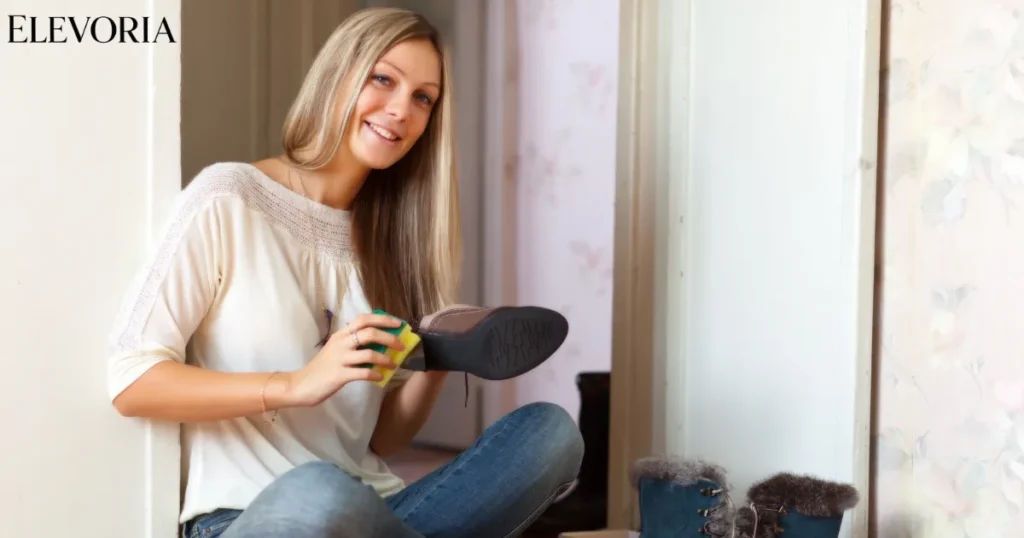
How to Identify and Address Recurring Blister Spots
If blisters consistently form in the same location, this usually points to a specific, identifiable cause rather than general shoe stiffness.
- Heel blisters often indicate the shoe is slightly too large, allowing the heel to slide with each step, or that the heel counter of the shoe is too stiff and not yet broken in.
- Blisters on the sides of toes often point to a shoe that is too narrow for the foot’s natural width.
- Blisters on the ball of the foot can indicate insufficient cushioning or a shoe that does not provide enough support for the specific activity, such as running in a shoe designed for casual wear.
- Blisters between toes are often related to moisture and friction from adjacent toes rubbing together rather than the shoe itself, and can sometimes be addressed with toe socks or a moisture-wicking barrier.
Addressing the specific pattern, rather than applying general prevention tips uniformly, tends to solve recurring blister problems more effectively.
What to Do If a Blister Is Already Forming
If you notice a hot spot developing, meaning a warm, reddened area of friction before an actual blister forms, applying a friction-reducing product or covering the area with a blister pad immediately can often prevent a full blister from developing. Continuing to wear the shoe without addressing an active hot spot typically allows the blister to progress further.
If a blister has already formed, covering it with a cushioned bandage or blister pad reduces further friction and allows it to heal with reduced irritation. Generally, intact blisters are best left unpopped when possible, since the fluid-filled layer helps protect the underlying skin from infection while it heals.
Common Mistakes to Avoid
Wearing new shoes for a full day before breaking them in gradually. This significantly increases blister risk compared to a gradual break-in period that allows the shoe material to soften incrementally.
Wearing cotton socks for long walks, hikes, or workouts. Cotton retains moisture rather than wicking it away, which increases friction and blister risk during extended or high-sweat activities.
Ignoring an early hot spot until it becomes a full blister. Addressing friction as soon as it is noticed, rather than continuing to wear the shoe unchanged, is generally far more effective than treating a blister after it has already formed.
Assuming all shoes just need time to break in. Persistent, recurring blisters in the same location often point to an actual fit issue rather than a normal break-in period, and continuing to force the fit through wear alone may not resolve the underlying problem.
Popping blisters unnecessarily. Popping an intact blister increases the risk of infection and generally is not necessary for healing, since the fluid-filled layer serves a protective function during the healing process.
Common Mistakes to Avoid in Product Selection
Relying on a single prevention method when multiple friction factors are present. For example, using only a thick sock without addressing moisture or an actual fit problem may not fully solve the issue, since blisters are usually caused by a combination of factors rather than one alone.
Choosing socks based on thickness alone rather than moisture-wicking properties. A thicker sock does not necessarily reduce friction if it retains moisture, so material matters as much as thickness for blister prevention.
Expert Insights
Podiatrists and sports medicine professionals frequently emphasize that shoe fit, not just shoe material or break-in time, is one of the most overlooked contributors to recurring blisters. A shoe that fits correctly in length but is too narrow, too wide, or shaped incorrectly for a specific foot can continue causing blisters indefinitely, regardless of how much break-in time or how many prevention products are used, which is why addressing fit directly is often more effective than continuing to treat symptoms.
It is also worth noting that moisture management tends to be underestimated as a blister prevention factor compared to cushioning or friction-reducing balms. Since damp skin is inherently more vulnerable to friction damage, addressing sweat and moisture through sock choice and breathable footwear often has a larger overall impact on blister prevention than many people expect.
Actionable Recommendations
- Break in new shoes gradually over several days rather than wearing them for a full day immediately.
- Choose moisture-wicking socks over cotton for long walks, workouts, or hot weather activities.
- Apply a blister balm or similar friction-reducing product to known problem areas before extended wear.
- Identify the specific location of recurring blisters and address the likely underlying cause, such as fit or moisture, rather than applying general prevention methods uniformly.
- Address hot spots immediately when noticed, rather than continuing to wear the shoe unchanged.
- Consider a shoe stretcher or professional fitting adjustment for shoes that are consistently tight in one specific spot.
Conclusion
Preventing shoe blisters comes down to addressing the combination of pressure, friction, and moisture that causes them, rather than relying on a single prevention method in isolation. Gradually breaking in new shoes, choosing moisture-wicking socks, using friction-reducing products on known problem areas, and correctly identifying the underlying cause of recurring blisters together form a far more effective prevention strategy than generic tips applied without understanding why blisters form in the first place. Addressing hot spots early and paying attention to actual shoe fit, rather than assuming all discomfort will resolve with more break-in time, makes it much easier to avoid blisters altogether.
Frequently Asked Questions
Why do my shoes give me blisters? Blisters form from a combination of friction, pressure, and moisture between the skin and the shoe. New or ill-fitting shoes, combined with sweat that softens the skin, are common underlying causes.
How do you break in shoes without getting blisters? Wearing new shoes for short periods initially, gradually increasing wear time, using moisture-wicking socks, and applying a friction-reducing balm to known problem areas all help reduce blister risk during the break-in period.
What is the best way to prevent blisters on a hike? Combining moisture-wicking or liner socks with a friction-reducing balm on known problem areas, along with properly fitted, already broken-in footwear, generally provides the most effective blister prevention for long hikes.
Do blister sticks and moleskin actually work? Yes, blister sticks reduce friction by creating a slick barrier on the skin, while moleskin adds a cushioned layer over specific problem areas, and both are commonly used and effective prevention methods when applied correctly.
How do you stop a blister from getting worse once it starts? Covering an early hot spot with a blister pad or friction-reducing product as soon as it is noticed, rather than continuing to wear the shoe unchanged, is the most effective way to prevent it from progressing into a full blister.
Should you pop a blister? Generally, intact blisters are best left unpopped, since the fluid-filled layer helps protect the underlying skin from infection while it heals. Covering it with a cushioned bandage reduces further friction during healing.
Why do cotton socks increase blister risk? Cotton absorbs and retains moisture rather than wicking it away, and damp skin is more vulnerable to friction damage, which is why cotton socks tend to increase blister risk during long or high-sweat activities.
Why do I keep getting blisters in the same spot? A recurring blister location often points to a specific underlying cause, such as a shoe that is too narrow, too loose in the heel, or lacking adequate cushioning in that area, rather than simply needing more break-in time.
Can shoe fit alone cause blisters even in broken-in shoes? Yes, if a shoe does not fit correctly in width, length, or shape for a specific foot, it can continue causing blisters even after an extended break-in period, since the underlying fit issue is not resolved by wear alone.
What socks are best for preventing blisters? Moisture-wicking socks made from synthetic or wool blends generally perform better than cotton for blister prevention, since they help keep skin dry, and liner socks can add an additional layer of friction reduction for high-mileage activities.
Read More:Chelsea Boots: A Complete Guide to Style, Fit, and How to Wear Them


[…] Read More: How to Stop Shoes from Blistering: A Complete Prevention Guide […]