
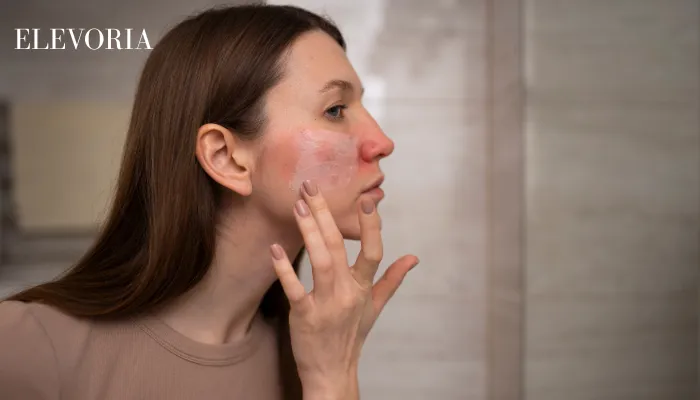
Dry Skin Patches: Causes, Treatment, and When to See a Doctor
You are getting dressed and notice a rough, flaky patch on your elbow. Or maybe you catch a glimpse of your reflection and see a scaly spot on your cheek that wasn’t there before. Patches of dry skin can appear suddenly, linger for weeks, and leave you wondering what caused them and how to make them go away.
Dry skin patches are common and can affect people of all ages. They can range from a small, temporary annoyance to a sign of an underlying skin condition that needs medical attention. Dry skin, also known as xerosis or xeroderma, has many causes, including cold or dry weather, sun damage, harsh soaps, and overbathing. The location where these dry patches form can vary considerably from one person to the next.
This guide covers the most common causes of dry skin patches, dermatologist-approved treatment options, and when you should see a doctor.
What Causes Dry Skin Patches?
Dry skin patches happen because of water loss from the outer layer of the skin. Several factors can contribute to this moisture loss.
Environmental Factors
Weather is a primary culprit. Skin tends to be driest in the winter when humidity is low and the outdoor temperature is cold. Cold winter weather can wreak havoc on our bodies. Due to the drop in temperature and lack of humidity, our skin can have a difficult time retaining moisture, leading to itchy, dry skin. Central heating, wood-burning stoves, and space heaters all reduce indoor humidity, which dries out skin.
Lifestyle Habits
Too much bathing or scrubbing can strip natural oils from your skin. Taking long, hot showers or baths, or scrubbing your skin too much, can dry it out. Bathing more than once a day can remove the natural oils your skin needs to hold water.
Harsh soaps and detergents are also common causes. Many soaps, detergents, and shampoos are designed to remove oil, which can strip moisture from your skin.
Aging and Other Factors
As people age, the skin thins and makes less of the oils needed to hold water. This is why dry skin becomes more common in older adults. Certain medications and medical treatments can also contribute to dryness.
Underlying Skin Conditions
Sometimes, dry skin patches are a symptom of an underlying condition.
Eczema (atopic dermatitis) is a common condition that causes dry, inflamed, and itchy skin patches. Atopic dermatitis tends to be red, weepy, crusty, itchy, flaky patches, like oval or circular-shaped areas on the skin.
Psoriasis is a chronic skin disease that causes a rash with itchy, scaly patches. The most common type, plaque psoriasis, causes dry, raised skin patches (plaques) covered with scales.
Contact dermatitis occurs when something comes into contact with your skin that causes an irritant or allergic reaction, leading to dry, itchy, and red patches. Common triggers for contact dermatitis include perfumes, chemicals in skin care or makeup products, latex, and certain jewelry.
Nummular dermatitis (discoid eczema) is a chronic skin condition that presents as distinct, coin-shaped (nummular) circular lesions.
Keratosis pilaris is a harmless condition that causes dry, rough patches and tiny bumps, often on the upper arms, thighs, cheeks, or buttocks.
Athlete’s foot is a fungal infection that can cause dry, flaky skin on the feet.
Common Locations for Dry Skin Patches
While dry skin patches can appear anywhere, they most often appear on the:
Symptoms of Dry Skin Patches
Dry skin patches can present with various symptoms, including:
- A feeling of skin tightness
- Skin that feels and looks rough
- Itchiness (pruritus)
- Slight to severe flaking, scaling, or peeling
- Fine lines or cracks
- Deep cracks that may bleed
- Skin that ranges from reddish on white skin to grayish on brown and Black skin
Flaking can create an “ashy” look that is particularly noticeable on brown and Black skin.
How to Treat Dry Skin Patches
Most cases of dry skin patches respond well to self-care and lifestyle changes. The American Academy of Dermatology (AAD) and Mayo Clinic offer these evidence-based recommendations.
1. Limit Bath and Shower Time
Limit baths and showers to 5 to 10 minutes and use warm, not hot, water. Hot water strips natural oils from the skin.
2. Use Gentle, Fragrance-Free Cleansers
Avoid harsh soaps, detergents, and perfumes, which can dry the skin. Choose gentle, fragrance-free cleansers that are free from dyes and perfumes. Some skin care products, such as antibacterial, deodorant, or scented soaps, are too harsh for dry, sensitive skin.
3. Pat Skin Dry and Leave It Damp
After bathing, gently blot your skin dry with a towel instead of rubbing. Leave some moisture on your skin so that it feels slightly damp.
4. Apply Moisturizer Immediately
Apply moisturizer right after bathing or showering, while your skin is still damp, to trap in moisture. This is one of the most effective ways to lock in hydration.
5. Choose the Right Moisturizer
Use an ointment or cream rather than a lotion, as they are more effective and less irritating. Look for products containing ingredients such as petroleum jelly, shea butter, glycerin, mineral oil, or lanolin. The AAD recommends using a cream or ointment that contains these ingredients. Petroleum jelly is an inexpensive product that can be very effective for moisturizing dry skin.
6. Moisturize Throughout the Day
Apply moisturizer to your skin several times a day and whenever your skin feels dry.
7. Use a Humidifier
Running a humidifier, especially in your bedroom at night, can add moisture to the air and help alleviate dry skin.
8. Protect Your Skin from the Elements
In cold weather, cover as much skin as possible. Wear soft fabrics that won’t cause irritation, such as cotton or silk.
9. Adjust Your Routine in Winter
Cut back on products containing alpha hydroxy acid (AHA) or beta hydroxy acid (BHA) in winter. These can be irritating even when combined with moisturizing creams.
Treating Underlying Conditions
If your dry skin patches are caused by an underlying condition, treatment may need to address that condition directly.
- For eczema: Treatment may include topical corticosteroids, emollients, and avoiding triggers.
- For psoriasis: Treatment may include topical creams, phototherapy, or systemic medications.
- For contact dermatitis: The best way to treat contact dermatitis is to avoid coming into contact with the irritant or allergen.
- For nummular eczema: Treatment may include prescription topical steroids and moisturizers.
- For keratosis pilaris: Treatment includes moisturizers and prescription creams to help improve how the skin looks.
When to See a Doctor
Most cases of dry skin patches respond well to self-care. However, you should make an appointment to see a healthcare professional or dermatologist if:
- You’ve tried self-care steps but your signs and symptoms persist
- Your skin becomes inflamed or painful
- Dry skin makes you so uncomfortable that you are losing sleep or are distracted from your daily routines
- You have open sores or infections from scratching
- You have large areas of scaly or peeling skin
- You develop dry, thick skin as a side effect of cancer treatment
If your spots last for weeks or spread, see a doctor. Early diagnosis is key to avoiding serious skin problems. Also, get medical help if the spots hurt, ooze, or look infected.
If at-home treatments don’t work, see a board-certified dermatologist. Often, a prescription is needed to help treat the inflammation or dryness that has gotten out of control. If you notice your skin is changing and you can’t improve its condition on your own, don’t wait, see a board-certified dermatologist.
Frequently Asked Questions
What causes dry skin patches?
Dry skin patches can be caused by cold or dry weather, harsh soaps, hot showers, aging, and underlying skin conditions such as eczema, psoriasis, keratosis pilaris, and seborrheic dermatitis.
Where do dry skin patches most commonly appear?
Dry skin patches most often appear on the elbows, lower arms, hands, wrists, feet, ankles, chest, knees, lower legs, face, and eyelids. However, they can appear anywhere.
How can I treat dry skin patches at home?
Dermatologists recommend limiting baths to 5-10 minutes, using warm water, patting skin dry, applying a thick moisturizer immediately after bathing while skin is still damp, and moisturizing several times a day. Using a humidifier can also help.
What is the best moisturizer for dry skin patches?
Creams and ointments are more effective than lotions. Look for products containing petroleum jelly, shea butter, glycerin, mineral oil, or lanolin. Fragrance-free products are recommended for sensitive skin.
Is dry skin patches a sign of eczema?
Yes. Eczema (atopic dermatitis) is a common condition that causes dry, inflamed, and itchy skin patches.
Is dry skin patches a sign of psoriasis?
Yes. Psoriasis is a chronic skin disease that causes a rash with itchy, scaly patches.
What is nummular eczema?
Nummular dermatitis, also known as discoid eczema, is a chronic skin condition that presents as distinct, coin-shaped circular lesions.
What is keratosis pilaris?
Keratosis pilaris is a harmless skin condition that causes dry, rough patches and tiny bumps, often on the upper arms, thighs, cheeks, or buttocks.
Can dry skin patches lead to complications?
Yes. Untreated dry skin may crack, allowing bacteria to enter the body and cause an infection. Very dry skin can also trigger atopic dermatitis (eczema) in people who are prone to it.
When should I see a doctor for dry skin patches?
See a doctor if your dry skin patches persist despite self-care, become inflamed or painful, interfere with sleep, develop open sores or infections, or form large areas of scaly or peeling skin.
Conclusion
Dry skin patches are a common and often manageable condition. By understanding the causes, from environmental factors to underlying skin conditions, and adopting a consistent, gentle skincare routine, you can restore moisture and prevent complications. Start with simple self-care steps: limit your showers, use gentle cleansers, apply a thick moisturizer while your skin is still damp, and moisturize throughout the day. If your symptoms persist or worsen, don’t hesitate to see a dermatologist for personalized care.
Patch Test Note: Before using any new skincare product, perform a patch test on a small area of skin to check for adverse reactions. Skin reactions and results vary significantly by individual and skin type.
Important: This article is for educational purposes and does not constitute medical advice. The information provided is general in nature and not a substitute for professional medical evaluation. If you have persistent, severe, or worsening skin concerns, see a licensed healthcare provider rather than relying on this information.
Read More: Dry Skin on Feet: Causes, Treatment, and Prevention Tips



[…] Read More: Dry Skin Patches: Causes, Treatment, and When to See a Doctor […]