What Do Ridges on Fingernails Mean?
Ridges on fingernails are common. Vertical ridges, which run from the cuticle to the tip, are usually a normal part of ageing and nothing to worry about. Horizontal ridges, which run side to side, can be a sign of an underlying health condition and are worth checking with a doctor.
Vertical Ridges: Usually Normal
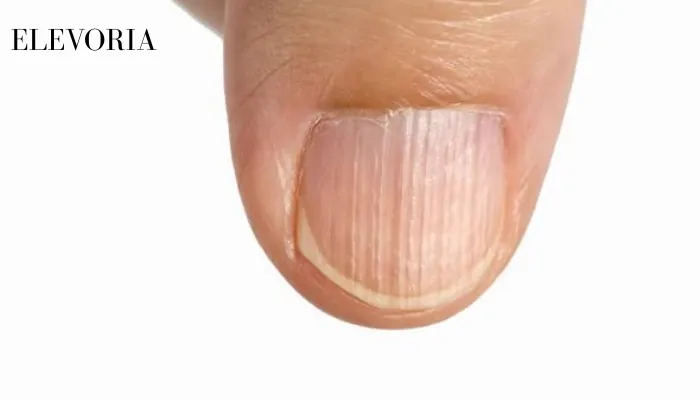
Vertical nail ridges, also called longitudinal ridges, run up and down the nail from the cuticle to the tip. They are one of the most common nail changes. Mayo Clinic states that vertical nail ridges are fairly common and nothing to worry about, and that they may become more numerous or prominent with age because of changes in cell turnover within the nail.
Age is the main reason for vertical ridges. Cleveland Clinic explains that many people develop vertical ridges on their nails as they get older, and that these lines are not dangerous. The ridges become more noticeable over time because the nail’s growth rate and cell turnover slow down.
Dry skin and eczema can also cause vertical lines on the nails. If your skin is very dry or you have a skin condition like eczema, you may notice more pronounced ridges. Thyroid disease, particularly hypothyroidism, is another possible cause. Cleveland Clinic notes that people with hypothyroidism may have thick, brittle nails with vertical ridges that crumble or break easily.
Iron deficiency can also cause vertical nail ridges, along with spoon nails. Spoon nails have a depression in the middle that can hold a drop of water.
Horizontal Ridges: Beau’s Lines
Horizontal ridges, also called Beau’s lines, run across the nail from side to side. They look like dents or grooves that go across the width of the nail. Unlike vertical ridges, horizontal ridges are not a normal part of ageing.
Beau’s lines happen when something interrupts the growth of the nail matrix, the area at the base of the nail where new nail cells are made. Cleveland Clinic explains that horizontal ridges or dents in your nails are usually due to a condition called Beau’s lines, which happen when something interrupts your nail growth.
Possible causes include chemotherapy, damage from using artificial nails or gel manicures for long periods, injury to the nail like slamming your finger in a door, peripheral vascular disease, and severe illness with a high fever such as COVID-19, measles or pneumonia. Zinc deficiency can also cause Beau’s lines and white spots on the nails.
The pattern matters. If a single horizontal groove appears on all nails at the same distance from the cuticle, it usually points to a systemic cause like a febrile illness or malnutrition. If the grooves are only on one or two nails, a local injury or infection is more likely.
When to See a Doctor
Vertical ridges are usually harmless, but horizontal ridges are a reason to check with your doctor. Mayo Clinic advises consulting a healthcare provider if your fingernails change colour or if you develop horizontal nail ridges, as these changes could indicate an underlying health condition.
Other nail changes that should prompt a doctor’s visit include a dark streak under the nail, changes in nail shape like curled nails, nails that get thinner or thicker, dents that look like small punctures, the nail pulling away from the skin, bleeding around the nails, swelling or pain around the nails, and nails that stop growing.
Leprosy, a rare infectious disease in the UK, can also cause nail changes including longitudinal ridges, but this is extremely uncommon and would come with other symptoms. The NHS does not list nail ridges as a typical symptom to look out for.
If you are unsure about a nail change, a pharmacist can be a good first point of contact. They can advise whether you need to see a GP or a dermatologist. A dermatologist specialises in skin, hair and nail conditions and can examine the nail and ask about your medical history.
Nail Care Basics
Good nail care can help keep your nails in the best condition possible. Mayo Clinic recommends keeping fingernails dry and clean, wearing cotton-lined rubber gloves for washing dishes and cleaning, using sharp manicure scissors or clippers to cut nails straight across and then round the tips, and rubbing hand lotion into your nails and cuticles.
Avoid biting your fingernails or picking at your cuticles, as these habits can damage the nail bed and let germs in. Do not pull off hangnails; clip them gently instead. Limit your use of nail polish remover, and choose one without acetone if you use it often.
If your nails are brittle, Mayo Clinic notes that some research suggests biotin might help strengthen weak or brittle nails, but it advises asking your healthcare professional about it first. There is no evidence that topical nail products can reverse horizontal ridges caused by illness or injury. The ridges grow out as the nail grows.
This is general educational content, not medical advice, and was not reviewed by a medical professional. Patch test any new product first. Results vary by person, skin type and sensitivity. If you are pregnant, breastfeeding or living with a diagnosed skin, allergy or eye condition, check with a doctor, pharmacist or dermatologist before starting a new active ingredient. See a licensed provider for a persistent, severe or worsening reaction. Avoid sharing nail tools, follow storage and period-after-opening guidance, and be careful with counterfeit nail products.