
Ageing Marks on Face: Types, Causes, and Treatment Options
Noticing new dark spots, fine lines, or changes in your skin’s texture can be unsettling. These are often referred to as ageing marks. While they are a natural part of getting older, understanding what they are, why they appear, and what you can do about them can help you make informed decisions about your skin health.
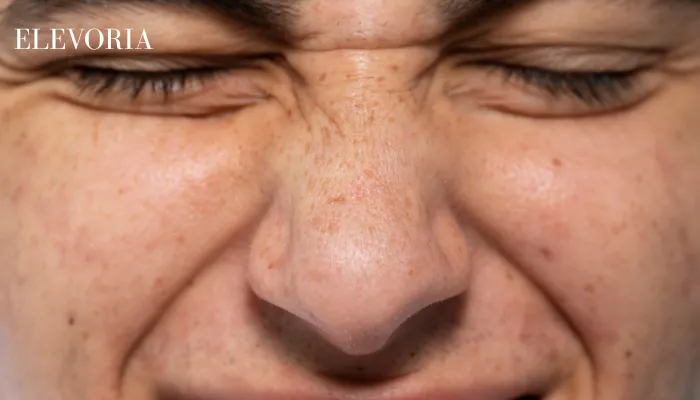
Ageing marks on the face can take many forms, from flat brown patches and deep wrinkles to rough, scaly spots. The most common types are age spots (also known as liver spots), wrinkles, and uneven skin tone or hyperpigmentation. While many of these marks are harmless, they are signs that your skin has been exposed to certain factors, primarily the sun.
This guide covers the different types of ageing marks, their causes, prevention strategies, and available treatment options.
Types of Ageing Marks on the Face
Age Spots (Solar Lentigines)
Age spots, also known as liver spots or solar lentigines, are flat, brown, gray, or black patches of skin. They commonly appear on areas of the face that get the most sun exposure, such as the cheeks and forehead. They are a type of hyperpigmentation caused by an overproduction of melanin in the skin.
While age spots are generally harmless, they are a sign that the skin has received a lot of sun exposure and is an attempt by your skin to protect itself from more sun damage.
Wrinkles and Fine Lines
Wrinkles are lines and creases that form on the skin as you age. They are caused by a combination of intrinsic factors (the natural ageing process) and extrinsic factors (environmental and lifestyle choices). Over 90% of visible ageing signs are thought to be caused by too much sun exposure.
Actinic Keratoses
These are rough, scaly patches on the skin that develop from years of sun exposure. They are considered precancerous growths and should be evaluated by a dermatologist.
Other Ageing Marks
As you age, your skin may also develop other changes, including freckles, discolored blotches, sallowness (a yellowing or dulling of the skin), roughness, very dry skin, and a leathery toughness.
What Causes Ageing Marks on the Face?
Sun Exposure (Photoaging)
The primary cause of most ageing marks is sun exposure. UVA radiation is present year-round and its long wavelengths can penetrate the skin even on cloudy days. Over time, UV exposure damages the skin’s collagen and elastin, leading to wrinkles and sagging. It also triggers melanocytes to produce excess melanin, causing dark spots and uneven pigmentation.
Natural Ageing
As we age, our skin naturally becomes thinner, less elastic, and drier. The skin’s ability to repair itself slows down, making it more vulnerable to damage. The risk of age spots and wrinkles increases over the age of 40.
Lifestyle Factors
Certain lifestyle choices can accelerate the appearance of ageing marks:
- Smoking: This damages collagen and elastin, leading to premature wrinkles and dull skin.
- Stress and lack of sleep: These can contribute to the formation of wrinkles.
- Poor diet and dehydration: Lack of proper nutrition and inadequate hydration can make the skin appear more wrinkled and aged.
- Genetics: Your family history can increase your susceptibility to age spots.
When to See a Dermatologist
While many ageing marks are harmless, it is crucial to have any new or changing spots evaluated by a dermatologist. You should consult a dermatologist immediately if the patches of darker skin start to change color and size.
It is important to distinguish age spots from other skin disorders, such as skin cancer. A skin biopsy can help distinguish an age spot from other conditions, such as lentigo maligna, a type of skin cancer. If you notice any new spots on your skin, spots that are different from others, or spots that are changing, itching, or bleeding, make an appointment to see a board-certified dermatologist.
How to Prevent Ageing Marks
Prevention is the most effective strategy for managing ageing marks. Dermatologists agree that sunscreen and moisturizer are the two most effective anti-aging products you can buy.
Sun Protection
Protecting your skin from the sun is the single most important step you can take. UV radiation is the leading cause of premature aging and wrinkles.
- Use Sunscreen Daily: Apply a broad-spectrum sunscreen with an SPF of 30 or higher every day, even in winter, to avoid further UV damage.
- Seek Shade: Avoid direct sunlight, especially during peak UV hours (10 a.m. to 4 p.m.).
- Wear Protective Clothing: Hats and sunglasses can provide additional protection.
Healthy Lifestyle
- Quit Smoking: This is one of the best things you can do for your skin’s health.
- Manage Stress and Get Enough Sleep: These are vital for good skin health.
- Eat a Healthy Diet and Stay Hydrated: Proper nutrition and adequate water intake help maintain skin elasticity and appearance.
Treatment Options for Ageing Marks
If you want to reduce the appearance of ageing marks, treatments are available to lighten or remove them. Because the pigment is located at the base of the epidermis, treatments must penetrate this layer of skin.
Topical Treatments
- Prescription Creams: Applying prescription bleaching creams (hydroquinone) alone or with retinoids (tretinoin) and a mild steroid might gradually fade the spots over several months.
- Retinoids: These vitamin A derivatives can help improve existing wrinkles and fine lines.
- Vitamin C Serums: These can help brighten the skin and reduce the appearance of dark spots.
In-Office Procedures
- Laser and Intense Pulsed Light (IPL) Therapy: These therapies destroy melanin-producing cells without damaging the skin’s surface. Laser resurfacing can also effectively reduce sunspots.
- Cryotherapy (Freezing): This procedure uses liquid nitrogen to destroy the extra pigment.
- Chemical Peels: This involves applying a chemical solution to the skin to remove the top layers, allowing new, smoother skin to form.
- Dermabrasion and Microdermabrasion: These procedures sand down the surface layer of skin to reduce the appearance of blemishes.
After treatment, when outdoors you will need to use a broad-spectrum sunscreen with an SPF of at least 30 and wear protective clothing.
Frequently Asked Questions
What are the most common ageing marks on the face?
The most common ageing marks are age spots (flat brown patches), wrinkles, fine lines, and actinic keratoses (rough, scaly patches). These are often the result of sun exposure and the natural ageing process.
What causes dark spots on the face as you age?
Dark spots, or age spots, are caused by an overproduction of melanin in the skin, typically triggered by years of cumulative sun exposure. They are a sign of photoaging and can also be influenced by genetics and hormonal changes.
How can I prevent ageing marks on my face?
The most effective prevention is daily use of a broad-spectrum sunscreen with SPF 30 or higher, avoiding peak sun hours, and wearing protective clothing. A healthy lifestyle, including not smoking and managing stress, also helps.
When should I see a dermatologist about an ageing mark?
You should see a dermatologist if a spot changes in color, size, or shape, or if it starts to itch or bleed. It is important to rule out skin cancer.
What treatments are available for age spots?
Treatments include prescription bleaching creams, laser therapy, intense pulsed light (IPL), cryotherapy (freezing), chemical peels, and dermabrasion. A dermatologist can recommend the best option for your skin type and the severity of the spots.
Can wrinkles be reversed?
While wrinkles cannot be completely reversed, their appearance can be significantly reduced with treatments like topical retinoids, laser resurfacing, and chemical peels. Prevention through sun protection is the most effective strategy.
Are age spots a sign of skin cancer?
Age spots themselves are generally harmless. However, they are a sign of sun damage, which increases your risk of skin cancer. It is important to have any new or changing spots evaluated by a dermatologist.
Conclusion
Ageing marks on the face are a common part of the natural ageing process, primarily driven by sun exposure. While many are harmless, they serve as a reminder of the importance of sun protection. By adopting a daily skincare routine that includes sunscreen, moisturizer, and targeted treatments, you can prevent further damage and reduce the appearance of existing marks. Always consult a dermatologist for any new or changing spots to ensure your skin’s health and safety.
Important: This article is for educational purposes and does not constitute medical advice. The information provided is general in nature and not a substitute for professional medical evaluation. If you have persistent, severe, or worsening skin concerns, see a licensed healthcare provider.
Read More: Face Mask Gift Set: How to Choose the Best One in 2026

[…] Read More: Ageing Marks on Face: Types, Causes, and Treatment Options […]