

Black Spot Remover: Effective Treatments for Dark Spots on the Skin
You look in the mirror and notice a dark spot on your cheek that was not there a few months ago. Or maybe you have a cluster of dark marks left behind from old acne breakouts. These darkened patches, often called black spots or dark spots, are a common skin concern that can affect anyone, regardless of age or skin tone.
Dark spots, also known as hyperpigmentation, occur when your skin produces too much melanin, the substance that gives skin its color. According to Cleveland Clinic, hyperpigmentation makes some areas of the skin darker than others, creating spots or patches that look brown, black, gray, red, or pink. The spots are not painful or itchy, but they can make people feel self-conscious.
The good news is that effective treatments are available. This guide covers everything you need to know about black spot removers: what causes dark spots, proven ingredients that can help fade them, professional treatments, and when to see a doctor.
What Causes Dark Spots?
Understanding what causes dark spots is the first step toward finding the right treatment. As the American Academy of Dermatology (AAD) explains, dark spots appear when something triggers the skin to make extra melanin.
Several common factors can cause or contribute to dark spots:
- Sun exposure. Sun damage is one of the most common causes of dark spots. UV rays stimulate melanocytes to produce more melanin to protect the skin from further damage.
- Post-inflammatory hyperpigmentation. Dark spots often appear after a pimple, burn, cut, insect bite, or other injury to the skin heals.
- Hormonal changes. Pregnancy, menopause, and thyroid disorders can trigger changes in melanin production.
- Medications. Some medications, including oral contraceptives and drugs that cause sensitivity to light, can lead to dark spots.
- Skin care products. Products that irritate the skin can cause dark spots in people with medium to dark skin tones.
- Melasma. This condition causes dark, discolored patches on the skin, often triggered by hormonal changes and sun exposure.
- Genetics. Some people are naturally more prone to dark spots due to their genetic makeup.
Ingredients That Can Help Fade Dark Spots
Many over-the-counter and prescription products contain ingredients that can help lighten dark spots. The AAD recommends looking for products with the following ingredients.
Hydroquinone
Hydroquinone is often considered the gold standard for treating hyperpigmentation. It works by inhibiting tyrosinase, the enzyme involved in melanin production. According to Mayo Clinic, applying prescription bleaching creams containing hydroquinone alone or with retinoids and a mild steroid might gradually fade spots over several months.
Hydroquinone is available by prescription in the United States. The FDA advises consumers not to use over-the-counter skin lightening products containing hydroquinone because they have not been approved for safety or effectiveness. FDA laboratory testing has found hydroquinone in some imported skin lightening products, and the agency has received reports of serious skin problems including rashes, facial swelling, and ochronosis, a permanent discoloration of the skin.
Retinoids
Retinoids, including retinol, tretinoin, adapalene gel, and tazarotene, are vitamin A derivatives that help fade dark spots by speeding up cell turnover and promoting the dispersion of melanin granules. The AAD recognizes topical retinoids as a first-line treatment for hyperpigmentation. Tretinoin is available by prescription and is used to treat fine wrinkles, dark spots, or rough skin caused by sun damage.
Vitamin C
Vitamin C is an antioxidant that targets dark spots by neutralizing free radicals and inhibiting tyrosinase. It also supports collagen production and helps improve skin tone. Research published in a peer-reviewed journal found that combining vitamin C with tranexamic acid and niacinamide provided significant improvements in hyperpigmented areas after 8 weeks of use.
Azelaic Acid
Azelaic acid is a naturally occurring acid that helps reduce pigmentation and has anti-inflammatory properties. It is often recommended for people with acne-prone skin because it also helps clear breakouts. The AAD lists azelaic acid as an ingredient that can fade dark spots.
Kojic Acid
Kojic acid is derived from certain fungi and works by binding to copper, which is needed for melanin production. It is commonly found in over-the-counter brightening products and is often used in combination with other lightening ingredients.
Glycolic Acid
Glycolic acid is an alpha-hydroxy acid (AHA) that exfoliates the skin, removing dead skin cells that can trap pigment. It helps reveal brighter, more even-toned skin.
Niacinamide
Niacinamide, also known as vitamin B3, helps reduce the transfer of melanosomes to skin cells, which can help fade dark spots. It also supports the skin barrier and is generally well-tolerated, making it a good option for sensitive skin.
Tranexamic Acid
Tranexamic acid is an ingredient that has been shown to help reduce pigmentation. Research has demonstrated that topical tranexamic acid, when combined with niacinamide and vitamin C, offers an effective and well-tolerated option for managing facial hyperpigmentation.
Professional Treatments for Dark Spots
If over-the-counter products are not providing the results you want, a dermatologist can recommend professional treatments that may be more effective.
Laser and Intense Pulsed Light (IPL) Therapy
Mayo Clinic notes that some laser and intense pulsed light therapies destroy melanin-producing cells without damaging the skin’s surface. These approaches typically require two to three sessions. Laser treatments target pigment directly and help break it down.
Chemical Peels
Chemical peels involve applying a chemical solution to the skin to remove the top layers, allowing new, smoother skin to form. Mayo Clinic lists chemical peels as a treatment option for age spots. Possible side effects include scarring, infection, and lightening or darkening of skin color.
Cryotherapy
Cryotherapy uses liquid nitrogen applied with a cotton-tipped swab for five seconds or less to destroy the extra pigment. As the area heals, the skin appears lighter. Mayo Clinic notes this treatment may temporarily irritate the skin and poses a slight risk of permanent scarring or discoloration.
Dermabrasion and Microdermabrasion
Dermabrasion sands down the surface layer of skin with a rapidly rotating brush, allowing new skin to grow in its place. Microdermabrasion is a less aggressive approach that leaves mild skin blemishes with a smoother appearance. Both procedures may require multiple sessions.
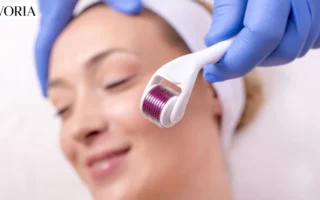
Microneedling
Microneedling is a procedure that uses fine needles to create controlled micro-injuries in the skin, stimulating collagen production and helping to break up pigment. It can be used alone or in combination with topical treatments.
How to Choose a Black Spot Remover
With so many products on the market, choosing the right black spot remover can feel overwhelming. Here are some key factors to consider.
Look for Proven Ingredients
Focus on products that contain ingredients with evidence supporting their use for hyperpigmentation. The AAD specifically recommends looking for azelaic acid, glycolic acid, kojic acid, retinoids, or vitamin C.
Check the Product Source
The AAD warns that researchers have found steroids or mercury in skin care products imported from other countries. These ingredients can cause serious harm. To protect your health, buy products made in the United States or recommended by your dermatologist. Never use liquid bleach on your skin.
Consider Your Skin Type
If you have sensitive skin, look for gentle ingredients like niacinamide or azelaic acid. If you have oily or acne-prone skin, products with salicylic acid or glycolic acid may be beneficial. If you have dry skin, look for products that also contain hydrating ingredients.
Be Patient
Hyperpigmentation treatments take time. Mayo Clinic notes that prescription treatments might gradually fade spots over several months. The AAD states that a spot a few shades darker than your natural skin color will usually fade within 6 to 12 months. If the color lies deep in your skin, fading can take years.
How to Use Black Spot Removers Safely
Patch Test First
Before using any new product, perform a patch test on a small area of skin to check for adverse reactions. This is especially important if you have sensitive skin.
Follow Instructions Carefully
Use products exactly as directed. Applying too much or using products more often than recommended can cause irritation.
Protect Your Skin from the Sun
Sunscreen is essential when treating dark spots. The AAD emphasizes that effective treatment for dark spots begins with sunscreen. Use a tinted sunscreen with iron oxide, which helps protect skin from visible light, a known trigger for dark spots. Apply sunscreen every two hours and after swimming or sweating.
Do Not Stop Treatment Abruptly
If you stop using a product, the dark spots may return. Consistency is key to maintaining results.
Be Cautious with Imported Products
The FDA advises consumers not to use over-the-counter skin lightening products due to high levels of mercury and/or hydroquinone. These products can cause serious health problems including kidney damage, neurological damage, and permanent skin discoloration.
When to See a Doctor
While many dark spots are harmless, it is important to have any new or changing spots evaluated by a dermatologist.
You should see a doctor if:
- A spot changes in color, size, or shape
- A spot starts to itch or bleed
- You have a sore that does not heal
- You notice a new growth on your skin
- You are unsure whether a spot is benign or something more serious
Mayo Clinic notes that it is important to distinguish age spots from other skin disorders because the treatments differ. A skin biopsy can help distinguish an age spot from other conditions, such as lentigo maligna, a type of skin cancer.
If over-the-counter treatments fail to deliver the results you want, a dermatologist can recommend prescription-strength treatments and safely combine therapies to help you get the best results.
Frequently Asked Questions
What is the best ingredient for removing dark spots?
Hydroquinone is often considered the gold standard for hyperpigmentation, but it is available by prescription in the U.S. Other effective ingredients include retinoids, vitamin C, azelaic acid, kojic acid, glycolic acid, and niacinamide. The best option depends on your skin type and the cause of your dark spots.
How long does it take for dark spots to fade?
The AAD states that a spot a few shades darker than your natural skin color will usually fade within 6 to 12 months. If the color lies deep in your skin, fading can take years. Treatment can speed up the process.
Is hydroquinone safe?
Hydroquinone is available by prescription and is considered effective. However, the FDA advises consumers not to use over-the-counter skin lightening products containing hydroquinone because they have not been approved for safety or effectiveness. FDA has received reports of serious skin problems from hydroquinone use, including rashes, facial swelling, and ochronosis.
Can I remove dark spots at home?
Yes. Many over-the-counter products containing ingredients like vitamin C, niacinamide, azelaic acid, and glycolic acid can help fade dark spots. However, results take time and consistency. For stubborn spots, professional treatments may be needed.
Are laser treatments effective for dark spots?
Yes. Mayo Clinic notes that laser and intense pulsed light therapies can destroy melanin-producing cells without damaging the skin’s surface. These approaches typically require two to three sessions.
Can dark spots be prevented?
You can help prevent dark spots by protecting your skin from the sun. Cleveland Clinic recommends applying sunscreen every day with an SPF of 30 or higher, avoiding too much sun exposure, using physical blockers such as titanium dioxide or zinc oxide, and wearing protective clothing and hats.
What should I avoid when treating dark spots?
Avoid products that contain steroids or mercury, which are sometimes found in imported skin lightening products. Never use liquid bleach on your skin. Also, do not pick at pimples or other skin imperfections, as this can worsen hyperpigmentation.
When should I see a dermatologist for dark spots?
See a dermatologist if a spot changes in color, size, or shape, or if it itches or bleeds. Also see a dermatologist if over-the-counter treatments are not providing the results you want. A dermatologist can recommend prescription treatments and professional procedures.
Conclusion
Dark spots and hyperpigmentation are common skin concerns, but effective treatments are available. From over-the-counter ingredients like vitamin C and niacinamide to prescription treatments like hydroquinone and professional procedures like laser therapy, there are options for every skin type and concern.
Remember these key principles:
- Start with sunscreen. Effective treatment for dark spots begins with sun protection
- Look for proven ingredients like retinoids, vitamin C, azelaic acid, and kojic acid
- Be patient. Dark spots take time to fade
- Avoid imported skin lightening products that may contain harmful ingredients
- Patch test new products before applying them to your entire face
- See a dermatologist if spots change or do not improve
Patch Test Note: Before using any new black spot remover, perform a patch test on a small area of skin to check for adverse reactions. Skin reactions and results vary significantly by individual and skin type.
Important: This article is for educational purposes and does not constitute medical advice. The information provided is general in nature and not a substitute for professional medical evaluation. If you have persistent, severe, or worsening skin concerns, or if you are pregnant, nursing, or have a diagnosed skin condition, check with your doctor or dermatologist before starting any new treatment.
[…] Read More: Black Spot Remover: Effective Treatments for Dark Spots […]