
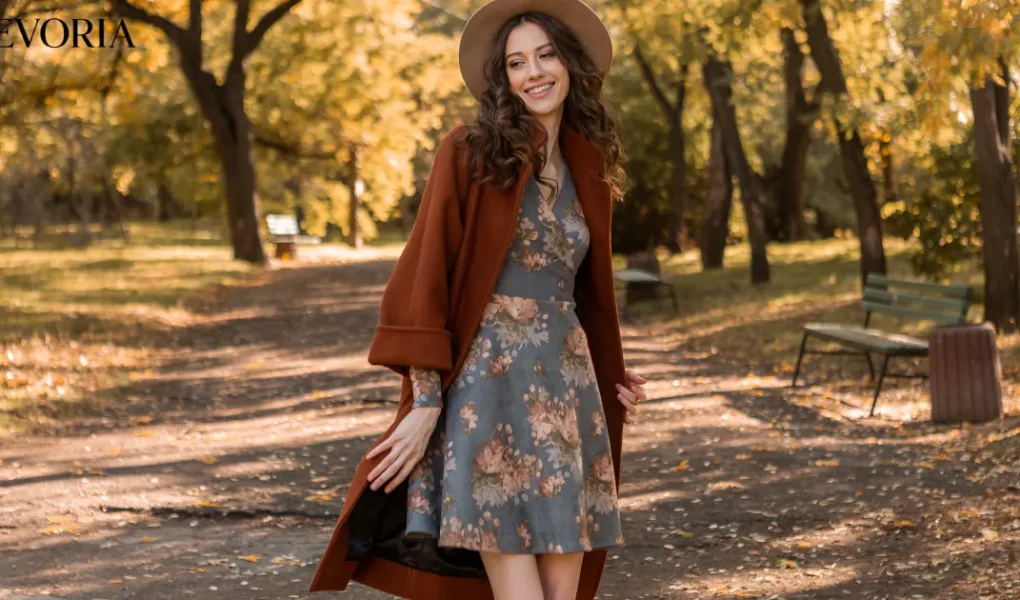
Fall Dresses: A Complete Guide to Fabric, Style, and Layering for Autumn
Autumn weather is rarely consistent. A cool morning can turn into a warm afternoon, and a single week can swing between light jacket weather and full coat weather. That makes choosing the right fall dress trickier than it seems, since the wrong fabric or styling choice can leave you either too cold or overdressed for the actual temperature.
This guide covers what actually makes a dress work for fall, from fabric weight and color to layering strategy and occasion-specific styling, so you can build a dress wardrobe that adapts to the season instead of fighting against it.
What Makes a Dress a “Fall Dress”
A fall dress generally refers to a dress made from a fabric weight and style suited to cooler, transitional temperatures, typically featuring longer sleeves, heavier fabric, or a length and cut that pairs easily with layering pieces like jackets, boots, and tights. It is less about a specific silhouette and more about how well the dress adapts to the season’s fluctuating temperatures.
Unlike summer dresses, which prioritize breathability and lightness, fall dresses generally balance warmth, texture, and layering potential while still working as a standalone piece on milder days.
Best Fabrics for Fall Dresses
Fabric choice has the biggest impact on whether a dress actually works for fall weather, more than color or print.
| Fabric | Warmth Level | Best Use | Notes |
|---|---|---|---|
| Cotton jersey | Light to moderate | Early fall, layering base | Comfortable, breathable, easy to layer |
| Wool or wool blend | High | Mid to late fall | Warm and structured, works well for cooler days |
| Corduroy | Moderate to high | Casual fall styling | Textured, durable, adds visual interest |
| Velvet | Moderate to high | Fall evenings, holiday events | Rich texture, more suited to dressier occasions |
| Knit fabrics (sweater dress material) | High | Cold fall days | Warm, casual, pairs well with boots |
| Lightweight cotton or linen blends | Light | Early fall or warmer climates | Best for transitional early autumn days |
Layering fabric weight strategically, rather than relying on one heavy fabric for the entire season, generally gives more flexibility as fall temperatures shift from early September warmth to late November cold in many regions.
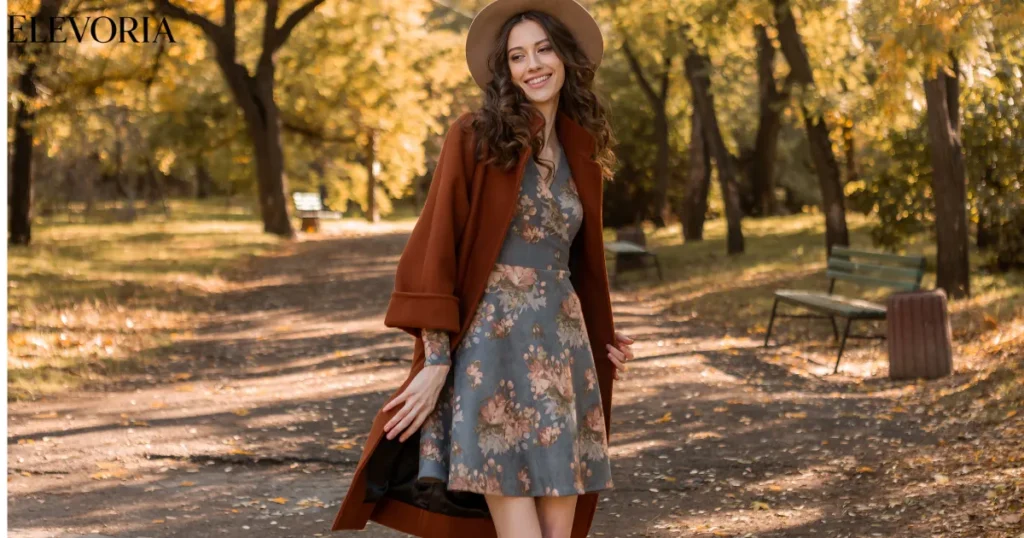
Fall Dress Colors and Prints
While fall is often associated with deep, warm tones, this is a style preference rather than a strict rule.
- Traditional fall tones: Deep reds, burnt orange, mustard yellow, olive green, and warm browns are commonly associated with the season and work well with typical autumn lighting and layering pieces
- Neutral options: Black, cream, camel, and gray remain versatile year-round and pair easily with fall outerwear and accessories
- Prints: Plaid, houndstooth, and small floral prints in deeper color palettes are common seasonal choices, though bold prints and brighter colors can still work well, particularly for early fall
There is no rule requiring dark colors for fall. Fabric weight and layering ability matter more for seasonal appropriateness than color choice alone.
How to Layer a Fall Dress
Layering is what allows a single dress to work across a wide temperature range, which is especially useful during a season known for unpredictable weather.
- Base layer: A lightweight long sleeve top or turtleneck worn under a sleeveless or short sleeve dress adds warmth without changing the dress’s overall silhouette significantly.
- Tights or leggings: Opaque tights in black, brown, or a coordinating color extend the wearability of a dress into cooler temperatures, particularly for shorter hemlines.
- Outerwear: A denim jacket works well for milder fall days, while a wool coat, trench coat, or heavier jacket suits colder days later in the season.
- Footwear: Ankle boots or knee-high boots are common fall pairings, adding both warmth and a seasonal silhouette compared to summer sandals.
- Accessories: Scarves, tights, and a structured bag can shift a warm-weather dress into a cooler-weather appropriate outfit without needing to buy an entirely new piece.
Styling Fall Dresses by Occasion
Work or Office
A knee-length dress in a wool blend or structured knit, paired with tights and ankle boots or low heels, works well for most office settings. Adding a blazer or structured cardigan increases the polished, professional feel.
Casual Everyday
A sweater dress or corduroy shirt dress paired with boots and a denim or utility jacket creates an easy, comfortable look suited to daily activities during cooler months.
Fall Wedding Guest
A midi length dress in a richer fabric like velvet, satin, or a structured knit, paired with heels and minimal jewelry, generally fits the more elevated dress code expected at fall weddings. Checking the specific dress code on the invitation remains important, since formality expectations vary by event.
Holiday and Evening Events
Velvet or satin dresses in deeper tones work particularly well for evening fall and early winter events, often paired with a statement accessory or heel to elevate the overall look.
Transitioning a Dress from Early to Late Fall
One detail often missed in styling guides is that “fall” spans a wide temperature range depending on the month and region, and a single dress rarely works the same way in September as it does in late November.
- Early fall (warmer temperatures): Lighter fabrics, short sleeves, and minimal layering, often with just a light cardigan or open jacket
- Mid fall (cooling temperatures): Long sleeves or added layering pieces like tights and a light jacket become more practical
- Late fall (cold temperatures): Heavier fabrics like wool or knit, combined with a substantial coat, tights, and boots, are generally necessary for comfort
Rather than buying entirely different dresses for each stage, choosing versatile pieces that layer well allows a smaller wardrobe to function across the entire season.
Common Mistakes People Make
Choosing a dress based on color alone. A “fall colored” dress in a lightweight summer fabric will not actually perform well in cooler temperatures, regardless of its color palette.
Underestimating temperature swings within a single day. Many fall days start cold and warm up significantly, so choosing easily removable layers, rather than one fixed heavy outfit, offers more comfort throughout the day.
Ignoring hemline and tights compatibility. Some dress lengths work better with tights than others, and choosing a length without considering this can limit how easily the dress transitions into cooler weather.
Assuming heavier always means warmer. Some knit or wool blend fabrics provide more effective warmth at a lighter weight than bulkier, less insulating fabrics.
Overlooking footwear as part of the seasonal equation. Sandals or lightweight shoes can undercut an otherwise well-chosen fall dress outfit, while boots or closed-toe shoes complete the seasonal look and add practical warmth.
Expert Insight: Fabric Weight Matters More Than Season Labels
Retailers often label dresses as “fall” or “winter” based on color and marketing timing rather than actual fabric performance. A dress labeled for fall in a very lightweight fabric may not provide meaningful warmth, while a dress marketed for another season in a heavier knit or wool blend can work just as well, or better, for cooler weather. Checking the fabric content and weight description, when available, gives a more reliable sense of how a dress will actually perform than the seasonal category alone.
Actionable Recommendations
- Build a small rotation of dresses in different fabric weights, rather than relying on a single fabric type for the entire fall season
- Choose at least one dress style that pairs easily with tights and boots, since this combination extends wearability significantly as temperatures drop
- Keep versatile layering pieces on hand, such as a denim jacket for early fall and a wool coat for late fall, to extend the use of the same dresses across the season
- Check fabric content labels rather than relying solely on marketing labels like “fall collection” when assessing actual warmth
- Save one or two elevated fabric options, such as velvet or a structured knit, for fall events like weddings or holiday gatherings
Conclusion
A great fall dress is less about a specific color or silhouette and more about fabric weight, layering potential, and how well it adapts across the season’s shifting temperatures. Building a small wardrobe of versatile pieces, paired with the right layering strategy for early, mid, and late fall, allows a handful of well-chosen dresses to work through the entire season without constant new purchases.
Frequently Asked Questions
What fabric is best for fall dresses? Wool blends, knit fabrics, and corduroy generally provide the best balance of warmth and durability for fall, while lighter cotton blends work well for early fall or warmer climates.
Can you wear a summer dress in fall? Yes, with the right layering. Adding tights, a long sleeve base layer, and a jacket can extend a summer dress’s usability into cooler fall weather.
What colors are popular for fall dresses? Deep reds, burnt orange, olive green, and warm browns are traditional fall colors, though neutrals like black, camel, and cream remain versatile year-round options.
How do you style a dress for changing fall temperatures? Layering with removable pieces, such as a light jacket, tights, and a scarf, allows a single dress to adapt comfortably across a day with fluctuating temperatures.
What length dress works best for fall? Midi and knee-length dresses tend to pair most easily with tights and boots, though shorter and longer lengths can also work well depending on layering choices.
Are sweater dresses good for fall? Yes, sweater dresses made from knit fabric provide warmth and a casual, comfortable silhouette that works well for cooler fall days, especially when paired with boots.
What shoes go best with fall dresses? Ankle boots and knee-high boots are common fall pairings, adding both seasonal style and practical warmth compared to open-toe summer shoes.
How do you dress up a fall dress for a wedding or evening event? Choosing a dress in a richer fabric like velvet or satin, paired with heels and a statement accessory, generally elevates the look for more formal fall occasions.
Read More: Black Tie Attire: Complete Dress Code Guide

[…] Read More: Fall Dresses: Fabric, Style & Layering Guide […]