

What Does Retinol Do? Benefits, How It Works, and How to Use It
Introduction
Retinol has earned a reputation as one of the most effective skincare ingredients available without a prescription. It is often called the gold standard for anti-aging, and for good reason. But what does retinol actually do, and why do dermatologists recommend it so consistently?
Retinol is a form of vitamin A with many uses in skin care. It is used to treat acne and has anti-aging effects. You can buy retinol over the counter without a prescription, or visit your healthcare provider to discuss how retinol might best fit into your skincare routine.
This guide covers what retinol does for your skin, how it works at a cellular level, the conditions it can help with, how to use it correctly, and what side effects to expect.
What Is Retinol?
Retinol is a form of vitamin A, an ingredient added to skin creams, lotions, and serums. It has anti-aging effects and can help clear acne. Products containing retinol are widely available over the counter, and stronger concentrations of retinoids are available by prescription.
Retinol belongs to a broader family of ingredients called retinoids. According to Mayo Clinic, retinol is a milder type of retinoid. Retinoids are made from vitamin A and are used in skin care to help smooth wrinkles and reduce discoloration.
The distinction matters. Retinoids include prescription-strength products like tretinoin, tazarotene, and adapalene. Retinol is the over-the-counter version, which is gentler and more accessible. As Stanford dermatologist Dr. Zakia Rahman explains, retinols and retinoids are born of the same vitamin, but retinoids are more potent and classified as pharmaceutical products that require a prescription. Retinols can still be effective, but the results will not be as dramatic and will take longer to appear.
How Does Retinol Work?
Retinol works by changing how your skin cells grow and renew themselves. According to the American Academy of Dermatology, retinol spurs faster turnover of surface skin cells and boosts collagen, which improves skin tone and reduces fine lines and wrinkles.
Cleveland Clinic explains that retinol increases skin cell production, helps unclog pores, exfoliates your skin, and increases collagen production. This combination reduces the appearance of fine lines and wrinkles and gives your skin a fresher, plumper appearance.
At a deeper level, research shows that retinol protects against collagen and elastin fiber changes and supports the stimulation of type I collagen and elastin in human skin fibroblasts. The Stanford dermatologist notes that retinoids thicken the epidermis through increased cell proliferation, increase the production of natural chemicals like hyaluronic acid that keep skin plump and moist, stimulate collagen production, inhibit the breakdown of collagen that already exists, and block several inflammatory pathways that exacerbate pimples and acne.
The Conversion Process
Retinol requires conversion in the skin to become active. Retinol must undergo two conversion steps to become retinoic acid, the form that skin cells can use. This is why retinol is gentler than prescription retinoids, which are closer to the active form. Retinaldehyde requires only one conversion step, making it more potent gram for gram than retinol and capable of delivering faster visible results.
What Conditions Can Retinol Help With?
Fine Lines and Wrinkles
Retinol can reduce the appearance of fine lines and wrinkles by increasing collagen production and promoting cell turnover. As Cleveland Clinic explains, retinol increases the thickness and elasticity of your skin, which can make wrinkles less visible. Studies show that topical retinoids can help treat fine wrinkles, and Cleveland Clinic notes that retinol activates collagen and elastin, which give your skin structure and support to prevent wrinkles.
Acne
Retinol is effective for acne because it helps prevent clogged pores. When pores become blocked with dead skin cells or oils, blackheads, whiteheads, or other types of pimples can develop. Retinol works by increasing cell turnover and exfoliating the skin, which clears clogged pores. It may also help unearth blackheads and whiteheads.
Dark Spots and Hyperpigmentation
Retinol can help fade dark spots and uneven skin tone. Cleveland Clinic notes that some people find that topical retinol lightens their skin spots, though it takes months and can be irritating. It also slows the production of melanin, which contributes to dark spots. The AAD notes that retinol is routinely used to improve uneven skin tone, pigmentation, and texture.
Large Pores
Topical retinol treats large pores by increasing skin cell turnover, which makes your skin thicker and prevents the development of clogged pores. When pores are not clogged, they appear smaller and less noticeable.
Acne Scars
Topical retinol treatments can help reduce the swelling and inflammation that come with breakouts and help prevent further breakouts. However, retinol does not always work on severe acne scars that are sunken or raised.
Melasma
Melasma is a common skin disorder that leads to dark spots or patches on sun-exposed areas. If you are not pregnant, a topical retinoid like tretinoin may help fade melasma spots.
Psoriasis
Topical retinol slows skin cell overgrowth and reduces inflammation, which may help with the rash associated with psoriasis. However, since retinol can also irritate the skin, it should be used under the guidance of a healthcare provider.
Retinol vs. Retinoids: What’s the Difference?
Understanding the difference between retinol and retinoids helps you choose the right product.
| Feature | Retinol | Prescription Retinoids |
|---|---|---|
| Availability | Over the counter | Prescription required |
| Potency | Milder | Stronger, more potent |
| Conversion steps | Two steps to become active | Closer to active form |
| Results | Gradual, takes longer | Faster, more dramatic |
| Irritation risk | Lower | Higher |
| Best for | Beginners, sensitive skin, mild concerns | Moderate to severe concerns, experienced users |
According to Stanford Medicine, retinoids are more potent and classified as pharmaceuticals, meaning you need a prescription for most retinoid creams. Adapalene 0.1% gel is an exception, as it is available over the counter. Retinols have a naturally weaker effect and are found in over-the-counter creams. They are a good place to start for people who are just looking to try retinol.
How to Use Retinol Correctly
Start Slowly
The key with retinoids is to start slow. Most people can use retinol, even those with sensitive skin, but it takes time and patience to begin using retinols correctly. Dr. Rebecca Bialas, a board-certified dermatologist, recommends starting with a retinol two to three times a week, or once a week if you are super sensitive. After you have tolerated that frequency for a few weeks, try increasing slowly, perhaps to every other night. Eventually, you can work up to applying retinol nightly, but it can take months to get there.
Stanford dermatologist Dr. Rahman recommends starting with a low dose once a week, and then slowly working up to twice a week and so on. Another approach she likes is to start using the retinoid daily but apply it with a moisturizer, such as one based in hyaluronic acid or dimethicone. In a few weeks, the peeling effects will go away, but the beneficial effects will remain.
Use Only a Pea-Sized Amount
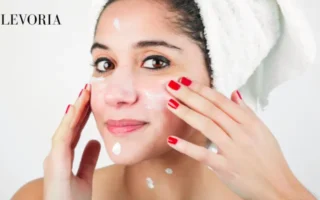
More retinol is not better. A little bit goes a long way. Dr. Bialas tells her patients to put a pea-sized amount on their index finger and then use that to make five smaller dots around their face: forehead, nose, each cheek, and chin. Then gently rub in those smaller dots to ensure a thin, even coat everywhere, avoiding the eye area.
Apply at Night
Retinol should be used at night. Cleveland Clinic notes that the sun will inactivate retinol, so it works better if you use it at night. You may also tolerate it better in the summer if you use it at night.
Pair with Moisturizer
You can safeguard against irritation by pairing your retinol with a hydrating moisturizer. Typically, after you wash and dry your face, you can apply the retinol and follow with a moisturizer. Some people who are more sensitive might benefit from flipping this order, applying moisturizer first and retinol on top, as another way of minimizing irritation.
Always Use Sunscreen
Retinoids initially increase the skin’s sensitivity to ultraviolet light, but after a few months of regular use, that sensitivity dissipates. During this adjustment period, it is essential to wear sunscreen every day. Dr. Rahman emphasizes that all you have to do is make sure you are wearing sunscreen every day, which is good practice anyway.
Be Patient
Retinol starts to work in your cells right away, but it will take several weeks before you see an improvement in the look and feel of your skin. In fact, your skin condition may look worse at first as you adjust to the new regimen. If you stick with it, you will see clearer, smoother skin over time.
Retinol Side Effects and What to Expect
Common Side Effects
The most common side effects of retinol are redness, dry and scaly skin, and itching or burning. These effects are temporary, typically lasting around three to four weeks. In more extreme cases, people who already have naturally dry skin can sometimes get nosebleeds and cracking at the sides of the mouth.
Skin Purging
Some people experience what is known as skin purging when they start retinol. This happens because of increased cell turnover. Any oil and debris trapped in your pores is quickly brought to the surface. Sometimes this looks like a breakout, with whiteheads or new pimples appearing on the skin. These are typically pimples that have been brewing beneath the surface and would have appeared over time anyway. Skin purging does not happen to everyone, but if it does, it can take a few weeks to clear up.
Managing Irritation
If the irritation becomes too intense, skip a few applications and allow your skin to calm down, and then resume at a slower pace. Using a lower concentration, applying less frequently, or buffering with moisturizer can all help reduce irritation.
Important Safety Information
Retinoids, including retinol, should not be used during pregnancy. Mayo Clinic specifically states that retinoids, including retinol, should not be used during pregnancy. If you are pregnant or might become pregnant, talk with your healthcare provider before using retinol or any retinoid product. Bakuchiol, a plant-based alternative, works like retinol but is gentler and is considered safe to use during pregnancy.
If you have skin allergies or dryness, you may not be a good candidate for a product that contains a retinoid. If someone has a lot of redness or inflammation in their skin, they should avoid retinoids and ask their dermatologist about other therapies.
Frequently Asked Questions
What does retinol do for your skin?
Retinol increases skin cell production, helps unclog pores, exfoliates the skin, and increases collagen production. This reduces the appearance of fine lines and wrinkles, improves skin tone and texture, and gives skin a fresher, plumper appearance.
How long does retinol take to work?
Retinol starts to work in your cells right away, but it takes several weeks before you see an improvement in the look and feel of your skin. Your skin condition may look worse at first as you adjust to the new regimen.
What is the difference between retinol and retinoids?
Retinol is a milder type of retinoid available over the counter. Retinoids include prescription-strength products like tretinoin, tazarotene, and adapalene. Retinoids are more potent and work faster, but retinol is gentler and more accessible.
How should I start using retinol?
Start with a low-strength retinol once or twice a week at night. Use only a pea-sized amount for your entire face. After a few weeks, gradually increase frequency as your skin tolerates it. Always follow with a moisturizer and use sunscreen daily.
Can I use retinol if I have sensitive skin?
Most people can use retinol, even those with sensitive skin, but it takes time and patience. Start with a lower concentration and less frequent application. The exception is patients with severe rosacea or extremely sensitive skin.
What are the side effects of retinol?
Common side effects include redness, dry and scaly skin, and itching or burning. These effects are temporary, lasting around three to four weeks. Some people also experience skin purging, which looks like a breakout but clears up over time.
Can I use retinol during pregnancy?
No. Retinoids, including retinol, should not be used during pregnancy. Bakuchiol is a plant-based alternative that works like retinol but is safe to use during pregnancy.
Can I use retinol with other skincare ingredients?
Retinol can be combined with hyaluronic acid, which helps the skin retain moisture. However, using multiple active ingredients like AHAs or BHAs at the same time can increase the risk of irritation. Choose a product where retinol is the main active ingredient.
What should I do if retinol irritates my skin?
If irritation becomes too intense, skip a few applications and allow your skin to calm down, then resume at a slower pace. You can also try applying moisturizer before retinol, using a lower concentration, or applying less frequently.
When should I see a dermatologist about retinol?
If over-the-counter retinol does not provide the results you want, or if you have persistent acne, severe wrinkles, or other skin concerns, see a board-certified dermatologist. They can recommend prescription-strength retinoids and help you build a routine suited to your skin.
Conclusion
Retinol is one of the most effective skincare ingredients available without a prescription. It increases cell turnover, boosts collagen production, unclogs pores, and improves skin tone and texture. It can help with fine lines, wrinkles, acne, dark spots, large pores, and other skin concerns.
Remember these key principles:
- Start with a low-strength retinol once or twice a week at night
- Use only a pea-sized amount for your entire face
- Apply at night, as the sun inactivates retinol
- Pair with a moisturizer to reduce irritation
- Always use sunscreen daily
- Be patient. Results take several weeks, and your skin may look worse before it gets better
- Do not use retinol during pregnancy
Patch Test Note: Before using any new retinol product, perform a patch test on a small area of skin to check for adverse reactions. Skin reactions and results vary significantly by individual and skin type.
Important: This article is for educational purposes and does not constitute medical advice. The information provided is general in nature and not a substitute for professional medical evaluation. If you have persistent, severe, or worsening skin concerns, or if you are pregnant, nursing, or have a diagnosed skin condition, check with your doctor or dermatologist before starting any new treatment.
Read More: Sunscreen and Moisturizer for Face: How to Combine Them


[…] Read More: What Does Retinol Do? Benefits, Uses, and How to Apply […]