
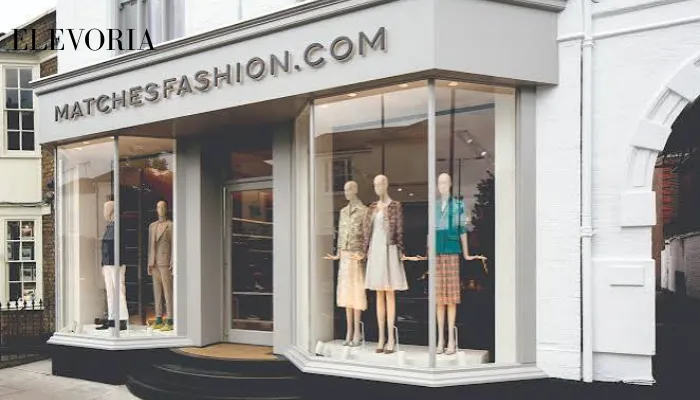
Matches Fashion: The Rise, Fall and Relaunch of Britain’s Most Beloved Luxury Retailer
Introduction
Matches Fashion is not simply a retailer. For over three decades, it was the place where fashion insiders shopped. It was the platform that launched emerging designers, the destination for pieces few others had, and a British success story that grew from a single Wimbledon boutique into a global luxury e-commerce player worth nearly £800 million at its peak.
And then, in March 2024, it collapsed.
The story of Matches Fashion is one of the most compelling in modern British retail. It is a story of innovation, ambition, and ultimately, of a business that grew too fast and lost its way. But it is also a story of resilience. In December 2025, it was announced that Matches Fashion, along with its beloved in-house brand Raey, had been acquired by two young entrepreneurs who plan to relaunch it in 2026.
This guide tells the complete story of Matches Fashion. From its founding in 1987 by Tom and Ruth Chapman to its rise as one of the most powerful online players in global fashion, from its administration under Frasers Group to its forthcoming relaunch under Hulcan, it covers the history, the key figures, the brands, the innovations, and what the future might hold.
What Is Matches Fashion?
Matches Fashion, formerly known as MatchesFashion.com, was a British luxury fashion retailer. It began as a single high-end multibrand boutique in Wimbledon, south-west London, before growing into one of the most powerful online players in the global high-fashion market.
The company offered customers in 176 countries an array of products from over 450 established and emerging designers via a website, an app, and physical stores in London. It was known for its expertly curated selection of brands, from Bottega Veneta and Celine to The Row and Wales Bonner, and for offering exclusive collaborations at a time when wealthy consumers were increasingly turning to retailers for products few others had.
Matches Fashion was not simply a shop. It was a tastemaker. As fashion features director Tamison O’Connor put it: “When Matches closed, it left a gaping hole in the luxury shopping landscape. Matches was so much more than just a store, it was a place of discovery and inspiration, and also a steadfast champion of up and coming British fashion talent”.
The Founding of Matches: 1987
Matches was founded in 1987 by married couple Tom and Ruth Chapman. The first store opened in Wimbledon Village, south-west London. As Ruth Chapman recalled, “20, maybe 30 percent” of the first shop was devoted to hospitality: “We had sofas, a big coffee table, and a coffee machine. It was about spending time in a nice way with people”.
The shop stocked designers including Prada, Bottega Veneta, Max Mara, and Versace. The Chapmans were the first such retailer in Britain to sell Prada, Versace, Ferré, and Dolce & Gabbana.
Innovation was baked into the Matches DNA from day one. Tom Chapman had one of the earliest computers in the area, and the store was diligent about capturing customer data even then. The Chapmans understood that success required a balance of logic and magic, and they built their business on both.
Going Digital: 2007 and Beyond
The Chapmans went digital in 2007, launching an online store. It was not exactly early to the game, but it was not late either. The decision proved transformative. After the financial crisis in 2008, the Chapmans realised that the future of their business, and their route to global expansion, was online.
The company rebranded as Matchesfashion.com in 2013, after hiring Ulric Jerome as chief executive. By 2017, when the company celebrated its 30th anniversary, revenues for 2016 were a record $255 million, and online sales had increased by 73 percent. The company had made a total of 587,000 sales in the 12 months ending January 31, 2017, with an average value of £511, and offered a 90-minute delivery service in London.
Matchesfashion.com had gained considerable cachet as the preferred shopping choice for industry insiders. It was known for launching and selling out of designers like Vetements before competitors, and for experimenting with personalised landing pages and social shopping features.
The Apax Acquisition: 2017
In September 2017, after a fierce bidding war, private equity firm Apax Partners took a controlling stake in Matchesfashion.com. Rival bidders including Bain Capital, KKR, and Permira were said to have reached a valuation close to £800 million, or about $1 billion, for the company.
The Chapmans retained minority stakes and took on advisory roles. “After 30 years of growing this business Ruth and I are ready to take on new challenges,” Tom Chapman said. “Matchesfashion.com has redefined the face of luxury commerce and become renowned globally for having the fashion point of view. The business has never been in a stronger position”.
The company’s chief executive, Ulric Jerome, and chief financial officer, Fiona Greiner, stayed on with the goal of “driving Matchesfashion.com to become the number-one luxury fashion commerce company in the world”. By this point, the company was based in the Shard skyscraper in London and had a staff of 500.
The Raey Brand
A significant part of what made Matches Fashion special was Raey, its in-house label. Raey launched in 2015 as the in-house brand of MatchesFashion, created with the brief of designing clothes that Ruth Chapman and her peers would want to wear themselves.
Raey became the ultimate destination for minimalist fashion with a modern twist, known for clean lines, impeccable tailoring, and understated luxury. As one description puts it, Raey is “Lemaire-meets-The Row at a more accessible price point”. The brand built a cult following and was mourned far and wide by fashion editors when Matches closed.
Raey’s creative director was Rachael Proud, who was hired by Ruth Chapman to lead the label. The brand was relaunched as Raey in 2015, rebranding from the previous women’s collection, Freda, which had launched in 2007.
The Innovators Programme
Matches Fashion was not just a retailer. It was a champion of emerging talent. The MatchesFashion Innovators Programme was a year-long initiative that supported emerging designers, providing retail opportunity and a platform for non-conformist voices in fashion.
Launched in 2017, the first collective included Matty Bovan, Claire Barrow, Eden Loweth and Tom Barratt of Art School, Wanda Nylon, and Paula Knorr, all of whom worked on exclusive capsule collections sold online. By 2020, the programme had expanded to include twelve designers, among them Wales Bonner, Charles Jeffrey LOVERBOY, Halpern, Harris Reed, Stefan Cooke, Bianca Saunders, Art School, Ahluwalia, Chopova Lowena, Germanier, Thebe Magugu, and Ludovic de Saint Sernin.
The programme was described as “a vital lifeline to some of our most treasured designers”. At a time when many retailers were cutting back on emerging talent, Matches Fashion was investing in it. The company dedicated £1.8 million towards the programme.
The Frasers Group Acquisition: December 2023
In December 2023, Mike Ashley’s Frasers Group acquired Matchesfashion from Apax Partners for approximately £52 million in cash. The deal marked a significant moment for both companies. Frasers was expanding its presence in the luxury market, while Matches was gaining a new owner with deep pockets.
Matches offered more than 450 established and next-generation designers and generated the majority of its revenue internationally. Frasers’ acquisition was seen by some as a strategic move into luxury e-commerce, an area where the group had previously been under-represented.
The Collapse: March 2024
The acquisition proved short-lived. Just three months after buying Matchesfashion, Frasers Group placed the company into administration in March 2024.
Frasers told shareholders at the time: “Since Frasers Group acquired Matches, the business has consistently missed its business plan targets and, notwithstanding support from the group, has continued to make material losses. Whilst Matches’ management team has tried to find a way to stabilise the business, it has become clear that too much change would be required to restructure it, and the continued funding requirements would be far in excess of amounts that the group considers to be viable”.
More than 270 Matches employees were made redundant the next day, and the company was eventually wound down. At the time of its collapse, Matches owed approximately £50 million to brand vendors and owed more than £210 million to designer brands including Gucci and Anya Hindmarch, according to reports. The business stopped trading in July 2024.
The collapse sent shockwaves throughout the industry that are still being felt to this day.
The Relaunch: 2026
In December 2025, it was announced that Matches Fashion and its in-house brand Raey had been acquired by Joe Wilkinson and Mario Maher, founders of the LVMH-backed, members-only shopping app Mile.
The acquisition formed part of the pair’s new luxury group, Hulcan, which is set to relaunch Matches and Raey in 2026. Hulcan has secured $150 million in strategic capital from a global network of fashion and retail leaders, including Frasers Group, Francesco Ragazzi (founder of Palm Angels and Reservation), and PagsGroup, alongside existing Mile investors such as Antler, LVMH Luxury Ventures, the Hermès family, Stefano Rosso, and Carmen Busquets.
Speaking to Vogue Business, Maher said: “We want to keep the heritage of Matches and what everyone knew Matches for: curation, exclusivity, and strong product. We’ll still keep that core. But it will be different from what it was. It will definitely have a new angle”.
Wilkinson added: “This is a big moment for us. We’re bringing brands, media, and technology together into one ecosystem built for the future of luxury. We’re not just building places to shop…We want to shape how people discover, experience, and connect with brands. Over the past six years, we’ve built everything from the ground up, proving we can innovate, scale responsibly, and create real value for both brands and customers. With the backing of our investors and partners, we’re stepping into this next chapter with real momentum”.
Even with such weighty strategic backing, Hulcan faces the difficult task of reviving Matches in a challenging luxury retail climate. But the founders feel well placed to steer Matches back to profitability, as they are able to start from scratch. “I think the difference with us is that we are an agile organization,” Wilkinson said.
What the Relaunch Might Look Like
Wilkinson has said that “Matches will return with a completely new structure,” which makes sense given that the old one failed. “We’re building a lean, tech-enabled model that prioritises trust, curation, and a seamless experience for both brands and customers. While the name and heritage remain, everything else, from operations to strategy, will reflect the needs of a modern luxury audience”.
The new platform will be unveiled when it launches in 2026. Given that Wilkinson and Maher created a members-only model with the MILE app, it is possible that Matches may adopt a similar approach. Whether it will reinstate the same-day delivery service and press discounts that made it so popular among fashion insiders remains to be seen.
Laura Weir, CEO of the British Fashion Council, commented on the relaunch: “We have discussed the importance of both as strong British brands, and Matches has historically provided a meaningful route to market for British designers. We hope this next chapter restores that spirit and creates renewed opportunity for UK talent to be seen, supported and scaled”.
The Customer Experience
Part of what made Matches Fashion so beloved was its customer experience. The company was known for its sophisticated logistics operation, offering delivery to certain London postcodes in under 90 minutes.
The company had an overall customer retention rate of 65%, although that figure rose to 90% for its top 10 customers. A significant percentage of revenue was made from a small percentage of customers, and the company looked after them well, flying to them wherever they were for designer talks and events.
Matches also pioneered social shopping with its Style Social feature, where shoppers could buy directly from images that customers had posted to their personal Instagram and Twitter feeds using the hashtag #MatchesFashion.
Matches Fashion in Context
The story of Matches Fashion is a case study in both the opportunities and the challenges of luxury e-commerce. The company grew from a single boutique into a global player, pioneering digital retail at a time when many luxury brands were hesitant to embrace it. It championed emerging designers when others were not. It built a brand that fashion insiders trusted and loved.
But it also struggled to translate its cachet into sustainable profitability. The collapse under Frasers Group came just three months after acquisition, and the business was eventually wound down owing millions to the brands it stocked and the employees it had hired.
The relaunch in 2026 represents a second chance. With $150 million in funding, a team that has already built successful ventures, and a clear-eyed understanding that the old model failed, Hulcan has the opportunity to redefine what Matches Fashion can be for a new era.
Frequently Asked Questions
What is Matches Fashion?
Matches Fashion is a British luxury fashion retailer founded in 1987 by Tom and Ruth Chapman. It grew from a single Wimbledon boutique into one of the most powerful online players in the global high-fashion market, offering products from over 450 designers to customers in 176 countries.
Who founded Matches Fashion?
Matches Fashion was founded by married couple Tom and Ruth Chapman. They opened their first store in Wimbledon Village, south-west London, in 1987.
When did Matches Fashion go into administration?
Matches Fashion was placed into administration by Frasers Group in March 2024, just three months after Frasers acquired it for £52 million. The business stopped trading in July 2024.
Who owns Matches Fashion now?
Matches Fashion was acquired in December 2025 by Joe Wilkinson and Mario Maher, founders of the luxury shopping app Mile. It now forms part of their new luxury group, Hulcan.
When will Matches Fashion relaunch?
Matches Fashion and its in-house brand Raey are set to relaunch in 2026 under Hulcan, with full plans to be announced in the New Year.
What is Raey?
Raey is the in-house label of Matches Fashion, launched in 2015. It is known for minimalist fashion with a modern twist, clean lines, impeccable tailoring, and understated luxury. The brand built a cult following among fashion editors.
What was the Matches Innovators Programme?
The Innovators Programme was a year-long initiative that supported emerging designers, providing retail opportunity and a platform for non-conformist voices. Designers involved included Wales Bonner, Charles Jeffrey, Halpern, and Harris Reed.
Who are Joe Wilkinson and Mario Maher?
Joe Wilkinson and Mario Maher are the founders of Mile, a members-only shopping app backed by LVMH, and Heat, a mystery box retailer. They acquired Matches Fashion and Raey from Frasers Group and plan to relaunch both in 2026.
What happened to the brands Matches stocked?
At the time of its collapse, Matches owed approximately £50 million to brand vendors. The relaunch under Hulcan aims to restore Matches as a route to market for British designers, according to BFC CEO Laura Weir.
What made Matches Fashion different?
Matches Fashion was known for its expertly curated selection of brands, its support of emerging designers, its 90-minute delivery service in London, and its status as the preferred shopping choice for fashion industry insiders.
Read More: Clothes Fashion Styles 2026: Complete Guide to Every Aesthetic



[…] Read More: Matches Fashion 2026: History, Fall & Relaunch Guide […]