
Clothes Fashion Styles: The Complete Guide to Every Aesthetic and Trend in 2026
Introduction
Fashion in 2026 is not a single trend. It is a collection of intersecting styles, each with its own vocabulary, its own mood, and its own way of telling the world who you are. The monolithic trend cycles that once dictated what everyone wore have fractured into something more personal. As Vogue Business noted, SS26 focuses less on aesthetics like “medievalcore” or “Barbiecore” as fashion moves away from the micro-trend churn, and instead, “individuality, self-expression and personal style will continue to grow”.
That shift is liberating. It means you are no longer dressing to fit a single prescribed look. You are dressing to express who you are, using the styles that resonate with your life, your body, and your values. But it also means the landscape can feel overwhelming. There are more aesthetics, more micro-trends, and more influences than ever before.
This guide cuts through the noise. It covers the defining fashion styles of 2026, from the minimalist to the maximalist, from the romantic to the utilitarian. It explains the trends shaping each aesthetic, the fabrics and silhouettes that define them, and how to find the style that feels like you.
The Big Picture: What’s Driving Fashion Styles in 2026
Before looking at individual styles, it helps to understand the forces shaping fashion in 2026. Three themes stand out.
The End of Quiet Luxury Dominance
Quiet luxury, defined by understated elegance, neutral palettes, and a focus on quality over branding, has dominated fashion for several years. In 2026, its grip is loosening. As one trend report put it, “fashion’s centre is shifting from quiet luxury and minimalism into something more staunch and eclectic”. Quiet luxury is not disappearing entirely. But it is being joined, and in some cases replaced, by more expressive, playful, and colourful approaches to dressing.
The Rise of Individualism and “The Edited Self”
Depop’s 2026 trend report calls the year “The Edited Self,” describing a shift “away from accumulation toward authorship: pieces that earn their place, clothes that carry meaning, wardrobes shaped by what you return to rather than what’s new”. People are choosing clarity over clutter, repeating silhouettes that work, and refining their wardrobes into something lived-in and personal.
Playfulness and Escapism
Frida Tordhag, analyst at trend forecasting platform Heuritech, notes that “fashion is feeling fun again. And while quiet luxury will stick around, 2026 will give way to more playful, colourful and textured trends alongside it”. Kim Cupido, catwalks senior strategist at WGSN, adds that in challenging times, people seek “escapism and whimsy from fashion,” which is galvanising hyper-feminine items like blouses, bows, and babydoll dresses.
The Core Fashion Styles of 2026
Expressive Maximalism
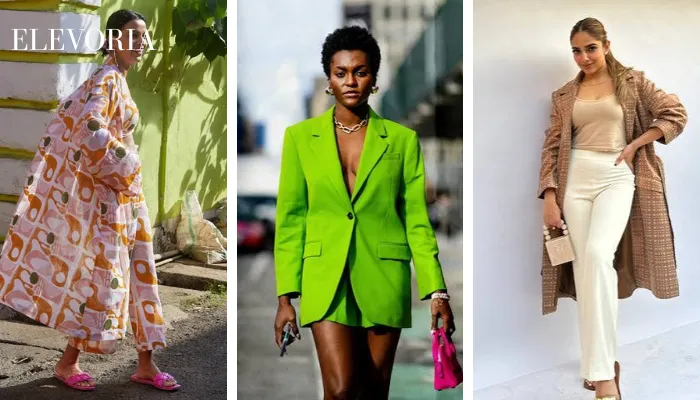
Expressive maximalism is the antidote to quiet luxury. As Flannels describes it, “designers are leaning into boldness in every sense, embracing exaggerated proportions, richly textured fabrics and eye-catching embellishments. It is a trend that encourages individuality, creativity and a sense of play when it comes to dressing”. The beauty of maximalist fashion is that there are no strict rules. On the SS26 runways, silhouettes became more dramatic. Voluminous skirts brought movement, while sculptural shapes and vibrant prints brought extra flair.
Key elements: Bold colour, layered patterns, exaggerated proportions, statement accessories, rich textures.
Modern Minimalism
Minimalism has not disappeared. It has evolved. Vogue notes that “minimalism continues to hold a strong presence”, though the 2026 iteration is softer and more tactile than the stark minimalism of previous years. WGSN identifies “Bold Minimalism” as a key trend for A/W 26/27, alongside “Emotional Minimalism” which emphasises feeling and texture over stark simplicity.
Key elements: Clean lines, neutral palette, quality fabrics, subtle texture, precise tailoring.
Quiet Luxury / Soft Living
Quiet luxury persists, particularly in the form of what PrettyLittleThing calls “Soft Living.” This trend is “quiet luxury but for 2026,” with “loose oversized silhouettes” that are “laidback” yet “carefully considered”. Neutral colourways dominate: black, chocolate, camel, cream, taupe, navy, and grey. “Sleepwear is having its athleisure moment,” and perfectly cut tailoring remains essential.
Key elements: Oversized silhouettes, neutral tones, luxury fabrics, elevated basics, comfort.
Neo Nostalgia
Nostalgia is one of the biggest trend predictions for 2026, particularly in the blending of decades such as the ’70s, ’90s, and early 2000s. This is not about recreating one era. It is about mixing eras and archival pieces with a modern sensibility. Pinterest predicts that “vintage kids fashion” searches are climbing, and “Neo Nostalgia” encompasses everything from JNCO jorts to medieval-inspired silhouettes.
Key elements: Era mixing, vintage pieces, archival references, playful layering.
Literary Chic / Poetcore
Literary Chic is “an aesthetic that has been on the fashion horizons for a while now and is quite literally what you’d imagine when hearing Literary Chic. A trend where fashion borrows from literature culture but also outfits that could easily be worn to the library”. Pinterest’s data shows “the poet aesthetic” up 175% and “tie accessories” up 85%. Expect blazers, trench coats, boyfriend shirts, pleated skirts, cable knits, and structured bags.
Key elements: Oversized knitwear, wool coats, satchel bags, vintage blazers, fountain pens, lace.
Glamoratti / ’80s Opulence
Glamoratti is “set to be one of 2026’s biggest fashion trends,” all about “bold and expressive luxury” inspired by ’80s glamour with “dramatic silhouettes, statement accessories, and luxurious fabrics”. Pinterest reports searches for “80s luxury” soaring 225%, with “baggy suit” looks up 90% and “gold cuff” searches up 50%. Think sculpted shoulders, baggy power suits, and chunky, gleaming jewellery.
Key elements: Sculpted shoulders, power suits, chunky gold jewellery, dramatic silhouettes.
Romanticized Sports / Mode Sportif
Sports-inspired dressing continues to evolve, but the 2026 iteration is more romantic. Depop calls it “Romanticized Sports”. Vogue identifies “Mode sportif” as a key spring 2026 trend. This is not about performance wear. It is about taking athletic silhouettes and making them soft, feminine, and wearable for everyday life.
Key elements: Tennis whites, vintage jerseys, bike shorts styled with silk, ballet flats, ski layers.
Romantic Femininity / Soft Feminine
Since the boho renaissance following Chemena Kamali’s debut at Chloé, there has been “a rise in soft femininity season-to-season. And the trend is set to continue for SS26”. Blouses, bows, and babydoll dresses are galvanising this trend. Vogue identifies “Soft femininity” as a key SS26 prediction.
Key elements: Blouses, bows, babydoll dresses, pastels, soft fabrics, romantic silhouettes.
Utility and Khaki Coded
Adventure-core takes centre stage as fashion leans into rugged practicality. Pinterest reports searches for “brown linen shirt” surging 100%, “field jacket outfit” up 65%, and “utility shirt” rising 45%. Gen Z and Millennials are embracing “an aesthetic inspired by wanderers and palaeontologists: think pockets, desert-ready neutrals and gear built for the great outdoors”.
Key elements: Utility shirts, cargo trousers, field jackets, khaki, brown linen, pockets, zips.
Art Deco and Updated Lady
Vogue’s fall 2026 forecast identifies “Art Deco” as a key trend, with “evening jackets everywhere on the fall runways: floor-dusting velvet opera coats, sharp tuxedos, and metallic brocade,” while the key occasion dress emerged as a “flapper-style drop waist”. The “Updated Lady” trend takes ladylike dressing and interprets it for modern life, pairing Dior’s bar jacket with baggy jeans or piling jewellery on Chanel’s skirt suits.
Key elements: Velvet, tuxedos, brocade, drop waist, opera gloves, pearls, top-handle bags.
Streetwear and Off-Duty
Streetwear “brought proportion, comfort, and attitude into the mainstream,” and it continues to shape what people wear. The 2026 iteration is more elevated: “barrel leg, funnel necks, and drop shoulder styles teamed with trending stripes and bolder colourways such as red, blue, and green”.
Key elements: Oversized tees, hoodies, cargo pants, sneakers, statement outerwear, relaxed tailoring.
Boho Chic
Boho chic has had “a major resurgence”. This style “borrows from the 1960’s hippie aesthetic and festival culture,” incorporating “earth tones, natural fabrics and dyes, and prints and accessories from around the world”. The hallmarks are “flowing maxi dresses, long skirts, bell-bottom pants, large brimmed hats, fringe, suede, and slouchy handbags”.
Key elements: Maxi dresses, fringe, suede, earth tones, natural fabrics, layered accessories.
Gardening-core
A new twist on cottage-core. According to Elektra Kotsoni, deputy director for Vogue Business and Vogue Runway, “gardening is officially cool in the fashion world”. Instead of gingham and wicker bags, it is “all about looking like you’re fresh from planting seeds or operating a lawnmower,” with “apron, waterproof materials and trench coats”.
Key elements: Aprons, waterproof materials, trench coats, practical silhouettes.
Messy Girl Aesthetic
“The number one trend for this season is messy girl,” says Elektra Kotsoni. “We’re going to be having a messy girl summer,” she says, describing it as “a reaction to the clean girl and quiet luxury aesthetics that took over our Instagram feeds”. To replicate the trend, “mix pastel colours, dreamy florals, and tactile materials to form unexpected clashes that look really messy”.
Key elements: Pastel colours, dreamy florals, tactile materials, unexpected clashes, “crazy styling”.
Cool Blue
Icy tones are set to dominate. Pinterest reports “icy blue” searches rising 50% and “glacier aesthetic” up 35%. Expect “frosted outerwear, steel-blue tailoring and accessories that channel subzero elegance”.
Key elements: Icy blue, steel blue, frosted outerwear, subzero elegance.
Laced Up
Lace is no longer reserved for lingerie or bridalwear. In 2026, “the delicate textile is infiltrating streetwear and accessories,” with “lace nails” searches up 215% and “lace bandana” up 150%. Expect “bomber jackets with lace collars, crocheted phone cases and soft, romantic textures woven into casual outfits”.
Key elements: Lace collars, lace bandanas, romantic textures, unexpected lace.
Extra Celestial
Cosmic fashion is on the rise. Pinterest reports “opalescent” searches up 115% and “alien core aesthetic” up 80%. “Intergalactic style will influence metallic outerwear, holographic details and futuristic shapes”.
Key elements: Metallic outerwear, holographic details, opalescent finishes, futuristic shapes.
Brooched
Brooches are back, “and they’re not here to whisper”. Pinterest reports “brooch aesthetic” searches up 110% and “maximalist accessories” up 105%. “Sentimental sparkle is the new flex”.
Key elements: Vintage brooches, crystal clip-ons, statement pins, heirloom-inspired styling.
Wilderkind
A softer take on animal aesthetics. Rather than bold prints, “Gen Z and Boomers are gravitating toward gentle, whimsical interpretations”. Think “fox-toned layering, butterfly motifs and earthy palettes that feel more enchanted than wild”.
Key elements: Fox tones, butterfly motifs, earthy palettes, whimsical details.
How to Find Your Personal Style in 2026
With so many styles available, finding your own can feel daunting. The good news is that the process is simpler than it seems. Here is how to approach it.
Start With Your Closet
The most reliable starting point is what you already wear. ASOS advises: “Go through your wardrobe and pull out your most-worn items”. These pieces reveal your actual style, not the style you wish you had. Look for patterns in colour, silhouette, fabric, and fit.
Create a Mood Board
Marie Claire recommends creating “a mood board or vision board”. Pinterest is an excellent tool for this. Save the outfits, colours, and textures that resonate with you, then look for common threads.
Reflect on What Makes You Feel Good
The Guardian advises: “Reflect on what makes you feel best. The answer is probably already in your closet”. Style is not just about how you look. It is about how you feel. Pay attention to the pieces you reach for when you want to feel confident, comfortable, or like yourself.
Experiment With Shape, Volume, and Proportion
The Guardian also advises to “experiment with shape, volume and proportion”. Try silhouettes you have not worn before. Try oversized pieces if you usually wear fitted, or vice versa. Style is a process of discovery.
Don’t Be Overly Influenced by Trends
“Don’t be overly influenced by trends,” advises The Guardian. Trends are useful for inspiration, but they should not dictate your wardrobe. The most stylish people are those who wear what suits them, regardless of what is “in.”
Separate Style From Appearance
Three CFDA-winning designers shared their advice for dressing in 2026: “Every interesting outfit requires tension; push and pull, give and take, and crucially, a dash of contradiction”. Designer Christopher John Rogers suggests asking yourself: “Are you excited to show up?” The purpose of this self-interrogation is to push back on the idea that a good outfit equals looking hot and, instead, focus inward. “It’s not about gaze. It’s about a feeling”.
Repeat Outfits
Marie Claire advises: “Repeat outfits like no one is watching”. The most stylish people are not the ones who wear something new every day. They are the ones who have found what works and wear it with confidence.
Body Type and Style
There is no single “ideal” body type. Every body is a fashion body. The goal is to find styles that flatter your shape and make you feel confident.
Hourglass
The hourglass figure has a defined waist with bust and hips of similar size. Wrap dresses, belted styles, and fitted midi dresses all work beautifully. Corseted bodices and structured tailoring are particularly flattering.
Pear
Pear-shaped figures have a smaller bust and shoulders with fuller hips. A-line dresses and skirts balance the silhouette by skimming over the hips. Structured shoulders and statement necklines draw the eye upward.
Apple
Apple-shaped figures have a fuller midsection. Empire waist dresses and flowy midi options are flattering. V-necklines draw the eye upward, creating a more balanced silhouette.
Rectangle
Straight, athletic figures can wear a wide range of silhouettes. Belting at the waist creates definition. Fit-and-flare styles and peplum details add curves.
Petite
Petite frames look strongest in column or sheath silhouettes, which lengthen the line. High-waisted wide-leg trousers with a fitted top also work beautifully.
Plus Size
Plus-size figures look strongest in pieces cut to actual measurements rather than scaled-up patterns. Structured blazers, ponte trousers, and wrap dresses are reliable choices.
Sizing varies by brand, country, and manufacturer. Always check the specific brand’s size chart rather than assuming your usual size will fit.
Sustainable Fashion Styles
Sustainability is increasingly central to how people think about fashion. “Frugal Chic” has emerged as a 2026 keyword, described as an evolution of quiet luxury that aligns with “rational consumption and sustainable living”.
Sustainable Fabrics
Tencel (Lyocell): A sustainable fibre made from wood pulp in a closed-loop process. Soft, breathable, and moisture-wicking.
Organic Cotton: Grown without harmful chemicals. Better for soil, water, and farmers.
Recycled Materials: From recycled polyester to Econyl (regenerated from plastic waste), these materials reduce reliance on virgin resources.
Hemp: A soil-replenishing textile that requires little irrigation and no pesticides.
Deadstock and Upcycled Fabrics: Give new life to materials that would otherwise be wasted.
Sustainable Style Principles
Buy Less, Choose Well: Slow fashion emphasises “少買、選好、耐用” (buy less, choose well, make it last).
Repair and Rewear: Extend the life of your clothing through repair and careful care.
Second-Hand and Rental: The resale and rental markets offer designer buys on a budget while reducing environmental impact.
The Textile Exchange provides certification and guidance on preferred fibres.
Common Mistakes to Avoid
Mistake 1: Following Every Trend
Not every trend will suit you. Choose trends that align with your personal style and what makes you feel confident.
Mistake 2: Copying Looks Exactly
Use trends as inspiration, not a prescription. Adapt them to your own style, body type, and lifestyle.
Mistake 3: Ignoring Fit
While oversized silhouettes are in, fit still matters. Pay attention to how clothes hang on your body.
Mistake 4: Forgetting About Proportion
Balance volume with fitted pieces. An oversized blazer works best with slim trousers. Balloon pants need a fitted top.
Mistake 5: Buying for a Single Occasion Only
Choose pieces that can be styled multiple ways. A versatile piece offers better value than a single-wear purchase.
Mistake 6: Not Checking the Size Chart
Sizing varies significantly between brands. Always check the specific brand’s size chart and read reviews for fit advice.
Actionable Recommendations
- Start with your closet. Identify the pieces you already wear most. They reveal your actual style.
- Create a mood board. Use Pinterest or a physical board to collect the outfits, colours, and textures that resonate with you.
- Reflect on how you want to feel. Style is about feeling, not just looking. Choose pieces that make you feel confident and comfortable.
- Experiment with one new silhouette. Try an oversized blazer, a midi skirt, or a pair of wide-leg trousers. Style is a process of discovery.
- Choose quality over quantity. Invest in well-made pieces in natural fabrics. They will last longer and look better.
- Check the size chart. Sizing varies by brand. Always check the specific size guide and read reviews for fit advice.
- Consider sustainable options. Tencel, organic cotton, and recycled materials are increasingly available and beautiful.
- Repeat what works. The most stylish people are not the ones who wear something new every day. They are the ones who have found what works and wear it with confidence.
Frequently Asked Questions
What are the biggest fashion styles in 2026?
Key styles include expressive maximalism, modern minimalism, quiet luxury, neo nostalgia, literary chic, Glamoratti, romanticized sports, utility dressing, Art Deco, streetwear, boho chic, and many more.
What is the difference between maximalism and minimalism?
Maximalism embraces boldness, layered patterns, exaggerated proportions, and statement accessories. Minimalism favours clean lines, neutral palettes, quality fabrics, and precise tailoring.
What is quiet luxury?
Quiet luxury is an understated approach to fashion focused on quality fabrics, precise tailoring, and minimal branding. The value is in the cloth and the cut, not a logo.
What is poetcore?
Poetcore is a romantic academia aesthetic inspired by literature. It features oversized knitwear, wool coats, vintage blazers, messenger satchels, and tie accessories.
What is the messy girl aesthetic?
The messy girl aesthetic is a reaction to clean girl and quiet luxury. It mixes pastel colours, dreamy florals, and tactile materials to form “unexpected clashes that look really messy.”
How do I find my personal style?
Start with your closet, create a mood board, reflect on what makes you feel good, experiment with shape and proportion, and don’t be overly influenced by trends.
What is Glamoratti?
Glamoratti is an ’80s-inspired maximalist aesthetic featuring sculpted shoulders, baggy power suits, and chunky gold jewellery.
What is frugal chic?
Frugal Chic is an evolution of quiet luxury that aligns with rational consumption and sustainable living. It emphasises buying less, choosing well, and making pieces last.
What fabrics are best for sustainable fashion?
Tencel, organic cotton, hemp, recycled materials, and deadstock fabrics are among the best sustainable options.
What body types suit which styles?
Hourglass figures suit wrap dresses and fitted bodices. Pear shapes look beautiful in A-line and off-shoulder designs. Apple shapes benefit from empire waists and V-necklines. Rectangle shapes can add curves with belted styles and peplum details.
Conclusion
Clothes fashion styles in 2026 offer more choice, more freedom, and more opportunity for personal expression than ever before. The monolithic trend cycles of the past have given way to a landscape where individuality is the defining value. Whether you are drawn to the boldness of expressive maximalism, the understated elegance of quiet luxury, the romance of poetcore, or the playful nostalgia of neo nostalgia, there is a style that feels like you.
The key is to approach fashion as a process of discovery rather than a set of rules. Start with what you already wear. Pay attention to how you want to feel. Experiment with silhouettes and textures. And remember that the most stylish people are not the ones who follow every trend. They are the ones who have found what works for them and wear it with confidence.
The most important takeaway is this: style is personal. Trends provide inspiration, but your style is yours to define. Use this guide as a starting point, then make it your own.
Read More: Fashion Career Opportunities 2026: Complete Guide
[…] Read More: Clothes Fashion Styles 2026: Complete Guide to Every Aesthetic […]