
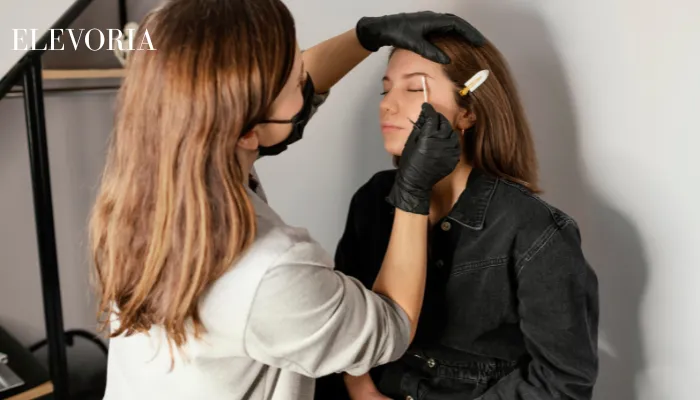
Nano Brows vs Microblading: Key Differences
Nano brows and microblading are both semi-permanent eyebrow treatments that add hair-like strokes to the skin. The main difference is the tool: nano brows use a digital machine with a fine needle, while microblading uses a manual handheld blade. Nano brows often suit oilier skin types better, and results tend to last longer on those skin types. Neither is universally better.
What Each Treatment Actually Is
Both treatments fall under permanent makeup, also called cosmetic tattooing. The American Academy of Dermatology explains that permanent makeup is applied with the same technique as traditional tattoos but is primarily applied to the face, and it can be used to enhance eyebrows or camouflage conditions like alopecia. That means both nano brows and microblading involve placing pigment into the skin, and both carry the same general risks as any procedure that breaks the skin.
With microblading, the technician uses a manual tool made of several tiny needles arranged in a blade shape. Each hair stroke is created by hand with a slicing motion into the upper layer of the skin. The Bexley Council explains that microblading differs from standard eyebrow tattooing because each hair stroke is created by hand using a blade that creates fine slices in the skin, whereas eyebrow tattoos are done with a machine and a single needle.
Nano brows, sometimes called nanoblading, use a digital permanent makeup machine with a single ultra-fine needle. Instead of slicing, the needle deposits pigment into the skin with a vibration or light scratching motion. This is generally considered less traumatic to the skin because there is no cutting action. The result is very fine, wispy strokes that mimic natural brow hair.
Which Skin Types Suit Which Treatment
Skin type is one of the biggest practical differences between the two. Microblading is commonly recommended for normal to dry skin. On oilier skin, the pigment from microblading can blur or fade faster because the natural oils can push the pigment out during healing.
Nano brows are generally considered suitable for more skin types, including oily, combination and mature skin. Many artists find that the machine method gives more consistent depth and pigment placement, which helps the strokes stay crisp on skin that produces more oil. If you have large pores or textured skin on your brow area, nano brows may give a cleaner healed result.
This does not mean microblading is off limits if you have oily skin. Some technicians offer a combination approach, mixing hair strokes with a soft powder effect to improve longevity. A consultation with a qualified artist will help you decide what is realistic for your skin.
Longevity and Healing
Both treatments are semi-permanent. Results fade over time because the pigment is gradually broken down by the body and the skin renews itself.
Microblading commonly lasts between 10 and 18 months, though on oily skin it can fade faster. Nano brows are often reported to last between 18 and 36 months, partly because the pigment is placed slightly deeper and more consistently. These ranges are general guides, not guarantees. Your aftercare, sun exposure, skincare routine and immune system all affect how long results last.
Healing is similar for both. Your brows will look darker and more defined for the first few days. Around day five to ten, some light flaking or itching can happen as the skin begins to renew. By week four, the colour settles. A touch-up appointment is usually recommended at around six to eight weeks to refine the shape and fill any gaps. A patch test is commonly advised at least 48 hours before treatment to check for allergy to the pigment, as South Somerset Council notes in its guidance on microblading treatments.
Cost, Regulation and Safety in the UK
In the UK, both nano brows and microblading are treated as tattooing for licensing purposes. Under the Local Government (Miscellaneous Provisions) Act 1982, practitioners and premises must register with their local authority. The Tattooing of Minors Act 1969 makes it illegal to perform these treatments on anyone under 18.
Pigments used in permanent makeup are also regulated. The UK government has announced a restriction on substances in tattoo inks and permanent make-up under UK REACH, published in December 2025, which targets hazardous substances in these products. This applies across Great Britain.
The AAD advises that the most common complication of permanent makeup is being unhappy with the result, often due to unrealistic expectations. Other potential complications include bacterial and fungal infections, blood-borne infectious diseases, and allergic reactions to tattoo ink. Choosing a registered, experienced practitioner and following aftercare instructions carefully reduces these risks.
Prices vary widely by location and artist experience. In the UK, nano brows and microblading typically sit in the mid-range to premium band, often between £300 and £700 for the initial session, with touch-ups costing less. Always confirm what is included before booking.
Aftercare for Both Treatments
Aftercare follows the same principles for both nano brows and microblading. Keep the area clean and dry for the first few days. Avoid picking or scratching any flaking skin. Stay out of direct sun and skip saunas, steam rooms, swimming and heavy sweating for at least the first week to ten days. Do not apply makeup over the treated area while it heals.
A light aftercare balm is commonly recommended from around 24 hours after treatment, applied with clean hands or a cotton bud. Avoid skincare products containing exfoliating acids or retinol on the brow area, as these can fade the pigment faster. Daily sun protection on your face, including your brows, helps protect the colour long term.
This is general educational content, not medical advice, and was not reviewed by a medical professional. Patch test any new product first. Results vary by person, skin type and sensitivity. If you are pregnant, breastfeeding or living with a diagnosed skin, allergy or eye condition, check with a doctor, pharmacist or dermatologist before starting a new active ingredient. See a licensed provider for a persistent, severe or worsening reaction. Avoid sharing brow tools or makeup, follow storage and period-after-opening guidance, and be careful with counterfeit permanent makeup products.