
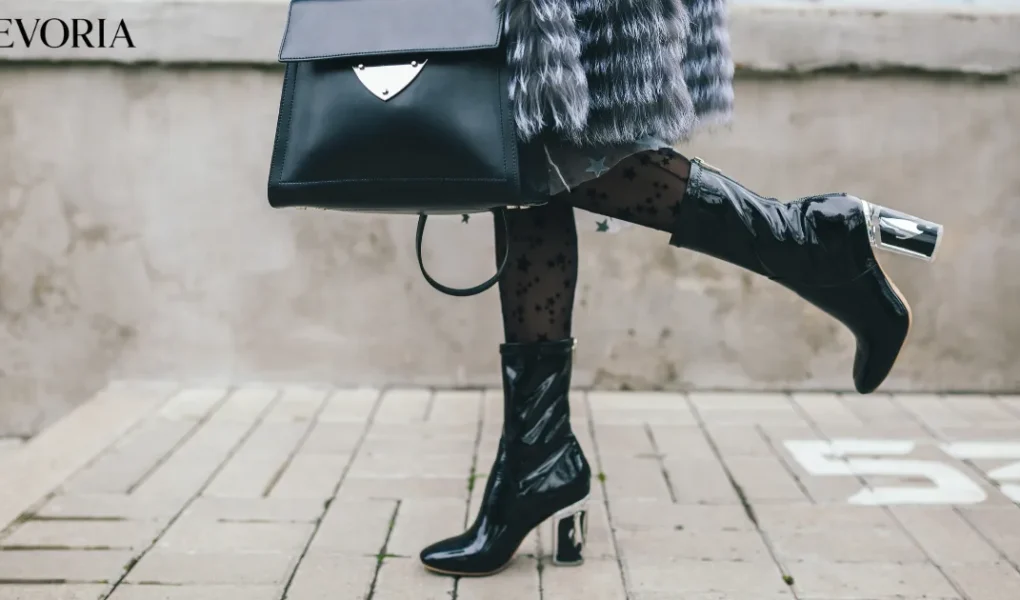
Black Leather Boots: The Complete Guide to Styles, Fit, and Care
A good pair of black leather boots is one of those wardrobe pieces that gets recommended constantly, but very little of that advice actually explains what separates a boot worth investing in from one that will crack, peel, or fall apart within a year. Between style names, leather grades, and construction terms, it is easy to end up confused standing in front of a wall of boots that all look roughly the same.
This guide breaks down the different styles of black leather boots, how to evaluate real leather quality, how to size and break them in properly, and how to care for them so they last for years rather than one season.
Types of Black Leather Boots
Black leather boots come in several distinct styles, each suited to different occasions and outfits.
| Style | Key Features | Best For |
|---|---|---|
| Chelsea boots | Ankle height, elastic side panels, no laces | Versatile, works with both casual and smart casual outfits |
| Combat boots | Lace-up, sturdy sole, utilitarian design | Casual, streetwear, layered outfits |
| Ankle boots | Short shaft, various closures (zip, lace, pull-on) | Everyday casual and semi-formal wear |
| Lace-up work boots | Heavy duty construction, reinforced toe | Durability-focused, outdoor or work settings |
| Chukka boots | Two or three eyelets, low profile | Smart casual, business casual settings |
| Knee-high or over-the-knee boots | Extended shaft covering the calf or above | Cold weather, dressier or statement outfits |
Choosing the right style largely depends on how the boots will actually be worn day to day, since a boot built for durability and utility looks and functions very differently from a sleeker, dressier style.
Understanding Leather Quality and Grades
Not all leather labeled “genuine leather” performs the same, and understanding leather grades helps avoid buying a lower quality product at a price that suggests otherwise.
- Full grain leather: The highest quality grade, using the entire top layer of the hide including natural texture and imperfections. This grade is the most durable and develops a desirable patina over time.
- Top grain leather: The top layer is sanded and refined to remove imperfections, resulting in a smoother, more uniform look, though generally slightly less durable than full grain.
- Genuine leather: Despite the name suggesting quality, this term technically refers to a lower grade made from leftover layers of the hide, bonded and treated, generally offering the lowest durability among true leather grades.
- Bonded leather: Made from leftover leather scraps and fibers bonded together with adhesives, generally the lowest quality option and prone to cracking and peeling relatively quickly.
Checking product descriptions carefully for the specific leather grade, rather than assuming “leather” automatically means high quality, is one of the most important steps in evaluating a potential purchase.
How Black Leather Boots Should Fit
- Toe room: There should be enough space to wiggle your toes without the boot feeling loose throughout the foot.
- Heel fit: The heel should stay in place with minimal slipping when walking, since excessive heel movement often leads to blistering.
- Width: The boot should not pinch across the widest part of the foot, and many brands offer width options for those who need more or less room than standard sizing provides.
- Break-in expectation: Leather boots generally fit slightly snug when new and loosen gradually as the leather softens and molds to your foot shape with wear.
- Sock thickness consideration: If you plan to wear thicker socks in colder months, trying boots on with a similar sock thickness helps ensure accurate sizing.
How to Break In New Leather Boots
Breaking in stiff new leather boots does not have to mean significant discomfort if approached gradually.
- Wear them for short periods first. Start with an hour or two around the house before committing to a full day of wear.
- Use thick socks during the break-in period. This adds a slight buffer that can reduce rubbing and blister risk while the leather softens.
- Apply a leather conditioner. Conditioning the leather early can help soften stiff areas more quickly and comfortably than wear alone.
- Use a leather stretcher on tight spots. If specific areas remain uncomfortably tight, a boot stretcher or professional stretching service can target those spots directly.
- Increase wear time gradually. Extending wear time incrementally over one to two weeks generally allows the leather to mold to your foot shape without excessive discomfort.
Are Black Leather Boots Waterproof
Leather is naturally water resistant to some degree due to its fiber structure, but standard leather boots are not fully waterproof unless specifically treated or constructed with waterproofing features.
- Untreated leather will resist light moisture for a short time but can absorb water and stain if exposed to significant rain or standing water
- Waterproofed leather boots use specific treatments, membranes, or coatings applied during manufacturing to provide genuine water resistance
- Aftermarket waterproofing sprays and waxes can improve water resistance on standard leather boots, though this typically needs to be reapplied periodically to remain effective
Checking whether a specific pair is marketed as waterproof, rather than assuming all leather boots offer the same water resistance, is important if you plan to wear them regularly in wet conditions.
How to Care for Black Leather Boots
Regular cleaning: Wipe down boots after wear to remove surface dirt and debris, using a slightly damp cloth for light cleaning and a dedicated leather cleaner for deeper dirt buildup.
Conditioning: Apply a leather conditioner every few months to prevent the material from drying out and cracking, particularly important in dry climates or during colder months when indoor heating can dry out leather more quickly.
Polishing: Regular polishing with a black leather polish or cream helps maintain color richness and adds a protective layer against minor scuffs.
Weatherproofing: Applying a waterproofing spray or wax periodically, especially before wet weather seasons, helps protect the leather from water damage and staining.
Proper storage: Storing boots with boot shapers or stuffed with paper helps maintain their shape when not in use, and keeping them away from direct sunlight and extreme temperature changes helps preserve the leather over time.
Styling Black Leather Boots
Casual Everyday Wear
Combat or ankle boots paired with jeans and a simple top create an easy, versatile casual outfit that works across most seasons.
Smart Casual and Work
Chelsea or chukka boots paired with tailored trousers or a structured dress create a polished look appropriate for office or business casual settings.
Dressy or Evening Occasions
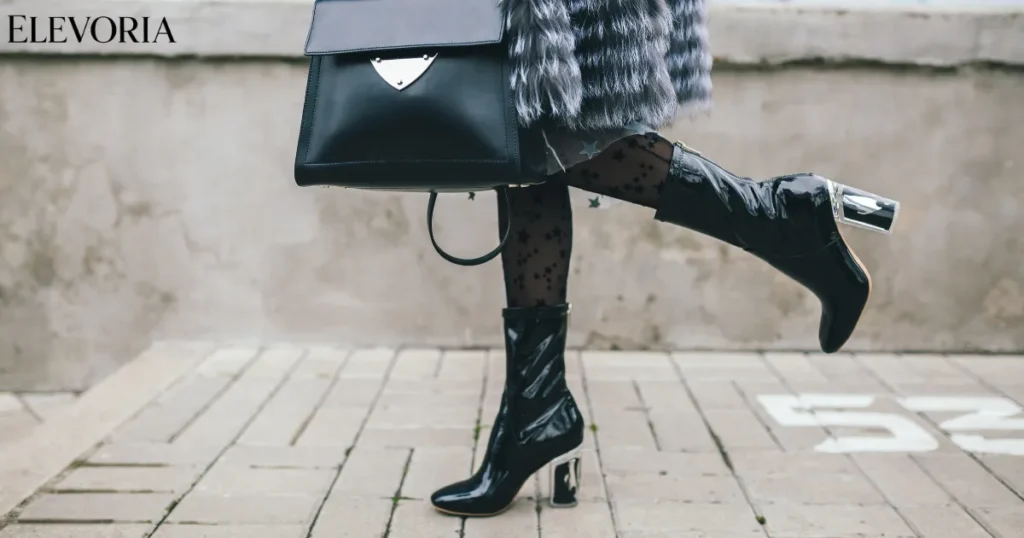
Sleek ankle or knee-high boots in a polished leather finish paired with a dress or tailored outfit can work well for evening events, particularly in cooler months.
Cold Weather Layering
Knee-high or heavier lace-up boots paired with tights or leggings and layered outerwear provide both practical warmth and a cohesive cold weather silhouette.
Common Mistakes People Make
Assuming “genuine leather” means top quality. This label actually refers to one of the lower leather grades, and buyers expecting premium quality based on this term alone are often disappointed by durability over time.
Skipping the break-in period and wearing new boots for a full day immediately. This significantly increases the risk of blisters and discomfort compared to a gradual break-in approach.
Neglecting regular conditioning. Leather that is not conditioned periodically is more prone to drying out, cracking, and showing premature wear, regardless of the original leather quality.
Wearing untreated leather boots in heavy rain or snow without waterproofing. This can lead to water stains, material damage, and a shortened lifespan for the boots.
Storing boots without proper shape support. Leaving boots slouched or improperly stored can cause creasing and shape loss over time, particularly for taller boot styles.
Expert Insight: Construction Method Matters as Much as Leather Grade
A detail often overlooked in boot buying guides is that construction method, meaning how the sole is attached to the upper, significantly affects durability and repairability, independent of leather quality alone. Boots built with methods like Goodyear welt construction generally allow for resoling multiple times over the life of the boot, extending its usable lifespan considerably compared to boots with glued construction, which typically cannot be resoled once the sole wears out. For buyers seeking a long-term investment piece, checking construction method alongside leather grade provides a more complete picture of a boot’s true durability.
Actionable Recommendations
- Check the specific leather grade in the product description rather than assuming “leather” alone indicates high quality
- Break in new boots gradually over one to two weeks rather than wearing them for a full day immediately
- Condition leather boots every few months, and more frequently in dry climates or during winter heating season
- Apply a waterproofing treatment before wet weather seasons if your boots are not already treated for water resistance
- Consider construction method, such as Goodyear welt versus glued construction, if you want boots that can be resoled and maintained long term
Conclusion
A well-chosen pair of black leather boots can serve as a genuinely long-lasting wardrobe investment, but getting real value depends on understanding leather grade, proper fit, and ongoing care, not just style alone. Taking the time to evaluate leather quality and construction method upfront, along with following a consistent break-in and maintenance routine, makes the difference between boots that last one season and boots that last for years.
Frequently Asked Questions
What are the different types of black leather boots? Common styles include Chelsea boots, combat boots, ankle boots, lace-up work boots, chukka boots, and knee-high or over-the-knee boots, each suited to different occasions and outfits.
How do you break in new leather boots? Wearing them for short periods initially, using thick socks, applying leather conditioner, and gradually increasing wear time over one to two weeks generally allows the leather to mold comfortably to your foot.
Are black leather boots waterproof? Standard leather boots offer some natural water resistance but are not fully waterproof unless specifically treated or constructed with waterproofing features, so checking the product’s water resistance claims is important.
How do you care for black leather boots? Regular cleaning, periodic conditioning, occasional polishing, and applying a waterproofing treatment before wet weather seasons all help maintain leather boots over time.
What is the difference between full grain and genuine leather? Full grain leather uses the entire top layer of the hide and is the highest quality, most durable grade, while genuine leather refers to a lower grade made from leftover layers of the hide, despite the name suggesting premium quality.
What do you wear with black leather boots? Jeans and simple tops work well for casual looks, tailored trousers or dresses suit smart casual and work settings, and tights with layered outerwear work well for cold weather styling.
How long do black leather boots last? Lifespan depends on leather quality, construction method, and care routine, but well-made boots with quality leather and resoleable construction, combined with regular maintenance, can last for many years.
Can black leather boots be resoled? Boots built with methods like Goodyear welt construction can generally be resoled multiple times, while boots with glued construction typically cannot be resoled once the sole wears out.
Read More: Smart Casual Clothes for Women: Complete Style Guide



[…] Read More: Black Leather Boots: Styles, Fit & Care Guide […]