
Quick answer
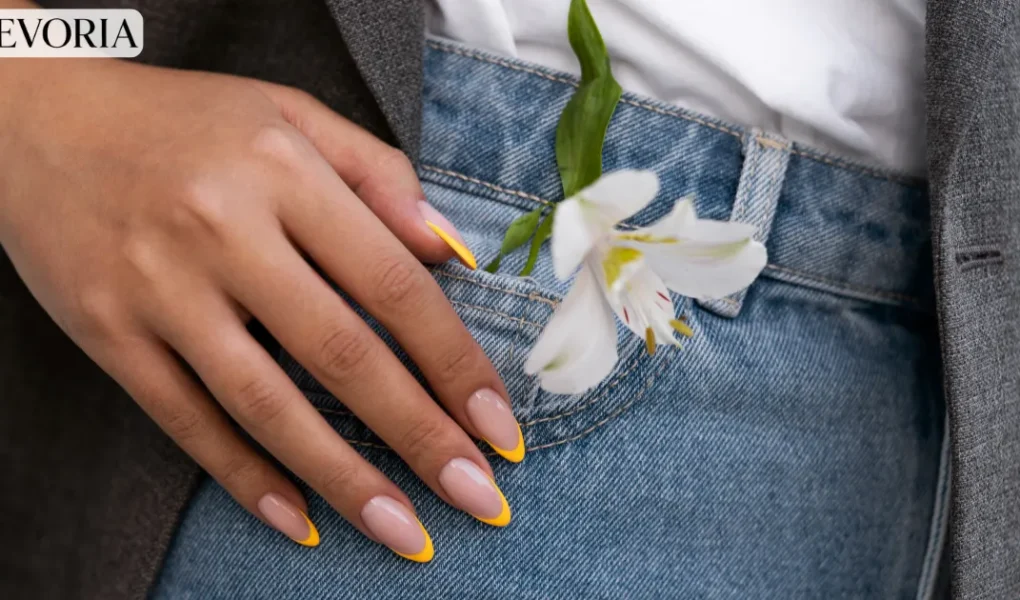
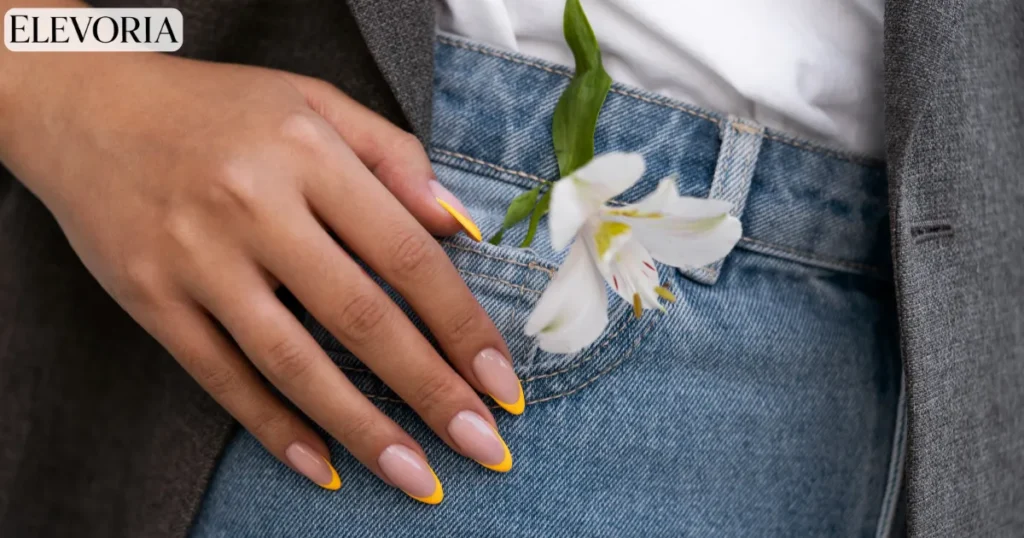
Almond nails are a nail shape featuring tapered sides that narrow toward a rounded, slightly pointed tip, resembling the shape of an almond. They sit between the more rounded, low-drama look of oval nails and the sharper, more dramatic look of stiletto nails, making them a popular middle-ground choice. Almond nails generally require a moderate to longer nail length to achieve the shape properly, since very short nails do not have enough length to taper effectively.
If you searched “almond nails,” you are most likely trying to understand what the shape actually looks like, whether it suits your hands, how to achieve or maintain it, or how it compares to other nail shapes. This guide covers all of that with clear, practical detail.
What are almond nails?
Almond nails get their name from their resemblance to the shape of an almond: narrow at the base near the cuticle, widening slightly through the middle, and then tapering into a rounded point at the tip. This creates an elongating effect on the finger, since the tapered shape draws the eye upward along the nail.
The shape works with both natural nails and extensions, though achieving a clean, symmetrical almond shape is generally easier and more durable with some added length, whether through nail growth or gel or acrylic extensions.
Almond nails compared to other nail shapes
| Shape | Description | How it compares to almond |
|---|---|---|
| Oval | Rounded on all sides, no distinct point | Softer, less elongating than almond, and generally more durable at the tip |
| Round | Follows the natural curve of the fingertip closely | The most low-maintenance shape, with minimal tapering compared to almond |
| Square | Straight sides with flat, squared-off tips | Sharp contrast to almond’s tapered, rounded point |
| Squoval | Square shape with softened, rounded corners | A more moderate shape than almond, without the pointed tip |
| Stiletto | Sharply tapered sides ending in a pronounced point | More dramatic and pointed than almond, with a longer, thinner appearance |
| Coffin (ballerina) | Tapered sides with a flat, squared-off tip instead of a point | Similar tapering to almond but ends in a flat edge rather than a rounded point |
Almond nails are often described as a balance between the softness of oval nails and the drama of stiletto nails, offering an elongated look without the sharper point or added fragility of a full stiletto shape.
Does the almond shape suit every hand?
Nail shape preference is largely subjective, but a few general observations are commonly noted by nail technicians:
- Shorter or wider fingers: the tapering, elongating effect of almond nails can help create the visual impression of longer, slimmer fingers
- Longer fingers: almond nails still work well, though some people with already elongated fingers may prefer a shorter almond length or a rounder shape to avoid an overly exaggerated look
- Active hands or manual work: almond nails, especially at a longer length, can be more prone to breakage at the tapered tip compared to rounder or squared shapes, which is worth considering for people who use their hands frequently for physical tasks
Ultimately, personal preference and lifestyle matter more than any strict rule about which hand shapes suit almond nails best.
How to get almond nails
On natural nails
- Allow nails to grow to a moderate length, generally at least a few millimeters past the fingertip, since very short nails limit how well the tapered shape can be achieved.
- File the sides of the nail inward, tapering gradually from the base toward the tip, rather than filing straight across.
- Round the very tip into a soft point rather than a sharp angle, avoiding the more extreme taper used for stiletto nails.
- File in one direction rather than back and forth, which helps prevent splitting or weakening the nail edge.
- Finish with a buffer to smooth the edges and reduce snagging.
With gel or acrylic extensions
A nail technician can sculpt or apply extensions in the almond shape directly, which is generally the more reliable method for achieving a symmetrical, longer-lasting almond shape, particularly for people whose natural nails are short, thin, or prone to breakage.
Almond nail length options
- Short to medium almond: a subtler version of the shape, generally more durable and practical for everyday activities
- Medium to long almond: the most classic and widely recognized almond nail length, offering a clear tapered silhouette
- Extra-long almond: a more dramatic option, usually achieved with extensions, offering maximum elongation but requiring more care to avoid breakage
Popular almond nail designs
- Classic nude or solid color: the tapered shape alone provides visual interest, so a solid neutral or classic red can look polished without additional detail
- French tips adapted to almond shape: the tip line is angled to follow the nail’s natural taper rather than a straight or squared line
- Ombre or gradient designs: blending colors works particularly well with the elongated almond shape, drawing the eye smoothly from base to tip
- Chrome or metallic finishes: these finishes tend to highlight the curved, tapered silhouette of almond nails effectively
- Minimalist line art or accent nails: simple designs on one or two nails, paired with a solid color on the rest, are a popular way to add detail without overwhelming the shape
Caring for almond nails
Because the tapered tip is narrower and often longer than shapes like square or round, almond nails require some specific care to reduce the risk of breakage.
- Keep nails moisturized, since dry, brittle nails are more prone to cracking at the narrower tip
- Avoid using nails as tools, such as opening cans or scratching off labels, which puts direct pressure on the more fragile tapered point
- File instead of clip when shaping or maintaining length, since clipping can create stress points that lead to cracking, particularly on a tapered shape
- Consider a slightly shorter almond length if you are prone to breakage or use your hands frequently for manual tasks
- Use a strengthening base coat, particularly for natural nails without extensions, to help support the shape against everyday wear
Common mistakes people make with almond nails
- Starting with nails that are too short. Attempting a full almond shape on very short nails often results in a shape that looks more rounded or squoval than a true almond, since there is not enough length to taper properly.
- Filing in the wrong direction. Back-and-forth filing motions can weaken and split the nail edge, particularly at the narrower point of an almond shape.
- Choosing too dramatic a taper for natural nails. A very sharp, extreme taper, closer to a stiletto shape, is more prone to breakage on natural nails without the added support of gel or acrylic extensions.
- Neglecting the tip during daily activities. The tapered point is the most fragile part of the shape, and everyday tasks that put pressure on it increase the risk of chipping or breaking.
- Skipping a base coat. Without added support from a strengthening base coat, natural almond nails are more vulnerable to bending or cracking at the tip.
Almond nails versus stiletto and coffin shapes
| Factor | Almond | Stiletto | Coffin |
|---|---|---|---|
| Tip shape | Rounded point | Sharp point | Flat, squared edge |
| Drama level | Moderate | High | Moderate to high |
| Durability | Moderate | Lower, more prone to breakage | Moderate, flat tip is less fragile than a point |
| Best suited for | Everyday wear with an elongated look | Statement or special-occasion looks | A modern alternative with a flatter tip |
Actionable recommendations
- Let your natural nails grow to at least a moderate length before attempting a full almond shape, or consider extensions if your natural nails are shorter or thinner.
- File in one direction, tapering gradually rather than shaping too aggressively in one pass.
- Choose a length that matches your lifestyle. Shorter almond shapes are more practical for frequent manual tasks, while longer versions suit those with less hands-on daily activity.
- Use a strengthening base coat and keep nails moisturized to reduce the risk of breakage at the tapered tip.
- If you are new to the shape, ask a nail technician for a moderate, rather than extreme, taper to start, and adjust the angle in future appointments based on your comfort and durability preferences.
Frequently asked questions
What is the difference between almond and oval nails? Almond nails have a more distinct tapering shape that narrows toward a point at the tip, while oval nails are rounded more evenly along the sides without the same pointed taper.
Do almond nails need to be long? A true almond shape generally requires at least a moderate length to achieve the tapered silhouette, since very short nails do not provide enough length to shape a clear taper.
Are almond nails hard to maintain? They require some specific care, particularly protecting the narrower tip from breakage, but they are not significantly harder to maintain than other shapes as long as you avoid using your nails as tools and keep them moisturized.
Do almond nails break easily? The tapered tip can be more prone to chipping or breakage compared to rounder or squared shapes, especially at longer lengths or on natural, unextended nails. Shorter almond lengths and a strengthening base coat can help reduce this risk.
Can I get almond nails with short natural nails? It is possible with careful filing, though the tapered effect will be more subtle than on longer nails. Gel or acrylic extensions are a common option for achieving a fuller, more classic almond shape if your natural nails are short.
What is the difference between almond and stiletto nails? Almond nails end in a rounded point, while stiletto nails come to a sharp, pronounced point. Stiletto nails are generally more dramatic and more prone to breakage than the softer almond shape.
How often do almond nails need to be filed or reshaped? This depends on your nail growth rate and whether you have extensions, but many people reshape or touch up their almond nails every two to three weeks to maintain a clean taper as the nails grow.
Do almond nails suit short fingers? Many nail technicians note that the tapering, elongating shape of almond nails can create the visual impression of longer, slimmer fingers, making it a popular choice for people with shorter or wider fingers, though personal preference matters most.
The bottom line
Almond nails offer a versatile middle ground between the softness of oval nails and the drama of stiletto nails, with a tapered shape that many people find elongating and flattering. Getting a clean, durable almond shape comes down to having enough nail length to taper properly, filing carefully in one direction, and protecting the narrower tip from everyday wear, whether you are working with natural nails or extensions.
Read More: French Tips: The Complete Guide to the Classic Nail Look


[…] Read More: Almond Nails: The Complete Guide to Shape, Length, and Care […]