
Quick answer
Microneedling, sometimes searched as “needle micro” or “micro needle,” is a skin treatment that uses a device covered in tiny needles to create controlled micro-injuries in the skin, which triggers the body’s natural collagen production as part of the healing process. It is done either at home with a derma roller or derma stamp, typically using needles between 0.2mm and 0.5mm, or in a professional setting with a dermatologist or licensed provider using longer needles, sometimes up to 2.5mm, for deeper concerns like acne scarring. Needle length is the single most important safety factor, since longer needles carry meaningfully higher risk and are not appropriate for home use.
If you searched “needle micro,” you are most likely trying to understand what microneedling actually is, whether an at-home device is safe to use, which needle length is right for your goal, or how the process compares to professional treatment. This guide covers all of that clearly, with a focus on safety, since this is a treatment that involves actually puncturing the skin.
What is microneedling?
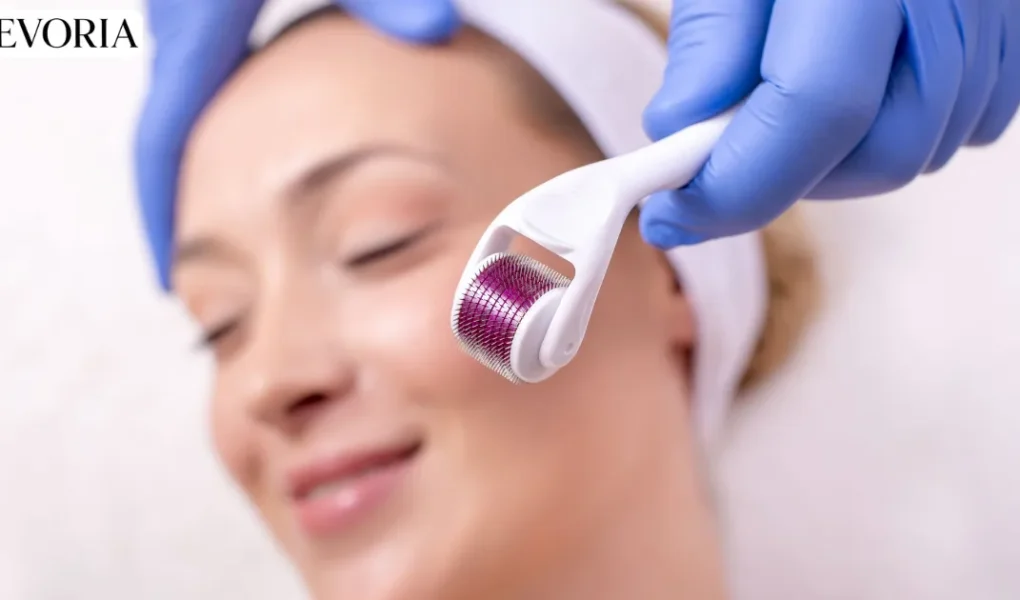
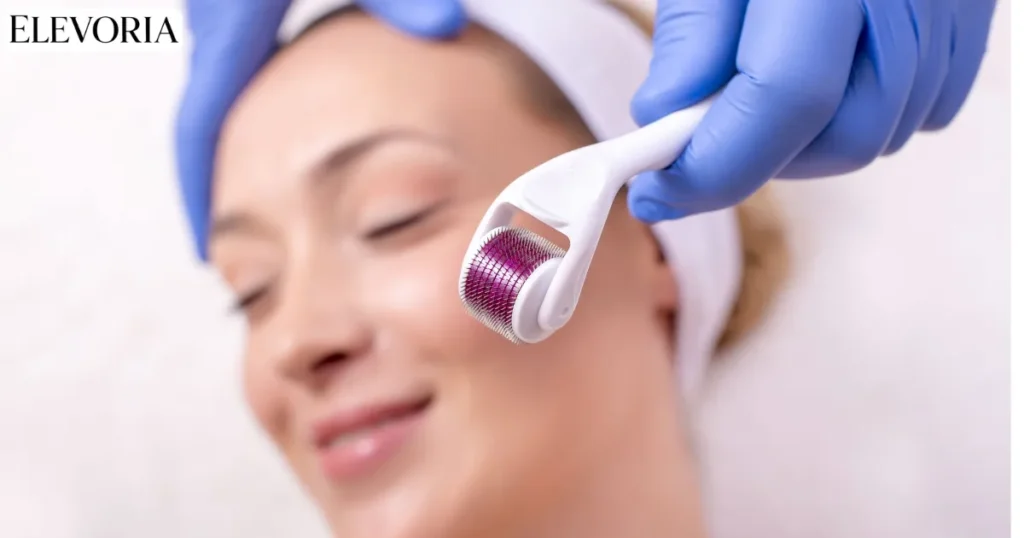
Microneedling, also called percutaneous collagen induction therapy, is a skin treatment that uses fine needles to create tiny, controlled punctures in the skin’s surface. These micro-injuries prompt the skin to begin a natural wound-healing response, which includes increased production of collagen and elastin, the proteins responsible for skin structure and elasticity.
The treatment can be performed with a few different tools:
- Derma roller: a handle with a rotating, drum-shaped head covered in needles, rolled across the skin
- Derma stamp: a flat-headed tool with needles that is pressed, or stamped, directly onto the skin rather than rolled
- Microneedling pen: an electric, pen-shaped device with a needle cartridge that moves up and down rapidly, generally used in professional settings and allowing more precise depth control
- Hydra needle or fine touch device: a stamp-style tool with very fine needles, sometimes used to help apply serums more directly into the skin’s upper layers
Why needle length is the most important factor
Needle length determines how deep the device penetrates the skin, and this single measurement is what separates a routine at-home skincare tool from a treatment that should only be performed by a trained professional.
| Needle length | Typical setting | Common use |
|---|---|---|
| 0.2mm to 0.3mm | At-home | Improving product absorption, mild texture concerns, general skin maintenance |
| 0.5mm | At-home, sometimes professional | Fine lines, mild scarring, general skin rejuvenation, hair and beard growth |
| 0.5mm to 1.0mm | Professional, occasionally at-home | Moderate texture and scarring concerns, deeper stimulation |
| 1.0mm to 1.5mm | Professional, best under guidance | More noticeable scarring, stretch marks, deeper collagen stimulation |
| 1.5mm to 2.5mm and beyond | Professional only | Significant acne scarring and more advanced skin resurfacing goals |
There is some variation across sources regarding the exact cutoff for safe at-home use, though the consistent theme is that shorter needles, generally in the 0.2mm to 0.5mm range, are considered the safer, more conservative option for home use, while longer needles carry meaningfully higher risk and are better handled by a licensed professional. If you are unsure which length is appropriate for your specific goal, checking with a dermatologist before starting is a reasonable step, particularly if you are considering anything longer than 0.5mm.
At-home microneedling versus professional microneedling
| Factor | At-home | Professional |
|---|---|---|
| Typical needle length | 0.2mm to 0.5mm | 0.5mm to 2.5mm or more, depending on the concern |
| Who performs it | You, at home | A dermatologist, nurse, or licensed aesthetician |
| Sterilization | Your responsibility, requires proper cleaning between uses | Single-use, sterile needle cartridges disposed of after each session |
| Best suited for | Mild texture concerns, product absorption, general maintenance | Deeper scarring, stretch marks, more significant skin concerns |
| Risk level | Lower with shorter needles and proper hygiene, but still real | Managed by a trained provider, though still carries some risk |
| Cost | Lower upfront cost for the device, ongoing at-home use | Higher per session, often requiring multiple sessions |
Who should avoid microneedling
Certain skin conditions and situations significantly increase the risk of complications from microneedling, whether performed at home or professionally.
- Active acne breakouts, since rolling over active blemishes can spread bacteria and worsen inflammation
- Eczema, psoriasis, or rosacea flare-ups, since microneedling can aggravate these conditions
- Broken, irritated, or sunburned skin
- Active skin infections, including cold sores or active viral, bacterial, or fungal skin conditions
- Recent cosmetic procedures, such as chemical peels or laser treatments, without appropriate healing time in between
- Keloid-prone skin, since the wound-healing response involved in microneedling can trigger raised scarring in people prone to keloids
- Pregnancy, where checking with a healthcare provider before starting or continuing microneedling is a reasonable precaution, since safety data specific to pregnancy is limited
If you have any of these conditions or concerns, speaking with a dermatologist before attempting microneedling, at any needle length, is the safer approach.
How to use an at-home derma roller safely
- Start with clean skin and clean hands. Wash your face thoroughly to remove makeup, oil, and debris before beginning.
- Sterilize the device before and after each use. Soaking the roller or stamp head in isopropyl alcohol, generally around 70 percent concentration, for several minutes before and after use helps reduce infection risk.
- Choose an appropriately short needle length, generally in the 0.2mm to 0.5mm range for home use, and avoid longer needles without professional guidance.
- Apply light, even pressure. More pressure does not improve results and increases the risk of tearing or damaging the skin.
- Roll or stamp in a consistent pattern, generally moving in vertical, horizontal, and diagonal directions across each area a few times, without repeatedly going over the same spot excessively.
- Apply a suitable post-treatment product. A gentle, fragrance-free hyaluronic acid serum is a commonly recommended choice immediately after treatment, since the skin’s absorption is temporarily increased.
- Avoid active ingredients for 24 to 48 hours after treatment, including vitamin C, retinol, alcohol-based toners, and exfoliating acids, since freshly treated skin is more sensitive and prone to irritation from these ingredients.
- Apply sunscreen the next day and beyond, since needled skin is more vulnerable to UV damage and post-inflammatory pigmentation changes in the days following treatment.
- Replace the device regularly. Needle tips degrade with repeated use, and dull or bent needles are more likely to tear rather than cleanly puncture the skin, increasing irritation and infection risk.
How often should you microneedle?
Frequency depends on needle length and your skin’s response. Shorter needles used for general maintenance are sometimes used more frequently, such as once or twice a week, while longer needles require more recovery time between sessions, often several weeks, to allow the skin to fully heal. Professional treatments with longer needles are typically spaced four to six weeks apart or more, depending on the provider’s specific protocol and your skin’s healing response.
Overdoing microneedling, regardless of needle length, does not speed up results and increases the risk of irritation, so following a conservative, consistent schedule tends to produce better results than frequent, aggressive use.
Common mistakes people make with microneedling
- Choosing too long a needle for home use. Longer needles are not simply “more effective” versions of shorter ones. They carry meaningfully higher risk and are intended for professional settings with proper training and sterile, single-use equipment.
- Skipping sterilization. Failing to properly clean the device before and after use significantly increases the risk of infection, since microneedling creates actual openings in the skin barrier.
- Using excessive pressure. Pressing too hard does not improve results and increases the likelihood of skin damage, tearing, or excessive redness.
- Applying the wrong products immediately afterward. Using active ingredients like vitamin C or retinol right after treatment, when the skin is more permeable, can cause significant irritation rather than added benefit.
- Microneedling over active breakouts or irritated skin. This is one of the most common and most easily avoidable mistakes, since it directly increases the risk of spreading bacteria and worsening inflammation.
- Continuing to use a worn or dull device. Needles degrade with repeated use, and continuing to use a device past its intended lifespan increases the risk of tearing the skin instead of creating clean, controlled punctures.
- Expecting immediate results. Collagen production is a gradual biological process, and visible improvements from microneedling generally take weeks to months of consistent, properly spaced treatment to become noticeable.
Actionable recommendations
- Choose a needle length appropriate for home use, generally in the 0.2mm to 0.5mm range, and consult a dermatologist before using anything longer.
- Sterilize your device thoroughly before and after every use, and replace it once needles show signs of wear.
- Apply only gentle, non-active products immediately after treatment, and avoid vitamin C, retinol, and exfoliating acids for at least 24 to 48 hours.
- Wear sunscreen consistently in the days following treatment, since needled skin is more vulnerable to UV damage.
- Avoid microneedling entirely if you have active acne, active skin infections, or a flare-up of a condition like eczema, psoriasis, or rosacea.
- If you are considering deeper treatment for significant scarring or stretch marks, consult a licensed dermatologist or provider rather than attempting it with a longer needle at home.
- Be patient. Collagen remodeling takes time, and consistent, properly spaced treatment matters more than frequent or aggressive use.
Frequently asked questions
What does microneedling do? Microneedling creates controlled micro-injuries in the skin using fine needles, which triggers the skin’s natural healing response and increases collagen and elastin production over time.
What needle length is safe for home use? Most sources generally consider needle lengths between 0.2mm and 0.5mm appropriate for home use, while longer needles are better handled by a trained professional due to increased risk.
Does microneedling hurt? At shorter needle lengths typically used at home, most people describe a mild tingling or light scratching sensation rather than significant pain. Professional treatments with longer needles may involve more discomfort and sometimes use topical numbing.
How often should I microneedle at home? This depends on needle length and your skin’s response, but shorter needles used for general maintenance are sometimes used once or twice a week, while allowing adequate recovery time between sessions is important regardless of length.
Can microneedling help with acne scars? Deeper professional microneedling treatments are commonly used for acne scarring, generally requiring longer needle lengths and multiple sessions performed by a trained provider rather than an at-home device.
Is microneedling safe during pregnancy? Safety data specific to pregnancy is limited, so checking with a healthcare provider before starting or continuing microneedling during pregnancy is a reasonable precaution.
How do I clean a derma roller? Soaking the needle head in isopropyl alcohol, generally around 70 percent concentration, for several minutes before and after each use is a commonly recommended sterilization method to reduce infection risk.
What should I avoid after microneedling? Avoid active ingredients like vitamin C, retinol, alcohol-based toners, and exfoliating acids for at least 24 to 48 hours after treatment, since freshly needled skin is more sensitive and permeable.
Who should not use a derma roller? People with active acne, active skin infections, eczema, psoriasis or rosacea flare-ups, broken or sunburned skin, or keloid-prone skin should avoid microneedling, and pregnant individuals should check with a healthcare provider first.
The bottom line
Microneedling, whether searched as “needle micro,” “micro needle,” or “derma roller,” is a legitimate skin treatment with real benefits, but it is not a risk-free skincare step, since it actually punctures the skin’s surface. Needle length is the most important factor separating a reasonable at-home maintenance tool from a treatment better suited to a professional setting, and proper sterilization, appropriate aftercare, and avoiding use on compromised skin are what keep the process safe.
This article is for general informational purposes and is not a substitute for professional medical advice. If you have an active skin condition, are pregnant, or are considering microneedling for a significant scarring or skin concern, consult a dermatologist before beginning treatment.
Read More: Glycolic Acid: What It Does, How to Use It, and Common Mistakes to Avoid



[…] Read More: Microneedling (Micro Needle) Guide: What It Is, Needle Sizes, and How to Use It Safely […]