
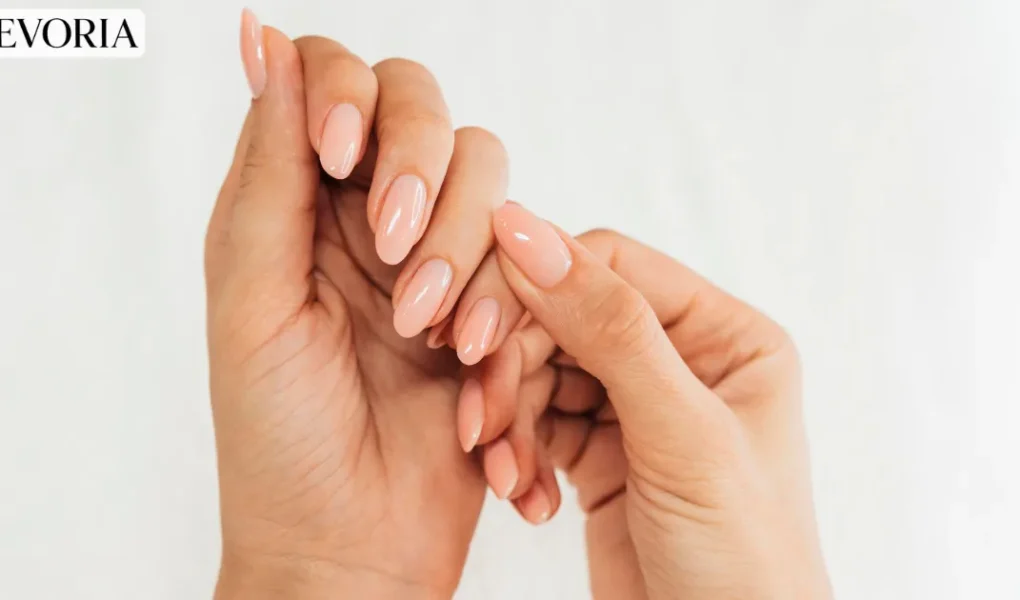
Nude Nails: How to Find Your Perfect Shade and Style It Right
Quick answer
Nude nails refer to a category of polish shades designed to closely match or complement natural skin tone, rather than a single specific color. Because skin tone varies enormously, the “right” nude for one person can look chalky, ashy, or mismatched on someone else, making shade-matching the single most important factor in choosing a nude polish, more so than with almost any other nail color category. Finding your ideal nude comes down to identifying your skin’s undertone and testing shades against your actual nail bed rather than relying on a bottle’s color alone.
If you searched “nude nails,” you are most likely trying to find the right nude shade for your specific skin tone, understand why some nude polishes look better than others on you, or get styling and design ideas that work well with this color family. This guide covers all of that, with particular attention to the shade-matching issue that most general nude nail content oversimplifies.
Why “nude” is not one single color
This is the most important thing to understand before shopping for nude polish. Unlike a color like red or blue, which stays relatively consistent regardless of who wears it, “nude” is defined by its relationship to skin tone, meaning the actual best shade varies dramatically from person to person.
A nude that looks perfectly natural and skin-matching on someone with fair, cool-toned skin can look chalky or washed out on deeper skin, while a rich, deep nude designed for deeper skin tones can look muddy or overly dark against very fair skin. This is why buying “a nude polish” without considering your own skin tone and undertone is one of the most common reasons people end up disappointed with a nude manicure.
Finding your undertone first
Before choosing a specific nude shade, identifying your skin’s undertone gives you a genuinely useful starting point.
- Warm undertone: skin has golden, peachy, or yellow undertones; veins on the inner wrist often appear more greenish
- Cool undertone: skin has pink, red, or bluish undertones; veins on the inner wrist often appear more blue or purple
- Neutral undertone: a mix of both warm and cool qualities, with veins that appear somewhere between blue and green
This is a general guide rather than a precise science, but it provides a useful starting point for narrowing down which nude family, pink-based, beige-based, or caramel-based, is more likely to look natural against your specific skin.
Nude shade families and who they tend to suit
| Nude family | Description | Tends to suit |
|---|---|---|
| Pink-beige | Soft, slightly pink-toned nude | Fair to medium skin with cool or neutral undertones |
| Warm beige or camel | Golden, warm-toned nude | Fair to medium skin with warm undertones |
| Caramel or tan | Deeper, warmer nude | Medium to deep skin tones |
| Cocoa or espresso nude | Rich, deep brown-based nude | Deep skin tones |
| Mauve-nude | Nude with a slightly gray-purple undertone | Cool undertones across a range of skin depths |
| Peach-nude | Warm, soft peachy nude | Warm undertones, particularly lighter to medium skin |
These are general tendencies rather than strict rules. Personal preference plays a real role, and some people intentionally choose a nude that contrasts slightly with their skin rather than matching it exactly, which is a valid stylistic choice rather than a mistake.
How to test a nude shade before committing
- Test in natural light, since indoor lighting, particularly warm-toned indoor lighting, can significantly distort how a nude shade actually looks against your skin.
- Apply a small swatch directly to your nail, rather than judging only from the bottle’s cap color, since the cap color does not always accurately reflect the dried polish shade.
- Compare against your nail bed specifically, not just your hand’s skin tone. Nail beds can have a slightly different tone than the surrounding skin, which affects how a nude polish ultimately reads once applied.
- Look at the dried, fully opaque result, not just the first coat, since many nude polishes shift slightly in appearance once fully built up to two coats.
- Try a few shades side by side if possible, since subtle differences between similar nude shades are often much easier to identify in direct comparison than when evaluating a single bottle in isolation.
Nude nails by finish
- Glossy or crème finish: the most classic nude nail look, offering a clean, polished appearance that works well for both everyday wear and more formal settings
- Matte finish: creates a more modern, subdued take on nude nails, often reading as slightly more fashion-forward than a glossy finish
- Sheer or jelly finish: a lighter-coverage version that lets some natural nail show through, offering a soft, barely-there look
- Shimmer or metallic finish: adds subtle dimension to a nude shade without moving into a fully bold or statement color
Nude nail designs and styling ideas
Classic solid nude
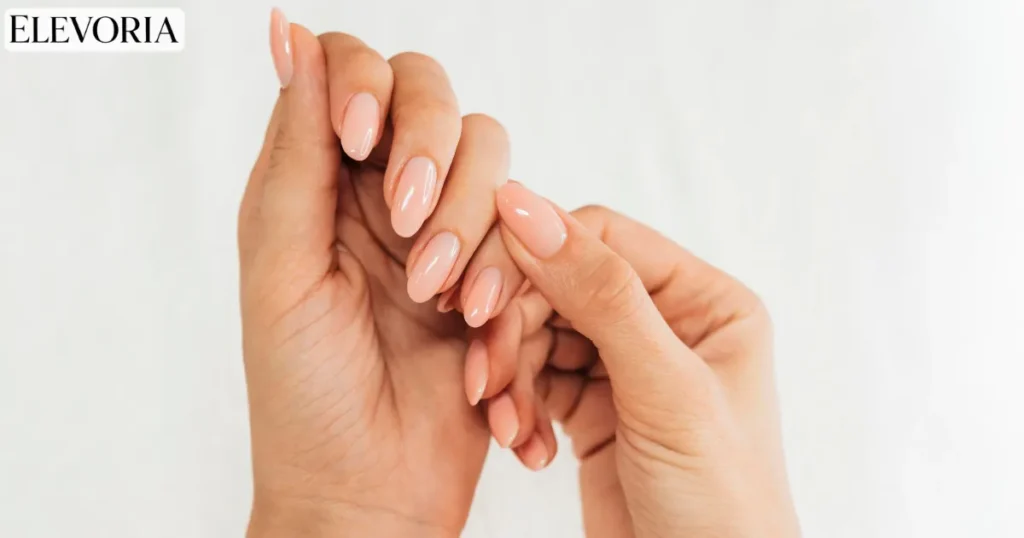
A single, well-applied coat of nude polish remains one of the most versatile and universally appropriate nail looks, working across casual, professional, and formal settings.
Nude French tips
Replacing the traditional white tip with a slightly deeper nude or a soft, minimal tip color creates a more subtle, modern take on the classic French manicure.
Nude with a single accent nail
Pairing an otherwise all-nude manicure with one nail in a bolder color, texture, or design adds visual interest without moving away from the overall understated look.
Nude with negative space
Combining bare nail with painted nude sections creates a minimal, textural design that works particularly well given how closely nude polish already resembles the natural nail.
Ombre nude
Blending two closely related nude shades, or a nude fading into a clear or sheer base, offers subtle dimension while staying within the same understated color family.
Common mistakes people make with nude nails
- Choosing a shade based on the bottle color alone. The color shown on a polish bottle’s cap or in a product photo does not always accurately reflect how the shade looks once applied and dried on the nail.
- Not considering undertone at all. This is the single most common reason a nude polish ends up looking chalky, ashy, or mismatched rather than natural.
- Applying too thin a coat. Many nude polishes, particularly lighter or pink-based shades, can show streaking with a single thin coat, making a proper two-coat application important for an even, opaque finish.
- Assuming one nude shade works for every skin tone. Nude is a category, not a single color, and treating it as one universal shade is a common and easily avoidable mistake.
- Testing polish only under artificial indoor lighting. Lighting can significantly distort how a nude shade actually looks, making a natural-light check an important step before fully committing to a shade.
- Ignoring the difference between nail bed tone and hand skin tone. These can differ slightly, and testing polish specifically against the nail itself gives a more accurate result than judging based on the surrounding skin.
Actionable recommendations
- Identify your skin’s general undertone (warm, cool, or neutral) before shopping for a nude polish, using it as a starting point rather than a strict rule.
- Test any new nude shade in natural light, applying it directly to the nail rather than judging from the bottle alone.
- Apply two coats for full opacity and evenness, particularly with lighter or pink-based nude shades prone to streaking.
- Consider finish (glossy, matte, sheer, or shimmer) alongside shade, since the same color family can look notably different depending on finish.
- Build a small collection of two or three nude shades across slightly different undertones, since skin tone can shift somewhat with seasonal sun exposure, affecting which nude looks most natural at different times of year.
Frequently asked questions
How do I find the right nude nail polish for my skin tone? Start by identifying your general undertone (warm, cool, or neutral), then test specific shades directly against your nail bed in natural light, rather than relying on the polish bottle’s color alone.
Why does my nude nail polish look chalky? This is usually a sign of an undertone mismatch, where the polish’s undertone conflicts with your skin’s natural undertone, making the color read as flat or ashy rather than natural.
What nude shade works for deep skin tones? Caramel, cocoa, and other richer, deeper nude shades generally suit deeper skin tones better than very pale pink-beige nudes, which can look washed out or mismatched.
Is there one universal “nude” nail color? No. Nude is a broad color category defined by its relationship to skin tone, meaning the ideal shade varies significantly from person to person rather than being one single, universal color.
What finish is best for nude nails? This depends on personal preference. Glossy finishes offer a classic, polished look, while matte finishes read as more modern, and sheer or jelly finishes offer a softer, more subtle result.
Can I wear a nude that doesn’t match my exact skin tone? Yes, some people intentionally choose a nude that contrasts slightly with their skin as a stylistic choice, though matching your undertone generally produces the most natural-looking, universally flattering result if that is your goal.
How many coats of nude polish do I need? Most nude polishes require two coats for full, even opacity, since a single thin coat can appear streaky, particularly with lighter or pink-based shades.
Do nude nails work for professional settings? Yes, a classic solid nude in a glossy or crème finish is widely considered one of the most professional and universally appropriate nail looks across a range of workplace settings.
The bottom line
Nude nails are one of the most versatile nail color categories precisely because they are meant to complement your natural skin tone, but this same quality is exactly why shade-matching matters more here than with almost any other nail color choice. Identifying your undertone, testing shades directly against your nail bed in natural light, and building a small rotation of well-matched nudes across different undertone families will serve you far better than assuming any single “nude” polish will look equally natural on everyone.

[…] Read More: Nude Nails: How to Find Your Perfect Shade […]