Eyelash Extensions: A Complete Guide to Types, Process, and Aftercare
Quick answer
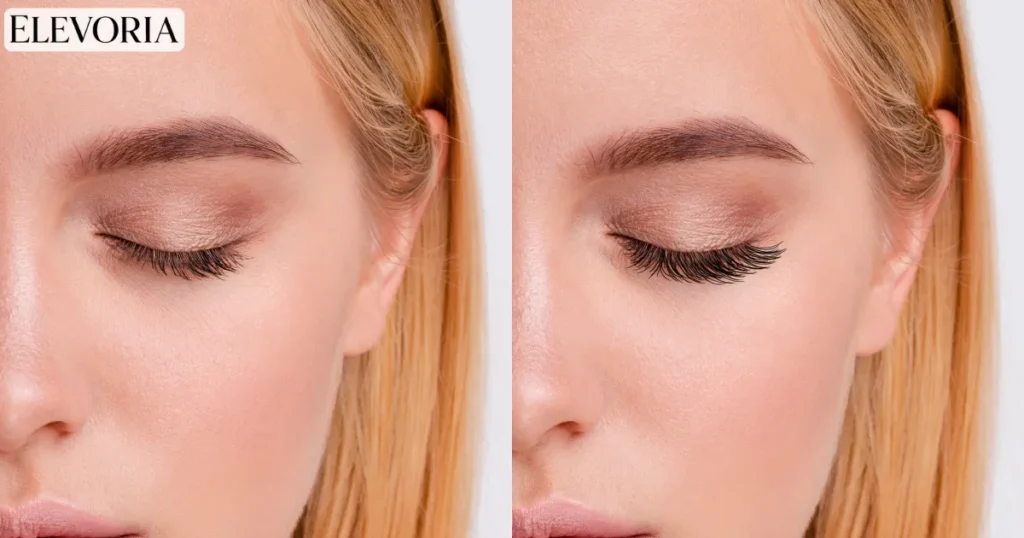
Eyelash extensions are individual synthetic, silk, or mink-style fibers applied one at a time to your natural eyelashes using a semi-permanent adhesive, adding length, curl, and volume that lasts for weeks rather than a single day. Unlike strip lashes, which are applied and removed daily, extensions stay in place continuously, following your natural lash growth and shedding cycle, which means they generally need to be refilled every two to four weeks as natural lashes fall out and grow back in. Choosing the right style, from classic to volume, and understanding proper aftercare are what most reliably determine whether extensions look good and stay healthy over time.
If you searched “eyelash extensions,” you are most likely trying to understand what the process actually involves, which style is right for your eyes and lifestyle, how to care for them properly, or what risks to be aware of before booking an appointment. This guide covers all of that in depth.
What are eyelash extensions?
Eyelash extensions are individual fibers, made from synthetic materials, silk-like fibers, or fibers marketed as mink-style (though genuine fur is rare in modern lash products, with most “mink” extensions actually being a synthetic fiber designed to mimic a softer texture), applied directly to individual natural lashes using a specialized semi-permanent adhesive. A trained lash technician applies each extension by hand, carefully avoiding contact with the eyelid or skin, building a full set one lash at a time.
This individual application is what distinguishes extensions from strip lashes or clusters, and it is also why a full set generally takes one and a half to two and a half hours to complete, depending on the density and style chosen.
Types of eyelash extensions
Classic extensions
A single synthetic lash applied to each individual natural lash, offering the most natural-looking enhancement among the common extension styles, generally adding length and some curl without dramatically increasing overall volume.
Volume extensions
Multiple very fine, lightweight lashes fanned out and applied to a single natural lash, creating significantly more fullness and a more dramatic look than classic extensions, since more fiber is added per natural lash.
Hybrid extensions
A mix of classic and volume techniques applied across the same set, offering a middle ground in texture and fullness between a fully natural classic look and a more dramatic full volume set.
Mega volume extensions
An even greater number of ultra-fine lashes applied per natural lash than standard volume sets, producing maximum fullness and drama, generally requiring a skilled, experienced technician to apply without adding excessive weight to natural lashes.
Comparing extension styles
| Style | Fullness level | Best suited for |
|---|---|---|
| Classic | Natural, subtle enhancement | Those wanting length and a bit of curl without a dramatic change |
| Hybrid | Moderate fullness with texture | A balance between natural and dramatic |
| Volume | Full, noticeably fuller lash line | Those wanting fullness without heavy mascara-like clumping |
| Mega volume | Maximum fullness and drama | Special occasions or those specifically wanting a bold, dramatic look |
The eyelash extension application process
- Consultation. Your technician discusses your desired style, length, and curl, along with reviewing any allergies or sensitivities you may have.
- Preparation. Your natural lashes are cleansed thoroughly, and your lower lashes are taped or covered to protect them during the application process.
- Isolation and application. The technician isolates one natural lash at a time using tweezers, applying a small amount of adhesive to an extension before carefully placing it on the isolated natural lash, avoiding contact with the eyelid.
- Repetition across the full lash line. This isolate-and-apply process is repeated for each lash, which is why a full set takes a significant amount of time to complete properly.
- Final check. The technician reviews the full set for even placement, checking that no lashes have been improperly bonded together, which can cause discomfort or uneven shedding later.
How long do eyelash extensions last?
Individual extensions last as long as the natural lash they are attached to, since they fall out along with that lash during its normal growth and shedding cycle. Because lashes are constantly shedding and regrowing at different times across your lash line, most people need fill appointments every two to four weeks to replace extensions that have fallen out, maintaining a full, even appearance over time.
Eyelash extension aftercare
Proper aftercare significantly affects both how long your extensions last and how healthy your natural lashes remain underneath them.
- Avoid water, steam, and sweating on your lashes for the first 24 to 48 hours, since moisture during this window can affect how well the adhesive initially sets
- Avoid oil-based makeup removers, cleansers, and skincare products near the eyes, since oil breaks down the adhesive bond and shortens how long extensions last
- Brush lashes gently with a clean spoolie brush daily, keeping them separated and preventing tangling
- Avoid rubbing your eyes or sleeping face-down on your lashes, since pressure and friction can cause premature loss or misdirection of the extensions
- Do not attempt to remove extensions yourself, whether by pulling, picking, or using an at-home remover not intended for professional use, since this can damage the natural lash underneath
- Schedule fills every two to four weeks, rather than waiting until the set looks visibly sparse, to maintain a consistently full appearance
Risks and who should be cautious
- Allergic reaction to the adhesive, which typically contains cyanoacrylate, a common ingredient in lash bonding products; a patch test is generally recommended before a first full appointment, particularly for those with sensitive skin or known allergies
- Eye irritation or infection, which is more likely with improper application technique or inadequate hygiene practices at the salon
- Natural lash damage, which can result from extensions applied too heavy for the natural lash to support, improper removal, or overly frequent fills without adequate recovery time
- Traction alopecia of the lash line, a less commonly discussed but real risk when extensions place excessive, prolonged tension on natural lash follicles, particularly with very heavy volume or mega volume sets applied to naturally fine or sparse lashes
People with active eye infections, significant eye irritation, or known allergies to lash adhesive ingredients should avoid extensions until these issues are resolved or should discuss safer alternatives with a healthcare provider or licensed lash technician.
How to choose a lash technician
- Check licensing and certification requirements for your specific location, since regulations for lash technicians vary by region.
- Review portfolio photos closely, looking for even, well-isolated application rather than clumped or overly heavy-looking sets.
- Ask about the specific adhesive and lash materials used, particularly if you have known sensitivities or allergies.
- Confirm hygiene practices, including whether tools are properly sanitized between clients and whether single-use items are actually single-use.
- Start with a lighter style, like classic, for a first-time appointment if you are unsure how your natural lashes and eyes will respond, before committing to a heavier volume style on a first visit.
Eyelash extensions versus other lash enhancement options
| Option | How it works | Typical duration | Best suited for |
|---|---|---|---|
| Eyelash extensions | Individual fibers bonded to natural lashes | 2 to 4 weeks per fill | Significant length and volume enhancement |
| Lash lift | Chemically curls natural lashes from the root | 6 to 8 weeks | Enhancing natural lashes without added length or volume |
| Strip lashes | Temporary false lash strip applied daily | Single day wear | Occasional or special event use |
| Lash serum | Topical product intended to support lash growth over time | Ongoing daily use required | Longer-term natural lash growth support rather than immediate enhancement |
Common mistakes people make with eyelash extensions
- Choosing a style that is too heavy for their natural lash health. A very full volume or mega volume set applied to naturally fine, sparse lashes increases the risk of damage and premature lash loss.
- Using oil-based skincare or makeup remover near the eyes. This is one of the most common causes of extensions falling out earlier than expected.
- Skipping fill appointments and waiting too long between them. This can lead to a noticeably uneven, sparse appearance as more natural lashes shed without replacement.
- Attempting to remove extensions at home. This frequently causes more damage to natural lashes than a proper, professional removal process.
- Not disclosing allergies or sensitivities before a first appointment. Skipping this conversation, or a patch test if recommended, increases the risk of an uncomfortable allergic reaction during a full application.
- Choosing a technician based on price alone. Application skill directly affects both the look of the final result and the long-term health of your natural lashes.
Actionable recommendations
- Start with a classic or hybrid style for your first set if you are new to extensions, reserving heavier volume styles for once you understand how your lashes and eyes respond.
- Do a patch test before your first full appointment if you have sensitive skin or a history of allergic reactions.
- Follow the 24 to 48 hour aftercare window strictly, avoiding water, steam, and oil-based products near your eyes.
- Schedule fills every two to four weeks rather than waiting until your set looks visibly sparse.
- Choose a licensed, experienced technician and ask directly about the adhesive and materials used, particularly if you have known sensitivities.
- Never attempt to remove extensions yourself. Have them professionally removed if you want to discontinue the service.
Frequently asked questions
How long do eyelash extensions last? Individual extensions last as long as the natural lash they are attached to, generally requiring fill appointments every two to four weeks to maintain fullness as natural lashes shed.
Do eyelash extensions damage your natural lashes? When applied correctly by a skilled technician and maintained with proper aftercare, extensions are generally considered low-risk for lash damage. Overly heavy styles, improper removal, or excessively frequent fills without recovery time increase this risk.
What is the difference between classic and volume eyelash extensions? Classic extensions apply a single synthetic lash to each natural lash for a more natural look, while volume extensions apply multiple fine lashes fanned onto a single natural lash for significantly more fullness and drama.
How often do I need to get eyelash extension fills? Most people need fills every two to four weeks, since natural lashes continuously shed and regrow, taking attached extensions with them.
Can I wear mascara with eyelash extensions? Generally, oil-based mascaras should be avoided, since oil breaks down the adhesive bond. If mascara is desired, a specifically formulated extension-safe mascara is a safer option, though many people find extensions provide enough definition without needing additional mascara.
Are eyelash extensions safe? They are generally considered safe when applied by a licensed, experienced technician using quality products and proper hygiene practices, though risks like allergic reaction, irritation, or natural lash damage exist, particularly with improper application or aftercare.
How do I remove eyelash extensions safely? Professional removal by a trained technician is the safest method. Attempting to remove extensions yourself by pulling or picking can damage the natural lashes underneath.
What should I avoid after getting eyelash extensions? Avoid water, steam, and sweating for the first 24 to 48 hours, avoid oil-based products near the eyes going forward, and avoid rubbing your eyes or sleeping face-down on your lashes.
The bottom line
Eyelash extensions offer a significant, longer-lasting enhancement compared to strip lashes or lash lifts, but getting a good result depends heavily on choosing a style appropriate for your natural lash health, working with a skilled and licensed technician, and following aftercare guidelines closely, particularly avoiding oil-based products and water exposure in the first 24 to 48 hours. Understanding the real maintenance commitment, regular fills every two to four weeks, and treating your natural lashes as something to protect rather than an afterthought are what separate a set of extensions that looks great and stays healthy from one that causes frustration or damage.