
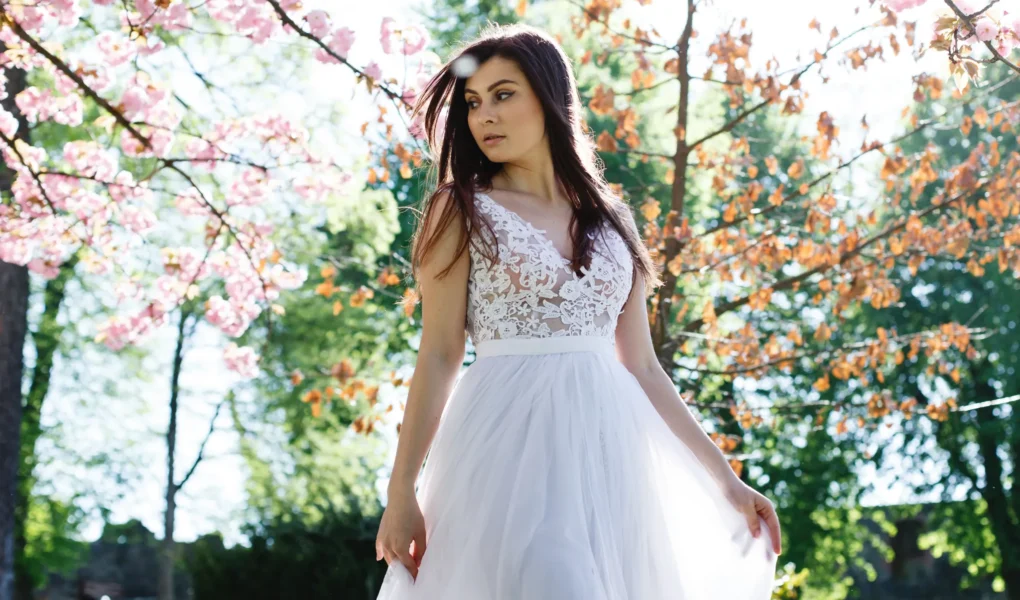
Simple Wedding Dresses: A Complete Guide to Minimalist Bridal Style
Quick answer
A simple wedding dress prioritizes clean lines, minimal embellishment, and quality fabric over heavy beading, lace, or elaborate detailing, letting silhouette and fabric quality carry the design rather than surface decoration. This style has grown consistently popular because it tends to be more versatile across venues, more comfortable to wear for a full day, and often more affordable than heavily embellished gowns, while still photographing beautifully and suiting a wide range of wedding styles from courthouse ceremonies to formal black-tie events.
If you searched “simple wedding dresses,” you are most likely trying to find a minimalist gown that still feels special, trying to avoid an overly elaborate or costly dress, or trying to understand what “simple” actually means across different silhouettes and price points. This guide covers all of that with practical, specific guidance.
What makes a wedding dress “simple”?
A simple wedding dress is defined more by what it leaves out than by any single silhouette. Common characteristics include:
- Minimal or no beading, sequins, or heavy embellishment
- Clean necklines, such as a bateau, straight across, or simple V-neck rather than elaborate illusion necklines
- Solid, unembellished fabric in silk, crepe, satin, or a similar quality material, rather than heavily layered lace or tulle
- Minimal or no train, or a shorter, simpler train than a full cathedral length
- Focus on fit and drape rather than surface decoration
This does not mean “simple” equals “plain” or “boring.” Many simple wedding dresses rely on exceptional fabric quality and precise tailoring to create an elegant, elevated look without embellishment.
Popular simple wedding dress silhouettes
Slip dress
A minimalist, bias-cut silhouette in silk or silk-like fabric, closely following the body’s natural shape with thin straps and little to no additional detailing. This has become one of the most popular simple wedding dress styles in recent years.
Column or sheath dress
A straight, fitted silhouette from top to bottom, offering a sleek, modern look that relies heavily on fabric quality and precise fit rather than volume or embellishment.
Simple A-line dress
A fitted bodice flowing into a clean, unembellished fcrepe skirt, offering a classic bridal shape without heavy detailing.
Minimalist ballgown
A fuller skirt silhouette made from solid, unembellished fabric, offering the traditional bridal volume without the beading or lace typically associated with more elaborate ballgowns.
Two-piece bridal set
A separate top and skirt, often in simple, clean designs, offering a modern alternative to a traditional one-piece gown while still keeping the overall look minimal.
Comparing simple wedding dress silhouettes
| Silhouette | General feel | Best suited for |
|---|---|---|
| Slip dress | Relaxed, modern, body-skimming | Beach, garden, or intimate ceremonies |
| Column or sheath | Sleek, streamlined | Modern venues, smaller guest counts |
| Simple A-line | Classic, versatile | A wide range of venue types |
| Minimalist ballgown | Traditional volume, understated detail | Formal venues wanting classic shape without heavy ornamentation |
| Two-piece set | Modern, versatile | Non-traditional ceremonies, receptions requiring a look change |
Why simple wedding dresses have become so popular
Several practical factors contribute to the sustained popularity of minimalist bridal style beyond aesthetic preference alone.
- Comfort for a full day of wearing. Heavily beaded or boned gowns can be physically demanding to wear for many hours, while simpler dresses in quality, flexible fabric are generally easier to move and sit in throughout a long wedding day.
- Versatility across venues. A simple dress can suit a courthouse ceremony, a beach wedding, or a formal reception with different styling and accessories, while a heavily embellished gown is generally tied to a more specific formality level.
- Often more budget-friendly. Less embellishment generally means lower production cost, though this is not a universal rule, since exceptional fabric quality in a simple design can still carry a significant price tag.
- Photographs well across a range of lighting and settings, since clean lines and fabric drape tend to read clearly in photos without competing with heavy embellishment.
How to choose a simple wedding dress
- Prioritize fabric quality over decoration. Since a simple dress relies on fabric and fit rather than embellishment, investing in a higher-quality silk, crepe, or satin generally makes a bigger visible difference than it would on a heavily detailed gown.
- Consider your venue and ceremony style. A slip dress suits a relaxed beach or garden wedding, while a minimalist ballgown or column dress may better suit a more formal venue.
- Try multiple necklines and silhouettes, since a simple design puts more visual focus on fit and shape, making the right cut for your body particularly important.
- Think about accessories as part of the overall look. Since the dress itself is minimal, jewelry, a veil, or a statement hair accessory can add personality without complicating the dress itself.
- Ask about fabric composition specifically when shopping, since terms like “silk,” “satin,” and “crepe” can refer to a wide range of actual fiber content and quality, affecting both feel and price.
Simple wedding dresses by wedding style
Courthouse or elopement
A slip dress, simple midi dress, or minimalist sheath silhouette generally suits the lower-key, often shorter nature of a courthouse ceremony.
Beach or destination wedding
Lightweight fabrics like cotton, linen blends, or flowing crepe in a relaxed silhouette suit warm-weather, outdoor settings practically as well as aesthetically.
Garden or outdoor ceremony
A simple A-line or slip dress in a breathable fabric works well, often paired with minimal, natural-feeling accessories.
Formal or black-tie wedding
A minimalist ballgown or column dress in a rich fabric like silk mikado or crepe can meet a formal dress code while still keeping the design uncomplicated.
Common mistakes people make when choosing a simple wedding dress
- Assuming “simple” always means “cheaper.” While less embellishment can lower cost, exceptional fabric quality in a minimalist design can be just as expensive as a more elaborate gown, sometimes more so.
- Underestimating the importance of fit. Since a simple dress has less embellishment to distract from fit issues, proper tailoring matters even more than with a heavily detailed gown.
- Choosing fabric based on look alone without considering feel and season. A heavier fabric in a summer outdoor wedding, or a very lightweight fabric in a cold-weather ceremony, can create a mismatch between the dress and actual conditions.
- Skipping alterations because the dress “looks simple.” Minimalist silhouettes still require precise tailoring, and skipping proper alterations can leave a simple dress looking unfinished rather than intentionally understated.
- Not considering undergarments and structure. Some simple silhouettes, like a bias-cut slip dress, may require specific undergarments or built-in structure to fit and move properly, which is worth discussing with a bridal consultant or seamstress.
- Assuming simple means limited accessory options. A minimal dress actually offers more flexibility for personal styling through jewelry, veils, and hair accessories, since there is less existing detail to compete with.
Actionable recommendations
- Prioritize fabric quality and fit over assuming embellishment level alone determines cost or elegance.
- Match silhouette and fabric weight to your specific venue and season.
- Budget for proper tailoring and alterations, since fit matters even more in a minimalist design.
- Use accessories intentionally to add personal style, since a simple dress leaves more room for jewelry, veils, or hair details to stand out.
- Ask specifically about fabric composition when shopping, rather than relying on general fabric names alone.
- Try on multiple silhouettes before deciding, since a simple design puts more visual emphasis on cut and shape.
Frequently asked questions
Are simple wedding dresses cheaper than embellished ones?
Not always. While reduced embellishment can lower production cost, high-quality fabric used in a minimalist design can still be expensive, sometimes comparably priced to a more detailed gown.
What fabric is best for a simple wedding dress?
Silk, crepe, and high-quality satin are commonly used, since a simple design relies on fabric drape and quality rather than decoration to create its overall effect.
Is a slip dress appropriate for a formal wedding?
It depends on the specific venue and dress code. Slip dresses generally suit more relaxed or intimate settings better than a highly formal black-tie event, where a minimalist ballgown or column dress may be a better fit.
Do simple wedding dresses need alterations?
Yes, often even more so than embellished gowns, since a minimalist silhouette relies heavily on precise fit, and skipping alterations can make a simple dress look unfinished.
What accessories work well with a simple wedding dress?
Since the dress itself is minimal, statement jewelry, a detailed veil, or an elaborate hair accessory can add personal style without competing with existing embellishment.
Can a simple wedding dress still feel special?
Yes. Many simple wedding dresses rely on exceptional fabric quality, precise tailoring, and thoughtful silhouette choices to create an elegant, elevated look without heavy decoration.
What silhouette is best for a simple wedding dress?
This depends on your venue and personal style, with slip dresses and sheath silhouettes suiting relaxed or modern settings, and minimalist ballgowns or A-line dresses suiting more traditional or formal venues.
Are simple wedding dresses in style right now?
Minimalist bridal style has remained consistently popular in recent years, valued for its versatility, comfort, and understated elegance across a range of wedding styles.
The bottom line
A simple wedding dress trades embellishment for fabric quality, fit, and clean silhouette, offering a genuinely elegant option that tends to be more comfortable, versatile across venues, and personally customizable through accessories than a heavily detailed gown. Prioritizing quality fabric, proper tailoring, and a silhouette matched to your specific venue and season are what most reliably turn a minimalist dress into a look that feels intentional and special rather than simply plain.
Read More: Vintage Bride Dress: A Complete Guide to Buying and Wearing a Vintage Wedding Dress
[…] Read More: Simple Wedding Dresses: A Complete Style Guide […]