
How to Clean Suede Boots: A Complete, Safe Cleaning Guide
Suede boots look great until the first rainy day, muddy sidewalk, or accidental scuff reminds you that suede does not behave like regular leather. This guide covers exactly how to clean suede boots safely, what tools actually work, and how to handle the most common problems, from water stains to salt marks, without ruining the material in the process.
Why Suede Requires a Different Cleaning Approach Than Leather
Suede is made from the underside of animal hide, giving it a soft, napped texture rather than the smooth, sealed surface of traditional leather. This napped texture is exactly why suede looks and feels different, but it is also why standard leather cleaning methods, like wiping with a damp cloth or applying leather conditioner, can actually damage suede rather than clean it.
Because suede is more porous and textured than finished leather, it absorbs liquid more readily, shows water stains more visibly, and requires specific tools designed to lift dirt from its texture rather than simply wipe it away. Understanding this distinction is the foundation for cleaning suede boots correctly.
Tools You Need to Clean Suede Boots
- Suede brush: A brush with stiff, dense bristles specifically designed to lift dirt and restore the nap of suede without damaging the material.
- Suede eraser or suede stone: A specialized eraser used to gently rub out scuffs and light stains directly from the suede surface.
- Suede protector spray: A water and stain repellent spray applied before wear to help prevent future staining and water damage.
- White vinegar or specialized suede cleaner: Used for deeper cleaning of stubborn stains, applied carefully and in small amounts.
- Soft, clean cloth: Used for blotting, never rubbing, liquid stains.
Avoid using regular leather cleaners, oils, or conditioners on suede, since these products are formulated for smooth leather and can darken, stain, or flatten the suede’s characteristic texture.
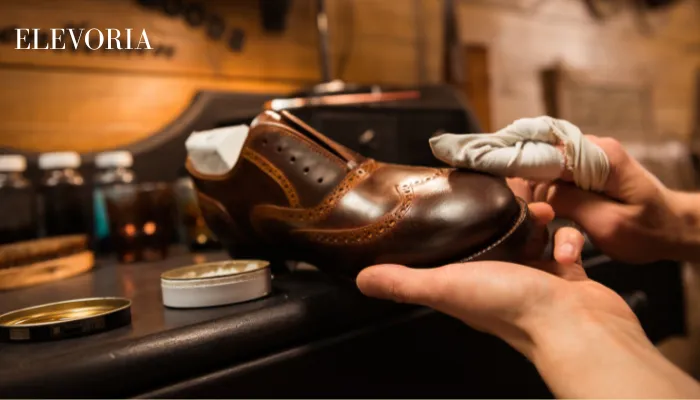
How to Clean Suede Boots: Step by Step
Step 1: Let Any Mud or Wet Dirt Dry Completely
Attempting to clean wet mud or dirt on suede typically pushes it deeper into the material rather than removing it. Allowing the dirt to fully dry first makes it significantly easier to brush away cleanly.
Step 2: Brush the Surface
Using a suede brush, gently brush the entire surface of the boot in one consistent direction, following the natural grain of the suede. This lifts dried dirt, dust, and light debris while also helping to restore the suede’s texture and nap.
Step 3: Address Scuffs With a Suede Eraser
For visible scuff marks, gently rub the suede eraser directly over the affected area using light, even pressure. Follow this with another light brushing to blend the treated area back into the surrounding texture.
Step 4: Treat Stubborn Stains
For stains that do not respond to brushing or the eraser, lightly dampen a cloth with white vinegar and gently dab, rather than rub, the stained area. Allow the boot to air dry fully afterward, then brush again once completely dry to restore texture.
Step 5: Apply a Suede Protector
Once clean and fully dry, applying a suede protector spray helps guard against future stains and water damage. This step is most effective when done regularly, rather than only after a stain has already occurred.
How to Remove Specific Types of Stains From Suede Boots
Water Stains
Water stains on suede often appear as darker, uneven marks after the material dries. Lightly dampening the entire affected area evenly with a clean, barely damp cloth, then allowing it to air dry naturally and brushing afterward, can help even out the appearance rather than leaving an isolated water mark.
Salt Stains
Salt stains, common in winter weather, generally respond well to a mixture of equal parts white vinegar and water applied lightly with a cloth, followed by air drying and brushing. Salt residue should be addressed promptly, since prolonged exposure can affect the suede’s texture over time.
Oil and Grease Stains
Oil-based stains are more stubborn than water-based marks since oil penetrates the suede fibers rather than sitting on the surface. Applying a light dusting of cornstarch or baby powder directly onto the stain, letting it sit for several hours or overnight to absorb the oil, then brushing away the powder, is a commonly recommended approach before attempting further cleaning.
Mud Stains
As with general dirt, allowing mud to dry completely before attempting removal is essential. Once dry, a suede brush is typically sufficient to lift most mud residue without needing additional cleaning products.
Common Mistakes People Make When Cleaning Suede Boots
Cleaning wet mud or stains immediately. This often pushes dirt deeper into the material rather than removing it. Waiting for dirt to dry first makes cleaning significantly more effective.
Using water in large amounts. Excess water can cause more noticeable staining and can affect the texture of suede once dried, so light dabbing rather than soaking is important.
Rubbing rather than blotting liquid stains. Rubbing can spread a stain further and damage the suede’s nap, while gentle blotting contains the stain to a smaller area.
Using regular leather conditioner or oil-based products. These products are not formulated for suede and can darken, stain, or permanently flatten the material’s texture.
Skipping suede protector spray. Preventive protection significantly reduces how often deep cleaning is needed, and skipping this step makes boots more vulnerable to staining from everyday exposure.
Using a hair dryer or direct heat to speed up drying. Direct heat can damage suede fibers and cause uneven texture. Air drying at room temperature is the safer method.
Expert Insight: Why Direction Matters When Brushing Suede
One detail often overlooked in general suede care advice is that brushing direction affects both cleaning effectiveness and the visual appearance of the material. Suede has a natural nap, meaning the fibers generally lie in a consistent direction, and brushing against this natural direction, rather than with it, can create an uneven, patchy appearance even after successful dirt removal.
Consistently brushing in one direction, then checking the boot in different lighting to confirm an even texture across the surface, helps avoid this common cosmetic issue that has nothing to do with whether the dirt itself was actually removed.
How to Prevent Future Stains on Suede Boots
Applying a suede protector spray to new boots before their first wear, and reapplying periodically based on the product’s specific recommendations, is the most effective way to reduce future staining. This is particularly relevant for suede boots worn regularly in wet or unpredictable weather conditions.
Avoiding suede boots entirely during heavy rain or snow, when practical, also reduces the frequency of deep cleaning needed. For unavoidable wet weather exposure, allowing boots to dry naturally and brushing them promptly afterward helps minimize lasting damage.
When to Take Suede Boots to a Professional Cleaner
Some stains and damage are difficult to fully resolve with at-home methods, particularly deep oil stains, significant water damage, or extensive discoloration across a large area of the boot. Professional suede cleaning services have access to specialized equipment and products not typically available for home use, and are generally a safer choice for valuable or difficult-to-replace suede footwear with stubborn or extensive staining.
Actionable Recommendations
- Always let mud, dirt, or wet stains dry completely before attempting to clean suede boots.
- Use a suede brush and suede eraser as your first line of cleaning before reaching for liquid-based methods.
- Apply a suede protector spray regularly, not just after a stain has already occurred.
- Blot rather than rub any liquid stains, and use minimal moisture throughout the cleaning process.
- Air dry suede boots at room temperature, avoiding direct heat sources like hair dryers or radiators.
- Consider professional cleaning for stubborn stains or significant discoloration rather than repeatedly attempting at-home treatments that are not working.
Conclusion
Cleaning suede boots correctly comes down to understanding that this material requires a fundamentally different approach than standard leather, relying on brushing, light dabbing, and specialized tools rather than the wiping and conditioning methods used for smooth leather. Following the right steps for dirt, scuffs, and specific stain types, along with consistent preventive care like suede protector spray, keeps suede boots looking their best and significantly extends how long they stay wearable. With the right tools and a little patience, most everyday suede stains and dirt can be handled safely at home without professional help.
FAQ
Can suede boots get wet?
Suede can tolerate light moisture, but prolonged wet exposure can cause staining and texture damage. Applying a suede protector spray beforehand helps reduce this risk.
How do I remove water stains from suede boots?
Lightly dampening the entire affected area evenly, rather than just the stained spot, then air drying and brushing afterward, helps even out the appearance rather than leaving an isolated water mark.
Can I use a regular cloth to clean suede boots?
A soft, clean cloth is useful for gentle blotting of liquid stains, but a dedicated suede brush is needed for general dirt removal, since regular cloths do not effectively lift dirt from the suede’s textured surface.
How do I get oil stains out of suede?
Applying cornstarch or baby powder directly onto the stain, letting it absorb the oil for several hours or overnight, then brushing away the powder, is a commonly recommended first step for oil-based stains.
Is it safe to use vinegar on suede boots?
Yes, white vinegar diluted with water is commonly used for treating certain stains, including salt marks, when applied lightly with a cloth rather than saturating the material.
Can I use leather conditioner on suede boots?
No, leather conditioners and oils are formulated for smooth leather and can darken, stain, or flatten suede’s texture, so they should be avoided on suede material.
How often should I apply suede protector spray?
This depends on the specific product’s recommendations and how frequently the boots are worn, though applying it before first wear and reapplying periodically is generally recommended for ongoing protection.
Should I take suede boots to a professional cleaner?
For stubborn stains, significant water damage, or extensive discoloration that does not respond to at-home methods, professional suede cleaning is generally a safer option than repeated at-home attempts.
Read More: Trending Shoes 2026: Complete Guide to This Year’s Footwear



[…] Read More: How to Clean Suede Boots: Step-by-Step Guide […]