
Fashion Street 2026: The Definitive Guide to Street Style Culture and Trends
Introduction
Fashion street style is the truest reflection of how people actually dress. While runways present fantasy and aspiration, the streets reveal how fashion translates into real life. In 2026, street style has never been more influential or more exciting.
The fashion industry is experiencing a widening gap between runway fashion and everyday dress. Trends increasingly emerge from urban environments shaped by cultural diversity, generational perspectives, and individual style. Leading fashion publications, including Vogue, Glamour, and Marie Claire, continue to highlight street style as a source of directional trends.
The global streetwear market reached $218 billion in 2026 and is projected to grow to $265 billion by 2031. This growth is driven by youth adoption, social media amplification, and the increasing role of independent and customised clothing brands. Street style now influences what designers create, what retailers stock, and what everyday consumers want to wear.
This guide covers everything you need to know about fashion street in 2026. From the biggest trends to city-by-city breakdowns, from styling advice to sustainability insights, this article provides practical, evidence-based guidance for anyone looking to understand or participate in street style culture.
What Is Fashion Street?
Fashion street, often referred to as street style, is fashion that originates from everyday people on city streets rather than from designers on runways. It is the opposite of top-down fashion. Street style builds from community spaces, independent labels, and social media feeds before reaching mainstream retail.
Unlike traditional fashion, which flows top-down from runway designers, streetwear and street style build bottom-up. The common thread is clothing built for everyday wear that holds its own as a style statement. In 2026, the definition has widened even further. Street style now absorbs outdoor technical gear, performance athleisure, minimal luxury aesthetics, and gender-neutral silhouettes.
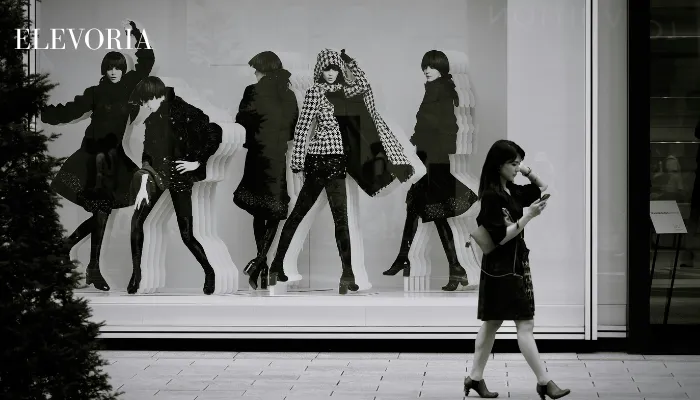
Street style is documented extensively during fashion weeks. Editors, buyers, influencers, and celebrities gather outside shows to display their personal style. These images circulate globally and often set the tone for what becomes popular in the following months.
Key Fashion Street Trends of 2026
The CBK Influence
Carolyn Bessette-Kennedy, the late style icon, is having a major moment in 2026. Her minimalist, tonal aesthetic has been re-immortalised through Ryan Murphy’s Love Story. Street stylers are taking a page out of her playbook with sleek, minimal looks.
This trend is about quiet sophistication. Think tailored coats, simple silhouettes, and neutral palettes. It is the opposite of loud logos or excessive embellishment. The CBK influence represents a return to understated elegance that feels both timeless and current.
The Michael Rider Scarf Trend
Michael Rider, the American designer who has turned Celine into an inspiration factory, has popularised a specific way of wearing scarves. The trend involves wearing a scarf over the shoulders or loosely tied around the neck. This simple styling trick adds polish and personality to any outfit.
Leopard Print Dominance
Leopard print has emerged as the print of the moment in 2026. Bold coats featuring leopard patterns were seen doing the circuit outside shows. Animal print accents roared back onto the scene, with showgoers committing to the look head-to-head.
Leopard print is no longer just for accessories. It appears across blazers, statement shoes, and even tights. The trend is unapologetic and adds instant drama to any outfit.
Shaggy Textures
Furry, shaggy textures brought some ASMR to show dressing in 2026. Shaggy jackets, tops, and skirts took up space at the shows. This trend is about texture and tactility. Faux fur and shearling-trimmed coats were everywhere on London’s streets.
Y2K Nostalgia Remixed
Y2K nostalgia continues to drive street style in 2026. However, it is not a straight copy of 2002. It is a remix. Today’s version is more wearable and refined. Think a baby tee worn with relaxed denim instead of ultra low-rise. Or a rhinestone top styled with simple trousers.
Key Y2K pieces include slim and baggy jeans, tube tops, bodysuits, butterfly or graphic-print tees, shrunken cardigans, and anything with a shiny or metallic finish. Tiny shoulder bags, chunky belts, colourful hair clips and statement sunglasses are the finishing touches.
Quiet Streetwear
Not every 2026 streetwear consumer wants a huge logo across their chest. A significant segment has moved toward quiet streetwear. This involves monochromatic palettes, understated silhouettes, and minimal branding that signals quality through fabric and cut rather than graphic presence. Neutral earth tones, sky blue, slate, and off-white anchor these wardrobes.
Techwear Goes Mainstream
Techwear crossed from niche subculture into mainstream streetwear between 2023 and 2025. By 2026, water-resistant shells, ripstop cargo pants, and utility vests sit alongside everyday fashion staples. Breathable materials, articulated cuts, and multi-pocket silhouettes pull double duty. Neon accents and metallic finishes give technical pieces their edge.
Oversized Silhouettes
The current direction favours oversized silhouettes and relaxed tailoring. Oversized T-shirts are replacing fitted crop tops. The current direction favours oversized silhouettes and relaxed tailoring.
Tartan Skirts
Tartan skirts are the first street-style trend of 2026. There have been baggy wax jackets worn with shin-length tartan skirts, ribbed tights and block-heeled pumps; velvet blazers layered over thick rollnecks with patchwork midi-skirts, pointelle tights and brogues.
Bold Colour and Colour Clashing
After several seasons dominated by understated neutrals and clean tailoring, fashion is once again embracing colour and bold patterns. Milan Fashion Week street style showcased unexpected colour clashes. Pink, in both baby and bold tones, has been a standout.
Street Style by City
New York
New York Fashion Week street style is bold and eclectic. The CBK influence was particularly strong, with many showgoers embracing minimal, tonal looks. Political statements were also made with “ICE Out” pins. Pillbox hats and floor-length coats were key looks.
London
London style is typically synonymous with refined tailoring, versatile hues, and silhouettes that feel polished and timeless. But Fashion Week offers a welcome departure from the expected. Faux fur, shearling, animal print, and leather bomber jackets dominated. Double denim and quilted coats were also popular.
Milan
Milanese showgoers manifested springtime sunshine through vibrant pops of orange. The city’s street style is known for its sophistication and colour confidence.
Paris
Paris Fashion Week street style is often the most avant-garde and experimental. The look in Paris was edgier, with street stylers wearing leather ties styled with trenches and sweaters. Leather was the material of choice.
Copenhagen
Copenhagen Fashion Week street style is characterised by clever layering. CBK-style cardigans worn alone, over the shoulders, or around the waist were a common sight. Striped shirts thrown over dresses and sheer tops adding interest to simple crop tops were also observed.
How to Incorporate Fashion Street Trends
Start with Accessories
Accessories are the easiest way to update your look. A cherry-red handbag, a pillbox hat, or a leopard print scarf can instantly modernise any outfit.
Embrace One Trend at a Time
You do not need to adopt every trend at once. Choose one or two that resonate with you and incorporate them into your existing wardrobe.
Mix High and Low
Street style thrives on contrast. Pair a high-end coat with vintage denim. Wear a designer bag with a thrifted tee. This mix of high and low creates visual interest and signals fashion knowledge.
Prioritise Comfort
Street style is rooted in comfort. Choose pieces that feel good to wear and allow for easy movement. Oversized silhouettes and relaxed fits are central to this aesthetic.
Layer with Intention
Layering is essential to street style. Combine textures and weights to create depth. A scarf over the shoulders, a cardigan around the waist, or a sheer top over a crop top adds visual interest.
Common Mistakes to Avoid
Mistake 1: Copying Looks Exactly
Street style is about personal expression, not replication. Use trends as inspiration, but adapt them to your own style and body type.
Mistake 2: Over-Accessorising
Too many accessories can look cluttered. Choose one or two statement pieces and let them shine.
Mistake 3: Ignoring Fit
While oversized silhouettes are in, fit still matters. Pay attention to how your clothing hangs on your body. Oversized does not mean shapeless.
Mistake 4: Following Trends Blindly
Not every trend will suit you. Choose trends that align with your personal style and lifestyle.
Sustainability and Fashion Street
Street style is increasingly aligning with sustainable fashion principles. Consumers are demanding transparency and accountability from brands. The push for sustainability in streetwear is not just a trend but a necessity.
Pre-loved clothing has taken on new meaning. Thrifting reduces waste and allows consumers to find unique pieces with character. The fashion industry moves in cycles, but streetwear creates its own demand and sets its own pace.
Expert Insights
Street style is more influential than ever. The fashion industry is experiencing a widening gap between runway fashion and everyday dress. Trends increasingly emerge from urban environments shaped by cultural diversity, generational perspectives, and individual style.
Jani Grigoryan, a multidisciplinary visual artist with nearly a decade of experience in cultural and street photography, notes that five years ago, many people still relied on trends for cues. Now he sees more personal decision-making. Outfits often mix cultural memory, practicality, and mood. Style grows from real life rather than from imitation.
Major brands are increasingly hiring street photographers to document emerging trends before they hit runways. The boundary between pure observation and commercial insight depends on intention. Real environments test clothing in honest ways, and the moment when style stops being staged and becomes part of everyday life interests photographers the most.
Frequently Asked Questions
What is fashion street style?
Fashion street style refers to fashion that originates from everyday people on city streets rather than from designers on runways. It is characterised by casual, comfortable clothing rooted in urban subcultures.
What are the biggest fashion street trends of 2026?
The biggest trends include the CBK influence, the Michael Rider scarf trend, leopard print, shaggy textures, Y2K nostalgia remixed, quiet streetwear, techwear, oversized silhouettes, tartan skirts, and bold colour.
How is street style different from streetwear?
Streetwear is a specific fashion style rooted in skateboarding, hip-hop, and urban subcultures. Street style is a broader term that encompasses all fashion seen on city streets, including but not limited to streetwear.
What is quiet streetwear?
Quiet streetwear involves monochromatic palettes, understated silhouettes, and minimal branding that signals quality through fabric and cut rather than graphic presence.
What is the CBK influence?
The CBK influence refers to the minimalist, tonal aesthetic popularised by Carolyn Bessette-Kennedy. It involves sleek, minimal looks with tailored coats and neutral palettes.
What accessories are trending in fashion street?
Trending accessories include pillbox hats, cherry-red handbags, leopard print scarves, chunky belts, tiny shoulder bags, statement sunglasses, and colourful hair clips.
Is fashion street sustainable?
Increasingly, yes. Consumers are demanding transparency and accountability from brands. Vintage and second-hand street style is also gaining popularity.
How can I incorporate fashion street trends into my wardrobe?
Start with accessories, embrace one trend at a time, mix high and low, prioritise comfort, and layer with intention.
What is techwear?
Techwear is clothing built from performance fabrics with functional hardware. It includes water-resistant shells, ripstop cargo pants, and utility vests.
What are the top fashion street cities?
New York, London, Milan, Paris, and Copenhagen are the top cities for street style, each with its own distinctive aesthetic.
Conclusion
Fashion street in 2026 is more diverse, expressive, and influential than ever before. From the minimalist sophistication of Carolyn Bessette-Kennedy to the playful nostalgia of Y2K, from the boldness of leopard print to the understated elegance of quiet streetwear, there is something for everyone.
Street style is no longer just a documentation of what people wear. It is a driving force in the fashion industry. It influences designers, retailers, and consumers alike. The $218 billion streetwear market is proof of this influence.
The most important takeaway is this: fashion street is about personal expression. It is about wearing what makes you feel confident and authentic. Trends come and go, but personal style is enduring. And that is a lesson worth embracing.
Read More: Crossette Top: What It Is and How to Style It
[…] Read More: Fashion Street 2026: Complete Guide to Street Style Trends […]