
Day Cream: Your Complete Guide to Daytime Skin Protection and Hydration
Introduction
You have probably heard that your skin has different needs during the day and at night. And while it might seem like a marketing ploy to sell you two products instead of one, dermatologists say there is real science behind the distinction.
During the day, your skin faces a barrage of environmental stressors: UV radiation, pollution, wind, and even the drying effects of indoor heating or air conditioning. A day cream is specifically formulated to help your skin withstand these daily assaults while keeping it hydrated and comfortable under makeup or sunscreen.
This guide covers everything you need to know about day cream: what it is, how it differs from night cream, key ingredients to look for, how to choose the right one for your skin type, and common mistakes to avoid.
What Is a Day Cream?
A day cream is a lightweight moisturizer designed for use in the morning. Its primary purpose is to protect your skin from environmental damage while providing hydration throughout the day.
According to dermatologist Melissa Piliang, MD, of Cleveland Clinic, “Day creams are lightweight and focus primarily on brightening your complexion, maintaining hydration and protecting your skin from the outside elements”. In contrast, night creams are formulated to penetrate deeper into the skin to help repair it while you sleep.
Day creams are generally less rich than night creams to avoid an unpleasant greasy shine on the skin and to prepare the skin for makeup or other cosmetics. Many day creams also contain SPF to provide sun protection, though not all do.
Day Cream vs. Night Cream: What’s the Difference?
The difference between day and night creams comes down to purpose, texture, and ingredients.
| Feature | Day Cream | Night Cream |
|---|---|---|
| Primary purpose | Protection | Repair |
| Texture | Lightweight, fast-absorbing | Richer, thicker |
| SPF | Often included | Not included |
| Key ingredients | Antioxidants (vitamin C, E), hyaluronic acid, SPF | Retinoids, peptides, ceramides, heavier emollients |
| Best used | Morning, before sunscreen or makeup | Evening, after cleansing |
Day creams are designed to protect your skin from the outside elements. They typically have a lighter consistency to layer well under makeup and may contain SPF to shield against UV damage. Night creams, on the other hand, are formulated with richer textures and higher concentrations of active ingredients like retinol, which can be broken down by UV light and are better suited for overnight application.
As one dermatologist explains, “The active ingredients in day creams are different than those in night creams, but that doesn’t mean they aren’t significant for achieving optimal skin health”.
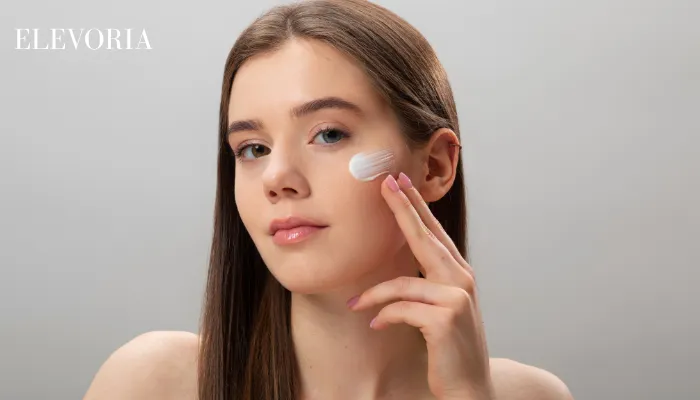
Why You Need a Day Cream
Using a day cream offers several important benefits for your skin.
Hydration Throughout the Day
Your skin loses moisture constantly throughout the day due to environmental factors. A day cream provides a reservoir of hydration that helps keep your skin comfortable, supple, and healthy-looking. Applying a moisturizer within three minutes of getting out of the shower helps lock in water and keep your skin hydrated.
Protection from Environmental Stressors
Day creams create a protective barrier on your skin that helps shield it from pollution, wind, and other environmental aggressors. Many contain antioxidants that neutralize free radicals – unstable molecules that can damage skin cells and accelerate aging.
Sun Protection
Many day creams include SPF, providing convenient daily sun protection. The American Academy of Dermatology (AAD) notes that using a moisturizer with sunscreen is fine, as long as the product offers broad-spectrum coverage and an SPF of 30 or higher. This dual-function approach simplifies your morning routine while ensuring you don’t skip this crucial step.
Preparation for Makeup
Day creams are formulated with a lightweight texture that absorbs quickly and creates a smooth canvas for makeup application. This helps foundation and other products go on more evenly and stay in place longer.
Prevention of Premature Aging
Keeping your skin hydrated and protected from environmental damage helps prevent the formation of fine lines, wrinkles, and age spots. Dermatologists agree that sunscreen and moisturizer are the two most-effective anti-aging products you can buy.
Key Ingredients to Look For in a Day Cream
The effectiveness of a day cream depends largely on its ingredients. Here are the key categories to look for.
Sunscreen (SPF)
If your day cream includes SPF, it should offer broad-spectrum protection (against both UVA and UVB rays) with an SPF of 30 or higher. The AAD recommends selecting a sunscreen that offers broad-spectrum protection, SPF 30 or higher, and water resistance.
Antioxidants
Antioxidants protect your skin from free radical damage caused by UV exposure and pollution. Common antioxidants in day creams include:
- Vitamin C (L-ascorbic acid) : Helps brighten skin, even out tone, and protect against environmental damage. Vitamin C also supports collagen production.
- Vitamin E: Works synergistically with vitamin C to enhance antioxidant protection.
- Green tea extract: Provides anti-inflammatory and antioxidant benefits.
Hyaluronic Acid
Hyaluronic acid is a powerful humectant that attracts and retains water in the skin, providing deep hydration and a plumping effect. It is suitable for all skin types and helps reduce the appearance of fine lines by keeping skin plump and hydrated.
Niacinamide (Vitamin B3)
Niacinamide helps regulate oil production, even skin tone, and support the skin barrier. It also calms the skin, which may help other ingredients work better. It is well-tolerated by most skin types, including sensitive skin.
Ceramides
Ceramides are lipids that help restore and maintain the skin barrier. They are essential for dry and sensitive skin and help prevent moisture loss throughout the day.
Peptides
Peptides are molecules that stimulate collagen production and have been shown to improve skin texture and firmness.
Glycerin
Glycerin is a natural moisturizing ingredient that helps draw moisture into the skin and keeps it hydrated.
Choosing the Right Day Cream for Your Skin Type
Your sunscreen, moisturizer, and other skin care products will work best if they are formulated for your skin type. Here is how to choose.
For Dry Skin
Look for richer, cream-based day creams with ingredients like hyaluronic acid, ceramides, and glycerin. These help attract and retain moisture throughout the day. The AAD recommends applying a creamy, fragrance-free moisturizer formulated for dry skin.
For Oily or Combination Skin
Choose lightweight, oil-free, non-comedogenic formulas that won’t clog pores. Gel-based or serum formulations often work well. Look for products labeled “oil-free” or “non-comedogenic.” Niacinamide can help regulate oil production while providing hydration.
For Sensitive Skin
Choose fragrance-free, hypoallergenic products. Look for soothing ingredients like ceramides and oat extract. The AAD notes that if you have sensitive skin, you want to see the words “sensitive skin” on the label. Always patch test new products before applying them to your entire face.
For Normal Skin
You have the most flexibility. Choose day creams based on your specific concerns, whether that is hydration, brightening, or anti-aging. A lightweight moisturizer with SPF is generally a good choice.
For Mature Skin
Look for day creams containing antioxidants (like vitamin C), peptides, and SPF to protect against further damage and support collagen production. Some day creams also contain retinoids in encapsulated forms that are stable in daylight.
How to Use Day Cream Correctly
Application Order
Day cream should be applied after cleansing and after any treatment serums. It is generally applied before sunscreen (if your day cream does not already contain SPF) and before makeup.
Here is the typical morning routine order:
- Cleanser – Removes overnight buildup
- Toner or essence (optional)
- Serum – Such as vitamin C serum
- Eye cream (optional)
- Day cream – Provides hydration and protection
- Sunscreen – If your day cream does not contain SPF, apply sunscreen as the final step
How Much to Apply
A nickel-sized amount is usually sufficient for your face. Apply in gentle upward strokes, allowing the cream to absorb before applying makeup or sunscreen.
Timing Matters
Apply moisturizer within three minutes of getting out of the shower to lock in water and keep your skin hydrated. This helps maximize the benefits of your day cream.
Don’t Forget Your Neck
Your neck and chest are also exposed to environmental stressors. Apply your day cream to these areas as well.
Reapply Sunscreen
If your day cream contains SPF, remember that sunscreen needs to be reapplied every two hours if you are spending extended time outdoors. A day cream with SPF provides a good baseline, but it is not a substitute for reapplication during prolonged sun exposure.
Common Day Cream Mistakes
Using Night Cream During the Day
Night creams are typically richer and may contain ingredients like retinol that can increase sun sensitivity. Using a night cream during the day can leave your skin feeling greasy and may not provide adequate protection.
Skipping Sunscreen
If your day cream does not contain SPF, you still need to apply sunscreen. Many people assume their moisturizer provides enough protection, but unless it offers broad-spectrum SPF 30 or higher, it is not sufficient.
Applying Too Much Product
Using too much day cream can leave your skin feeling greasy and may lead to breakouts. A nickel-sized amount is usually sufficient.
Expecting Overnight Results
Day creams are designed for protection and hydration, not dramatic overnight transformation. They work gradually over time, helping to prevent damage and maintain healthy skin.
Not Matching Product to Skin Type
Using a day cream that is too heavy for oily skin or too light for dry skin can lead to poor results. Choose a product formulated for your specific skin type.
The Role of SPF in Day Creams
Many day creams include SPF, providing a convenient way to combine moisturizing and sun protection in one step. The AAD notes that using a moisturizer with sunscreen is fine, as long as the product offers broad-spectrum coverage and an SPF of 30 or higher.
However, there are some considerations:
- SPF in moisturizer may not be enough for extended sun exposure. If you will be spending significant time outdoors, you should apply a dedicated sunscreen and reapply every two hours.
- You need to apply enough. Most people do not apply enough moisturizer with SPF to achieve the labeled protection. If you rely solely on your day cream for sun protection, make sure you apply a generous amount.
- Check the SPF level. The AAD recommends SPF 30 or higher.
Dr. Shilpi Khetarpal, MD, a dermatologist at Cleveland Clinic, recommends wearing sunscreen of SPF 30 or higher every day, noting that even on cloudy days or when sitting near a window, UVA rays can dull skin and cause pigmentation.
Frequently Asked Questions
What is the difference between a day cream and a night cream?
Day creams are lightweight and designed to protect your skin from environmental stressors. They often contain SPF and antioxidants. Night creams are richer and formulated to repair and regenerate skin while you sleep, often containing ingredients like retinol and peptides.
Do I really need a day cream?
Yes. A day cream provides essential hydration and protection that your skin needs during the day. Dermatologists agree that moisturizer and sunscreen are the two most-effective anti-aging products you can buy.
Can I use my night cream during the day?
It is not recommended. Night creams are typically richer and may contain ingredients that increase sun sensitivity. They can also leave your skin feeling greasy under makeup.
What SPF should my day cream have?
The AAD recommends SPF 30 or higher, broad-spectrum protection, and water resistance. If your day cream does not provide this, you should apply a separate sunscreen.
Can I use a day cream if I have oily skin?
Yes. Choose a lightweight, oil-free, non-comedogenic formula. Look for products labeled “oil-free” or “non-comedogenic”.
Should I apply day cream before or after sunscreen?
If your day cream does not contain SPF, apply your day cream first, then sunscreen. If your day cream already contains SPF, it serves as both moisturizer and sunscreen in one step.
How much day cream should I use?
A nickel-sized amount is usually sufficient for your face. Apply in gentle upward strokes.
Can I use day cream on my neck?
Yes. Your neck and chest are also exposed to environmental stressors and benefit from hydration and protection.
How long does it take to see results from a day cream?
Day creams work gradually to maintain skin health and prevent damage. You may notice improved hydration and skin texture within a few days, but long-term benefits accumulate over weeks and months of consistent use.
When should I see a dermatologist about my skin?
If over-the-counter products are not addressing your concerns, or if you experience persistent irritation, redness, or other concerning symptoms, consult a board-certified dermatologist. They can recommend prescription options and develop a personalized plan for your skin.
Conclusion
A day cream is an essential part of a healthy morning skincare routine. It provides the hydration and protection your skin needs to face daily environmental stressors while creating a smooth base for makeup.
Remember these key principles:
- Day creams are designed for protection, while night creams focus on repair
- Look for ingredients like antioxidants (vitamin C, E), hyaluronic acid, and SPF
- Choose a product formulated for your skin type
- If your day cream does not contain SPF 30 or higher, apply a separate sunscreen
- Apply within three minutes of cleansing to lock in moisture
- Be consistent – daily use delivers the best results
Patch Test Note: Before using any new day cream, perform a patch test on a small area of skin to check for adverse reactions. Skin reactions and results vary significantly by individual and skin type. If you experience persistent irritation, redness, or other concerning symptoms, discontinue use and consult a dermatologist or licensed healthcare provider.
Important: This article is for educational purposes and does not constitute medical advice. The information provided is general in nature and not a substitute for professional medical evaluation. If you are pregnant, nursing, or have a diagnosed skin condition, check with your doctor or dermatologist before starting any new skincare product. Anyone with persistent, severe, or worsening symptoms should see a licensed healthcare provider rather than relying on this information.
Disclaimer
The content in this article is for informational and educational purposes only. It is not medical advice and should not replace consultation with a qualified healthcare professional. Individual skin reactions and results vary. Always patch test new products and discontinue use if irritation occurs. If you have specific skin concerns, underlying conditions, or are pregnant or nursing, consult a dermatologist or your healthcare provider before starting any new skincare regimen.
FAQ
What is the main purpose of a day cream?
A day cream is designed to hydrate and protect your skin from environmental stressors like UV rays, pollution, and wind throughout the day.
Can a day cream replace sunscreen?
Only if it offers broad-spectrum SPF 30 or higher. If your day cream does not provide this level of protection, you should apply a separate sunscreen.
Is day cream necessary for oily skin?
Yes. Even oily skin needs hydration. Choose a lightweight, oil-free, non-comedogenic formula.
Can I use a day cream at night?
It is not ideal. Day creams lack the richer, reparative ingredients that night creams provide, and they may not offer the deep hydration your skin needs overnight.
What ingredients should I look for in a day cream?
Look for antioxidants (vitamin C, E), hyaluronic acid for hydration, niacinamide for barrier support, and SPF for sun protection.
How much day cream should I apply?
A nickel-sized amount is usually sufficient for your face.
Should I apply day cream before or after serum?
Apply serum first, then day cream. Serums are thinner and should be applied before thicker moisturizers.
Can I use a day cream with retinol?
Some day creams contain encapsulated retinol that is stable in daylight. However, retinol is generally recommended for nighttime use to avoid sun sensitivity.
How long does a day cream take to work?
You may notice improved hydration immediately. Long-term benefits, such as reduced fine lines, accumulate over weeks of consistent use.
When should I apply day cream?
Apply day cream every morning after cleansing and before sunscreen or makeup.
Read More: Skincare for Men: Essential Routine and Dermatologist Tips



[…] Read More: Day Cream: Benefits, Ingredients, and How to Choose […]