

Skincare for Oily Skin: A Dermatologist-Approved Guide
If your face looks shiny within an hour of washing it, you are dealing with oily skin. You might feel frustrated by the constant shine, enlarged pores, and frequent breakouts. But having oily skin is not a curse. According to the American Academy of Dermatology (AAD), people with oily skin tend to develop fewer wrinkles as they age because the natural oil helps preserve the skin.
The key is learning how to manage it effectively. Oily skin occurs when oversized sebaceous glands produce excessive amounts of sebum, giving the appearance of shiny and greasy skin. While sebum is necessary to moisturize, protect, and heal the skin, excessive production can lead to clogged pores and acne.
The foundation of an effective oily skin routine relies on gentle yet thorough cleansing, selecting suitable active ingredients, and maintaining proper hydration. This guide covers everything you need to know about skincare for oily skin: what causes it, the best routine, key ingredients to look for, and common mistakes to avoid.
What Causes Oily Skin?
Several factors contribute to oily skin. Understanding the cause can help you choose the right approach.
Genetics
Your skin type is largely determined by your genes. If your parents have oily skin, you are likely to have it too. Many with oily skin are genetically predisposed for that specific skin type.
Hormones
Hormonal fluctuations are a major cause of increased oil production. Androgens, the male hormones present in both men and women, stimulate sebaceous glands to produce more oil. This is why oily skin often worsens during puberty, pregnancy, menstruation, and times of stress.
Climate and Weather
High temperatures and increased humidity can increase oil production. You may notice more shine during summer months compared to winter.
Stress
Stress triggers the release of cortisol, which can stimulate oil production and make oily skin worse. Lack of sleep can also have a similar effect.
Diet and Lifestyle
Dietary patterns, along with stress, pollution, smoking, and alcohol, seem to have a strong influence on the skin’s balance and can encourage excess sebum production.
Over-Cleansing and Harsh Products
Using harsh products, like alcohol-based astringents, can actually cause your sebaceous glands to overcompensate and produce more sebum. This overproduction can also occur when skipping facial moisturizer.
The Essential Oily Skin Routine
Dermatologists recommend a simple, consistent routine for oily skin. According to a major consensus study of 80 dermatologists from 43 institutions, the most recommended ingredients for oily skin include retinoids (recommended by 93.6%), benzoyl peroxide (80.7%), and salicylic acid (79%).
Morning Routine
Step 1: Gentle Cleanser
Start your day with a gentle, foaming face wash. One of the most common myths about oily skin is that it needs to be aggressively cleansed. “The biggest mistake made by people with oily skin is to over-wash,” says New York dermatologist Rachel Nazarian, MD. A harsh cleansing product will make it much more difficult to tolerate the rest of the regimen.
The AAD recommends washing your face twice a day, morning and night, using a gentle, foaming face wash. Look for a cleanser that is gentle and can clean surface oils without stripping and irritating the skin.
Step 2: Oil-Regulating Serum (Optional)
Once your skin is clean, you can layer in ingredients that actually make a difference in oil production. Niacinamide is a “hero ingredient” that helps regulate sebum production, reduce inflammation, and minimize the appearance of pores. Salicylic acid is another effective option that penetrates oily pores to dissolve blockages and reduce inflammation.
Step 3: Lightweight Moisturizer
It might be tempting to overlook moisturizers, but applying a lightweight formula is absolutely essential. Look for one that states it is non-comedogenic, which means it won’t clog pores or cause acne. A gel moisturizer is often recommended for oily skin because it is lighter than other types of moisturizer.
Step 4: Sunscreen
Protecting your skin from the sun is essential, even if you have oily skin. The AAD recommends looking for a broad-spectrum sunscreen with an SPF of 30 or higher. Non-comedogenic, lightweight sunscreens are now widely available. Gel-based sunscreens are excellent choices as they tend to absorb quickly without leaving a greasy residue.
Nighttime Routine
Step 1: Gentle Cleanser
Cleanse to remove sunscreen, makeup, and pollutants accumulated during the day. Use the same gentle cleanser you use in the morning. Resist the temptation to scrub your skin, even to remove makeup. Scrubbing irritates your skin, which can make it look worse.
Step 2: Treatment (Retinoid)
Retinoids are a powerful derivative of vitamin A. They ranked highly for their ability to improve wrinkles, reduce acne, lighten dark spots, minimize large pores, and control oily skin. According to a consensus study, retinoids were the most recommended ingredient for oily skin, with 93.6% of surveyed dermatologists recommending them. Retinol regulates sebum, minimizes pore size, and helps keep breakouts at bay. Start with a low concentration and use it only a few times a week initially to avoid irritation.
Step 3: Lightweight Moisturizer
Apply a lightweight, non-comedogenic moisturizer to support your skin barrier overnight.
Exfoliation
While exfoliating can feel satisfying, it is not a necessary step in a well-balanced oily skin routine. In fact, it can often do more harm than good. “Exfoliating the surface skin cells doesn’t have much impact on oil production,” says Dr. Nazarian. “You cannot wash your way to less oil production!”. If you choose to exfoliate, do so gently and limit it to once or twice a week. Look for chemical exfoliants like salicylic acid or glycolic acid rather than harsh physical scrubs.
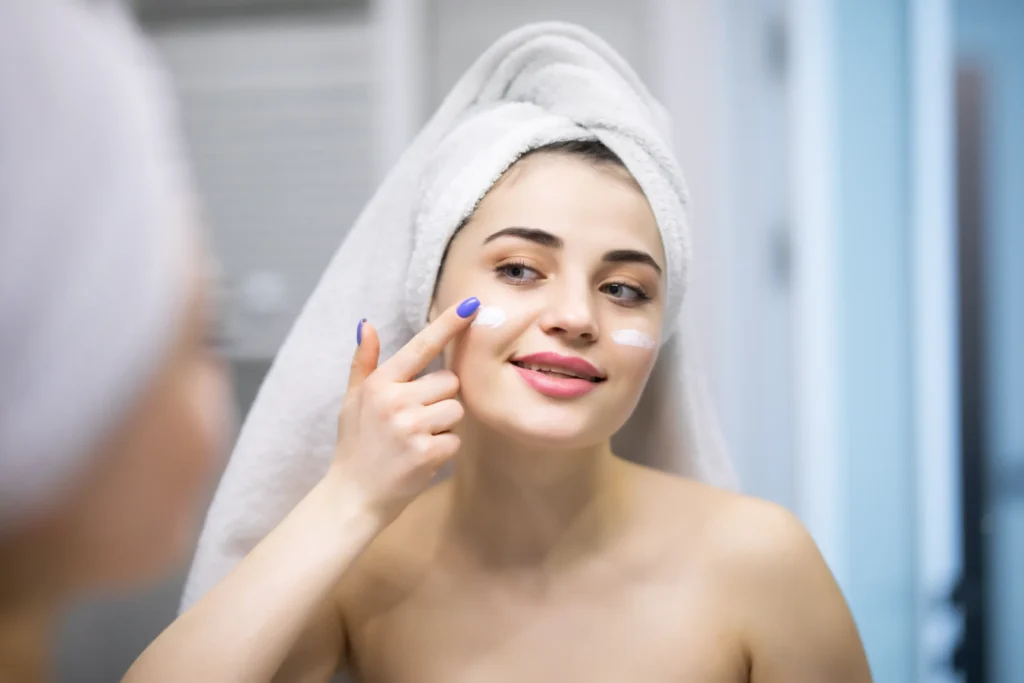
Key Ingredients for Oily Skin
According to a landmark consensus study published in the Journal of the American Academy of Dermatology, these ingredients have strong expert support for treating oily skin.
Retinoids (93.6% Recommendation)
Retinoids help unclog pores, reduce inflammation, and regulate sebum production. They are recommended for five skincare categories: fine lines and wrinkles, acne, dark spots, large pores, and oily skin. Note: Retinoids are not safe to use if you are pregnant or breastfeeding.
Salicylic Acid
Salicylic acid is a beta-hydroxy acid (BHA) that is oil-soluble, meaning it can penetrate through oil and break down the debris inside clogged pores. A clinical study found that a salicylic acid-containing gel reduced sebum levels by 23.65% over 21 days while increasing skin hydration by 40.5%.
Benzoyl Peroxide (80.7% Recommendation)
Benzoyl peroxide helps kill bacteria and remove excess oil. The AAD’s acne management guidelines give their strongest recommendations to topical benzoyl peroxide and topical retinoids.
Niacinamide
Niacinamide is a form of Vitamin B3 that influences the sebaceous glands’ sebum production. Studies have shown that niacinamide actively reduces sebum production, so that the skin becomes less oily and therefore less likely to suffer impurities caused by clogged pores. It also has anti-inflammatory properties and decreases skin inflammation when used topically.
Azelaic Acid
Azelaic acid is recommended for acne and oily skin. It helps smooth rough skin and reduce discoloration.
What to Avoid
Oil-Based and Alcohol-Based Cleansers
These can irritate your skin. An intense, drying formula will only irritate the skin, triggering it to overproduce oil.
Heavy Creams and Ointments
These can clog pores and lead to acne. Opt for lightweight gels or lotions instead.
Fragrances and Botanicals
Fragrances are common allergens that can leave skin feeling irritated and dry. Even products labeled “unscented” may contain masking fragrances. Look for “fragrance-free” instead.
Physical Scrubs
Harsh physical exfoliants with jagged particles can cause micro-tears in the skin and increase inflammation.
Common Oily Skin Mistakes
Over-Washing
The biggest mistake made by people with oily skin is to over-wash. Over-washing strips your skin of natural oils, which can trigger increased oil production. Stick to cleansing twice daily.
Skipping Moisturizer
No matter which skin type you have, you need moisturizer. Skipping moisturizer can lead to dehydration, which may trigger increased oil production. This misconception leads many patients with oily skin to skip moisturizer entirely.
Using Harsh Scrubs
Physical scrubs can irritate the skin and make oiliness worse. The AAD advises resisting the temptation to scrub your skin.
Touching Your Face
Touching your face repeatedly can transfer oil and bacteria from your hands to your skin, leading to breakouts.
Skipping Sunscreen
Many people with oily skin skip sunscreen because they find it greasy. However, sun exposure causes skin to age more quickly and can worsen hyperpigmentation. Choose a lightweight, oil-free, non-comedogenic sunscreen.
Lifestyle Tips for Oily Skin
Manage Stress
Reducing your stress level through self-care activities like exercise, meditation, yoga, walking, and your favorite hobbies may help to reduce your skin’s sebum production.
Watch Your Diet
Sugary and processed foods can cause inflammation, which can lead to oily skin and breakouts. Limiting processed foods, alcohol, and fried foods may help.
Use Blotting Papers
Throughout the day, use blotting papers to gently remove excess oil without disturbing your makeup or irritating your skin. Press the paper against your skin for a few seconds, then lift it away.
Frequently Asked Questions
What is the best skincare routine for oily skin?
Dermatologists recommend a simple routine: cleanse with a gentle, foaming face wash twice daily; apply a lightweight, oil-free, non-comedogenic moisturizer; and protect with a broad-spectrum sunscreen with SPF 30 or higher. Add a retinoid at night to control oil and prevent breakouts.
Why does my skin get oilier after washing?
You may be using a cleanser that is too harsh or washing too frequently. Harsh cleansers strip your skin of natural oils, which triggers your sebaceous glands to produce even more oil to compensate.
Should I use a moisturizer if I have oily skin?
Yes. Even oily skin needs hydration. Skipping moisturizer can lead to dehydration, which may trigger increased oil production. Choose a lightweight, oil-free, non-comedogenic gel moisturizer.
What ingredients help control oily skin?
Look for retinoids (to regulate sebum and unclog pores), niacinamide (to balance oil production), salicylic acid (to exfoliate inside pores), and benzoyl peroxide (to kill bacteria and remove excess oil).
How often should I wash my face if I have oily skin?
The AAD recommends washing your face twice a day (morning and night) and after sweating heavily. Over-washing can irritate your skin and trigger increased oil production.
Is sunscreen necessary for oily skin?
Yes. Sun protection is essential for all skin types. The AAD recommends SPF 30 or higher. Choose a lightweight, oil-free, non-comedogenic sunscreen.
Can diet affect oily skin?
Yes. Sugary and processed foods can cause inflammation, which can lead to oily skin and breakouts. Eating a healthy diet may help clear up your skin.
When should I see a dermatologist about oily skin?
If over-the-counter products are not helping, or if you have persistent acne, breakouts, or skin irritation, see a board-certified dermatologist. They can recommend prescription treatments and develop a personalized plan for your skin.
Patch Test Note: Before using any new skincare product, perform a patch test on a small area of skin to check for adverse reactions. Skin reactions and results vary significantly by individual and skin type. If you experience persistent irritation, redness, or other concerning symptoms, discontinue use and consult a dermatologist or licensed healthcare provider.
Important: This article is for educational purposes and does not constitute medical advice. The information provided is general in nature and not a substitute for professional medical evaluation. If you are pregnant, nursing, or have a diagnosed skin condition, check with your doctor or dermatologist before starting any new active ingredient. Anyone with persistent, severe, or worsening skin concerns should see a licensed healthcare provider rather than relying on this information.
Read More: Skincare Products: Essentials, Ingredients, and How to Choose



[…] Read More: Skincare for Oily Skin: Dermatologist-Approved Routine and Tips […]