
The Visocchi Sestini Wedding in Naples: Inside the Aristocratic Ceremony That Captivated Vogue
Introduction
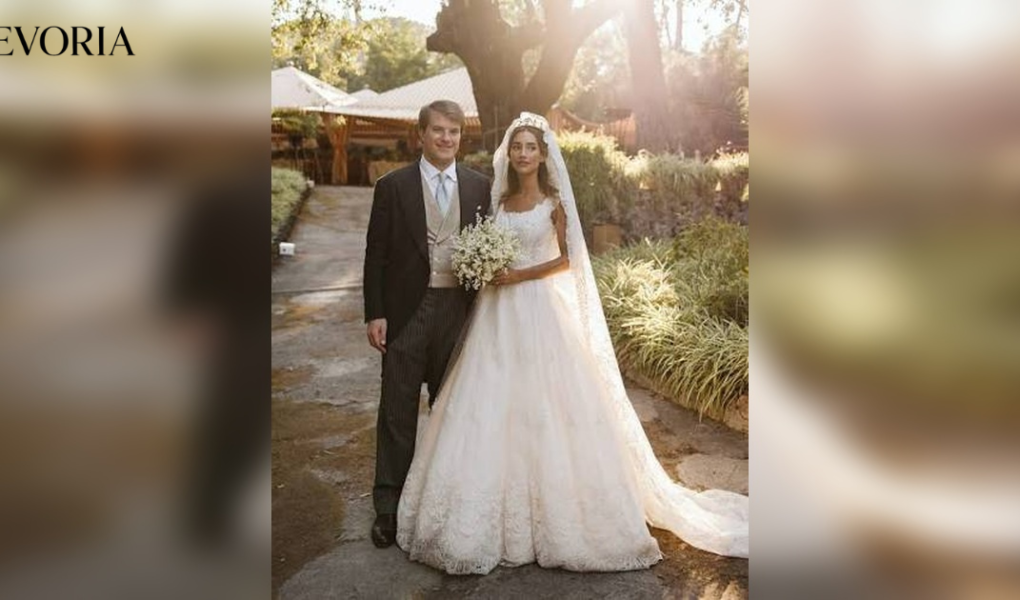
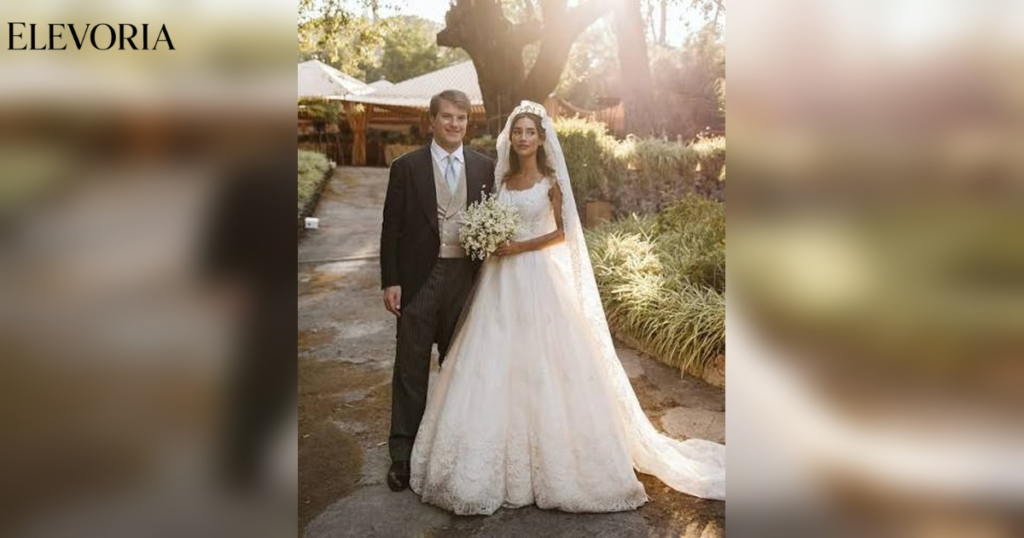
When Anna Virginia Visocchi Sanseverino di Marcellinara married Corso Sestini Branca di Romanico in Naples, the ceremony drew attention from Vogue and Vogue Italia for good reason. It combined centuries-old Italian aristocratic tradition, family heirlooms with royal provenance, and a setting that felt pulled from another era.
This article covers what actually happened at the wedding, who the couple is, why their families carry historical significance in Italy, and what made the day stand out from a typical destination wedding. It also looks at how formal, heritage-driven weddings like this one sit at the opposite end of the style spectrum from more casual, trend-driven fashion moments, such as this year’s resurgence of baggy jorts.
Who Are Anna Virginia Visocchi Sanseverino and Corso Sestini Branca?
Anna Virginia Visocchi Sanseverino di Marcellinara comes from an Italian noble family, part of the historic Sanseverino di Marcellinara line. Her husband, Corso Sestini Branca di Romanico, belongs to the Sestini Branca family, known internationally as the family behind Fernet Branca, the Italian amaro brand founded in Milan in the 19th century.
According to Vogue’s coverage of the wedding, the couple first met over lunch with friends in Milan in 2019. Anna Virginia described the meeting as an instant, powerful connection, though the timing was not right at that moment. The two crossed paths again roughly a year later, and their relationship developed from there.
The Wedding Ceremony in Naples
The couple married in a 16th century church in the heart of Naples, a setting that reflects both the historical weight of the occasion and the families’ deep roots in Italian aristocratic tradition. Following the ceremony, celebrations continued at the bride’s family estate.
Key details of the wedding, based on Vogue’s coverage:
- The ceremony took place in a centuries-old church in central Naples
- The bride wore a veil made from antique Bruges lace
- She also wore a tiara that had been gifted to her family by the Emperor of Austria, a piece carrying significant royal and historical provenance
- The reception followed at the bride’s family estate, continuing the day’s aristocratic, heritage-focused tone
Why This Wedding Stood Out
Weddings covered by Vogue and Vogue Italia are rarely ordinary, but the Visocchi Sestini wedding stood out for a few specific reasons that are worth understanding if you are researching this event or looking for inspiration from it.
A Genuine Blend of Two Historic Families
This was not simply two wealthy families combining resources for a large event. The Sanseverino di Marcellinara name carries centuries of Italian noble history, while the Sestini Branca family is tied to one of Italy’s most recognizable heritage brands. The wedding functioned as a meeting point between aristocratic lineage and entrepreneurial legacy.
Heirloom Details With Real Provenance
The tiara worn by the bride was not a generic bridal accessory. Its documented history, as a gift from the Emperor of Austria to her family, gives it a level of significance that most wedding jewelry simply does not carry. This is the kind of detail that separates a genuinely historic wedding from one that is merely styled to look grand.
A Setting Rooted in Naples’ History
Choosing a 16th century church in Naples anchors the wedding in a specific place and period, rather than a generic luxury venue. Naples itself carries a layered history of aristocratic families, and the choice of venue reflects that context rather than working against it.
Common Questions People Have About This Wedding
People searching for information on this event tend to fall into a few groups: those who saw the Vogue coverage and want more context, those researching the families involved, and those interested in the wedding as inspiration for their own heritage-focused or destination celebration. The sections below address the most common questions directly.
Was this wedding open to the public? No. Like most private aristocratic weddings, this was a private family event. The coverage available comes from Vogue’s editorial feature and guests who shared photos on social media, not from public attendance.
Is the Sestini Branca family related to Fernet Branca? Yes. Corso Sestini Branca di Romanico is part of the Sestini Branca family, connected to Fernet Branca, the well known Italian amaro brand with roots in 19th century Milan.
What makes a wedding “aristocratic” in the Italian context? In Italy, aristocratic families often trace their lineage back centuries, sometimes with recognized noble titles that predate the country’s unification. These families frequently maintain family estates, historical property, and heirlooms passed down through generations, all of which were visible in this wedding.
Expert Insight: What This Wedding Reflects About Modern Italian High Society
Weddings like this one show that Italian aristocratic tradition has not disappeared into history books. Families with centuries of documented lineage continue to marry, maintain estates, and pass down heirlooms with real historical weight, and international publications like Vogue continue to treat these events as culturally significant rather than purely personal milestones.
What is notable is the blending pattern seen here: a noble family aligning with a family known for a modern commercial legacy. This reflects a broader trend in European high society, where historical prestige and business success increasingly intersect through marriage, rather than existing in separate social spheres.
Common Mistakes When Researching Events Like This
Assuming all details are publicly confirmed. Much of what circulates about private aristocratic weddings comes from social media posts by guests, which are not always accurate or complete. Sticking to verified editorial coverage, such as Vogue’s reporting, is the more reliable approach.
Conflating title with wealth. Aristocratic titles in Italy do not automatically indicate current financial status. Many noble families maintain historical significance and property without the level of liquid wealth people assume.
Overlooking the cultural context of the venue. Naples has its own distinct aristocratic history, separate from cities like Rome or Florence. Treating the location as interchangeable with other Italian cities misses part of what made this wedding meaningful.
How Formal Heritage Weddings Compare to Casual Style Trends
It is worth noting the contrast between an event like this and where mainstream fashion has been heading this year. While weddings like the Visocchi Sestini ceremony lean into antique lace, heirloom tiaras, and centuries-old venues, everyday fashion in 2026 has moved toward relaxed, comfort-driven pieces, most notably the return of baggy jorts.
Jorts, meaning denim shorts, have seen a resurgence this year in wide-leg and high-rise cuts for women, and classic loose fits for men. Black jorts in particular have become a more versatile option for casual-to-smart outfits. This trend sits at the opposite end of the fashion spectrum from the formal, heirloom-driven dressing seen at aristocratic weddings, but both reflect real, active conversations happening in fashion right now, just for very different occasions and audiences.
Actionable Recommendations
- If you are researching this wedding for editorial or reference purposes, rely on Vogue’s coverage as the primary verified source rather than unconfirmed social media posts
- If you are planning a heritage-inspired wedding, focus on one or two pieces with real family or historical significance, similar to the bride’s tiara, rather than accumulating generic luxury details
- If choosing a historic venue, research its specific period and significance rather than treating it as simply a scenic backdrop
- For everyday style inspiration outside formal events, look to current denim trends like baggy or black jorts as a completely separate, casual counterpart to formal wedding fashion
Conclusion
The Visocchi Sestini wedding in Naples stood out because of the genuine historical weight behind it: two families with real, documented legacies, a centuries-old church, and heirloom pieces like the bride’s tiara and antique lace veil. It is a useful reference point for understanding how Italian aristocratic tradition continues into the present day, and it offers a clear contrast to the far more casual fashion trends, like the current baggy jorts revival, shaping everyday style this year.
Read More: Tan Blur: What It Is, How It Works, and Best Results



[…] Read More: Visocchi Sestini Wedding in Naples: The Full Story […]