
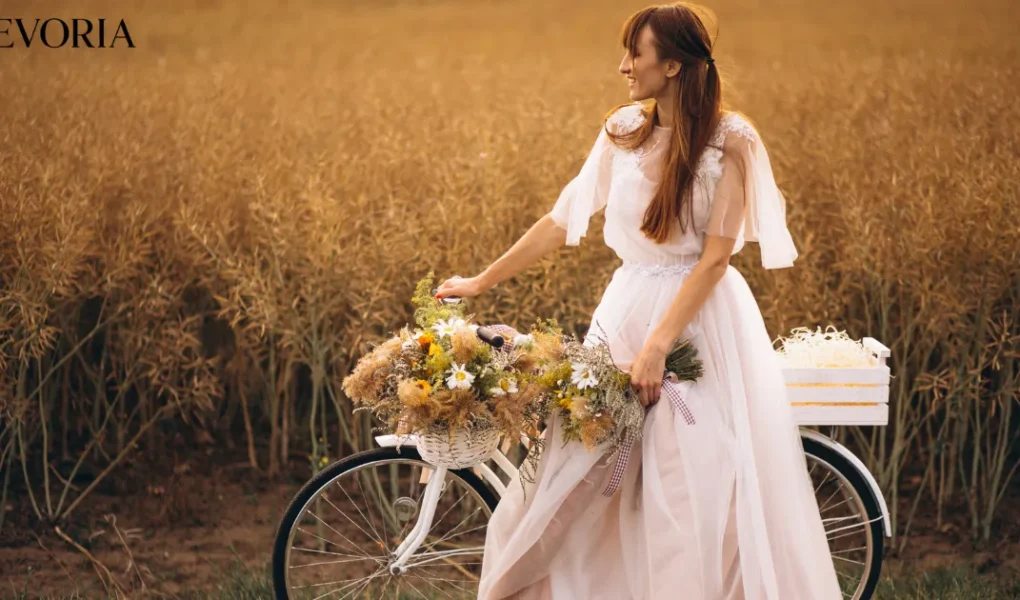
Retro Wedding Dresses: A Complete Guide to Eras, Styles, and Choosing the Right Look
Choosing a wedding dress with a retro feel opens up decades of style history, but it also raises a lot of practical questions that most style guides skip over. What decade actually fits your vision? Is there a real difference between “retro” and “vintage”? And will an older silhouette actually be comfortable for a full day of standing, dancing, and photos?
This guide breaks down what retro wedding dresses actually are, the defining silhouettes from each major era, how to choose one that suits your body type and wedding setting, and the practical details that matter once you move from inspiration to an actual dress.
What Is a Retro Wedding Dress
A retro wedding dress is a bridal gown designed to reflect the fashion styling of a specific past decade, most commonly the 1920s, 1950s, or 1970s, while typically being newly made rather than an original garment from that era. The term generally applies to new dresses inspired by historical silhouettes rather than dresses that are themselves decades old.
This is the key distinction between retro and vintage. “Retro” describes a style inspired by the past, while “vintage” typically refers to an actual garment made during that earlier era. A newly made dress with a 1950s-style full skirt is retro. An original 1950s dress purchased through a vintage or antique seller is vintage.
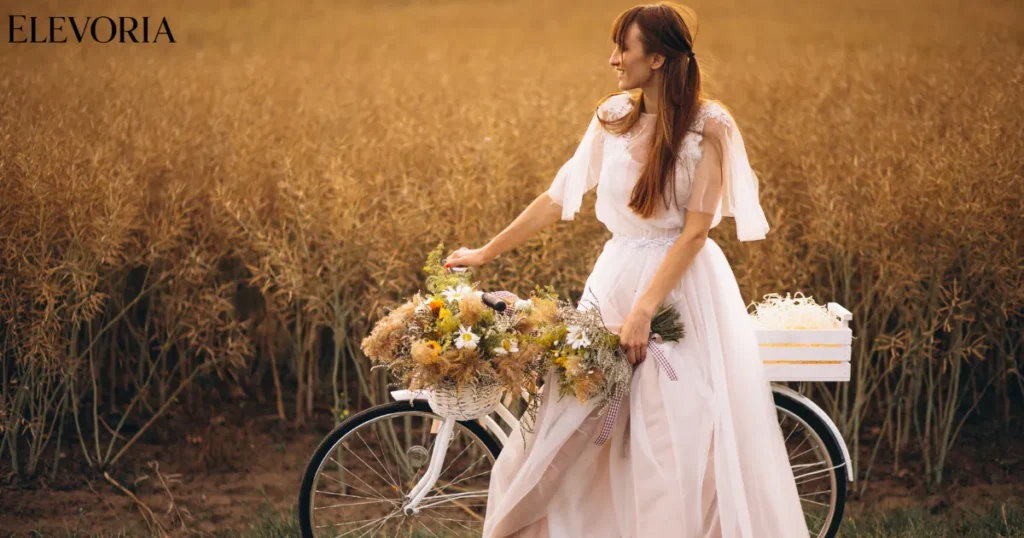
Retro vs Vintage Wedding Dresses
| Term | What It Means | Age of Garment | Sourcing |
|---|---|---|---|
| Retro | New dress styled after a past era | Newly made | Bridal shops, designers, online retailers |
| Vintage | Original garment from a past era | Decades old | Vintage shops, estate sales, specialty vintage bridal sellers |
| Vintage-inspired | Sometimes used interchangeably with retro | Newly made | Bridal shops and designers |
Both retro and vintage-inspired dresses generally offer more consistent sizing, fabric condition, and alteration flexibility compared to sourcing a genuinely old vintage garment, which may have condition issues or extremely limited size availability.
Retro Wedding Dress Styles by Era
1920s Style
Defined by dropped waistlines, straight silhouettes, and heavy embellishment such as beading, fringe, or lace overlays. This era suits brides drawn to an art deco aesthetic and a more relaxed, less structured silhouette through the waist and hip.
1950s Style
Known for fitted bodices, cinched waists, and full skirts, often in tea length or floor length. This era tends to emphasize an hourglass shape and works well for brides who want a classic, romantic silhouette with strong structure.
1960s Style
Featuring simpler, cleaner lines, often with higher necklines, shorter hemlines for daytime weddings, and minimal embellishment. This era suits brides drawn to a more modern, mod-inspired aesthetic within a retro theme.
1970s Style
Characterized by flowing, bohemian silhouettes, empire waistlines, bell sleeves, and softer, less structured fabric. This era works well for outdoor or garden weddings and suits brides who prefer a relaxed, romantic feel over a fitted structure.
How to Choose the Right Retro Era for Your Wedding
- Consider your venue and setting. A 1920s art deco style pairs naturally with an indoor, formal venue, while a 1970s bohemian silhouette often suits an outdoor or garden setting.
- Think about your body type comfort preferences. A 1950s fitted bodice offers more structure, while a 1970s empire waist offers more ease and flexibility through the midsection.
- Factor in the season. Heavier beaded 1920s styles or structured 1950s fabrics may feel warm for a summer wedding, while flowing 1970s fabrics tend to breathe better in warm weather.
- Align the era with your overall wedding theme. If other design elements, such as decor or invitations, already lean toward a specific decade, choosing a matching dress era creates a more cohesive overall aesthetic.
Choosing a Retro Dress for Your Body Type
- Hourglass body type: 1950s fitted bodice styles tend to highlight natural waist definition effectively.
- Pear body type: 1970s empire waistlines or 1920s straight silhouettes can balance proportions by minimizing emphasis on the hip.
- Apple body type: Empire waistlines from the 1970s era, which sit higher and skim over the midsection, often provide a comfortable and flattering fit.
- Athletic or straight body type: 1920s beaded, straight silhouettes or 1950s fitted styles can both add shape and visual interest.
Personal comfort and preference matter more than any single body type rule, and trying on multiple eras in person often reveals a better fit than expectations based on body type alone.
What to Wear as a Guest to a Retro-Themed Wedding
If the invitation specifies a retro or vintage theme, guests are generally expected to draw inspiration from a similar era without competing with the bridal party’s formality.
- Choose a specific decade to reference, such as a 1950s swing dress or a 1920s drop-waist style, rather than mixing eras
- Keep colors and formality appropriate to the wedding’s overall dress code, since a retro theme does not override the event’s formality level
- Accessories, such as gloves, headpieces, or era-appropriate jewelry, can reinforce the theme without requiring a full costume-level commitment
Sourcing a Retro Wedding Dress
Bridal retailers and designers commonly offer retro-inspired collections featuring era-specific silhouettes made with modern fabrics and construction, offering more reliable sizing and alteration options.
Vintage and antique bridal sellers offer genuine period garments, though these often come with limited sizing, higher care requirements, and sometimes fragile fabric that may limit alteration options.
Custom or made-to-order options allow a bride to specify a particular era’s silhouette while incorporating modern fabric, fit, and comfort preferences, which can offer the best combination of aesthetic and practicality for many brides.
Common Mistakes People Make
Confusing retro and vintage when shopping. This can lead to unexpected sizing and condition issues if a bride expects a newly made retro dress but ends up purchasing an actual decades-old vintage garment, or the reverse.
Choosing an era based on trend alone rather than comfort. A heavily structured or embellished style may look stunning in photos but feel uncomfortable during a full day of wearing, standing, and dancing.
Overlooking alteration availability for genuine vintage pieces. Original vintage fabric can be more delicate and harder to alter significantly compared to a newly constructed retro dress.
Ignoring venue and season when choosing a silhouette. A heavy 1950s structured gown may not suit an outdoor summer wedding as comfortably as a lighter 1970s bohemian silhouette.
Assuming a retro dress must be an exact period replica. Many successful retro wedding looks blend era-inspired details with modern fabric, fit, and construction rather than recreating a decade exactly.
Expert Insight: Fabric Construction Affects Comfort More Than Silhouette Alone
A detail often overlooked in retro wedding dress guides is that modern retro-inspired dresses can replicate a historical silhouette while using significantly more comfortable and breathable fabric than the original era would have used. A 1950s-style full skirt made with a lightweight modern lining, for example, can look nearly identical to an original garment while being considerably more comfortable for a full day of wear. This is one of the practical advantages of choosing a retro-inspired dress over sourcing a genuine vintage piece.
Actionable Recommendations
- Try on dresses from at least two different retro eras before deciding, since fit and comfort often differ from expectations based on photos alone
- Choose a retro-inspired new dress rather than a genuine vintage piece if reliable sizing, alteration flexibility, and fabric comfort are priorities
- Match your dress era to your venue and season for the most cohesive and comfortable overall experience
- If sourcing genuine vintage, work with a specialty vintage bridal seller who can advise on fabric condition and realistic alteration limits
- For wedding guests, choose one clear decade reference rather than mixing multiple eras, and confirm formality expectations with the couple if the invitation is unclear
Conclusion
A retro wedding dress lets you borrow the most striking design elements from a past decade, whether that is 1920s beading, 1950s structure, or 1970s flowing romance, without necessarily sourcing an actual vintage garment. Choosing an era that matches your venue, season, and comfort preferences, and understanding the real difference between retro and vintage, makes it much easier to find a dress that feels as good as it looks.
Frequently Asked Questions
What is considered a retro wedding dress? A retro wedding dress is a newly made bridal gown styled after a specific past decade, most commonly the 1920s, 1950s, 1960s, or 1970s, rather than an actual garment from that era.
What is the difference between vintage and retro wedding dresses? Vintage refers to an original garment made during a past decade, while retro refers to a newly made dress designed to reflect that decade’s style.
What era is best for a retro-themed wedding? This depends on your venue, season, and personal style preference. Structured eras like the 1950s suit formal indoor venues, while flowing 1970s styles often suit outdoor or garden settings.
Can you buy a true vintage wedding dress instead of a retro-inspired one? Yes, through specialty vintage bridal sellers, estate sales, or antique shops, though genuine vintage pieces often have limited sizing and more fragile fabric than newly made retro dresses.
What should guests wear to a retro-themed wedding? Guests are generally expected to reference a specific decade’s style, such as a 1950s swing dress, while still respecting the wedding’s overall formality and dress code.
Are retro wedding dresses comfortable to wear all day? Modern retro-inspired dresses often use more breathable, flexible fabric than the original era would have used, which can make them considerably more comfortable while still achieving the intended silhouette.
Can a retro wedding dress be altered easily? Newly made retro-inspired dresses generally offer more alteration flexibility than genuine vintage pieces, since original vintage fabric can be more delicate and limited in how much it can be adjusted.
Does a retro wedding dress have to match a full vintage theme? No. Many brides choose a retro-inspired dress purely for the silhouette and aesthetic without extending the theme to the rest of the wedding décor or details.
Read More: Visocchi Sestini Wedding in Naples: The Full Story
[…] Read More: Retro Wedding Dresses: Eras, Styles & Buying Guide […]
[…] Read More: Retro Wedding Dresses: Eras, Styles & Buying Guide […]
[…] Read More: Retro Wedding Dresses: Eras, Styles & Buying Guide […]