
Moisturizers: A Complete Guide to Types, Ingredients, and How to Choose
Walk into any drugstore or beauty retailer, and you will find shelves lined with moisturizers in every texture, price point, and formulation imaginable. Gels, lotions, creams, and ointments all promise hydration, but how do you know which one is actually right for you?
The short answer is that there is no single “best” moisturizer for everyone. As board-certified dermatologist Rebecca Kazin, MD, FAAD, explains, “There’s definitely not a one-size-fits-all for all skin types”. The right moisturizer for you depends on your skin type, the severity of any dryness you are experiencing, and your personal preferences.
This guide covers everything you need to know about moisturizers: what they are, how they work, the different types, key ingredients to look for, and how to choose the right one for your skin.
What Is a Moisturizer?
A moisturizer is a skincare product that puts moisture into the skin while also preventing water from leaving the skin. According to the American Academy of Dermatology (AAD), moisturizers can describe a number of different products, including lotions, gels, creams, and ointments.
Moisturizers serve several important functions:
- Hydrate the skin by attracting and retaining water
- Strengthen the skin barrier to lock in moisture and keep irritants out
- Smooth and soften the skin’s surface, reducing the appearance of fine lines
- Prevent moisture loss by creating a protective barrier on the skin
Dermatologists agree that moisturizer and sunscreen are the two most effective anti-aging products you can buy. An anti-aging moisturizer helps to minimize fine lines, and it is so effective that moisturizer is the secret ingredient in many anti-aging products.
How Moisturizers Work: The Three Key Ingredients
Effective moisturizers contain a combination of three types of ingredients, each playing a different role in hydrating and protecting your skin.
Humectants: Attract Water to the Skin
Humectants draw moisture from the air and deeper layers of the skin into the outer layer. They help increase the water content of the skin.
Common humectants include:
- Glycerin (glycerol) : A powerful humectant that draws moisture into the skin
- Hyaluronic acid and sodium hyaluronate: Humectants that can hold many times their weight in water
- Urea: Helps attract and retain water while softening rough texture
- Lactic acid: Acts as a humectant while providing gentle exfoliation
- Sodium PCA, sorbitol, and panthenol
Emollients: Smooth and Soften
Emollients fill in the gaps between skin cells, making the skin feel smooth and soft. They also help repair the skin barrier.
Common emollients include:
- Ceramides: Lipids that occur naturally in the skin and are essential for a healthy skin barrier. They help restore the skin’s natural moisture barrier
- Shea butter: A rich emollient that soothes and softens dry skin
- Fatty acids: Help repair and strengthen the skin barrier
- Squalane: A plant-derived moisturizer that helps increase hydration
Occlusives: Seal Moisture In
Occlusives create a physical barrier on top of the skin that traps water and prevents evaporation. They are the most effective ingredients for very dry or cracked skin.
Common occlusives include:
- Petrolatum (petroleum jelly) : The most effective occlusive ingredient, forming a protective barrier that minimizes water loss
- Mineral oil: Helps seal in moisture
- Lanolin: A moisturizing ingredient that helps reduce dryness
- Dimethicone: A silicone-based occlusive that smooths the skin
- Zinc oxide
As Dr. Dawn Davis, a Mayo Clinic dermatologist, explains, “The most inert natural hypoallergenic product that you can find in a moisturizer is petrolatum as in petroleum jelly”. Petrolatum sits on top of the skin like a greenhouse roof, insulating the skin so that it doesn’t lose heat and doesn’t lose moisture.
Types of Moisturizers: Gels, Lotions, Creams, and Ointments
The AAD explains that there are subtle differences among moisturizer types. Choosing the right texture depends on your skin type and the severity of dryness.
Gel
A gel is often water-based and tends to feel lighter on the skin than a lotion. Gels are best for people with oily skin, as they provide hydration without heaviness.
Best for: Oily and acne-prone skin
Lotion
A lotion is thicker than a gel but still relatively lightweight. Lotions contain water and some oil and soak into the skin. Lotions are generally water-based.
Best for: Normal skin and seasonal dryness
Cream
A cream is thicker and has higher oil content than a lotion and gel, making it more hydrating. Creams contain water and oil and soak into the skin.
Best for: Dry skin, mature skin, and perimenopausal people and everyone 50 and older
Ointment
An ointment is the thickest of all, making it the most effective in remedying dry skin. Ointments contain oil and sit on top of the skin.
Best for: Very dry, cracked, or compromised skin
According to Dr. Jason A. Clark, MD, FAAD, “If your skin tends to be dry, and winter is making it even more so, skip the lotion and go for something thicker and more effective. Creams are going to add more”.
Choosing a Moisturizer by Skin Type
Choosing the right moisturizer for you depends on your skin type and the severity of dryness you’re experiencing.
For Normal Skin
If you are experiencing seasonal dryness in otherwise-normal skin, lotion is sufficient for most younger people. With age, however, the skin holds less moisture and needs more assistance. Perimenopausal people and everyone 50 and older should be using a cream-based moisturizer.
For Dry Skin
If your skin tends to be dry, skip the lotion and go for something thicker and more effective. Creams are going to add more hydration than lotions. Look for products containing humectants and occlusive agents.
The MSD Manual notes that thicker moisturizers such as petrolatum- or oil-based moisturizers are more effective than water-based lotions, although water-based lotions may be better tolerated in warmer climates.
For Oily Skin
Even with oily skin, moisturizer is typically needed. For some people with oily skin, the AAD recommends using a gel moisturizer, which is lighter than other types. Gel moisturizers can reduce oiliness while hydrating the skin.
For Sensitive Skin
If you have sensitive skin, you want to see the words “sensitive skin” on the label. Choose fragrance-free, hypoallergenic products. Dr. Davis recommends using a hypoallergenic, fragrance-free moisturizer.
For Mature Skin
Mature skin will benefit from oil-based moisturizers to preserve moisture. Look for cream-based moisturizers and products containing anti-aging ingredients like retinol, vitamin C, and niacinamide.
Key Moisturizer Ingredients to Look For
Ceramides
Ceramides are lipids that occur naturally in the skin and are essential for a healthy skin barrier. They help restore the skin’s natural moisture barrier and are particularly beneficial for dry skin. You can reduce the whitish or grayish-white appearance of dry skin by using a moisturizer with ceramides.
Hyaluronic Acid
Hyaluronic acid is a humectant that attracts and retains moisture in the skin. It provides deep hydration without adding oil and is suitable for all skin types.
Glycerin
Glycerin is a powerful humectant that draws moisture into the skin. It is a common and effective ingredient in moisturizers for dry skin.
Niacinamide (Vitamin B3)
Niacinamide may help reduce the signs of aging and improve skin tone. It also calms the skin, which may help other ingredients work better.
Retinol
Retinol is a milder type of retinoid made from vitamin A. It is used in skin care to help smooth wrinkles and reduce discoloration. Retinol might cause skin irritation at first, but this often lessens over time. Retinoids, including retinol, should not be used during pregnancy.
Vitamin C (Ascorbic Acid)
When used daily, vitamin C can help protect skin from damage caused by sun and pollution. It also may improve skin tone. Look for the ingredient L-ascorbic acid on the label.
How to Apply Moisturizer Correctly
Even the best moisturizer won’t work effectively if you apply it incorrectly. Here are dermatologist-approved tips.
Apply to Damp Skin
The single best time to apply moisturizer is right after a shower or bath, while your skin is still damp. Moisturizer traps water in your skin, helping it look brighter and younger. You can even give your skin a quick spritz of water before applying the moisturizer.
The 3-Minute Rule
Apply moisturizer within three minutes after bathing or cleansing. Dr. Bailey calls this “the magic 3-minute rule”.
Use Gentle, Upward Motions
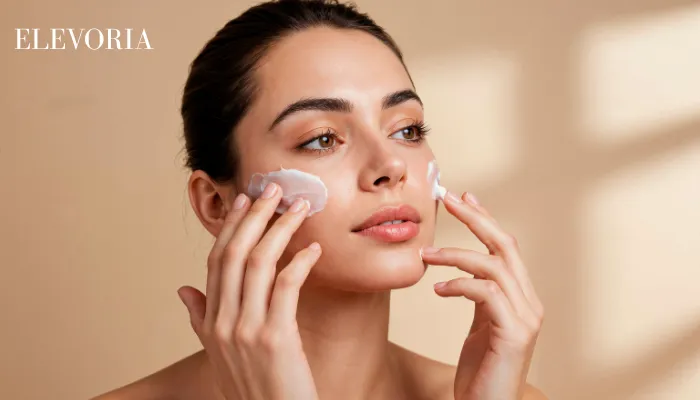
Apply moisturizer with your hands using gentle upward motions. Do not rub or tug at your skin; instead, use gentle pressure to sweep the product across your face. Creams are best applied by patting them gently into the skin.
Moisturize Twice Daily
Apply moisturizer morning and night. According to the AAD, moisturizers lock in moisture and help prevent transepidermal water loss, or water evaporating from your skin. Moisturizers help prevent eczema, contact dermatitis, and other kinds of skin irritation.
Common Mistakes to Avoid
Choosing Fragranced Products
“Unscented doesn’t necessarily mean that it doesn’t have fragrance. Oftentimes unscented just means more chemicals,” says Dr. Davis. Look for “fragrance-free” rather than “unscented”.
Using the Wrong Texture
Using a lotion when you need a cream, or a cream when you need an ointment, can leave your skin under-moisturized. Choose a product based on your skin type and the severity of dryness.
Skipping Moisturizer on Oily Skin
Even if you have oily skin, you need a moisturizer. Skipping moisturizer can lead to dehydration, which may trigger increased oil production.
Expecting Overnight Results
Moisturizers can make skin look smoother and temporarily plump the skin, making lines and wrinkles less visible. However, long-term improvement in skin barrier function takes consistent use over time.
Frequently Asked Questions
What is the difference between a lotion, cream, and ointment?
A lotion is generally water-based and feels light on the skin. A cream is thicker and has higher oil content, making it more hydrating. An ointment is the thickest of all, making it the most effective in remedying dry skin.
What ingredients should I look for in a moisturizer?
Look for humectants (glycerin, hyaluronic acid), emollients (ceramides, shea butter), and occlusives (petrolatum, mineral oil).
How often should I apply moisturizer?
Apply moisturizer at least twice daily, in the morning and at night. Apply it more frequently if your skin feels dry.
Should I apply moisturizer to damp or dry skin?
Apply moisturizer to damp skin. This helps trap water in your skin and keep it from evaporating. The “magic three-minute window” after bathing is the ideal time to apply.
Can I use the same moisturizer on my face and body?
You can, but facial moisturizers are often formulated differently to address the specific needs of facial skin. Body moisturizers may be too heavy and can clog facial pores.
Why does my skin still feel dry after moisturizing?
You may be using the wrong type of moisturizer (lotion instead of cream), not applying it to damp skin, or not reapplying often enough. You may also need a more occlusive product like an ointment.
Are expensive moisturizers better?
No. Effective products come in all price ranges. “Clinically proven” does not mean the product underwent clinical trials and received FDA approval.
Is it safe to use retinol during pregnancy?
No. Retinoids, including retinol, should not be used during pregnancy. Bakuchiol is a gentler, plant-based alternative that is safe to use during pregnancy.
Conclusion
Choosing the right moisturizer is about understanding your skin type and selecting a product with the right texture and ingredients. Start with a product formulated for your skin type, a gel for oily skin, a cream for dry skin, and an ointment for very dry or compromised skin. Look for proven ingredients like ceramides, hyaluronic acid, and glycerin. Apply it to damp skin, especially after bathing, and reapply as needed.
Remember these key principles:
- Choose a texture that matches your skin type
- Look for fragrance-free, hypoallergenic products if you have sensitive skin
- Apply to damp skin for maximum absorption
- Moisturize at least twice daily
- Don’t skip moisturizer even if you have oily skin
- Price does not equal effectiveness, focus on ingredients
Patch Test Note: Before using any new moisturizer, perform a patch test on a small area of skin to check for adverse reactions. Skin reactions and results vary significantly by individual and skin type.
Important: This article is for educational purposes and does not constitute medical advice. The information provided is general in nature and not a substitute for professional medical evaluation. If you have persistent, severe, or worsening skin concerns, see a licensed healthcare provider rather than relying on this information.
Read More: Skincare Sets: Benefits, How to Choose, and What to Look For

[…] Read More: Moisturizers: A Complete Guide to Types, Ingredients, and How to Choose […]