
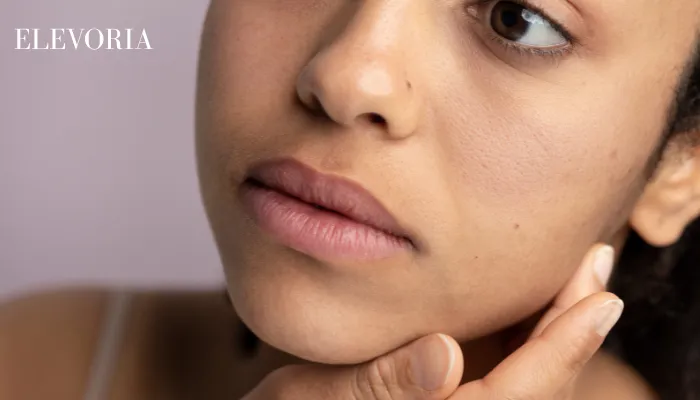
Dehydrated Skin: Signs, Causes, and How to Fix It
Does your skin feel tight and look dull, yet still feel greasy? Do fine lines appear more pronounced even though you are using rich creams? You might be dealing with dehydrated skin. This common condition is often misunderstood, leading people to treat it incorrectly.
Dehydrated skin is a temporary condition where the skin lacks water, according to dermatologist Alina Bridges, MD, of Northwell Health. It is not the same as having a dry skin type. While dry skin is a skin type characterized by a lack of oil (sebum), dehydrated skin is a condition anyone can experience, regardless of their skin type. In fact, it is possible to have oily, acne-prone skin that is also dehydrated.
This guide covers the signs and symptoms of dehydrated skin, what causes it, and dermatologist-approved steps to restore your skin’s hydration and barrier health.
What Is Dehydrated Skin?
Dehydrated skin lacks water in the stratum corneum, which is the outermost layer of the skin. It is a condition caused by insufficient water content in the skin cells. The medical term for this is “transepidermal water loss”, when water evaporates from the skin faster than it can be replaced.
According to the American Academy of Dermatology (AAD), excessively dry skin is dehydrated skin. The AAD notes that when skin loses enough moisture, it becomes noticeably dehydrated, leading to signs like dryness, more noticeable fine lines, and itch.
Key Differences: Dehydrated Skin vs. Dry Skin
Understanding the difference between dehydrated and dry skin is crucial for choosing the right treatment.
| Feature | Dehydrated Skin | Dry Skin |
|---|---|---|
| Definition | A temporary condition where the skin lacks water | A skin type where the skin produces insufficient oil (sebum) |
| Cause | Lack of water in the skin’s outer layer | Lack of lipids (oil) to lubricate and protect the skin |
| Can produce oil? | Yes, can still appear greasy or oily | No, produces little to no sebum |
| Nature | Temporary condition | Chronic skin type |
| Primary need | Water and help retaining it | Oil-rich barrier support to hold onto moisture |
Dehydrated skin is about water, while dry skin is about oil. As dermatologist Marisa Garshick, MD, explains: “Naturally dry skin has less active oil glands and therefore lower sebum production… Whereas dehydrated skin can still produce oil, it’s really about lacking water.”
Signs and Symptoms of Dehydrated Skin
The AAD identifies several key signs of dehydrated skin:
- Dull or tired appearance – Skin loses its natural glow
- Tightness – Skin feels tight, especially after washing
- More noticeable fine lines – Dehydration makes fine lines and wrinkles more pronounced
- Itchiness – Dehydrated skin often itches
- Rough texture and flaking – Skin may feel rough and flaky
- Sensitivity – Skin may sting or burn more easily
- Uneven skin tone – Dehydrated skin can look blotchy
- Accelerated signs of aging – Such as sagging skin and deep wrinkles
The Pinch Test
One way to check for dehydration is the skin turgor test. Pinch the skin on the back of your hand with your thumb and index finger. Mayo Clinic notes that if the skin doesn’t flatten back right away after being pinched, it may indicate dehydration. The skin should normally return to its original position within a couple of seconds.
What Causes Dehydrated Skin?
Dehydrated skin occurs when the skin loses water faster than it can be replaced. Several factors contribute to this.
Environmental Factors
- Cold or dry weather: The AAD notes that you can develop excessively dry skin during winter when the humidity in the air drops. When the temperature drops, the humidity tends to drop with it, causing skin to dehydrate.
- Low humidity: Indoor heating, air conditioning, and fireplaces all reduce humidity.
- Excessive sun exposure: UV rays can damage the skin barrier and accelerate moisture loss.
Lifestyle and Habits
- Not drinking enough water: Dehydration occurs when the body uses or loses more fluid than it takes in. When you’re dehydrated, your body conserves water by pulling it away from less critical areas, like your skin.
- Using harsh cleansers: Harsh soaps and cleansers strip the skin of its natural oils and weaken the barrier.
- Overusing acids and active ingredients: Over-exfoliating with AHAs, BHAs, and retinoids can damage the skin barrier and lead to water loss.
- Hot water: Long, hot showers strip protective oils from your skin.
- Inflammation and pollution: Environmental pollutants and inflammation can weaken the skin barrier.
Internal Factors
- Diet and lifestyle: An unhealthy diet and lifestyle choices like smoking or alcohol consumption deplete the water in your skin.
- Certain medications: Some medications, including diuretics and statins, can cause extremely dry skin as a side effect.
- Stress: Intense stress is a known trigger for skin dryness.
How to Treat Dehydrated Skin
Treating dehydrated skin requires a two-pronged approach: restoring water to the skin and strengthening the skin barrier to prevent further water loss. Dermatologists recommend the following strategies.
1. Drink Enough Water
Dehydration is often caused by not drinking enough fluids. The Mayo Clinic notes that dehydration occurs when the body uses or loses more fluid than it takes in.
Drinking enough water can play a role in keeping your skin hydrated and moisturized. As a first step, aim to drink at least 1.5 to 2 liters of water per day, unless your doctor advises otherwise.
2. Use Humectants to Draw Water In
Dehydrated skin wants water, and you need products with ingredients that attract and hold moisture.
Key humectants to look for:
- Hyaluronic acid: A powerful humectant that can hold up to 1000 times its weight in water.
- Glycerin: Another effective humectant that draws water into the skin.
- Niacinamide: Supports the skin barrier and helps retain moisture.
- Panthenol: A humectant that helps soothe and hydrate the skin.
3. Apply Moisturizer to Damp Skin
The AAD recommends applying moisturizer while your skin is still damp after bathing. This helps trap water in your skin and keep it from evaporating. The Cleveland Clinic advises that applying moisturizer after a shower when your skin is damp helps lock that moisture in.
4. Choose the Right Moisturizer
Dermatologists recommend using creams or ointments rather than lotions for dehydrated skin, as they are more effective and less irritating. Look for products containing:
- Ceramides: Help restore the skin barrier
- Urea: A humectant that helps break down dead skin and lock in moisture
- Petroleum jelly: A highly effective occlusive that prevents water loss
- Glycerin and hyaluronic acid: For attracting and holding water
5. Use Gentle, Fragrance-Free Products
Harsh soaps and fragrances can irritate dehydrated skin. Choose gentle, fragrance-free cleansers and moisturizers.
6. Take Shorter, Cooler Showers
The Cleveland Clinic recommends limiting showers to between five and ten minutes in lukewarm water to protect your skin’s natural barriers. Hot water dries the oils out of your skin.
7. Use a Humidifier
Using a humidifier in heated rooms adds moisture to the air and can help prevent skin dehydration.
8. Consider Slugging
If your skin is severely dehydrated, applying a coating of petroleum jelly at night can help prevent further water loss and allow your skin to repair itself. This practice, known as slugging, can be particularly effective for dehydrated skin.
9. Reduce Exfoliation
Cut back on products containing alpha-hydroxy acids (AHAs) and beta-hydroxy acids (BHAs) when your skin is dehydrated. These can be irritating even when combined with moisturizing creams and may worsen water loss.
When to See a Doctor
Most cases of dehydrated skin respond well to self-care. However, you should talk to a dermatologist if:
- Your skin does not improve despite self-care steps
- Your skin becomes inflamed or painful
- You have open sores or infections from scratching
- You have large areas of scaly or peeling skin
- You experience systemic signs of dehydration, such as extreme thirst, dark-colored urine, tiredness, dizziness, or sunken eyes
Frequently Asked Questions
What is dehydrated skin?
Dehydrated skin is a temporary condition where the skin lacks water in its outer layer. It can affect anyone, regardless of skin type, and is often caused by environmental factors, lifestyle habits, and a weakened skin barrier.
How do I know if my skin is dehydrated?
Signs of dehydrated skin include dullness, tightness, more noticeable fine lines, itchiness, rough texture, flaking, and increased sensitivity. You can also try the skin turgor test: pinch the skin on the back of your hand; if it doesn’t flatten back right away, it may indicate dehydration.
What is the difference between dehydrated skin and dry skin?
Dehydrated skin lacks water and is a temporary condition. Dry skin lacks oil (sebum) and is a chronic skin type. It is possible to have oily skin that is also dehydrated.
What causes dehydrated skin?
Common causes include cold or dry weather, low humidity, excessive sun exposure, harsh cleansers, over-exfoliating, hot water, not drinking enough water, and certain medications.
How do I fix dehydrated skin?
Dermatologists recommend drinking enough water, using humectants like hyaluronic acid and glycerin, applying moisturizer to damp skin, using gentle fragrance-free products, taking shorter cooler showers, using a humidifier, and reducing exfoliation.
Can oily skin be dehydrated?
Yes. Dehydrated skin can still produce oil. If you have oily skin that feels tight, looks dull, and shows fine lines, it may be dehydrated. The solution is to add water, not oil.
What ingredients are best for dehydrated skin?
Look for humectants like hyaluronic acid, glycerin, niacinamide, and panthenol. Also look for barrier-repairing ingredients like ceramides and urea. Use creams or ointments rather than lotions.
How long does it take to fix dehydrated skin?
With consistent care, you may notice improvements within a few days to a week. However, restoring the skin barrier can take several weeks of consistent, gentle care.
When should I see a dermatologist?
See a dermatologist if your dehydrated skin does not improve with self-care, becomes painful, develops open sores, or if you have systemic signs of dehydration like extreme thirst, dizziness, or dark urine.
Conclusion
Dehydrated skin is a common and treatable condition. The key is to understand that it is different from having a dry skin type. Dehydrated skin needs water and help retaining it, while dry skin needs oil.
By drinking enough water, using products with humectants like hyaluronic acid and glycerin, applying moisturizer to damp skin, and protecting your skin barrier, you can restore your skin’s hydration and achieve a healthy, radiant complexion.
Important: This article is for educational purposes and does not constitute medical advice. The information provided is general in nature and not a substitute for professional medical evaluation. If you have persistent, severe, or worsening skin concerns, see a licensed healthcare provider rather than relying on this information.
Read More: Moisturizers: A Complete Guide to Types, Ingredients, and How to Choose


[…] Read More: Dehydrated Skin: Signs, Causes, and How to Fix It […]