
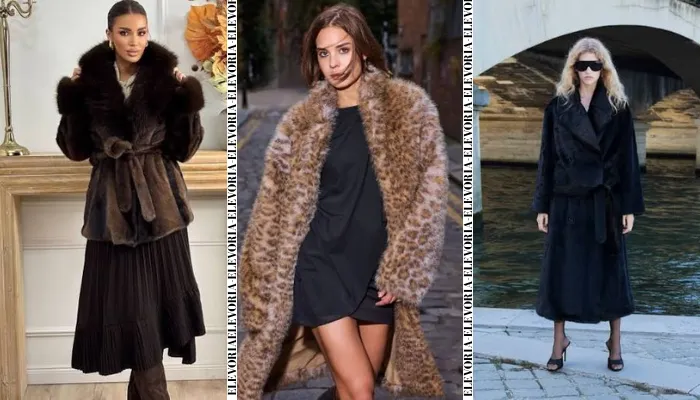
Fur and Coat: The Complete 2026 Guide to Styles, Ethics and Care
Introduction
Fur and coats have always been more than functional garments. They are statements of style, warmth, and identity. But in 2026, the conversation around fur has shifted in ways that would have been hard to predict just a few years ago. Faux fur has moved from a compromise to a design statement. Shearling has become a luxury material in its own right. And plant-based alternatives made from hemp, flax, and nettle are emerging as the most quietly disruptive innovation in recent fashion history.
The runways tell the story. At Paris Fashion Week, “faux fur coats prepared their return thoughtfully and gradually, making their way back to the epicenter of fashion happenings”. At Saint Laurent, “oversized fur coats cut with broad shoulders and sweeping lengths added a sense of glamour to the collection”. At Louis Vuitton, a vest made from plant-based fur crafted from hemp, flax, and nettle was unveiled, described as “compostable, cruelty-free, and one of the most quietly disruptive moments in recent fashion history”.
At the same time, the industry is moving away from animal fur. The Council of Fashion Designers of America announced that as of September 2026, “animal fur will no longer be permitted in collections on the official schedule” at New York Fashion Week. This landmark decision applies to animals killed specifically for their pelts, with a vital exemption for fur obtained by Indigenous communities through traditional subsistence hunting practices.
For anyone shopping for a coat in 2026, the options are broader than ever. This guide covers the defining trends, the different types of fur and coat materials, styling advice for every body type, plus size options, sustainable choices, care guidance, and where to shop in the UK.
The 2026 Fur and Coat Trends
Faux Fur Takes Centre Stage
Faux fur has become “one of the season’s most dominant visual statements”. At Saint Laurent, Anthony Vaccarello presented “oversized fur coats cut with broad shoulders and sweeping lengths” that added “a sense of glamour to the collection”. At Acne Studios, “oversized fur collars” were a key feature, while Bottega Veneta “pushed proportions even further with bold coats that seemed too good to be true”.
The key shift is that faux fur is no longer treated as a lesser alternative. As Esquire India puts it, “faux fur has achieved in a few decades what real fur never needed to attempt: reinvention under pressure”. Designers are “dyeing it in unlikely shades, shaving it down to unexpected finishes, and wrapping it into new meaning”.
Shearling and Teddy Coats
Shearling has emerged as a luxury material for 2026. The Fall/Winter 2026 season saw “fur appeared as subtle accents rather than the main character, with leopard-print trims along jacket zippers, tactile calf-hair coats, and plush collars”. Teddy coats, with their fluffy, plush texture, remain a popular choice for those who want warmth without the formality of traditional fur.
Plant-Based Fur
The most significant innovation in fur and coat materials is the emergence of plant-based alternatives. BioFluff’s Savian material is “a fully plant-based faux fur made from natural fibers like flax, developed as an alternative to animal and synthetic fur”. It is “made from natural materials such as nettles, flax, and hemp” and is “entirely free of plastics”.
Savian’s environmental credentials are notable. Its “carbon footprint sits at least 75% below plastic faux fur and 95% below animal fur”. It is “industrially compostable in 12 weeks, biodegradable in a landfill within a few years, and recyclable within textile-to-textile systems”. Louis Vuitton showcased a vest made from this material at Paris Fashion Week 2026.
Coloured and Textured Fur
Colour is a defining trend for fur and coats in 2026. Louise Trotter at Bottega Veneta “asked why fur should be limited to its traditional, muted colours”. The result is fur in unexpected shades and finishes, from pastel Rick Owens coats to dyed and shaved textures. Texture is equally important, with “touch-worthy texture” being a key theme of the season.
Funnel Necks and Belted Silhouettes
The River Island Brown Faux Fur Belted Robe Coat, priced at £110, exemplifies the 2026 silhouette. It features “a rich brown faux-fur finish, funnel neckline, long sleeves and a belted waist that pulls the whole silhouette together”. This combination of volume and structure is a defining feature of the season’s best coats.
Understanding Fur and Coat Materials
Real Fur
Real fur remains controversial. As Flannels notes, “real fur still remains incredibly controversial, with most houses no longer using the material”. Mink, fox, rabbit, karakul lamb, chinchilla, coyote, and raccoon dog are among the fur types now banned from New York Fashion Week.
From an environmental perspective, research has found that “producing mink fur was worse than cotton, polyester, wool and acrylic on 17 of 18 environmental measures”. The climate change impact of mink fur is “five times higher than the second worst-offending textile (wool) and six times higher than a faux-fur alternative”.
For those considering vintage real fur, the resale market has softened significantly. “With changing attitudes and more coats on the market than there are buyers, demand has softened”. Well-maintained vintage furs typically sell for between $100 and $1,500.
Faux Fur
Faux fur is typically made from synthetic fibres, most commonly polyester and acrylic. It is “fossil-based and sheds microplastics,” according to ACTAsia, “but real fur also has a very high environmental footprint, so faux is the kinder overall choice”.
Modern faux fur has advanced significantly in quality. Wjy Studio London’s eco-friendly jacket offers “a luxurious, cruelty-free alternative with its soft, plush texture”. The material is designed in “a slightly oversized silhouette” with “a wide collar and hidden closures for a sleek look”.
Plant-Based Fur (Savian)
Savian by BioFluff represents the next generation of fur alternatives. It is “a 100 percent plant-based, completely plastic and GMO-free material” made from “plant fibres, mainly flax, nettle, and hemp, sourced directly from European farmers and processed through an enzymatic treatment”. It is “the world’s first completely plant-based alternative to fur”.
Shearling
Shearling is the tanned skin of a sheep or lamb with the wool still attached. It is a natural material that provides exceptional warmth and durability. The CFDA has confirmed that “leather and shearling are not part of the ban” on animal fur at New York Fashion Week. Shearling coats are a popular choice for those who want the warmth and texture of fur without the ethical concerns associated with fur farming.
Wool and Cashmere Blends
For those who prefer to avoid fur entirely, wool and cashmere blend coats offer warmth and sophistication. These are the traditional materials of tailored outerwear, and they remain a reliable choice for formal and professional settings.
How to Style Fur and Coats
Treat Fur Like a Neutral
The most important styling principle for fur coats in 2026 is to treat them like a neutral, not a personality. As Who What Wear advises, “The key is treating fur like a neutral, not a personality”. Wear it “over straight-leg jeans and a plain knit,” “with tailored trousers and loafers,” or “over an otherwise-boring outfit”.
Keep the Base Minimal
For a faux fur coat, styling experts recommend keeping the base look minimal. “Let the coat do the talking by pairing it with clean, tonal layers underneath. Choose modern neutrals over high contrast: think chocolate”. The goal is to let the coat be the focal point without competition from the rest of the outfit.
Proportion and Balance
When wearing a voluminous fur coat, balance is key. “Want to lessen the visual weight of a dense fur coat? Add streamlined pieces to the mix, like tailored trousers and slim kitten heels”. For a full-length coat, “pair a vintage fur coat with minimalist accessories, contemporary footwear, or relaxed denim”.
For Daytime
A fur coat can work beautifully for daytime when styled appropriately. “Try a full-length coat with straight-leg jeans and ankle boots, or wear a vintage fur jacket over a simple knit and tailored trousers”. The River Island styling guide suggests “throw it over straight-leg or wide-leg jeans, add pointed-toe boots, and finish with oversized sunglasses and a structured handbag”.
For Evening
For evening occasions, “pair a vintage mink coat with minimalist accessories, contemporary footwear, or relaxed denim”. A structured vintage jacket “can work particularly well with wide-leg trousers or a modern handbag”. The key is to let the coat provide the glamour while keeping the rest of the outfit sleek.
For Women Over 50
Style experts note that “big lapels, oversized cuts, and rich textures are incredibly kind to an older face and body”. Quality faux fur is “long-lasting, moth-resistant, and perfect for city winters”. The advice is to avoid “too long-haired or feathery” styles, as “the mood is more sophisticated”.
Choosing a Fur or Coat for Your Body Type
Svelte and Petite Figures
For smaller frames, “these are made proportionally for petite women with shorter arms and torsos, not just an abbreviated hemline”. A cropped fur jacket or a car-length coat can be particularly flattering. Avoid full-length coats that may overwhelm your frame.
Fuller Figures
For fuller figures, “naturally top-heavy people will look much better in cinched fur coats with belted waists, or coats with a double-breasted look”. Mink “sits close to the body” and can be a flattering choice. Fox fur “adds volume” and “on fuller figures, fox often works most elegantly as a collar, cuff or hood trim rather than a full coat”.
Tall Figures
Tall figures can carry longer, more dramatic coats. A full-length fur coat or a sweeping maxi coat works particularly well. “On a tall” frame, fox fur “makes its presence felt even as a short jacket”.
The Universal Rule
The most basic rule, no matter your body type, is to “never wear a full-fur garment that is too tight or too fitted to your figure”. A fur coat should feel comfortable and allow for layering.
Plus Size Fur and Coats in the UK
The plus size market for fur and coats has expanded significantly, with more options than ever for flattering, stylish choices.
Key UK Retailers
Roman UK offers “plus size fur coats” within its collection of plus size coats and jackets. The Curve Fluffy Textured Coat is available at £45.00 (reduced from £59.00) and the Curve Textured Faux Fur Gilet at £36.00. The retailer notes that you can “embrace the elegance with our plus size fur coat” and that the collection includes “the most slimming coats for plus size”.
Chi Chi Clothing offers the Plus Size Contrast Trim Belted Shearling Coat in Black at £70.00, described as “designed for those size 18 and above, our Plus Size pieces are made with you in mind, featuring flattering fabrics and cuts to ensure you look and feel your best”.
Goddiva offers the Plus Size Plush Faux Fur Coat In Black by Chi Chi London, designed for those size 18 and above.
Karen Millen offers the Plus Size Mock Shearling Fur Cuff Belted Coat at £149.00, reduced to £104.00.
Body-Inclusive Styling
The goal is not to conceal but to feel confident. A well-fitted coat in a flattering silhouette will always look better than a shapeless one. Sizing varies by brand. Always check the specific brand’s size chart and read reviews for fit guidance.
Sustainable Fur and Coat Options
Plant-Based Alternatives
Savian by BioFluff is the leading plant-based fur alternative. Made from “plant fibres, mainly flax, nettle, and hemp, sourced directly from European farmers”, it is “entirely free of plastics” and “can be coloured using natural dyes”. Its carbon footprint is “at least 75% below plastic faux fur and 95% below animal fur”. Louis Vuitton showcased a vest made from this material at Paris Fashion Week 2026.
Ecopel has “embarked on its transition towards bio-based faux fur” and “recently succeeded in producing fox imitations using this bio-based technology”.
Recycled and Sustainable Faux Fur
Unreal Fur creates “a luxurious and ethical alternative to fur” and “develops the finest quality faux fur for their conscientious, chic consumers”. Their products are made from 100% polyester and are designed to be a lasting alternative to animal fur.
Vintage and Second-Hand
For those who want real fur without contributing to new production, vintage and second-hand options are available. However, the resale market has softened, and “vintage furs are subject to the same basic rule: value comes down to supply and demand”. Platforms like Etsy and specialist vintage furriers offer pre-loved pieces.
The Sustainability Debate
The question of whether faux or real fur is more sustainable is complex. ACTAsia summarises: “Faux fur is fossil-based and sheds microplastics, but real fur also has a very high environmental footprint, so faux is the kinder overall choice”. Plant-based alternatives like Savian offer a third path that avoids both the animal welfare concerns of real fur and the plastic pollution of synthetic faux fur.
The Textile Exchange provides certification and guidance on preferred fibres, including recycled materials and other lower-impact alternatives.
How to Care for Fur and Coats
Real Fur Care
Real fur requires specialist care. Key guidelines include:
- Avoid heat and moisture: “Avoid prolonged exposure to direct light (sun or spotlights), which may dull the colour. Do not wear your fur in the rain”.
- Storage: “Store it on a wide hanger, inside a breathable fabric cover, in a cool and dry environment”. “Never store it in a cedar closet or plastic” because “a fur has to breathe; otherwise the oil”.
- Cleaning: “Leave deep cleaning to a certified fur specialist about once a year”. Fur should never be washed in a washing machine.
- Temperature and humidity: Optimal storage is “45 to 55 percent relative humidity” and temperatures between “50 to 60 degrees Fahrenheit”.
Faux Fur Care
Faux fur is easier to care for than real fur. Guidelines include:
- Avoid heat: “Keep faux fur away from high heat sources like irons or hair dryers”.
- Brush regularly: “Use a wide-tooth comb to gently brush it to prevent matting”.
- Hand wash or dry clean: “If cleaning is needed, hand wash with mild detergent or take it to a professional cleaner”.
- Air dry: “Let it air dry naturally and avoid wringing or using a dryer”.
- Check the label: Care instructions vary. The River Island Brown Faux Fur Belted Robe Coat is “dry clean only”, while other faux fur coats may be hand washable.
Plant-Based Fur Care
For plant-based fur like Savian, care instructions are still emerging as the material enters the market. Follow the specific care label provided by the manufacturer. The general principles of avoiding heat and moisture, brushing regularly, and professional cleaning when needed are likely to apply.
Where to Shop for Fur and Coats in the UK
High Street and Department Stores
River Island offers the Brown Faux Fur Belted Robe Coat at £110, described as having “serious mob-wife energy” with a “rich brown faux-fur finish, funnel neckline, long sleeves and a belted waist”. The coat is part of a collaboration with model Amy Jackson Westwood.
Marks & Spencer offers a range of faux fur jackets from £60, including a “snow-leopard faux fur jacket” that is “slim to the body” and a “cropped, collarless faux fur jacket with its very soft curly” texture.
Next offers the Yumi Brown Luxe Faux Fur Coat at £95, described as “an elevated design” that is “perfect for the party season” with a “thick faux fur” construction and “oversized collar”.
Damson Madder offers the Pearl Hooded Puffer at £145, described as a winter coat that is “easy to wash”.
Specialist and Designer
Dennis Basso at Harrods and Yves Salomon at Harrods offer luxury fur and shearling coats.
Furs of Mayfair offers appointment-only bespoke and ready-to-wear fur.
Thalia Furs in London is a furrier offering fur services.
Plus Size Specialists
Roman UK offers plus size fur coats and textured coats from £36 to £45.
Chi Chi Clothing offers the Plus Size Contrast Trim Belted Shearling Coat at £70.
Karen Millen offers the Plus Size Mock Shearling Fur Cuff Belted Coat at £104 (reduced from £149).
Online and International
ASOS offers a broad range of faux fur coats across mainline, Curve, Petite, and Tall. The ASOS Tall Longline Faux Fur Belted Jacket in Chocolate is recommended by Who What Wear.
Lyst aggregates fur and faux fur coats from multiple retailers and brands.
Unreal Fur offers ethical faux fur coats through Revolve and other retailers.
Common Mistakes to Avoid
Mistake 1: Treating Fur as a Costume
The key to wearing fur well in 2026 is to treat it as a neutral, not a personality. Pair it with simple, understated pieces rather than adding more drama.
Mistake 2: Choosing the Wrong Fit
“Never wear a full-fur garment that is too tight or too fitted to your figure”. A fur coat should feel comfortable and allow for layering.
Mistake 3: Ignoring the Ethical and Environmental Context
Real fur is controversial and increasingly banned from major fashion weeks. Understanding the environmental and ethical implications helps you make an informed choice.
Mistake 4: Not Checking Care Instructions
Real fur requires specialist care. Faux fur varies from hand wash to dry clean only. Always check the label before purchasing.
Mistake 5: Storing Incorrectly
Real fur should never be stored in plastic or cedar. Faux fur should be kept away from heat. Incorrect storage can ruin a coat.
Mistake 6: Overlooking Plus Size Options
Plus size fur and shearling coats are widely available from Roman UK, Chi Chi Clothing, and Karen Millen. Do not assume that flattering options do not exist in your size.
Actionable Recommendations
- Consider plant-based fur. Savian by BioFluff offers a cruelty-free, plastic-free alternative with a significantly lower carbon footprint than both real and synthetic fur.
- Treat fur like a neutral. Pair your fur coat with simple, tonal layers. Let the coat be the statement.
- Choose the right silhouette for your body type. Svelte figures suit cinched, belted styles. Fuller figures look best in mink or with fox trim as accents. Tall figures can carry longer, more dramatic coats.
- Check the care label. Real fur requires specialist cleaning and storage. Faux fur varies from hand wash to dry clean only.
- Consider vintage. For those who want real fur without contributing to new production, vintage and second-hand options are available, though resale values have softened.
- Explore plus size options. Roman UK, Chi Chi Clothing, and Karen Millen all offer flattering plus size fur and shearling coats.
- Shop the high street. River Island, M&S, and Next offer stylish faux fur coats at accessible prices.
- Care for your coat properly. Store real fur in a cool, dry place away from direct light. Keep faux fur away from heat and brush regularly.
Frequently Asked Questions
What is the difference between real fur and faux fur?
Real fur is made from animal pelts, typically mink, fox, or rabbit. Faux fur is synthetic, usually polyester or acrylic. Plant-based faux fur, like Savian, is made from natural fibres such as flax, nettle, and hemp.
Is faux fur more sustainable than real fur?
Research suggests that producing mink fur is worse than cotton, polyester, wool, and acrylic on 17 of 18 environmental measures. Faux fur is fossil-based and sheds microplastics, but it has a lower carbon footprint than real fur. Plant-based alternatives like Savian offer the lowest environmental impact.
What is Savian?
Savian is a plant-based fur alternative made by BioFluff from natural fibres including flax, nettle, and hemp. It is entirely free of plastics, compostable in 12 weeks, and has a carbon footprint at least 75% below plastic faux fur and 95% below animal fur.
How do I style a fur coat?
Treat fur like a neutral. Pair it with straight-leg jeans and a plain knit, tailored trousers and loafers, or let it do the heavy lifting over an otherwise simple outfit. Keep the base minimal and tonal.
How do I care for a real fur coat?
Store it on a wide hanger in a breathable fabric cover in a cool, dry environment. Avoid direct light and rain. Leave deep cleaning to a certified fur specialist about once a year.
How do I care for a faux fur coat?
Keep it away from heat sources, brush regularly with a wide-tooth comb, hand wash with mild detergent or dry clean, and air dry naturally.
Where can I buy plus size fur coats in the UK?
Roman UK offers plus size fur and textured coats from £36 to £45. Chi Chi Clothing offers the Plus Size Contrast Trim Belted Shearling Coat at £70. Karen Millen offers the Plus Size Mock Shearling Fur Cuff Belted Coat at £104.
What are the fur trends for 2026?
Faux fur is a dominant trend, with oversized coats, bold colours, and unexpected textures. Shearling and teddy coats remain popular. Plant-based fur is the most significant innovation.
Is real fur banned at fashion weeks?
The CFDA has banned animal fur from New York Fashion Week starting September 2026. The ban applies to animals killed specifically for their pelts, with an exemption for fur obtained by Indigenous communities through traditional subsistence hunting practices.
What is the best way to style a fur coat for women over 50?
Big lapels, oversized cuts, and rich textures are flattering. Avoid overly long-haired or feathery styles. Quality faux fur is long-lasting and moth-resistant, making it a practical choice for city winters.
Read More: Massive Tights 2026: Complete Guide to Thick & Opaque Hosiery



[…] Read More: Fur and Coat Guide 2026: Trends, Ethics & Styling […]
[…] Read More: Fur and Coat Guide 2026: Trends, Ethics & Styling […]