
Formal Dresses for Women: The Complete 2026 Guide to Occasion Dressing
Introduction
A formal dress is more than a garment. It is a decision about how you show up for a significant occasion. Whether it is a black-tie wedding, a gala, a milestone birthday, or a special evening event, the right formal dress carries you through the evening with confidence, comfort, and elegance.
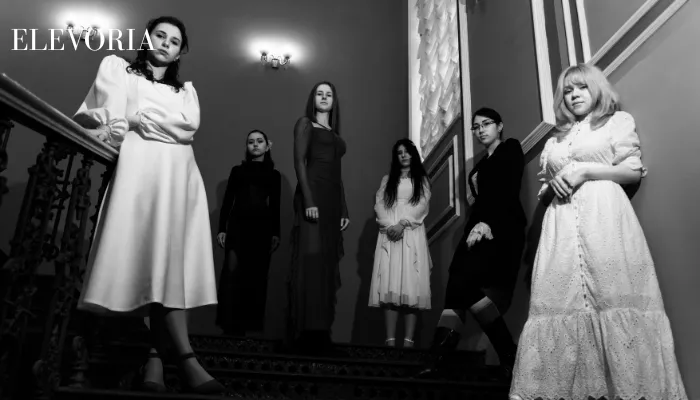
The formal dress landscape in 2026 is defined by a fascinating tension between historical romance and modern minimalism. Designers are drawing inspiration from Gothic literature and Victorian silhouettes while simultaneously embracing draped, fluid shapes that move with the body. The result is a season of remarkable variety, where there is genuinely a formal dress for every personality and every occasion.
This guide covers everything you need to know about formal dresses for women in 2026. From decoding dress codes and understanding the season’s key trends to choosing the right fabric, silhouette, and colour, plus sizing, body-inclusive guidance, sustainable options, and styling advice, it is a comprehensive resource for anyone preparing for a formal event.
Decoding Formal Dress Codes
The first step in choosing a formal dress is understanding what the invitation is asking for. Formal dress codes vary in their level of formality, and getting this right is the foundation of successful occasion dressing.
White Tie
White tie is the most formal dress code in existence. For women, this means a full-length evening gown, traditionally with a modest neckline. This is the level of formality reserved for state dinners and the most traditional of weddings.
Black Tie
Black tie is classic formal evening wear. For women, the expectation is a floor-length evening gown in dark colours like black and navy, or deep jewel tones such as emerald, aubergine, or burgundy. Look for luxurious textiles like jacquard, brocade, velvet, lace, silk, and taffeta. A formal jumpsuit in a dark hue or a women’s tuxedo is also appropriate for those who prefer not to wear dresses.
Black Tie Optional / Formal
Black tie optional is one step down from black tie, but you are still encouraged to go full-glam if you want. The biggest difference is that full-length evening gowns are preferred but not a must. A formal midi or tea-length dress is also acceptable. However, all black-tie-optional dresses need to touch the floor or the wearer’s ankles, since anything above the knee will be too casual for the occasion.
Cocktail
Cocktail attire sits below black tie optional. A knee-length or midi dress in a formal fabric is appropriate. Satin midis, structured sheaths, and elevated day-to-night dresses work well here.
Formal (Without Black Tie)
When an invitation simply says “formal,” it typically means a step below black tie. A floor-length gown, a formal midi, or an elegant cocktail dress in a luxe fabric will all work.
Decoding Unconventional Codes
Some invitations use creative language that can be confusing. “Mountain chic” or “desert formal” are not standard codes. In these cases, the safest approach is to look at the venue, the time of day, and the couple’s style. If the wedding is in the evening and the venue is formal, lean toward a longer gown. If it is a daytime garden ceremony, a midi dress in a seasonal fabric is appropriate.
Key Formal Dress Trends for 2026
The runways for fall 2026 and spring 2026 offered several clear directions for formal dressing.
Gothic Romance and Historical References
The fall 2026 formalwear collections at New York Fashion Week took a turn toward Gothic romance, inspired by a wave of 19th-century British literature adaptations including “Frankenstein,” “Dracula,” and “Wuthering Heights”. Historical references such as Victorian collars, portrait necklines, and historical sleeves appeared as prominent details, adding romance and a sense of occasion to modern gowns.
Scarlet Fever and Jewel Tones
“Moody” was the buzzword of the season, communicated clearly through jewel tones. While emerald and sapphire popped up in almost every collection, red reigned supreme. Designers offered gowns in ruby, claret, and brick tones, creating a dramatic and confident palette for formal occasions.
Caped Crusaders
A trail of mystery always follows a woman in a cape. Capes appeared in sheer wisps at several collections, with designers offering cape-caftan hybrids and removable jacquard caplets for added versatility. These are ideal for drafty venues and add a dramatic flourish to formal dressing.
The Draped Dress
The draped dress is a silhouette designers return to again and again for good reason. Body-skimming examples brought a sense of newness to the familiar, while Grecian-inspired pleats and hip-hugging jersey offered modern interpretations of this classic shape.
Bold Brights
Making a case against fall’s typically subdued palette, the runways were graced with bold, brightly coloured gowns at every turn. From bright red to sapphire blue, deep green to saffron orange, a monochromatic maxi is a one-and-done statement maker.
Velvet
Colder temperatures marry perfectly with plush textures and moody hues. Solid colours like black and burgundy take on new dimensions when done in velvet, but the trend can really pack a punch in bolder colours like deep teal or goldenrod.
Statement Makers
This season’s runways were filled with eye-catching, one-of-a-kind dresses in bold colours, with swishy fringe and artistic splashes of abstract prints. If you are looking to invest in one dress this season, choosing one that really packs a punch is the way to go.
Choosing the Right Silhouette
The silhouette of your formal dress should support how you want to move through the event. Different silhouettes flatter different shapes in different ways, and there is no single “ideal” body type.
Hourglass
The hourglass figure, with bust and hips of similar size and a defined waist, photographs strongest in fitted bodices that follow the waist. Corseted couture, mermaid skirts, deep V-necklines, and wrap silhouettes all work beautifully. Drop-waist or shift dresses that hide the waistline are less flattering for this shape.
Pear
Pear-shaped figures, with a smaller bust and shoulders and fuller hips, balance best with structured tops and clean A-line skirts. Off-shoulder necklines, beaded bodices, and structured shoulders all work well. Trumpet or mermaid silhouettes that emphasise the hip are best avoided.
Apple
Apple-shaped figures, with a fuller midsection, look strongest in empire-waist gowns and V-necklines that draw the eye upward, paired with a flowing A-line or column skirt. Clingy bias-cut styles over the midsection are less flattering.
Petite
Petite frames look strongest in column or sheath silhouettes, which lengthen the line. High-leg slits and proportional embellishment also work well. Custom hemming ensures the dress doesn’t pool at the floor.
Plus Size
Plus-size figures look strongest in pieces cut to actual measurements rather than sample-size patterns with a panel sewn in. Fit is the real deciding factor. A well-fitted gown in quality fabric will look more formal than an expensive dress that doesn’t sit right on the body.
Rectangle
Straight, athletic, and rectangular figures can wear a wide range of silhouettes. A-line and fit-and-flare styles create curves, while column dresses with strategic draping add dimension. Belting at the waist can create definition.
Sizing varies by brand, country, and manufacturer. Always check the specific brand’s size chart rather than assuming your usual size will fit.
The Fabric Guide: What to Wear by Season and Venue
The fabric of your formal dress determines how it moves, how it photographs, and how comfortable you will be throughout the event.
Satin
Satin is the reliable choice for formal wear. It drapes over curves without grabbing, photographs with natural depth, and looks expensive without trying. A satin gown in navy or deep burgundy looks like it cost far more than it did.
Velvet
Velvet is heavier and more textured, genuinely warm in low light. It reads as luxurious in a way that satin doesn’t quite replicate, especially in candlelit or dimly lit ballroom settings. For fall or winter formal events, velvet is almost always the answer.
Chiffon
Chiffon is the option when you know you will be on your feet for five or six hours. Layers of it over a good lining stay cool, move with you, and still read as unmistakably formal. It is not the most dramatic choice, but possibly the most comfortable one, and that matters by hour four.
Crepe
Crepe is the sleeper pick that nobody talks about enough. Matte, structured, and barely wrinkles if it is quality fabric, a well-cut crepe gown in a deep colour is one of the strongest formal looks you can build. It holds its shape better across a long night than most other fabrics.
Silk
Silk is the most luxurious fabric for a formal dress. It is smooth, breathable, and thermo-regulating. Silk slip dresses and bias-cut gowns are elegant and timeless.
Lace
Lace adds romance and dimension. It is a popular choice for formal dresses because it feels festive and feminine. Lace is often used as an overlay or for detailing rather than as the main fabric.
Sustainable Fabrics
For those who prioritise sustainability, there are more options than ever. Bemberg cupro, a plant-based vegan silk made from cotton linter, is biodegradable, hypoallergenic, and thermo-regulating. Tencel Lyocell is a sustainable fibre made from wood pulp in a closed-loop process. Deadstock and upcycled fabrics give new life to materials that would otherwise be wasted.
The Textile Exchange provides certification and guidance on preferred fibres, including organic cotton, recycled materials, and other lower-impact alternatives.
Colour Guide for Formal Dresses
Colour is one of the most important considerations for a formal dress, and it is also one of the most culturally sensitive.
Colours to Avoid for Weddings
White and ivory are reserved for the bride. This is the most universal rule of wedding guest dressing. Red can be a sensitive choice in some cultures, where it may be reserved for the bride. Black was once considered inappropriate for weddings, but it is now widely accepted for evening and black-tie events.
Seasonal Colour Palettes
Fall and Winter: Jewel tones, deep neutrals, and rich colours. Burgundy, emerald, navy, bronze, plum, and espresso can feel especially refined. The purple palette, from smoky lilac to rich plum, reigns supreme for autumn weddings.
Spring and Summer: Pastels, painterly florals, and lighter jewel tones. Icy pink, cobalt blue, teal, pistachio green, butter yellow, and warm orange are all beautiful choices.
Metallics: Gold and rose gold are reliable formal colours, especially for evening receptions, as they read as celebratory without competing with the bridal party’s colour scheme.
Plus Size Formal Dresses
The plus size formal wear market has expanded significantly, with more options than ever for flattering, stylish formal dresses.
UK Retailers
Scarlett & Jo is a UK-based brand specialising in plus size occasionwear, designed and made in Britain for sizes UK 12 to 32. Every piece is crafted with premium fabrics and expert tailoring.
Roman UK offers a collection of formal dresses for women, perfect for weddings, evening receptions, or elegant dinners. The range covers petite and plus size fits, with sizes up to 30-32.
Karen Millen offers a plus size collection designed for those UK size 18 and above, perfectly proportioned to ensure you look stylish at every shape.
Body-Inclusive Styling
The goal is not to conceal but to feel confident. A well-fitted gown in a flattering silhouette will always look better than a shapeless dress in a dark colour. Sizing varies by brand, country, and manufacturer. Always check the specific brand’s size chart rather than assuming your usual size will fit.
Sustainable Formal Dresses
The fashion industry is increasingly aware of its environmental impact, and formal wear is no exception. For those who want to dress beautifully without compromising their values, there are more sustainable options than ever.
Sustainable Fabrics and Certifications
Bemberg cupro: A plant-based vegan silk that is biodegradable, hypoallergenic, and anti-static. It is made from cotton linter, a byproduct of cotton production.
Tencel Lyocell: A sustainable fibre made from wood pulp in a closed-loop process. It is soft, breathable, and moisture-wicking.
Deadstock and upcycled fabrics: Some designers create limited quantities using deadstock or surplus fabrics, giving new life to materials that would otherwise be wasted.
OEKO-TEX certified fabrics: This certification ensures that fabrics have been tested for harmful substances and are safe for human health.
Sustainable Brands to Consider
Patrick McDowell: A British designer prioritising sustainability as much as ingenuity. Pieces are produced in limited quantities using kind-to-the-planet fabrics such as Manteco deadstock or Tencel Lyocell, and pieces can be refitted whenever needed.
Stella McCartney: A British designer synonymous with sustainable fashion, ensuring the environment and community are front of mind. The brand offers gowns made from sustainably sourced satin.
Cunnington & Sanderson: Offers zero-waste luxury dresses made to order in the UK, using Yorkshire wool and deadstock cotton. The designs transcend seasonal trends.
Rental and Second-Hand
The rental market for formal dresses has grown significantly, offering designer buys on a budget while reducing the environmental impact of single-wear purchases. Second-hand platforms also offer gently worn formal dresses at a fraction of their original price.
Where to Shop for Formal Dresses for Women
UK High Street
Hobbs: Launched its first dedicated black-tie collection, offering elegant formalwear for special occasions.
John Lewis: Offers a selection of labels including Reiss, Boden, and Monica Vinader, cementing its status as a one-stop shop for effortless style. The Amanda Wakeley collaboration offers silk-blend camisoles and maxi dresses.
Marks & Spencer: Offers formal dresses across sizes 6 to 24, including ditsy floral ruched midaxi dresses and elegant occasionwear.
Reiss: Known for timeless tailoring and structured shapes, Reiss is ideal for formal wedding guest outfits. Key items include sleek midi dresses, jumpsuits, and blazers.
River Island: Offers formal dresses at accessible prices, including sleeveless pleated hem mini dresses.
Online and International
ASOS: A broad range of formal dresses across mainline, Curve, Petite, and Tall.
Net-a-Porter: For designer and luxury options, including wedding receptions and formal affairs.
JJ’s House: A global leading online retailer specialising in wedding dresses, bridesmaid dresses, prom dresses, evening gowns, and special occasion wear.
Plus Size Specialists
Scarlett & Jo: Plus size occasion dresses in sizes UK 12 to 32.
Roman UK: Formal dresses in plus size fits up to 30-32.
Karen Millen: Plus size collection designed for UK size 18 and above.
How to Style Your Formal Dress
The right accessories can elevate a formal dress from beautiful to unforgettable. The key is to let the dress be the focal point and add only what enhances it.
Accessories
For a black-tie event, one statement piece of jewellery, a sleek bag, and dressy shoes are all you need. If the dress is embellished, choose one piece of jewellery and stop there. A structured clutch, a decorated heel, and a single statement ring or pair of earrings are often enough.
Shoes
The hemline of a long gown is a focal point. A metallic shoe visible at the hemline adds visual interest. Choose a heel height you can walk and dance in. Block heels offer stability, while stilettos add drama.
Hair and Makeup
Soft waves, a sleek updo, or a chic half-up style all work well. Makeup should be refined and long-wearing, with a focus on looking like yourself at your best.
Outerwear
For cooler months, a wrap, cape, or evening jacket is essential. A floor-dusting velvet opera coat or a metallic brocade jacket adds warmth and drama. A lightweight pashmina or silk wrap can be draped over the shoulders for a more subtle approach.
Common Mistakes to Avoid
Mistake 1: Wearing White or Ivory to a Wedding
This is the most universal rule of wedding guest dressing. White and ivory are reserved for the bride.
Mistake 2: Ignoring the Dress Code
If the invitation says black tie, wear a floor-length gown. If it says black tie optional, a long gown or an elegant midi is appropriate. Do not show up in a cocktail dress to a black-tie event.
Mistake 3: Choosing Style Over Comfort
If you cannot sit, walk, or dance in a gown, you will not enjoy the event. Prioritise comfort alongside style.
Mistake 4: Over-Accessorising
An embellished gown does not need statement jewellery. Let the dress be the focal point and keep accessories refined.
Mistake 5: Forgetting About the Hem
A floor-length gown needs the right hem length for your height and footwear. A dress that drags risks tripping; a dress that is too short loses its elegance. Consider having the hem tailored.
Mistake 6: Not Checking the Size Chart
Sizing varies significantly between brands. Always check the specific brand’s size chart and read reviews for fit advice.
Actionable Recommendations
- Decode the dress code first. Understand whether the event is white tie, black tie, black tie optional, or cocktail. This determines the length and formality of your dress.
- Choose a silhouette that suits your shape. Hourglass figures suit fitted bodices and wrap styles. Pear shapes look beautiful in A-line and off-shoulder designs. Apple shapes benefit from empire waists and V-necklines.
- Match the fabric to the season. Satin and crepe for structure. Velvet for warmth and drama. Chiffon for breathability. Silk for luxury.
- Choose a colour that photographs well. Jewel tones, deep neutrals, and metallics are reliable choices. Avoid white and ivory for weddings. Check cultural sensitivities around red.
- Invest in the right undergarments. A strapless or plunge bra and seamless underwear are essential for a sleek line under a fitted gown.
- Have the hem tailored. A floor-length gown should be hemmed to your height and the heel height you plan to wear.
- Keep accessories refined. Let the dress be the focal point. A structured clutch, a decorated heel, and one piece of statement jewellery are often enough.
- Consider sustainable options. Bemberg cupro, Tencel Lyocell, and deadstock fabrics are increasingly available and beautiful. Rental and second-hand gowns also reduce environmental impact.
Frequently Asked Questions
What is the difference between a black-tie and a black-tie-optional formal dress?
Black tie requires a floor-length evening gown. Black tie optional allows for a long gown or an elegant midi-length dress, but the hemline should touch the floor or the ankles.
Can I wear a midi dress to a black-tie wedding?
No. A midi dress is acceptable for black-tie optional or cocktail attire, but black tie requires a floor-length gown.
What colours should I avoid wearing to a wedding?
Avoid white, ivory, and cream, which are reserved for the bride. Be cautious with near-whites like champagne and blush, which can photograph bridal. Red can be sensitive in some cultures.
What fabric is best for a summer formal dress?
Chiffon, light silk, and satin charmeuse are breathable, move well, and stay cool all evening.
What fabric is best for a winter formal dress?
Velvet, thick satin, crepe, and lined lace offer weight and warmth that match the season. Velvet is especially beautiful for evening weddings.
What are the key formal dress trends for 2026?
Key trends include Gothic romance and historical references, scarlet fever and jewel tones, capes, the draped dress, bold brights, velvet, and statement makers.
Where can I find plus size formal dresses in the UK?
Scarlett & Jo offers sizes UK 12 to 32. Roman UK offers plus size fits up to 30-32. Karen Millen offers a plus size collection for UK size 18 and above.
What are sustainable options for formal dresses?
Bemberg cupro, Tencel Lyocell, and deadstock fabrics are sustainable options. Patrick McDowell, Stella McCartney, and Cunnington & Sanderson offer sustainable formal wear.
How should I accessorise a formal dress?
Keep accessories refined. For black tie, one statement piece of jewellery, a sleek bag, and dressy shoes are all you need.
What is the best silhouette for a formal dress?
The best silhouette depends on your body shape and the occasion. A-line is universally flattering. Column is sleek and modern. Empire waist works well for apple shapes. Mermaid is dramatic and glamorous.
Conclusion
Choosing a formal dress for a special occasion is about more than finding a beautiful garment. It is about understanding the event, respecting the dress code, and feeling confident in what you wear. The dress should honour the formality of the occasion without competing with the bride at a wedding, and it should allow you to enjoy every moment of the celebration.
In 2026, the options are broader and more exciting than ever. From the Gothic romance and historical references seen on the runways to the draped silhouettes and bold jewel tones that define the season, there is a formal dress for every style and every body.
Whether you are shopping for a black-tie ballroom wedding, a black-tie-optional celebration, or a cocktail party, the principles remain the same: decode the dress code, choose a silhouette that flatters, match the fabric to the season, and accessorise with intention. And if you are looking for a more sustainable option, the market for beautiful, ethical formal wear has never been stronger.
The most important takeaway is this: the best formal dress is the one that makes you feel elegant, comfortable, and confident. Trends provide inspiration, but personal style is enduring. Use this guide as a starting point, then make it your own.
Read More: Girls Occasion Dresses 2026: Complete Guide & Trends
[…] Read More: Formal Dresses for Women 2026: Complete Occasion Guide […]