
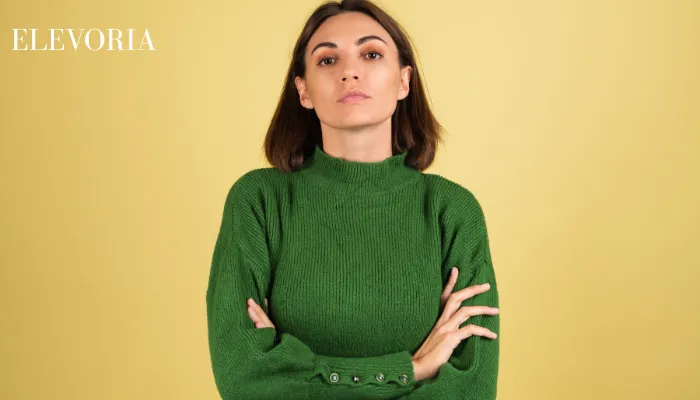
Green Sweater: The Complete 2026 Guide to Trends, Styling and Buying
Introduction
Green has emerged as the defining knitwear colour of 2026. After several seasons dominated by quiet luxury and neutral palettes, fashion has embraced colour with renewed enthusiasm, and green sits at the very centre of this shift. As Who What Wear puts it, “after months of dark neutrals, there is no season more fitting to break out vibrant green knits”. The trend spans every shade of green, from soft pistachio and sage to bold chartreuse and deep forest green.
The appeal of green knitwear is multifaceted. It is a colour that feels both grounded and optimistic, earthy yet energising. “If spring had a signature shade this year, it would be grassy green. Lush, lively, and unmistakably optimistic,” notes Interweave. The colour has been embraced by celebrities and designers alike. Taylor Swift was photographed in an oversized, dusky light green cashmere sweater from The Row, “on-trend due to its pistachio green hue”. Light green shades “were first seen in luxury fashion collections by Chanel, Dior and Balenciaga for spring, and have been worn by stars like Blake Lively”.
This guide covers everything you need to know about green sweaters in 2026. From the different shades and their styling possibilities to fabric choices, body type guidance, plus size and sustainable options, care instructions, and where to shop in the UK, it is a comprehensive resource for anyone looking to embrace this vibrant trend.
The Rise of Green Knitwear in 2026
The Shift Away from Neutrals
The green sweater trend is inseparable from the broader cultural shift away from quiet luxury. For several seasons, fashion was dominated by neutral tones, discreet branding, and pared-back silhouettes. But in 2026, colour has returned with force. “Fashionistas are grateful for this colourful breath of fresh air after a muted parade of earthy browns, wines and grays,” says Amy Ellzey, principal consultant at Colour Me Beautiful LA.
This shift is reflected across the runways. For spring/summer 2026, “strong pairings of blue, purple, red and yellow energized the collections of Loewe, Celine, Jil Sander, Miu Miu, Versace, and Lii”. Vogue notes that “emerald, sage, or pistachio—these shades of green bring harmony to light browns, black, and navy”.
The Celebrity Effect
Celebrity adoption has accelerated the trend. Taylor Swift’s pistachio green sweater from The Row brought attention to the softer end of the green spectrum. The sweater’s “enveloping shape with thick ribbed cuffs” and “generous silhouette” made it a standout piece. Blake Lively has also been spotted in light green shades, further cementing the colour’s status.
Chartreuse: The Boldest Green
Chartreuse has emerged as a particularly significant shade for 2026. Women.com reports that “the infamous, unforgettable chartreuse shade is trending hard as a sweater tone; the Grinch-green shade was hugely popular during fall 2025 and it has made a comeback a second time around”. Amy Ellzey describes chartreuse as “like the ‘personality plus’ friend at the party”. The colour “sits right on the border of yellow and green” and “can be tweaked to work with both warm and cool undertones”.
Understanding the Shades of Green
Green is not a single colour. It is a family of shades, each with its own character and styling possibilities. Understanding the differences helps you find the green that works best for you.
Olive Green
Olive green is the easiest green to wear. Nobile Italy explains that it has “a touch of golden yellow in it, which makes it a warm green”. It “pairs with beige, sand, brown, and tan” and is “the only green you can use as the base of a whole outfit, in any season”. For those new to green, olive is the most approachable starting point.
Sage Green
Sage green is softer and more muted. It has a grey undertone that makes it feel calm and understated. Nobile Italy notes that sage is “a light accent, meant for small doses in the warm months”. It works beautifully with white, cream, and ecru. The LTK style guide recommends pairing “a sage green crewneck sweater” with “cream barrel jeans, brown loafers, a brown belt, and simple gold jewellery” for a look that is “polished, classic, and wearable in real life”.
Forest Green
Forest green is “deep and serious. It’s the alternative to navy when you want something less predictable: it goes with navy, burgundy, and camel”. This shade is particularly elegant for evening wear and cooler months. “Forest green and burgundy is the most elegant fall pair you can put together”.
Pistachio Green
Pistachio green is a softer, lighter shade that has gained prominence through celebrity adoption. China’s National Garment Association identifies pistachio green as a key colour for autumn/winter 2025/26, noting it is “ideal for knitwear” and has been featured in collections by Gucci and Chanel. Taylor Swift’s pistachio green sweater brought the shade mainstream attention.
Chartreuse
Chartreuse is the boldest green, sitting “right on the border of yellow and green”. It is not for the faint of heart, but for those who embrace it, it makes a powerful statement. Amy Ellzey advises that “those with a light or bright tonality to their hair, skin, and eyes, look great in the classic chartreuse colour. Those with a deep or warm presentation look fabulous in chartreuse’s sister colour, lime. Finally, those with an overall cool tonality will look best in icy green, and those with a soft or muted overall look should stay closer to sage”.
Grassy Green
Grassy green is the signature shade of spring 2026. Interweave describes it as “lush, lively, and unmistakably optimistic”. A green pullover in a wool-cotton blend “feels especially right for transitional weather” and can be paired with “crisp white denim for a fresh, high-contrast look” or softened with “an oatmeal skirt”.
How to Style a Green Sweater
The Golden Rule: Ground It with Earth Tones
The most important principle for styling a green sweater is to ground it with earth tones. As one style guide explains, “green sweaters cannot shine on their own; they need earth tones to anchor the look. Khaki, brown, and dark grey may not seem like the stars of the show, but they are the best at supporting green. Especially with thick knits in autumn and winter, if the whole outfit is too bright, it can easily look bulky and scattered. Switch to a pair of brown wide-leg trousers or a dark grey skirt, and the whole picture will immediately calm down, making the green look even more sophisticated”.
This principle is supported by the colour theory. Olive green has a warm undertone and pairs with beige, sand, brown, and tan. Army green is cooler and works with grey, navy, and optic white. Forest green pairs with navy, burgundy, and camel.
With Denim
Denim is a reliable pairing for green sweaters. The Vogue style guide suggests pairing emerald, sage, or pistachio shades with “light browns, black, and navy”. A green sweater with light-wash straight-leg jeans is a classic combination. Who What Wear recommends pairing “a voluminous jumper with white denim” for a look that “feels joyful but still functional”.
With Wide-Leg Trousers
The “Easy Fall Outfit Formula” of “Green Sweater + Wide Leg Jeans” is a reliable combination. A short-sleeve green sweater layered over a polka dot button-down, tucked into wide-leg jeans, finished with gold hoops and a tote bag, creates a polished but wearable look.
With Leather for Contrast
One style guide notes that “soft and hard textures in collision” create interest. “A chunky knit green sweater, soft and cosy, paired with a glossy leather skirt or a structured briefcase, immediately transforms the look. The warmth of the sweater remains, but the person looks sharper”. This contrast between the softness of knitwear and the structure of leather creates a compelling visual tension.
For the Office
Green sweaters can work in professional settings when styled thoughtfully. A forest green or olive green sweater in a fine gauge knit, paired with tailored trousers and loafers, creates a polished, professional look. Nobile Italy notes that green is “understated enough for the office and personal enough to set you apart from everyone wearing only blue and gray”.
Accessories
When it comes to accessories, restraint is key. “Green sweaters already have visual weight, so accessories shouldn’t compete; they should help frame the look”. Recommended accessories include:
- Tortoiseshell glasses for a scholarly touch that “suppresses the green’s jumpiness”
- Heavy metal earrings for “a little attitude” with “strong presence despite their small size”
- A thick-strap watch that “brings the softness of the sweater towards maturity”
- Simple gold jewellery for a classic, polished finish
Shoes and Bags
The choice of shoes and bag determines the context of the outfit. “For commuting, dark brown Chelsea boots are the most stable choice, clean, sharp, and able to support the overall earth-tone aesthetic. For weekends, switch to retro German Army Trainers or Mary Janes, and the whole look immediately relaxes, bringing in a bit of street style and girlishness”.
Choosing a Green Sweater for Your Body Type
There is no single “ideal” body type. A green sweater should make you feel confident and comfortable. Different silhouettes flatter different shapes in different ways.
Hourglass
The hourglass figure has a defined waist with bust and hips of similar size. A fitted or semi-fitted green sweater that follows the natural curves of the body is a reliable choice. A wrap-style or belted sweater can emphasise the waist.
Pear
Pear-shaped figures have a smaller bust and shoulders with fuller hips. A green sweater with structure at the shoulders, such as a slight puff sleeve or a boat neck, can balance the silhouette. Pair with A-line skirts or wide-leg trousers.
Apple
Apple-shaped figures have a fuller midsection. A V-neck green sweater draws the eye upward and creates a more balanced silhouette. Choose a relaxed but not oversized fit that skims rather than clings.
Rectangle
Straight, athletic figures can wear a wide range of silhouettes. A chunky knit green sweater adds volume and creates curves. Belt it at the waist to add definition.
Petite
Petite frames look strongest in shorter, cropped green sweaters that don’t overwhelm the frame. Pair with high-waisted trousers or skirts to elongate the legs.
Tall
Tall frames can carry longer, more oversized green sweaters. A tunic-length or longline style works particularly well. Pair with slim or straight-leg trousers.
Sizing varies by brand, country, and manufacturer. Always check the specific brand’s size chart rather than assuming your usual size will fit.
Fabrics and Materials for Green Sweaters
The fabric of a green sweater determines how it feels, how it drapes, and how it lasts.
Wool and Wool Blends
Wool is the traditional choice for knitwear. It is warm, breathable, and holds its shape well. Merino wool is particularly soft and fine, suitable for wearing against the skin. Interweave recommends a “wool-cotton blend” for transitional weather green sweaters.
Cotton
Cotton sweaters are breathable and comfortable, ideal for spring and summer. They are easy to care for and suitable for those with sensitive skin.
Cashmere
Cashmere is the most luxurious option. It is incredibly soft, lightweight, and warm. Taylor Swift’s green sweater was made from cashmere, described as an “ultra-soft” piece. Cashmere requires careful handling but rewards with years of wear.
Alpaca and Merino Blends
Alpaca adds luxury and warmth to knitwear. Genevieve Sweeney offers a “Willow Alpaca Merino Wool Sweater” in bright green, described as having “tiny flecks of bright colour within the knit”.
Sustainable Fibres
For those who prioritise sustainability, there are more options than ever. Look for:
- Organic cotton: Grown without harmful chemicals
- Recycled wool: Reduces waste and environmental impact
- Mulesing-free wool: Ensures ethical treatment of sheep
Loopli offers a “Mae Lambswool Cardigan” in parsley green, “made from 100% mulesing-free lambswool yarn spun in the UK”.
The Textile Exchange provides certification and guidance on preferred fibres.
Plus Size and Petite Green Sweaters
Plus Size Options
The plus size market for green sweaters has expanded significantly. Look for brands that design specifically for curves, with better proportions through the bust, waist, and hips. A-line and relaxed fits are reliable choices. Sizing varies by brand, so always check the specific size chart.
Petite Options
Petite frames should look for shorter lengths or specifically designed petite ranges. Cropped green sweaters work particularly well, as they don’t overwhelm the frame and can be paired with high-waisted bottoms to elongate the legs.
Sustainable Green Sweaters
Sustainability is increasingly important in fashion. When shopping for a green sweater, consider:
Certifications to Look For
- Global Organic Textile Standard (GOTS): Verifies organic cotton
- Responsible Wool Standard (RWS): Verifies responsible wool sourcing
- Global Recycled Standard (GRS): Verifies recycled content
- OEKO-TEX: Ensures textiles have been tested for harmful substances
Sustainable Brands
The green sweater market includes brands committed to sustainable practices. Look for transparency in supply chains, use of recycled or organic fibres, and ethical production methods.
How to Care for a Green Sweater
Proper care extends the life of your green sweater and maintains the vibrancy of the colour.
Washing
- Check the care label first. Different fibres require different care.
- Wash less often. Wool and cashmere are naturally odour-resistant and can be aired between wears.
- Hand wash or use a gentle cycle with cold water and a wool-safe detergent.
- Turn inside out before washing to protect the surface.
- Avoid fabric softeners which can coat the fibres and reduce breathability.
Drying
- Lay flat to dry. Hanging a sweater can cause it to stretch out of shape.
- Dry away from direct sunlight to prevent fading.
- Do not tumble dry unless the care label specifically permits it.
Storage
- Fold rather than hang to maintain shape.
- Store in a cool, dry place away from direct light.
- Use lavender sachets or cedar blocks to deter moths.
De-Pilling
Pilling is a natural occurrence on many knitwear fabrics. Use a fabric shaver or cashmere comb to remove pills gently. Do not pull at pills, as this can damage the fibres.
Where to Shop for Green Sweaters in the UK
High Street and Department Stores
Next offers a range of green sweaters from brands including Oliver Bonas, AllSaints, and its own label. Options include the “Green Pineapple Buttons Crew Neck Knitted Cardigan” at £40 and the “Green 100% Merino Wool” sweater.
COS offers the “Striped Mohair-Blend Polo Jumper” in green, described as “so chic” with its white stripe and polo neck.
Massimo Dutti offers a “Cotton Blend Knit Sweater” in a green shade that “springs scream to me”.
& Other Stories offers the “Alpaca-Blend Knitted Cardigan” in green, described as exactly what you envision when you say “spring cardigan”.
Online and International
ASOS offers a broad range of green sweaters across mainline, Curve, Petite, and Tall.
Lyst aggregates green sweaters from multiple retailers and brands.
Specialist and Independent Brands
Genevieve Sweeney offers the “Willow Alpaca Merino Wool Sweater” in bright green, with “tiny flecks of bright colour within the knit”.
Loopli offers the “Mae Lambswool Cardigan” in parsley green at £110, made from “100% mulesing-free lambswool yarn spun in the UK”.
Jane Young offers the “Olsen Moss Green Mélange Knit Sweater” at £109, made from a “soft viscose and polyester blend” with a “classic round neckline”.
Charl Knitwear offers the “Betty Cardigan In Sage Green” at £211.20, “inspired by traditional Norfolk fishermen’s ganseys” with a “unique hailstone stitch, oversized fit, and roomy bucket pockets”.
FUND Jumpers creates “eccentric English knitwear” made from “the finest Scottish lambswool” and “handcrafted in England”.
Carhartt WIP offers the “Stockton Sweater in Gentle Green” as part of its SS26 collection, available through Patina Supply in Leicester.
Common Mistakes to Avoid
Mistake 1: Ignoring Undertones
Green is not a single colour. Olive is warm, army green is cool. Pairing the wrong green with the wrong undertone can make you look washed out.
Mistake 2: Not Grounding the Colour
Green sweaters need earth tones to anchor them. Without grounding neutrals like brown, khaki, or grey, the outfit can look scattered and overwhelming.
Mistake 3: Over-Accessorising
Green sweaters already have visual weight. Adding too many accessories creates clutter. Choose one or two pieces that frame the look rather than compete with it.
Mistake 4: Choosing the Wrong Fabric
A cheap synthetic green sweater can look garish. Natural fibres like wool, cotton, and cashmere look more elevated and feel better against the skin.
Mistake 5: Not Checking the Size Chart
Sizing varies significantly between brands. Always check the specific size chart and read reviews for fit advice.
Mistake 6: Neglecting Care
Green fabric can fade if not cared for properly. Follow the care label, wash inside out, and dry in shade.
Actionable Recommendations
- Start with olive green. It is the easiest green to wear and pairs with almost everything in a neutral wardrobe.
- Try a textured stitch. Green looks particularly beautiful in broken rib, moss stitch, or subtle cables.
- Ground it with earth tones. Pair your green sweater with brown, khaki, camel, or grey to create a grounded, sophisticated look.
- Experiment with chartreuse if you’re feeling bold. It is the “personality plus” shade of the season.
- Choose quality fibres. Wool, cotton, cashmere, and alpaca blends look more elevated and last longer.
- Check the size chart. Sizing varies by brand. Always check the specific size guide and read reviews for fit advice.
- Care for your sweater properly. Hand wash or use a gentle cycle, lay flat to dry, and fold for storage.
- Consider sustainable options. Look for GOTS-certified organic cotton, RWS wool, or recycled fibres.
Frequently Asked Questions
What are the biggest green sweater trends for 2026?
Key trends include grassy green knits, chartreuse sweaters, pistachio green, and textured stitches like broken rib and moss stitch.
How do I style a green sweater?
Ground it with earth tones like brown, khaki, and grey. Pair with denim, wide-leg trousers, or leather for contrast. Keep accessories minimal.
What colours go with green sweaters?
Olive green pairs with beige, sand, brown, and tan. Forest green works with navy, burgundy, and camel. Sage green pairs with white and ecru.
What body type suits a green sweater?
The green sweater works for most body types. Hourglass figures suit fitted styles. Pear shapes benefit from shoulder structure. Apple shapes look best in V-necks.
Where can I buy green sweaters in the UK?
Next, COS, Massimo Dutti, & Other Stories, ASOS, Genevieve Sweeney, Loopli, and Charl Knitwear all offer green sweaters.
What is the best green sweater for autumn?
A chartreuse, forest green, or grassy green sweater in a chunky knit works beautifully for autumn. Pair with brown trousers or a leather skirt.
How do I care for a green sweater?
Hand wash or use a gentle cycle with cold water. Lay flat to dry away from direct sunlight. Fold rather than hang for storage.
What are sustainable green sweater options?
Look for GOTS-certified organic cotton, RWS wool, and recycled fibres. Loopli offers mulesing-free lambswool sweaters.
Can I wear a green sweater to the office?
Yes. A forest green or olive green sweater in a fine gauge knit, paired with tailored trousers and loafers, is polished and professional.
What is chartreuse?
Chartreuse is a bold green shade that sits on the border of yellow and green. It gets its name from a French liqueur made by Carthusian monks.
Read More: Dress with Oranges 2026: Trends, Styling & Buying Guide


[…] Read More: Green Sweater 2026: Trends, Styling & Buying Guide […]