
Make Up Products: A Beginner’s Guide
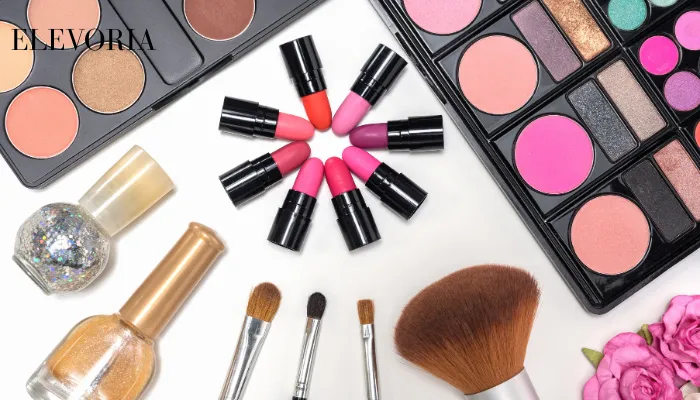
Make up products fall into a few clear groups: base products even out skin tone, colour products add warmth and definition, eye products define the eyes, and lip products add colour and moisture. You do not need all of them. Start with what suits your skin and the look you want.
The Main Categories of Make Up Products
Make up products are usually grouped by where they go on the face and what they do. Knowing the categories helps you shop without feeling overwhelmed.
Base products include foundation, concealer, tinted moisturiser and BB or CC cream. Foundation evens out skin tone across the face. Concealer is thicker and more pigmented, used for targeted areas like dark circles or blemishes. Tinted moisturiser and BB creams sit between skincare and foundation, offering lighter coverage.
Colour products add warmth, flush and dimension. Blusher and blush adds colour to the cheeks. Bronzer adds warmth where the sun would naturally hit. Contour is cooler-toned and used to create shadows and definition. Highlighter adds light to the high points of the face.
Eye products include mascara, eyeliner, eyeshadow and brow products. Mascara darkens and defines lashes. Eyeliner comes in pencil, gel and liquid forms and defines the lash line. Eyeshadow adds colour and depth to the lids. Brow products fill and shape the eyebrows.
Lip products include lipstick, lip gloss, lip liner, lip tint and tinted balm. They add colour, moisture and definition to the lips.
How to Choose Base Products
Choosing foundation starts with knowing your undertone. Undertone is the subtle colour beneath your skin, and it is usually described as cool, warm or neutral. A commonly used method is to look at the veins on your wrist. If they appear blue or purple, you may have a cool undertone. If they look green, you may have a warm undertone. If you cannot tell, you may be neutral.
Skin tone is different from undertone. Skin tone is how light or deep your skin is, and it runs from fair to deep. Foundation shades are usually labelled with both, so a shade might be described as light with a warm undertone or deep with a neutral undertone.
When testing foundation, swatch a few shades on your jawline in natural daylight. The right shade should blend into your skin without a visible line. If you are shopping online, use the brand’s own shade finder and check the returns policy. Shade names and numbering differ between brands, so never assume one brand’s shade will match another.
Concealer should be one or two shades lighter than your foundation for under the eyes, or a close match for blemishes. If you have dry skin, a cream or liquid concealer may feel more comfortable. If you have oilier skin, a matte or long-wear formula may work better for you.
Colour, Eye and Lip Products
Blusher comes in powder, cream and liquid forms. Powder blushers suit oilier skin, while cream and liquid blushers can add a more natural flush on drier skin. Shade choice is personal. Many people find that peachy and warm pink shades work well on warmer undertones, while rose, berry and mauve shades suit cooler undertones. Deeper skin tones can carry rich, vivid shades like fuchsia and red.
Bronzer and contour are not the same. Bronzer is warm-toned and adds a sun-kissed look. Contour is cooler-toned and creates shadows. You can use one without the other, or both together. Apply bronzer where the sun would naturally hit: the tops of the cheekbones, the temples and the bridge of the nose.
Mascara is one of the most-used eye products. It comes in lengthening, volumising and curling formulas. If you have sensitive eyes or wear contact lenses, look for a formula labelled suitable for sensitive eyes or ophthalmologist tested. The brand states these claims, so check the label.
Eyeliner comes in pencil, gel and liquid. Pencil is easiest for beginners and gives a soft line. Gel and liquid give a sharper, more defined line. Brow products include pencils, powders, gels and pomades. Choose a shade close to your natural brow colour.
Safety and Hygiene
Make up products are regulated in the UK under the UK Cosmetics Regulation, which requires that products must not cause damage to human health when used normally. Products must be labelled with a UK responsible person, a batch number and an ingredients list.
Check the period after opening symbol on your products. This looks like an open jar with a number inside, such as 6M or 12M. It tells you how long the product is safe to use after opening. Mascara is usually 3 to 6 months. Liquid foundation is often 12 months. If a product changes smell, texture or colour, stop using it.
Do not share eye products with anyone. Sharing eye make up can spread bacteria and lead to eye infections. Clean your brushes and beauty blenders regularly, and wash your hands before applying make up. Be careful with counterfeit products. The UK government’s Choose Safe not Fake campaign warns that counterfeit beauty products have been found to contain harmful heavy metals and unsanitary ingredients.
This is general educational content, not medical advice, and was not reviewed by a medical professional. Patch test any new product first. Results vary by person, skin type and sensitivity. If you are pregnant, breastfeeding or living with a diagnosed skin, allergy or eye condition, check with a doctor, pharmacist or dermatologist before starting a new active ingredient. See a licensed provider for a persistent, severe or worsening reaction. Avoid sharing eye and lip products, follow storage and period-after-opening guidance, and be careful with counterfeit makeup. Makeup with SPF is not a substitute for dedicated sun protection unless an official source confirms the exact wording.
Read More: Best Foundation: How to Choose for Your Skin



[…] Read More: Make Up Products: A Beginner’s Guide […]