
Marquise Diamond: The Complete Guide to Shape, Quality, and Buying Tips
The marquise cut is one of the most distinctive diamond shapes available, instantly recognizable by its elongated, pointed silhouette, but it is also one of the shapes people understand the least when it comes to actually evaluating quality and choosing one. Because it is a fancy shape rather than a standardized round cut, the usual rules of thumb for diamond shopping do not always apply directly.
This guide explains what a marquise diamond is, where the shape comes from, how to evaluate its quality using the 4 Cs with fancy-shape-specific considerations, and how to choose a setting and size that works well for this particular cut.
What Is a Marquise Diamond
A marquise diamond, also called a marquise cut, is an elongated diamond shape with pointed ends on both sides, resembling a narrow oval with tapered tips or, as it is sometimes described, a boat-like or eye-like silhouette. It typically features 56 to 58 facets, giving it significant brilliance despite its elongated form.
The shape is named after the marquise, a European noble title, and is often associated with a story tied to King Louis XV of France, who reportedly commissioned a diamond cut to resemble the smile of his mistress, Madame de Pompadour, though this origin story is more commonly repeated as jewelry lore than documented historical fact.
Key Characteristics of the Marquise Cut
- Elongated silhouette: The shape creates the visual impression of a larger stone compared to other cuts of the same carat weight, since the length draws the eye along the finger.
- Pointed ends: The tips require careful setting to protect them from chipping, since pointed corners are more vulnerable to damage than rounded or blunt edges.
- High brilliance: The faceting pattern typically produces strong sparkle, similar to round or oval cuts, when cut well.
- Elongating effect on the hand: The narrow, pointed shape tends to create a slimming, elongating visual effect on the finger, which is one of the most commonly cited reasons people choose this cut.
Understanding the Bowtie Effect
The bowtie effect refers to a dark, shadow-like area that can appear across the center of a marquise diamond, resembling a bowtie shape, caused by the way light passes through the elongated facet structure. This effect is a known characteristic of elongated fancy shapes, including marquise, oval, and pear cuts, and is not necessarily a flaw, though a more pronounced bowtie can reduce the overall brilliance and appeal of the stone.
A well-cut marquise diamond, with good proportions and facet alignment, generally shows a minimal or well-balanced bowtie effect, while a poorly cut stone can show a distracting, overly dark bowtie that noticeably interrupts the stone’s sparkle.
Length to Width Ratio for Marquise Diamonds
Since marquise is a fancy shape without one single standardized grading system for cut quality the way round diamonds have, length to width ratio becomes an important factor in evaluating how balanced and visually appealing the shape appears.
| Ratio Range | General Appearance |
|---|---|
| 1.75 to 2.25 | Widely considered the classic, balanced marquise silhouette |
| Below 1.75 | Appears shorter and wider, closer to an oval shape |
| Above 2.25 | Appears narrower and more elongated, sometimes described as a slimmer, more dramatic silhouette |
Personal preference plays a significant role here, and there is no single “correct” ratio, though the 1.75 to 2.25 range is generally considered the most classically proportioned marquise silhouette.
The 4 Cs for Marquise Diamonds
Cut
Cut quality is especially important for marquise diamonds, since it directly affects both the bowtie effect and overall brilliance. Because marquise diamonds do not have the same standardized cut grading scale that round diamonds do through major grading laboratories, evaluating symmetry, proportions, and facet alignment in person or through detailed imagery becomes more important than relying on a cut grade alone.
Color
Color grading for marquise diamonds follows the same general color scale used for other diamond shapes, ranging from colorless to noticeably tinted. Because the pointed ends of a marquise cut can sometimes concentrate color more visibly than a round brilliant cut, some buyers choose to prioritize slightly higher color grades for this shape.
Clarity
Clarity considerations are similar to other fancy shapes, though the pointed tips of a marquise diamond can make certain inclusions near the points more visible or more structurally significant, since these areas are more vulnerable to stress and potential chipping.
Carat
Marquise diamonds tend to appear larger than round diamonds of the same carat weight, due to the elongated shape covering more visual surface area on the finger. This means buyers can often choose a slightly lower carat weight marquise diamond and still achieve a similar visual size impression to a larger round stone.
Marquise vs Other Diamond Shapes
| Shape | Visual Effect | Elongating Effect | Common Concerns |
|---|---|---|---|
| Marquise | Distinctive, elongated, dramatic | Strong | Bowtie effect, pointed tip vulnerability |
| Oval | Elongated, softer silhouette | Moderate to strong | Bowtie effect, less pronounced than marquise |
| Pear | Teardrop, one pointed end | Moderate | Bowtie effect near the point, single vulnerable tip |
| Round | Classic, symmetrical | None | Highest standardized cut grading availability |
Compared to other fancy shapes, marquise offers one of the strongest elongating visual effects, but also carries two vulnerable points rather than the single point found in a pear cut.
Choosing a Setting for a Marquise Diamond
- Prong settings with protective tips: V-shaped or specially designed prongs at each point help protect the vulnerable tips from chipping during daily wear.
- Halo settings: A halo of smaller diamonds surrounding the marquise center stone can enhance brilliance and provide some additional visual protection around the perimeter.
- East-west settings: Positioning the marquise horizontally rather than vertically on the finger creates a distinctive, modern look, though this orientation is a style choice rather than a practical fit consideration.
- Solitaire settings: A simple solitaire setting allows the shape and elongating effect of the marquise cut to remain the primary visual focus without additional distraction.
Common Mistakes People Make
Choosing a setting without prong protection at the points. This significantly increases the risk of chipping over time, since the pointed tips are the most structurally vulnerable part of the stone.
Assuming a higher carat weight is always necessary for visual impact. Because marquise diamonds appear larger than their actual carat weight due to the elongated shape, buyers sometimes overspend on carat weight when a smaller stone would achieve a similar visual effect.
Overlooking the bowtie effect during evaluation. Since marquise diamonds lack a standardized cut grading scale, skipping a careful visual evaluation for bowtie severity can result in a stone with noticeably reduced brilliance.
Ignoring length to width ratio preference. Buying based on carat weight or price alone without considering ratio can result in a silhouette that does not match the buyer’s actual aesthetic preference.
Not accounting for the shape’s care requirements. The pointed tips require more careful handling and periodic prong inspection compared to shapes without vulnerable points.
Expert Insight: Fancy Shapes Require More Hands-On Evaluation Than Round Diamonds
A detail often underemphasized in general diamond buying guides is that fancy shapes like marquise benefit significantly more from in-person or detailed visual evaluation than round diamonds do. Round diamonds have a well-established, standardized cut grading system through major gemological laboratories, while fancy shapes like marquise rely more heavily on buyer judgment regarding proportions, symmetry, and bowtie severity, since no universal cut grade fully captures these shape-specific factors. This makes working with a knowledgeable jeweler or reviewing detailed imagery and video particularly important when shopping for a marquise diamond.
Actionable Recommendations
- Prioritize cut quality and symmetry evaluation over relying on a single grading number, since fancy shapes are not scored with the same standardized cut scale as round diamonds
- Choose a length to width ratio between 1.75 and 2.25 if you want the most classically proportioned marquise silhouette, adjusting based on personal preference
- Select a setting with reinforced or protective prongs at the pointed tips to reduce the risk of chipping over time
- Consider a slightly smaller carat weight than you might choose for a round diamond, since the marquise shape visually reads as larger due to its elongated silhouette
- Request detailed imagery or an in-person viewing to assess bowtie effect severity before finalizing a purchase, since this factor significantly affects the stone’s overall brilliance
Conclusion
A marquise diamond offers a distinctive, elongated silhouette with strong brilliance and a visually slimming effect that few other shapes can match, but getting the most out of this cut requires understanding its specific evaluation factors, including the bowtie effect, length to width ratio, and tip protection in setting choice. Taking the time to evaluate these fancy-shape-specific details, rather than applying standard round diamond buying rules, leads to a much more informed and satisfying purchase.
Frequently Asked Questions
What does a marquise diamond look like? A marquise diamond is an elongated shape with pointed ends on both sides, resembling a narrow oval or boat-like silhouette, typically with 56 to 58 facets for strong brilliance.
Is a marquise diamond more or less expensive than a round diamond? Pricing depends on the individual stone’s quality factors rather than shape alone, though marquise diamonds can sometimes offer a larger visual size for a given carat weight compared to round diamonds, which some buyers view as better value per visual impact.
What is the bowtie effect on a marquise diamond? The bowtie effect is a dark, shadow-like area that can appear across the center of the stone due to how light passes through the elongated facet structure. A well-cut marquise diamond generally shows a minimal or balanced bowtie effect.
What is the ideal length to width ratio for a marquise cut? A ratio between 1.75 and 2.25 is generally considered the classic, balanced marquise silhouette, though personal preference plays a significant role in this choice.
Are marquise diamonds still popular? The marquise cut has experienced periods of higher and lower popularity throughout jewelry fashion history and has seen renewed interest as a distinctive alternative to more common round or oval shapes in recent years.
Do marquise diamonds chip easily? The pointed tips are more vulnerable to chipping than shapes without points, which is why choosing a setting with protective prongs at the tips is particularly important for this cut.
How does carat weight look different in a marquise cut compared to round? Marquise diamonds tend to appear larger than round diamonds of the same carat weight, since the elongated shape covers more visual surface area on the finger.
What setting works best for a marquise diamond? Settings with reinforced or V-shaped prongs at the pointed tips are generally recommended to protect the stone, with halo and solitaire settings both being popular choices depending on desired style.
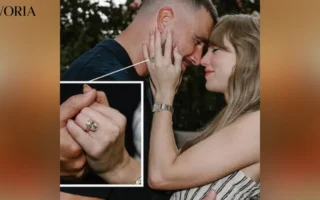
[…] Read More: Marquise Diamond Guide: Shape, Quality & Buying Tips […]