
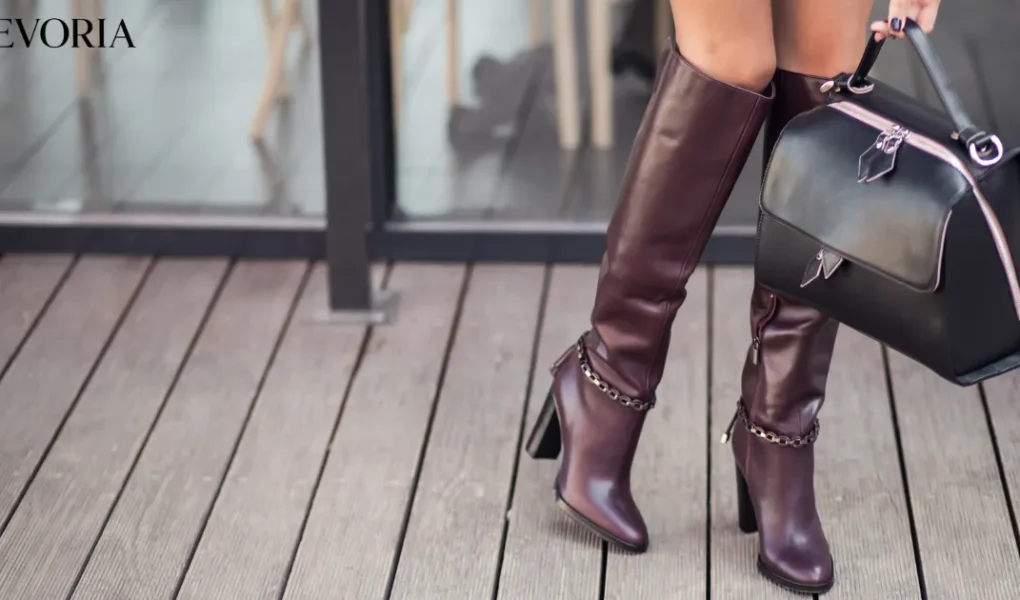
Brown Knee High Boots: The Complete Fit, Styling, and Buying Guide
Knee high boots look effortless in outfit photos, but the reality of finding a pair that actually fits well, especially through the calf, is one of the most common frustrations in boot shopping. Add in decisions about shade, heel height, and what to actually wear them with, and it is easy to end up with a pair that looks great on the shelf but does not work in real life.
This guide covers how brown knee high boots should fit, how to choose the right shade and heel style, and how to style them across different outfits and occasions without the common fit and styling mistakes that trip most people up.
What Are Knee High Boots
Knee high boots are boots that extend up to or near the knee, typically covering the calf fully, as opposed to ankle boots, which stop below the calf, or over-the-knee boots, which extend above the knee. Brown knee high boots are a particularly versatile version of this style, since brown functions as a neutral that pairs easily with a wide range of outfit colors.
The defining fit challenge with knee high boots, more than almost any other footwear category, is calf width, since a boot that fits well at the foot and ankle can still be too tight or too loose through the leg.
How Should Knee High Boots Fit
- Foot length and width: Should fit the same way you would size any closed-toe shoe, with enough room at the toe to avoid pinching.
- Ankle: Should fit snugly without gapping, since a loose ankle fit can cause the boot to slip during walking.
- Calf: This is the most critical and most commonly problematic fit point. The boot shaft should fit close to the leg without cutting into the calf or creating visible pressure marks, but also without excessive gapping that changes the boot’s silhouette.
- Boot height: Should generally end at or just below the knee when standing, allowing for slight movement when sitting without the boot digging uncomfortably into the back of the knee.
- Shaft flexibility: Boots with some stretch panel, elastic gusset, or adjustable buckle at the calf offer more flexibility for a wider range of leg shapes than a fully rigid shaft.
Understanding Calf Width When Buying
Calf circumference varies significantly between individuals, and many standard boots are built around an average calf measurement that does not fit everyone.
- Measure your calf at its widest point using a soft measuring tape, then compare this measurement to the brand’s specific calf circumference listing, since this varies significantly between brands and cannot be assumed based on shoe size alone
- Look for brands offering wide calf or extended calf options if your measurement exceeds standard sizing, rather than sizing up in overall shoe size, which does not address calf width
- Consider boots with stretch panels or adjustable straps if you are between standard and wide calf sizing, since these offer more flexibility than a fixed-width shaft
Brown Knee High Boots: Shade and Material Guide
| Shade | Undertone | Best Suited For |
|---|---|---|
| Tan or camel | Warm, light | Casual outfits, spring and early fall |
| Cognac | Warm, reddish-brown | Denim pairings, adds richness to neutral outfits |
| Chestnut | Warm, medium-deep | Versatile across seasons, works with both casual and polished looks |
| Dark brown or espresso | Neutral to cool, deep | Most versatile for formal or year-round wear, can substitute for black in many outfits |
Lighter shades tend to read as more casual, while deeper browns like chestnut and espresso generally work across a wider range of occasions, including more polished or work-appropriate outfits.
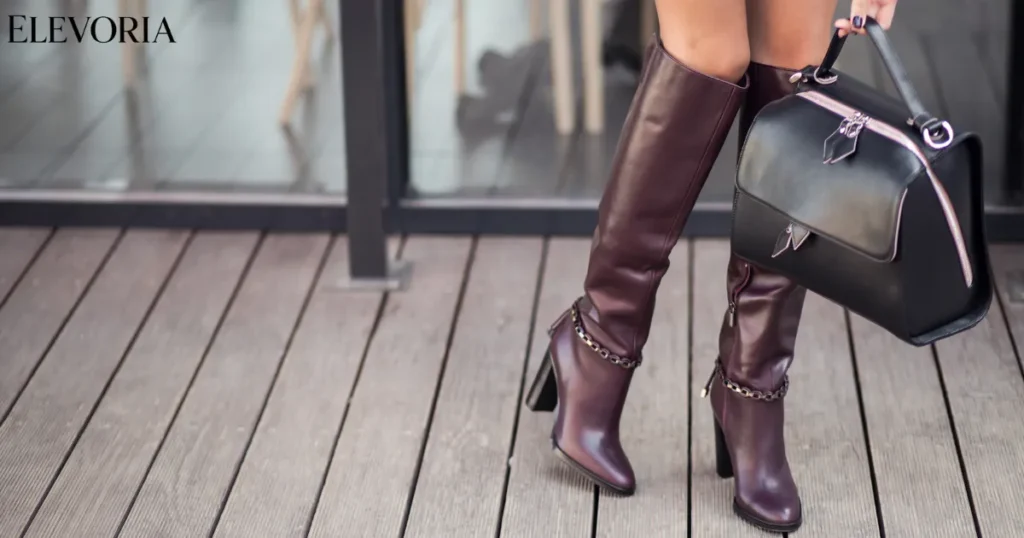
Heel Height and Comfort Considerations
- Flat or low heel (under one inch): Best for all-day comfort, walking, and casual styling
- Block heel (one to two inches): Offers a balance of comfort and a slightly elevated, polished look, generally more stable than a thin heel
- Stiletto or thin heel (two inches and above): More formal and elongating for the leg, though generally less practical for extended standing or walking
Choosing heel height based on how you actually plan to wear the boots, rather than appearance alone, generally leads to a pair that gets worn more consistently.
How to Style Brown Knee High Boots
With Dresses and Skirts
Knee high boots paired with a dress or skirt that ends at or above the knee create a classic, balanced silhouette, since the boot and hemline meet without excessive skin showing or overlap.
With Jeans
Skinny or slim straight jeans tucked into the boots create a streamlined look, while wider leg jeans can be worn over the boots for a more relaxed silhouette, provided the boot shaft width comfortably accommodates the denim.
With Leggings
Leggings paired with knee high boots and an oversized sweater or tunic top create an easy, comfortable cool-weather outfit, particularly suited to casual or errand-running days.
With Tights
Opaque tights extend the wearability of shorter dresses and skirts into cooler weather, while also creating a cleaner, more polished line where the boot shaft meets bare or covered skin.
Common Mistakes People Make
Sizing based on shoe size alone without checking calf circumference. This is the most common reason knee high boots end up uncomfortable or visually ill-fitting, since foot size and calf width do not always correlate.
Choosing a heel height based only on appearance. A heel that is not practical for how the boots will actually be worn often leads to the pair being left unworn after the first few uses.
Assuming knee high boots only work with skirts and dresses. Jeans, leggings, and even wider trousers can all pair well with knee high boots depending on the specific fit and styling approach.
Overlooking boot height relative to your own height and proportions. A boot height that works well on one body type may hit at a less flattering point on a different height or leg length, so trying boots on rather than relying on photos alone is generally more reliable.
Neglecting leather or suede care. Tall boots cover more surface area than shoes, and skipping regular conditioning or suede maintenance can lead to more noticeable wear over time.
Expert Insight: Boot Shaft Circumference Changes More Than People Expect With Layering
A detail often missed in boot buying guides is that the same calf measurement can fit differently depending on whether the boots will typically be worn over bare legs, tights, or thicker leggings. Buying boots based on a bare-leg calf measurement without accounting for planned layering can result in a boot that fits perfectly in-store but feels tight once tights or thicker leggings are added during colder months.
Actionable Recommendations
- Measure your calf at its widest point before buying, and compare this to each brand’s specific calf circumference listing rather than assuming standard sizing will fit
- Choose a heel height based on your actual planned use, prioritizing comfort for boots intended for regular walking or all-day wear
- Select a deeper brown shade like chestnut or espresso if you want a single pair that works across both casual and more polished outfits
- Account for tights or leggings when assessing fit if you plan to wear the boots primarily in colder months
- Condition leather boots regularly and use suede-specific care products for suede boots to maintain their appearance over the season
Conclusion
Brown knee high boots are one of the most versatile footwear investments for cooler weather, but getting real value from a pair depends on calf fit, heel height suited to actual use, and a shade that works with your existing wardrobe. Paying close attention to calf circumference and boot shaft flexibility, rather than shoe size alone, is the single most important step in finding a pair that fits comfortably and looks intentional rather than accidental.
Frequently Asked Questions
How should knee high boots fit? The foot and ankle should fit snugly without gapping, the calf should fit close without pinching or excessive looseness, and the boot height should end at or just below the knee when standing.
What do you wear with brown knee high boots? Dresses and skirts ending at or above the knee, skinny or slim jeans tucked into the boots, leggings, and even wider leg jeans worn over the boots all work well depending on the outfit.
Are brown or black knee high boots more versatile? Both are versatile neutrals. Brown tends to pair especially well with warm tones and denim, while black often reads as slightly more formal and pairs universally with cool tones.
How do you know your correct boot calf size? Measure your calf at its widest point with a soft measuring tape and compare this to the specific calf circumference listed by the boot brand, since sizing varies significantly between brands.
Can knee high boots be worn with jeans? Yes. Skinny or slim jeans tucked into the boots create a streamlined look, while wider leg jeans can be worn over the boots for a more relaxed silhouette.
What heel height is most practical for knee high boots? A flat or low block heel generally offers the most comfort for all-day wear and walking, while a higher heel is better suited to more formal, shorter-duration occasions.
Do knee high boots work for wide calves? Yes, particularly boots labeled as wide calf or extended calf, or boots featuring stretch panels or adjustable straps that accommodate a wider range of calf sizes.
How do you care for brown leather or suede knee high boots? Leather boots benefit from regular conditioning to prevent drying and cracking, while suede boots require a suede-specific brush and protective spray rather than standard leather care products.
Read More: Polka Dots: Styling Guide, Dot Sizes & Pairing Tips



[…] Read More: Brown Knee High Boots: Fit, Style & Buying Guide […]