
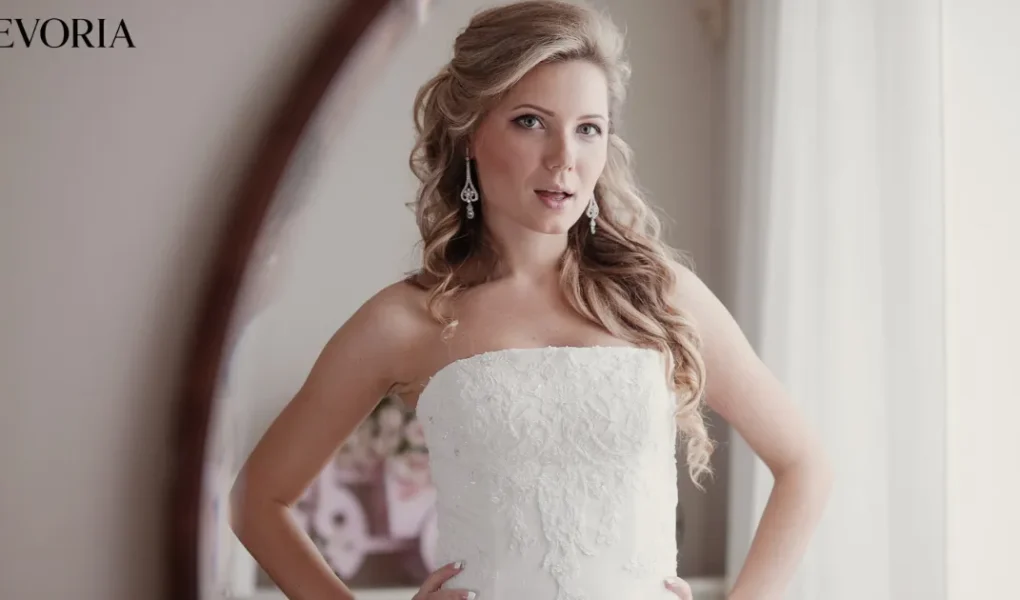
Not every bride wants a gown covered in lace, beading, or a dramatic train, and there is nothing wrong with that. A basic wedding gown, often better described as a minimalist or simple wedding dress, has become a genuinely popular choice for brides who want their wedding day look to feel clean, timeless, and personal rather than heavily embellished.
This guide explains what actually defines a basic or minimalist wedding gown, the silhouette and fabric choices within this style category, how to accessorize it so it feels complete rather than plain, and how it compares to more elaborate gowns in terms of cost and versatility.
What Is a Basic Wedding Gown
A basic wedding gown, often referred to as a minimalist wedding dress, is a bridal gown designed with clean lines, minimal embellishment, and a focus on silhouette and fabric quality rather than heavy detailing like lace overlays, extensive beading, or dramatic embroidery. The design philosophy centers on simplicity as an intentional aesthetic choice rather than a lack of design effort.
This style has roots in modern minimalist fashion more broadly, emphasizing quality construction, clean silhouettes, and fabric drape over decorative elements, and it has remained a consistently popular bridal category for brides who prefer understated elegance.
Common Silhouettes for Minimalist Wedding Gowns
| Silhouette | Description | Best Suited For |
|---|---|---|
| Slip dress | Simple, often bias-cut, minimal structure | Brides wanting a relaxed, effortless look |
| Sheath | Fitted through the body, straight silhouette | Brides wanting a sleek, streamlined shape |
| A-line | Fitted through the bodice, gently flaring skirt | Brides wanting subtle shape without heavy volume |
| Column | Straight, narrow silhouette from top to bottom | Brides wanting a modern, elongated look |
Each of these silhouettes can be executed with minimal embellishment, relying primarily on fit and fabric drape rather than decorative detailing to create visual interest.
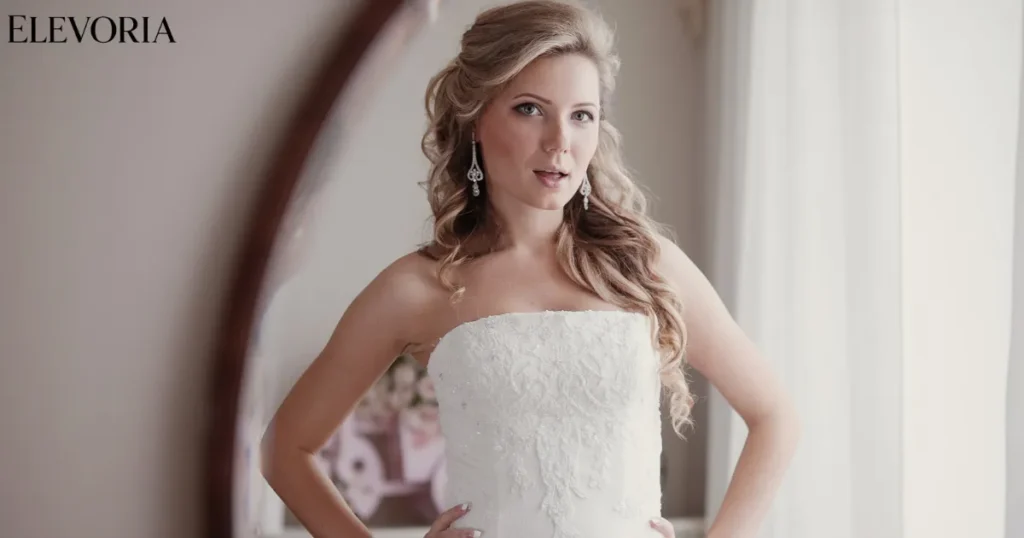
Fabric Choices for a Basic Wedding Gown
- Silk crepe: Offers a smooth, matte finish with excellent drape, commonly used in minimalist bridal design for its clean, elegant fall
- Silk charmeuse or satin: Provides a subtle sheen and fluid drape, often chosen for a sleek, polished minimalist look
- Cotton or linen blends: Occasionally used for more casual or bohemian-leaning minimalist gowns, offering a relaxed, breathable option
- Crepe back satin: Combines a matte crepe side with a subtle satin sheen, offering versatility depending on how the fabric is used in construction
Fabric quality plays a larger role in a minimalist gown’s overall impression than in a heavily embellished dress, since there is little decorative detailing to distract from the fabric’s drape, texture, and finish.
Are Simple Wedding Dresses Cheaper
Generally, yes, though this depends on the specific designer, fabric quality, and construction rather than simplicity alone. Reduced labor for hand beading, lace application, and intricate embroidery typically lowers production cost compared to heavily embellished gowns.
That said, high quality fabric and precise tailoring, both especially important in minimalist design where there is nowhere for construction flaws to hide behind decoration, can still command a significant price, so “simple” does not automatically mean the most budget-friendly option available.
How to Accessorize a Basic Wedding Gown
Since a minimalist gown relies less on built-in embellishment, accessorizing thoughtfully helps create a complete, intentional bridal look rather than one that reads as unfinished.
- Choose one statement accessory rather than several competing pieces. A single striking earring style, a sculptural hair piece, or a statement veil tends to work better with a simple gown than multiple heavily detailed accessories.
- Consider texture through outerwear or accessories. A textured shawl, a structured blazer, or an interesting shoe can add visual interest without competing with the gown’s clean lines.
- Play with hair and makeup as a styling opportunity. Since the gown itself is understated, hair and makeup often carry more visual weight in a minimalist bridal look than they would with a heavily detailed dress.
- Choose a veil style intentionally. A long, simple veil can add drama to an otherwise minimal gown, while a shorter or birdcage veil maintains the overall understated aesthetic.
- Do not feel obligated to add embellishment just to avoid looking too plain. Part of the minimalist gown’s appeal is its restraint, and forcing in decorative elements can undercut the intended aesthetic.
Basic Wedding Gown vs Elaborate Wedding Gown
| Factor | Basic / Minimalist Gown | Elaborate Gown |
|---|---|---|
| Embellishment | Minimal to none | Lace, beading, embroidery, or dramatic detailing |
| Cost tendency | Generally lower, though fabric quality still matters | Generally higher due to labor-intensive detailing |
| Styling flexibility | High, works across many venue types and themes | More tied to a specific aesthetic or formality level |
| Accessorizing needs | More intentional accessorizing generally recommended | Gown often serves as the primary statement piece |
| Timelessness | Often considered more timeless in photos over the years | Can feel more tied to a specific trend era |
Neither option is objectively better, and the right choice depends on personal style preference, wedding aesthetic, and how much visual weight a bride wants her gown itself to carry versus her styling choices around it.
Common Mistakes People Make
Assuming basic automatically means low quality. Minimalist design still requires excellent fabric and precise construction, and assuming a simple gown is inherently a lower quality choice overlooks the craftsmanship involved in clean, well-executed design.
Skipping accessorizing entirely. A minimalist gown paired with no thoughtful accessorizing can read as underdressed rather than intentionally simple, so some accessorizing consideration generally helps complete the look.
Choosing a silhouette without considering venue and formality. A very casual slip dress silhouette may not suit a highly formal venue, while a more structured column gown might feel out of place at a casual outdoor celebration.
Overlooking fabric quality when comparing options. Since there is little decorative detailing to rely on, fabric drape and finish matter significantly more in a minimalist gown, and prioritizing price over fabric quality can result in a less polished final look.
Assuming simple gowns are only for casual weddings. A well-constructed minimalist gown in a fabric like silk crepe can absolutely work for a formal wedding, particularly when paired with more elevated accessorizing choices.
Expert Insight: Fit Becomes the Primary Design Element in Minimalist Gowns
A detail often underexplained in general bridal gown guides is that fit and tailoring carry significantly more visual weight in a minimalist gown than in a heavily embellished one. Without lace, beading, or dramatic detailing to draw the eye, any fit imperfection, whether at the bust, waist, or hem, becomes considerably more noticeable. This is part of why working closely with a tailor for precise alterations matters even more for a simple gown than it does for a more elaborate design, where decorative elements can sometimes visually soften minor fit inconsistencies.
Actionable Recommendations
- Prioritize fabric quality and construction over embellishment level when comparing basic wedding gown options
- Choose one intentional statement accessory, such as a sculptural hairpiece or a distinctive earring style, rather than layering several competing pieces
- Invest in precise tailoring, since fit imperfections are more visible in a minimalist gown than in a heavily detailed one
- Match silhouette to your venue’s formality level, considering whether a relaxed slip dress or a more structured column silhouette better suits your specific setting
- Use hair, makeup, and accessories as your primary styling opportunity, rather than feeling pressure to compensate for the gown’s simplicity with added embellishment
Conclusion
A basic or minimalist wedding gown offers a clean, timeless bridal look built around fabric quality, precise fit, and intentional restraint rather than decorative detailing. Understanding how to choose the right silhouette and fabric for your venue, along with accessorizing thoughtfully rather than skipping styling entirely, makes it entirely possible for a simple gown to feel just as elegant and complete as a more elaborate design.
Frequently Asked Questions
What makes a wedding dress simple or basic? A basic or minimalist wedding gown features clean lines and minimal embellishment, relying on silhouette and fabric quality rather than lace, beading, or embroidery for its visual impact.
How do you accessorize a plain wedding gown? Choosing one intentional statement accessory, considering texture through outerwear or shoes, and using hair and makeup as a primary styling opportunity all help complete a minimalist bridal look.
Are simple wedding dresses cheaper? Generally yes, since reduced labor for embellishment typically lowers production cost, though fabric quality and construction can still significantly affect price regardless of design simplicity.
What fabric works best for a minimalist wedding gown? Silk crepe, silk charmeuse, and crepe back satin are commonly used in minimalist bridal design for their clean drape and finish, since fabric quality plays a larger role when there is minimal decorative detailing.
Can a basic wedding gown still look elegant? Yes. With quality fabric, precise tailoring, and thoughtful accessorizing, a minimalist gown can absolutely achieve an elegant, polished bridal look, particularly for brides who prefer understated design.
What silhouette works best for a simple wedding dress? Slip dresses, sheath silhouettes, A-line, and column gowns are all common choices within minimalist bridal design, with the best option depending on personal style preference and venue formality.
Is a basic wedding gown suitable for a formal wedding? Yes, particularly when made from a high quality fabric like silk crepe and paired with more elevated accessorizing choices, a minimalist gown can work well for formal wedding settings.
Does a minimalist wedding gown require more alterations than an embellished one? Not necessarily more alterations, but precise tailoring matters significantly more in a minimalist gown, since fit imperfections are more visible without decorative detailing to soften them visually.
Read More: Wedding Cocktail Gowns: A Complete Guide for Guests and Brides


[…] Read More: Basic Wedding Gown: A Complete Guide to Simple, Elegant Bridal Style […]