
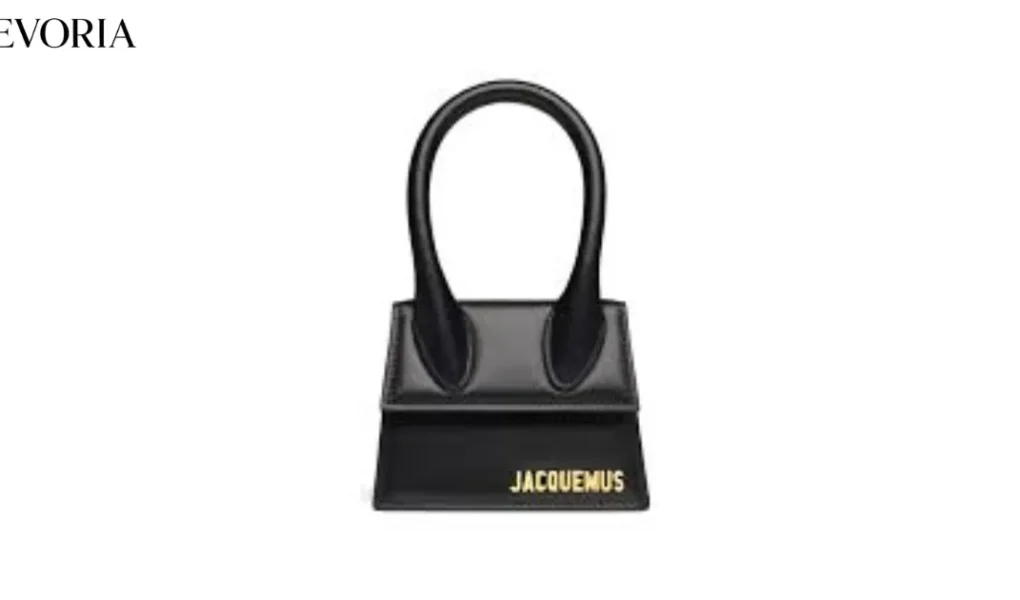
Few handbag launches in recent fashion history have generated as much attention as Jacquemus did with its now iconic mini bags, pieces so small they sparked an entire online conversation about whether a bag needs to hold anything at all to be worth carrying. Between Le Chiquito, Le Bambino, Le Bisou, and several other similarly named styles, keeping track of which bag is which, and which size actually makes sense for daily use, is genuinely confusing without a clear breakdown.
This guide explains who is behind the Jacquemus brand, how its most famous bag styles compare in size and function, and how to choose between them based on what you actually need from a bag.
Who Is Jacquemus
Jacquemus is a French fashion house founded by designer Simon Porte Jacquemus, who launched the label in 2009 at just 19 years old, naming the brand after his mother’s maiden name following her death in a car accident. The brand gained significant industry recognition after Jacquemus received the LVMH Prize in 2015, which provided funding to help grow the company.
Jacquemus is known for combining minimalist, clean design with playful, sometimes exaggerated proportions, an approach that has extended from the brand’s ready-to-wear collections into its now-famous handbag lines.
What Is Jacquemus Known For
Jacquemus became widely known in mainstream fashion following the debut of Le Chiquito, a line of dramatically miniature handbags that first appeared around 2017 and became a viral sensation the following year. The bag’s exaggerated small proportions, structured boxy shape, and oversized top handle created a distinctive silhouette that stood out sharply from typical handbag design at the time, and the style was quickly adopted by numerous celebrities and fashion influencers.
Beyond Le Chiquito, the brand has built out a wider handbag collection including Le Bambino, Le Bisou, and several other lines, each with a distinct silhouette while maintaining the brand’s overall design language of clean lines and considered proportions.
Jacquemus Bag Lines Compared
| Bag Line | Description | Best For |
|---|---|---|
| Le Chiquito | The original micro bag line, structured boxy shape, oversized top handle, available in multiple sizes | Statement accessory, minimal daily essentials |
| Le Petit Chiquito | The smallest size in the Chiquito family, an extremely compact micro bag | Fashion statement piece, minimal practical capacity |
| Le Bambino | Slightly more spacious than Chiquito, rectangular shape with a structured top handle and front flap | Everyday use with more practical capacity |
| Le Bisou | Compact shoulder or underarm bag with a single strap, smooth leather construction | Evening wear or a classic, elegant accessory |
| Le Grand Bambino | The largest size within the Bambino family | Brides wanting more everyday practicality without sacrificing the brand’s signature look |
Each line maintains its own internal size range, so within Le Chiquito alone there are multiple sub-sizes, from the extremely compact Petit Chiquito up to the more functional Grand Chiquito.
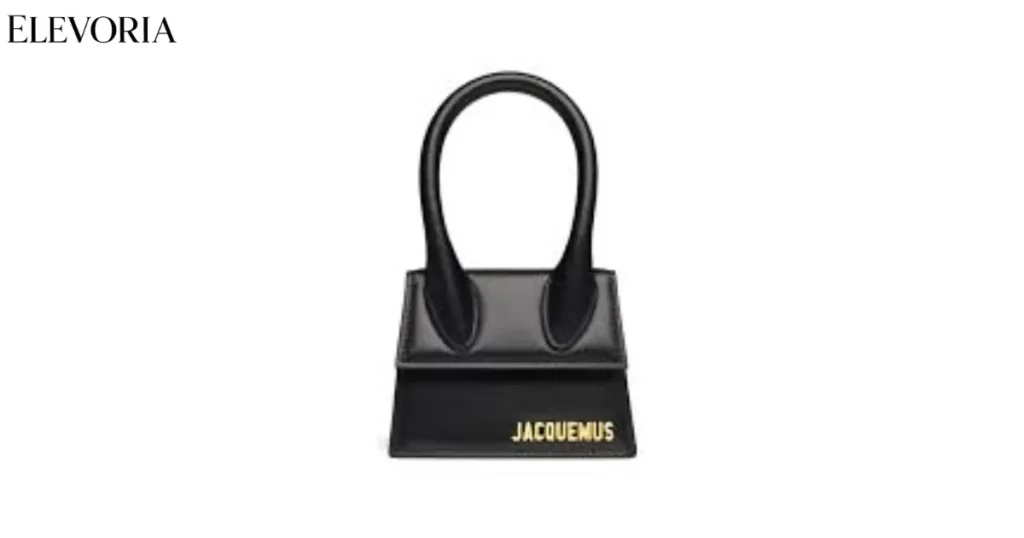
Le Chiquito Sizes Explained
- Le Petit Chiquito (Micro): The smallest size in the collection, measuring roughly 8.5 by 5 by 2.5 centimeters, widely described as one of the smallest designer bags available, with minimal practical storage capacity.
- Le Chiquito (Mini): The original viral size, small and structured, generally holding a few small essentials like a card and lipstick.
- Le Chiquito Moyen: A mid-sized option within the Chiquito family, offering more room than the original mini while retaining the same silhouette.
- Le Grand Chiquito: The largest Chiquito size, measuring approximately 22 by 18 centimeters, offering enough room for a wallet, phone, and other daily essentials.
The significant size range within a single bag line is part of why understanding which specific Chiquito size you are looking at matters, since the practical difference between the smallest and largest versions is considerable.
Le Chiquito vs Le Bambino
The most common point of confusion in the Jacquemus lineup is the difference between Le Chiquito and Le Bambino, since both share a similar minimalist aesthetic.
- Le Chiquito features a structured, boxy shape with an oversized top handle and was the brand’s original breakthrough design
- Le Bambino, launched later, offers a cleaner, more rectangular silhouette with a structured top handle, a front flap closure, and generally more interior space than the comparable Chiquito sizes
- Le Bambino also typically features a visible gold-tone logo plaque, distinguishing it visually from the more minimal branding found on Chiquito styles
Le Bambino is generally considered the more practical, everyday-functional option between the two lines, while Le Chiquito, particularly in its smaller sizes, leans more heavily toward being a fashion statement piece.
Are Jacquemus Bags Practical
This depends entirely on which specific bag and size you are considering. The smallest sizes, such as Le Petit Chiquito, are widely acknowledged, including by the brand’s own marketing and fashion commentary, as more of a statement accessory than a genuinely functional daily bag, holding barely more than a few small items.
Larger sizes within each line, such as Le Grand Chiquito or Le Grand Bambino, offer meaningfully more practical capacity, generally able to hold a wallet, phone, and a few additional daily essentials, making them a more reasonable choice for someone wanting the brand’s design aesthetic with genuine everyday function.
What Materials Are Jacquemus Bags Made From
Jacquemus bags are primarily crafted from leather, with the brand emphasizing that natural leather variations and irregularities are part of each piece’s individual character rather than a flaw. Some styles, particularly within seasonal collections, incorporate raffia or straw materials, reflecting the brand’s design roots connected to the south of France.
Care instructions for the leather styles generally recommend keeping the bags away from direct sun exposure, water, cosmetics, and heat sources, storing them in a dust bag in a dry place when not in use.
Common Mistakes People Make
Assuming all Jacquemus bags are impractically small. While the brand became famous for its micro bag sizes, larger options within the same lines offer genuine everyday practicality.
Confusing Le Chiquito and Le Bambino as the same bag. These are distinct lines with different silhouettes, closures, and typical interior capacity, despite sharing a similar overall aesthetic.
Buying based on trend visibility alone without considering practical use. A bag that looks striking in a social media post may not suit someone’s actual daily carry needs, particularly in the smallest available sizes.
Overlooking leather care instructions. Since Jacquemus bags are made from natural leather with individual variation, skipping proper care guidance can lead to premature wear or discoloration.
Assuming pricing is uniform across the brand. Bag pricing varies considerably based on size, material, and specific line, with smaller raffia or fabric styles generally priced lower than larger structured leather bags.
Expert Insight: Proportional Design Philosophy Explains the Brand’s Broader Appeal
A detail often underexplained in general Jacquemus coverage is that the brand’s handbag design reflects the same proportional experimentation found throughout its ready-to-wear collections, rather than being an isolated accessory strategy. Simon Porte Jacquemus has built much of the label’s identity around playing with scale and proportion, from oversized hats to famously miniature bags, which is part of why the Chiquito’s exaggerated small size felt like a natural extension of the brand’s existing design language rather than a one-off gimmick.
Actionable Recommendations
- Choose a larger size, such as Le Grand Chiquito or Le Grand Bambino, if practical daily capacity matters alongside the brand’s aesthetic
- Consider Le Bambino over Le Chiquito if you want a more functional everyday bag with a similar minimalist design language
- Follow the brand’s specific leather care guidance, avoiding sun, water, and heat exposure, to help the bag maintain its condition over time
- Compare specific bag dimensions rather than relying on size names alone, since terms like mini, moyen, and grand vary in meaning across different Jacquemus lines
- If buying secondhand, verify authenticity carefully given the brand’s popularity and resale demand, particularly for the most recognizable Chiquito styles
Conclusion
Jacquemus built its reputation on bold, proportion-driven design, and its bag collection, from the ultra-compact Chiquito to the more practical Bambino, reflects that same design philosophy across a genuinely wide range of sizes and use cases. Understanding the differences between the brand’s various lines and sizes makes it much easier to choose a piece that matches both your personal style and how you actually plan to use it day to day.
Frequently Asked Questions
What is Jacquemus known for? Jacquemus is known for minimalist, proportion-driven fashion design, becoming especially famous in mainstream culture for its Le Chiquito line of dramatically miniature handbags, which became a viral sensation after its debut in the late 2010s.
What is the smallest Jacquemus bag? Le Petit Chiquito is the smallest bag in the Jacquemus lineup, measuring approximately 8.5 by 5 by 2.5 centimeters, widely regarded as one of the smallest designer bags available.
What is the difference between Le Chiquito and Le Bambino? Le Chiquito features a structured, boxy shape with an oversized top handle, while Le Bambino offers a more rectangular silhouette with a front flap closure and generally more interior capacity than comparable Chiquito sizes.
Are Jacquemus bags practical? This depends on the specific size chosen. The smallest sizes function more as statement accessories with minimal storage, while larger sizes within each line, such as Le Grand Chiquito or Le Grand Bambino, offer meaningfully more everyday practicality.
Who designs Jacquemus bags? Simon Porte Jacquemus, the founder and creative director of the Jacquemus fashion house, designs the brand’s bags as part of the label’s broader ready-to-wear and accessories collections.
What materials are Jacquemus bags made from? Jacquemus bags are primarily made from leather, with natural variation in color and texture considered part of each piece’s individual character, along with some seasonal styles incorporating raffia or straw materials.
When did Le Chiquito launch? Le Chiquito first debuted around 2017 and became a widely recognized viral fashion moment in 2018, marking a significant turning point in the Jacquemus brand’s mainstream popularity.
Is Le Bambino bigger than Le Chiquito? Generally yes, Le Bambino tends to offer more interior space than comparable Le Chiquito sizes, though both lines include a range of sizes, so comparing specific dimensions rather than the line name alone gives a more accurate size comparison.
Read More: Bucket Bag Guide: Style, Practicality & Care Tips



[…] Read More: Jacquemus Bag Guide: Le Chiquito, Le Bambino, and the Full Lineup Explained […]