Utility-inspired outerwear has become a wardrobe staple well beyond its working origins, and the barn jacket is one of the styles that gets mentioned constantly without much clarity on what actually separates it from a field jacket, a chore coat, or a plain denim jacket. The names get used almost interchangeably online, which makes it genuinely hard to know what you are actually buying.
This guide explains what a barn jacket is, how it differs from similar utility jacket styles, how warm it actually performs, and how to style it across seasons and occasions.
What Is a Barn Jacket
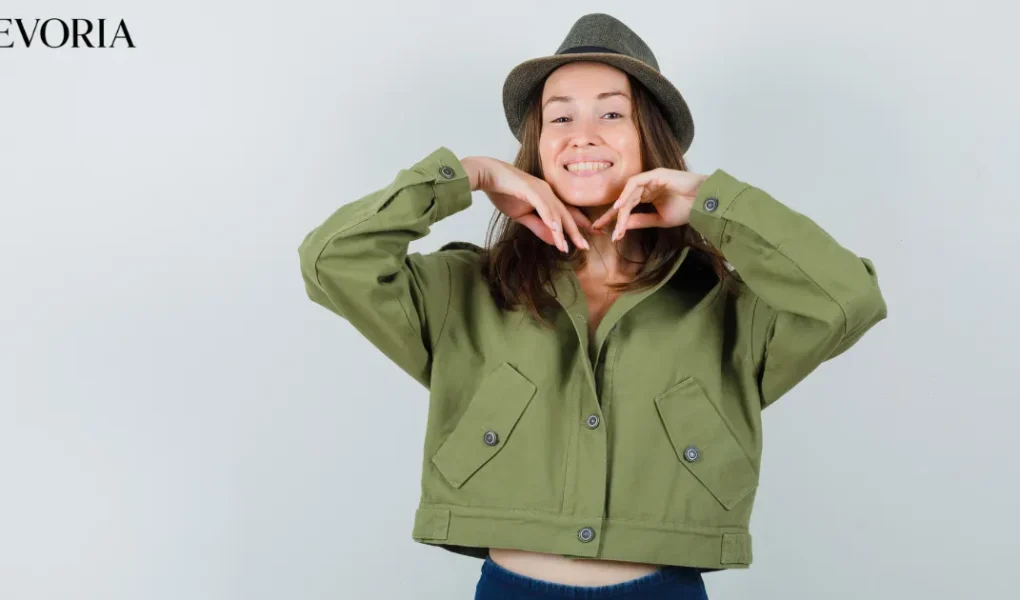
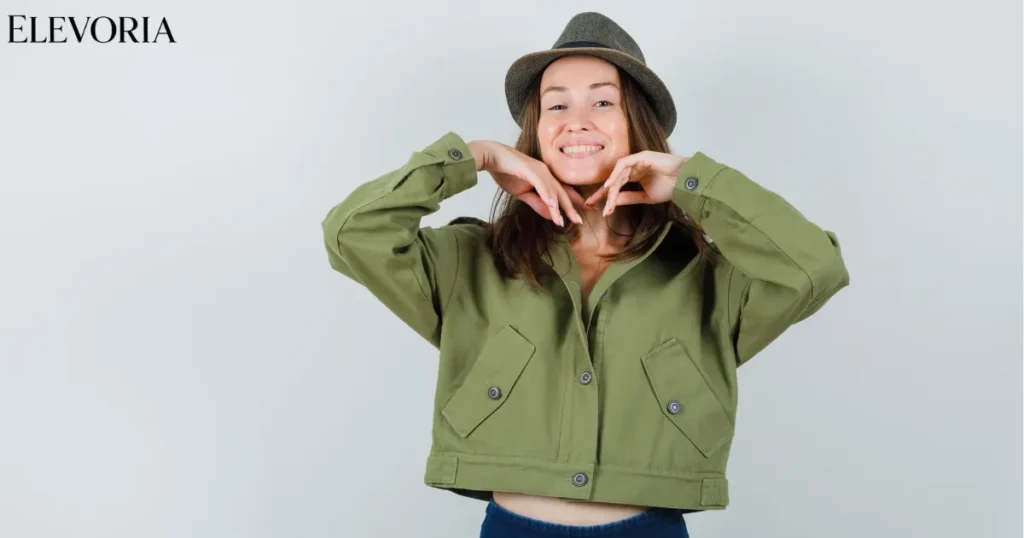
A barn jacket is a hip-length, boxy utility jacket originally designed for practical outdoor farm work, typically featuring a corduroy collar, multiple exterior pockets, a button or snap front closure, and often a plaid or quilted lining for added warmth. The style traces back to functional workwear built for durability and practicality in cold, outdoor rural settings.
The defining features that separate a barn jacket from other utility jackets are the corduroy collar and the typically plaid flannel or quilted lining, both of which were originally practical choices for warmth and durability during farm work.
Barn Jacket vs Field Jacket vs Chore Coat
| Style | Origin | Key Features | Typical Fit |
|---|---|---|---|
| Barn jacket | Farm and rural workwear | Corduroy collar, plaid or quilted lining, multiple pockets | Boxy, hip length |
| Field jacket | Military origin | Often four-pocket design, structured, sometimes with a hood | Slightly more tailored, hip to mid-thigh length |
| Chore coat | Workwear, originally French laborer jackets | Simple button front, minimal hardware, often unlined or lightly lined | Boxy, straight, hip length |
| Denim jacket | General workwear and casual fashion | Rivets, chest pockets, often unlined | Varies, traditionally boxy but now available in many fits |
The corduroy collar and plaid or quilted lining are the most reliable identifying features of a true barn jacket, distinguishing it from the more military-inspired field jacket and the more minimal, often unlined chore coat.
Common Barn Jacket Materials
- Cotton canvas or duck cloth: A durable, tightly woven fabric commonly used for the jacket’s exterior, offering wind resistance and durability against outdoor wear
- Corduroy collar: Almost universally featured on true barn jackets, both for its practical durability and its recognizable, textured appearance
- Plaid flannel lining: A traditional lining choice offering moderate warmth and a classic, recognizable aesthetic
- Quilted or sherpa lining: A warmer alternative to plaid flannel, offering increased insulation for colder climates
- Corduroy body construction: Some barn jacket variations use corduroy for the entire jacket body rather than just the collar, offering a softer, more textured overall look
How Warm Is a Barn Jacket
Warmth varies significantly depending on the specific lining and outer material, but general expectations include:
- Unlined or lightly lined barn jackets function primarily as a wind and light cold barrier, best suited to early fall or mild winter conditions when layered appropriately
- Plaid flannel lined barn jackets offer moderate warmth, suitable for cooler fall and early winter temperatures with appropriate layering underneath
- Quilted or sherpa lined barn jackets provide the most insulation among common variations, better suited to colder winter conditions, particularly when paired with a sweater or additional base layer
For genuinely cold climates, layering a sweater or thermal base layer underneath a barn jacket, rather than relying on the jacket alone, generally provides more reliable warmth than assuming the jacket’s lining alone will suffice.
How Should a Barn Jacket Fit
- Shoulders: Should sit close to your natural shoulder line without excessive bagginess, since barn jackets are traditionally boxy but not meant to be oversized to the point of looking sloppy.
- Length: Should generally end at or just below the hip, staying true to the style’s traditional proportions.
- Sleeves: Should allow room for a sweater or light layer underneath without feeling restrictive, reflecting the jacket’s practical, layering-friendly design origin.
- Overall silhouette: A slightly boxy, relaxed fit is true to the jacket’s original design, though modern variations sometimes offer a more tailored, slimmer silhouette for those preferring a less traditional look.
How to Style a Barn Jacket
Casual Everyday Wear
Pair a barn jacket with jeans and a simple sweater or t-shirt for an easy, classic casual look that reflects the jacket’s practical, workwear-inspired roots.
Layered Fall Outfits
Wearing a barn jacket over a flannel shirt or a chunky knit sweater creates a layered, textured fall outfit well suited to cooler but not yet freezing temperatures.
Smart Casual
A barn jacket in a more refined fabric, paired with tailored trousers and clean boots or sneakers, can work for a smart casual look, particularly when the rest of the outfit leans slightly more polished to balance the jacket’s inherently casual character.
Layering for Cold Weather
Adding a barn jacket over a sweater or thermal layer, paired with jeans and insulated boots, provides both practical warmth and a classic cold weather silhouette.
Common Mistakes People Make
Assuming all barn jackets provide the same level of warmth. Lining type varies significantly between unlined, plaid flannel, and quilted or sherpa options, and treating them as interchangeable can lead to being underdressed for the actual weather.
Confusing a barn jacket with a field jacket or chore coat. While visually similar at a glance, the corduroy collar and typical lining style are what distinguish a true barn jacket from these adjacent utility jacket styles.
Sizing too large in an attempt to achieve the boxy silhouette. The traditional barn jacket fit is boxy but still fitted at the shoulder, and sizing up too much can result in a jacket that looks oversized rather than intentionally relaxed.
Overlooking layering room when choosing a size. Since barn jackets are traditionally designed to be worn over sweaters or flannel layers, choosing a size too snug for this purpose can limit the jacket’s practical versatility.
Treating the jacket as strictly casual wear. With the right styling, particularly paired with more tailored pieces, a barn jacket can work in smart casual settings rather than being limited to purely casual outfits.
Expert Insight: Collar and Lining Combination Signals True Style Authenticity
A detail often missed in general utility jacket guides is that the specific combination of corduroy collar and plaid or quilted lining is what most reliably signals a true barn jacket, rather than the overall silhouette alone. Many jackets marketed under adjacent names, such as chore coat or field jacket, share a similarly boxy silhouette but lack this specific collar and lining combination, which is why checking these construction details matters more than the product name alone when trying to identify or shop for a genuine barn jacket style.
Actionable Recommendations
- Check for the corduroy collar and lining type specifically when shopping, rather than relying on the product name alone to confirm you are getting a true barn jacket style
- Choose a quilted or sherpa lined version if you plan to wear the jacket through genuinely cold winter conditions, and reserve unlined or flannel lined versions for milder fall weather
- Size for comfortable layering room, particularly if you plan to wear sweaters or flannel shirts underneath regularly
- Pair with more tailored pieces, such as structured trousers, if you want to elevate the jacket’s inherently casual character for smart casual settings
- Layer a sweater or thermal base layer underneath for genuinely cold weather rather than relying on the jacket’s lining alone
Conclusion
A barn jacket earns its distinct identity through the combination of a corduroy collar, a plaid flannel or quilted lining, and a boxy, practical silhouette rooted in genuine farm workwear history. Understanding how it differs from similar styles like field jackets and chore coats, along with choosing the right lining for your climate, makes it much easier to get real, versatile use out of this classic utility-inspired jacket across multiple seasons.
Frequently Asked Questions
What is a barn jacket? A barn jacket is a hip-length, boxy utility jacket typically featuring a corduroy collar, multiple exterior pockets, and a plaid flannel or quilted lining, originally designed for practical farm and outdoor work.
What is the difference between a barn jacket and a field jacket? A barn jacket typically features a corduroy collar and plaid or quilted lining rooted in farm workwear, while a field jacket has military origins and often features a more structured design with a four-pocket layout.
Are barn jackets warm enough for winter? This depends on the specific lining. Quilted or sherpa lined versions offer the most warmth, while unlined or lightly lined versions function better as a wind barrier for milder conditions, generally requiring additional layering for genuinely cold winter weather.
What do you wear with a barn coat? Jeans and a simple sweater or flannel shirt create a classic casual look, while pairing the jacket with tailored trousers and clean footwear can elevate it toward a smart casual outfit.
Is a barn jacket the same as a chore coat? No. While both share a boxy, practical silhouette, a chore coat typically has a simple button front with minimal hardware and is often unlined, while a true barn jacket features a corduroy collar and typically a flannel or quilted lining.
How should a barn jacket fit? The shoulders should sit close to your natural shoulder line, the length should end at or just below the hip, and the sleeves should allow room for a sweater or light layer underneath without feeling restrictive.
Can a barn jacket be worn in smart casual settings? Yes, particularly when paired with more tailored pieces like structured trousers and clean footwear, which help balance the jacket’s inherently casual, workwear-inspired character.
What materials are commonly used in barn jackets? Cotton canvas or duck cloth is common for the exterior, paired with a corduroy collar and either a plaid flannel or quilted lining, depending on the desired warmth level.
Read More: Dark Wash Jeans: The Complete Style, Fit, and Care Guide