
What Is an Eyelash Weave
Eyelash weave refers to a lash application technique in which a strip of false lashes, rather than individual extensions, is woven under and over the natural lashes instead of being glued directly on top of them or against the eyelid. This weaving action interlaces the strip base with the natural lashes at one or more points, which is intended to help anchor the strip more securely than a strip simply glued flat against the lash line.
This technique is distinct from two more commonly known lash methods. Traditional eyelash extensions involve attaching a single synthetic or silk extension to a single natural lash using adhesive, without any strip base. Standard strip lashes, by contrast, are typically applied by gluing the entire strip base directly along the lash line or eyelid without any weaving step. Eyelash weave sits between these two methods by using a strip lash format but incorporating a weaving technique meant to improve how securely it stays in place.
How Eyelash Weave Compares to Other Lash Techniques
| Technique | Application Method | Attachment Point | Typical Duration |
|---|---|---|---|
| Eyelash weave | Strip lash woven under and over natural lashes | Interlaced with natural lashes at one or more points | Generally temporary, similar to strip lash wear |
| Individual eyelash extensions | Single synthetic lash glued to a single natural lash | Individual natural lashes | Several weeks, with natural lash growth cycle affecting retention |
| Standard strip lashes | Full strip glued along the lash line or eyelid | Adhesive bond to skin or lash base | Single wear, typically removed same day |
The key distinction with eyelash weave is the physical weaving step itself, which some practitioners describe as offering more secure hold than a standard strip lash without the longer-term commitment or per-lash attachment process associated with individual extensions.
How Eyelash Weave Is Applied
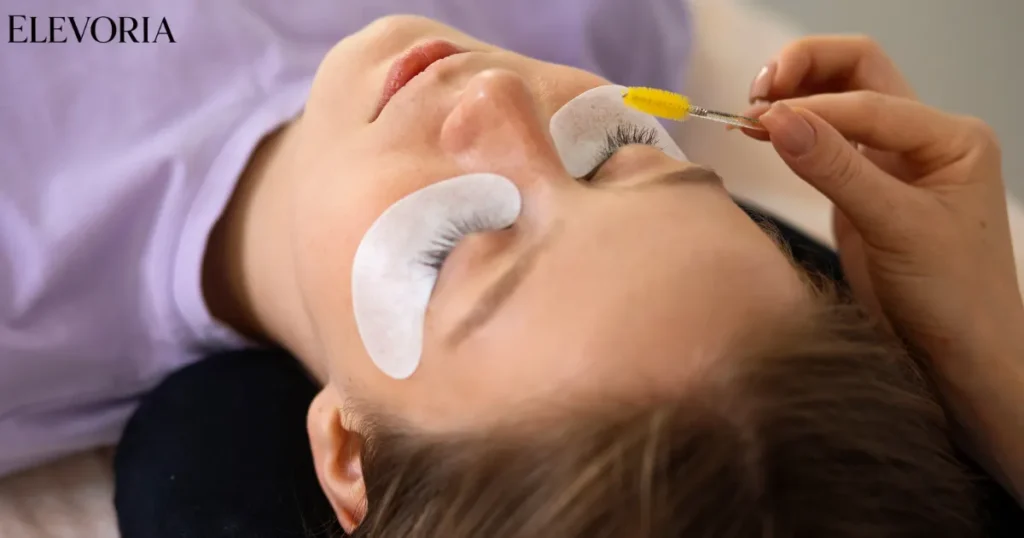
While specific techniques can vary between practitioners, the general process involves the following steps.
- Preparing the natural lashes, which may include cleaning the lash line and combing lashes into place.
- Positioning the strip lash near the natural lash line, similar to the starting point of standard strip lash application.
- Weaving a portion of the strip underneath one or more natural lashes, then bringing it back over the top, interlacing the strip base with the natural lashes rather than laying it flat against them.
- Repeating the weaving motion at additional points along the strip, depending on the desired level of hold and coverage.
- Securing the strip with adhesive at the base, in combination with the weaving, to help keep it in place for the duration of wear.
Because this technique still involves an adhesive component in addition to the weaving, general strip lash removal practices, such as gently loosening the adhesive rather than pulling the strip away forcefully, remain relevant for eyelash weave as well.
Is Eyelash Weave Safe for Natural Lashes
Safety considerations for eyelash weave are similar to those for other lash enhancement techniques, with a few specific points worth noting. The weaving action interacts more directly with individual natural lashes than a standard strip lash resting on top of them, which means the tension and handling during application and removal matter for minimizing stress on the natural lash follicles.
As with any lash enhancement method, using appropriate adhesive, avoiding excessive pulling during removal, and allowing the natural lashes periodic breaks between applications are general best practices that apply here as well. Anyone with sensitive eyes, an eye condition, or a history of allergic reactions to lash adhesives should consult a professional or an eye care provider before trying any lash enhancement technique, including eyelash weave.
How Long Does Eyelash Weave Last
Since eyelash weave uses a strip lash format rather than individual extensions bonded to single natural lashes, it generally functions as a more temporary option, closer in duration to standard strip lash wear than to the multi-week retention typical of individual extensions. The specific hold time can vary depending on the adhesive used, the number of weave points, and how the lashes are cared for during wear.
Common Mistakes to Avoid
Confusing eyelash weave with individual eyelash extensions. These are distinct techniques with different application methods, attachment points, and expected duration, and treating them as interchangeable can lead to mismatched expectations.
Removing woven strip lashes by pulling directly outward. Because the strip is interlaced with natural lashes rather than simply glued flat, forceful removal can put more stress on natural lashes than removing a standard strip lash, so gentle, gradual removal is important.
Assuming the technique is standardized across every practitioner. Since the term is used somewhat inconsistently in the beauty industry, specific application methods and expected results can vary between different sources and professionals.
Skipping a patch test with new adhesive. As with other lash techniques involving adhesive, skipping a patch test increases the risk of an unexpected reaction, particularly for those with sensitive skin or a history of allergies.
Not asking a professional about experience with the specific technique. Because eyelash weave is less commonly practiced than individual extensions or standard strip lashes, confirming a professional’s specific experience with the weaving method is a reasonable step before booking.
Expert Insights
Lash technicians who are familiar with less common lash application methods generally note that any technique involving direct interaction with individual natural lashes, rather than surface-level adhesive placement alone, requires more careful handling during both application and removal. This is consistent with how eyelash weave differs from a standard strip lash, since the weaving action creates points of contact with individual natural lashes that need to be released carefully rather than pulled away as a single unit.
It is also worth noting that terminology in the beauty industry does not always follow a single standardized definition, and eyelash weave is a clear example of this, since it is described somewhat differently depending on the specific source. Confirming the specific technique a professional plans to use, rather than relying on the term alone, helps set clearer expectations before an appointment.
Actionable Recommendations
- Confirm with a professional exactly what technique they mean by eyelash weave before booking, since the term is not used consistently across the industry.
- Ask about expected duration and removal process ahead of time, since this technique generally functions closer to strip lash wear than individual extensions.
- Request a patch test if using a new adhesive product for the first time.
- Avoid pulling woven strip lashes directly outward during removal, and instead follow gentle removal guidance to minimize stress on natural lashes.
- Consult an eye care provider first if you have a history of eye sensitivity or allergic reactions to lash adhesives.
Conclusion
Eyelash weave is a lash application technique that interlaces a strip lash with the natural lashes through a weaving motion, distinguishing it from both individual eyelash extensions and standard strip lash application. Understanding this distinction, along with realistic expectations about duration, safety, and application process, makes it easier to decide whether this specific technique fits a person’s needs compared to more widely practiced lash options. Since the term is not applied consistently across the beauty industry, confirming the exact method a specific professional uses remains an important step before booking an appointment.
Frequently Asked Questions
What is an eyelash weave? Eyelash weave is a lash application technique where a strip of false lashes is woven under and over the natural lashes, rather than glued flat against them, with the goal of creating a more secure hold than a standard strip lash.
Is eyelash weave the same as eyelash extensions? No, individual eyelash extensions involve attaching a single synthetic lash to a single natural lash using adhesive, while eyelash weave uses a strip lash format that is interlaced with the natural lashes through a weaving motion.
How long does an eyelash weave last? Eyelash weave generally functions as a more temporary option, closer to standard strip lash wear than to the multi-week retention typical of individual extensions, though specific duration can vary by adhesive and application method.
Can you do an eyelash weave at home? This technique involves direct interaction with individual natural lashes through weaving, which requires careful handling, so seeking a professional experienced with this specific method is generally advisable rather than attempting it without guidance.
Is eyelash weave safe for natural lashes? General safety considerations similar to other lash techniques apply, including using appropriate adhesive, avoiding forceful removal, and allowing natural lashes periodic breaks between applications. Anyone with eye sensitivity or allergy history should consult a professional first.
What is the difference between eyelash weave and standard strip lashes? Standard strip lashes are typically glued flat along the lash line or eyelid, while eyelash weave involves weaving the strip under and over individual natural lashes in addition to adhesive placement, which is intended to improve hold.
Does every lash professional use the same eyelash weave technique? No, the term is used somewhat inconsistently across the beauty industry, so it is worth confirming the specific method a professional plans to use before booking an appointment.
How do you remove woven strip lashes safely? Woven strip lashes should be removed gently and gradually rather than pulled directly outward, since the interlacing with natural lashes means forceful removal can place more stress on the natural lashes compared to removing a standard strip lash.
Does eyelash weave require a patch test? Since the technique involves adhesive in addition to the weaving step, a patch test is generally recommended for anyone trying a new adhesive product for the first time, consistent with best practices for other lash application methods.
Who should avoid eyelash weave? Anyone with a history of eye sensitivity, allergic reactions to lash adhesives, or an existing eye condition should consult an eye care provider or a qualified professional before trying eyelash weave or any similar lash enhancement technique.
Read More: Lash Serum Guide: What Actually Works and What to Watch For

[…] Read More: Eyelash Weave: What It Is, How It Works, and What to Expect […]