Quick answer
Helichrysum is a Mediterranean flowering plant, most notably Helichrysum italicum, also known as the curry plant or immortelle, whose flowers are steam distilled to produce an essential oil widely used in aromatherapy and natural skincare. The oil is commonly marketed for skin healing, anti-inflammatory support, and bruise recovery, but most of the research behind these claims comes from laboratory and animal studies rather than large-scale human clinical trials, so the evidence should be understood as preliminary rather than conclusive. As with any essential oil, it should be diluted before topical use, patch tested first, and treated as a complementary product rather than a replacement for medical treatment.
If you searched “helichrysum,” you are most likely trying to understand what this plant and its essential oil actually are, what the claimed benefits are based on, how strong that evidence really is, and how to use the oil safely if you decide to try it. This guide separates well-supported information from marketing claims, which is something a lot of essential oil content blurs together.
What is helichrysum?
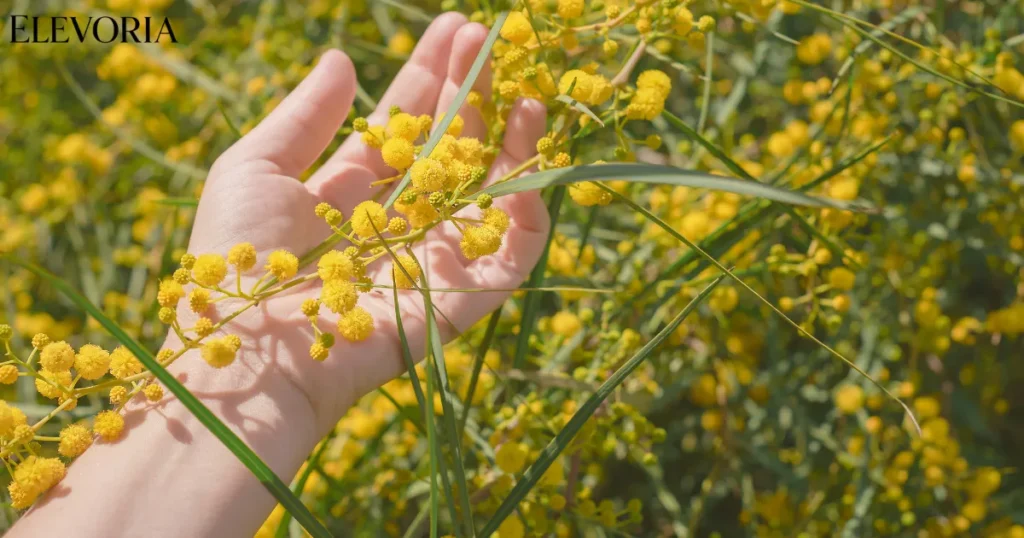
Helichrysum is a genus of flowering plants, with Helichrysum italicum being the species most commonly used to produce essential oil. It is native to the Mediterranean region, particularly Corsica, Italy, and other coastal areas, and is sometimes called the curry plant because of its strong, curry-like scent, or immortelle, a French term referring to the flowers’ ability to retain their color and shape after being cut and dried.
The essential oil is produced through steam distillation of the plant’s flowering tops. This is the same general extraction method used for many other essential oils, and it concentrates aromatic compounds from the plant into a small volume of oil, which is why essential oils are generally used in very small, diluted amounts rather than applied directly at full strength.
What is helichrysum oil commonly used for?
Helichrysum essential oil is widely marketed and used for the following purposes, though it is important to understand the strength of evidence behind each claim, which is addressed in the next section.
- Topical skin support, including for the appearance of scars, blemishes, and general skin tone
- Soothing minor skin irritation and inflammation
- Aromatherapy, often for relaxation or as part of a broader wellness routine
- Muscle and joint discomfort, typically applied topically with a carrier oil
- General first aid use for minor bruising, alongside proper wound care rather than in place of it
What does the actual evidence say?
This is the area where general helichrysum content online varies the most in quality, and it is worth being direct about it. Many commercial and blog sources describe helichrysum oil using strong, confident language about healing and anti-inflammatory effects. When you look at the underlying research being cited, most of it comes from laboratory studies, cell studies, or animal studies, rather than large, well-controlled human clinical trials.
This distinction matters. Laboratory and animal research can identify a plant compound’s potential biological activity, such as antimicrobial or anti-inflammatory effects observed in a petri dish or in animal models, but it does not automatically confirm the same effect will occur reliably, safely, and at a meaningful level in humans using diluted essential oil on skin. Several sources also note that helichrysum italicum is generally well tolerated in available studies, with low reported rates of irritation or allergic reaction, which is a genuinely useful and better-supported safety finding, separate from the more general wellness claims.
In short, it is reasonable to describe helichrysum oil as having some early scientific interest behind its traditional and cosmetic uses, particularly around antimicrobial and anti-inflammatory activity in lab settings, while being appropriately cautious about the stronger claims of guaranteed skin healing, would not be accurate to describe it as a clinically proven treatment for any specific medical condition.
Common misconceptions about helichrysum oil
- “Natural” automatically means risk-free. Essential oils are concentrated plant compounds, and being plant-derived does not eliminate the possibility of skin irritation, allergic reaction, or interaction with medications.
- Lab or animal study results guarantee the same effect in humans. Preliminary research showing a compound’s activity in a controlled lab setting is a starting point for further study, not confirmation of a real-world therapeutic effect at typical use levels.
- Essential oils can replace medical treatment for injuries or skin conditions. Helichrysum oil may be used as a complementary product alongside proper care, but it is not a substitute for appropriate wound care, dermatological treatment, or medical evaluation of a persistent skin or health concern.
- More concentrated or undiluted use means better results. Undiluted essential oil use significantly increases the risk of skin irritation and does not necessarily improve outcomes.
How to use helichrysum oil safely
If you choose to use helichrysum essential oil, following general essential oil safety practices reduces the most common risks.
- Always dilute before topical use. A commonly recommended dilution is around 10 percent or less, meaning a small number of drops of essential oil mixed into a larger amount of a carrier oil, such as jojoba, sweet almond, or fractionated coconut oil.
- Patch test before broader use. Apply a small diluted amount to an inconspicuous area, such as the inner forearm, and wait 24 to 48 hours to check for any reaction before using it more broadly.
- Avoid the eyes, ears, and mucous membranes. Essential oils, even diluted, can cause significant irritation if they contact sensitive tissue.
- Do not ingest essential oils without professional guidance. Oral use of essential oils carries different and generally higher risk than topical or aromatic use, and should only be considered under the guidance of a qualified healthcare provider or clinical aromatherapist.
- Use a diffuser as directed for aromatherapy use, following the specific product’s instructions for amount and duration, rather than assuming more oil produces a stronger or better effect.
- Store oil away from heat and direct sunlight, since essential oils can degrade in quality when exposed to high temperatures over time.
- Check with a healthcare provider before use during pregnancy or breastfeeding, and before using on infants or young children, since safety data in these groups is limited for most essential oils, including helichrysum.
Who should be cautious with helichrysum oil
- People with known allergies to plants in the Asteraceae or Compositae family, which includes helichrysum, ragweed, chrysanthemums, and daisies, since cross-reactivity is possible
- People with sensitive or reactive skin, who may benefit from a more diluted concentration and a careful patch test
- Pregnant or breastfeeding individuals, who should consult a healthcare provider before use
- Parents considering use on infants or young children, since dilution guidelines and safety data differ significantly for this age group
- Anyone using the oil for a persistent or worsening skin condition, wound, or health concern, who should seek appropriate medical evaluation rather than relying on essential oil use alone
Helichrysum oil versus other common essential oils
| Oil | Commonly associated use | Notable consideration |
|---|---|---|
| Helichrysum | Skin support, anti-inflammatory use, aromatherapy | Evidence is largely preliminary (lab and animal studies); generally well tolerated in available research |
| Lavender | Relaxation, sleep support, minor skin irritation | One of the more researched essential oils for general relaxation use |
| Tea tree | Topical antimicrobial use, blemish-prone skin | Requires careful dilution; can cause irritation at higher concentrations |
| Frankincense | Skin support, aromatherapy | Often paired with helichrysum in skincare-focused blends |
This comparison is intended to show general category and use, not to imply equivalent safety profiles or equally strong evidence across these oils, since each has its own distinct research base and safety considerations.
Common mistakes people make with helichrysum oil
- Applying it undiluted directly to skin. This significantly increases the risk of irritation, regardless of the oil’s generally favorable tolerability profile in diluted form.
- Treating marketing claims as clinically established fact. Many product descriptions use confident, medical-sounding language that outpaces the actual strength of available human research.
- Using it as a substitute for medical care. Relying on essential oil use alone for a significant wound, infection, or persistent skin or health condition, instead of seeking appropriate care, is a meaningful risk with any essential oil, not specific to helichrysum.
- Ignoring potential cross-reactivity with related plant allergies. People with known sensitivities to ragweed or other Asteraceae family plants may not realize helichrysum is part of the same plant family.
- Assuming all essential oil products are equally pure or tested. Essential oil quality and purity vary significantly between brands, and third-party testing practices differ, which affects both safety and consistency.
Actionable recommendations
- Dilute helichrysum essential oil appropriately, generally around 10 percent or less in a suitable carrier oil, before any topical use.
- Patch test on a small area of skin and wait at least 24 hours before broader application.
- Treat marketing claims with healthy skepticism, and understand that much of the available research is preliminary, laboratory, or animal-based rather than confirmed in large human studies.
- Avoid using helichrysum oil, or any essential oil, as a replacement for medical care for significant wounds, infections, or ongoing health concerns.
- Check with a healthcare provider before use during pregnancy, breastfeeding, or for use on infants and young children.
- If you have a known allergy to ragweed, chrysanthemums, or other Asteraceae family plants, exercise particular caution or consult a healthcare provider before trying helichrysum oil.
Frequently asked questions
What is helichrysum used for? Helichrysum essential oil is commonly used topically for skin support and minor irritation, in aromatherapy for relaxation, and traditionally as a first aid aid for minor bruising, generally alongside, not instead of, appropriate care for more significant injuries.
Is helichrysum oil scientifically proven to work? Much of the available research on helichrysum’s anti-inflammatory and antimicrobial properties comes from laboratory and animal studies rather than large human clinical trials, so its benefits should be understood as having preliminary scientific support rather than being conclusively proven for specific medical uses.
Is helichrysum oil safe for skin? Available research generally suggests helichrysum italicum is well tolerated with a low rate of irritation or allergic reaction, particularly when properly diluted, though individual reactions can still occur and a patch test is recommended before broader use.
Can I apply helichrysum oil directly to my skin without diluting it? This is not generally recommended. Diluting essential oils in a carrier oil before topical use is a standard safety practice that reduces the risk of skin irritation.
Is helichrysum oil safe during pregnancy? Safety data for many essential oils, including helichrysum, is limited for use during pregnancy and breastfeeding, so checking with a healthcare provider before use is a reasonable precaution.
What is the difference between helichrysum and immortelle? Immortelle is simply another common name for Helichrysum italicum, referring to the plant’s flowers retaining their shape and color after being cut, and both terms generally refer to the same plant and its essential oil.
Can helichrysum oil be ingested? Oral use of essential oils carries different and generally higher risks than topical or aromatic use and should only be considered under the guidance of a qualified healthcare provider or clinical aromatherapist, not based on general product marketing.
Who should avoid using helichrysum oil? People with known allergies to ragweed or other Asteraceae family plants, those with very sensitive skin, pregnant or breastfeeding individuals without medical guidance, and parents considering use on infants or young children should exercise particular caution.
The bottom line
Helichrysum essential oil, drawn from the flowers of Helichrysum italicum, has a long history of traditional use and some genuinely interesting preliminary research behind its anti-inflammatory and antimicrobial properties, along with a generally favorable tolerability profile when properly diluted. At the same time, much of the confident language used in commercial descriptions outpaces what the current research, mostly laboratory and animal-based, actually confirms. Using the oil safely, diluting it properly, patch testing first, and treating it as a complementary product rather than a medical treatment, is the most reasonable way to approach it.
This article is for general informational purposes and is not a substitute for professional medical advice. If you have a significant skin condition, wound, allergy concern, or are pregnant or breastfeeding, consult a healthcare provider before using helichrysum oil or any essential oil.
Read More: Gua Sha: What It Is, What It Actually Does, and How to Use It Safely