
Quick answer
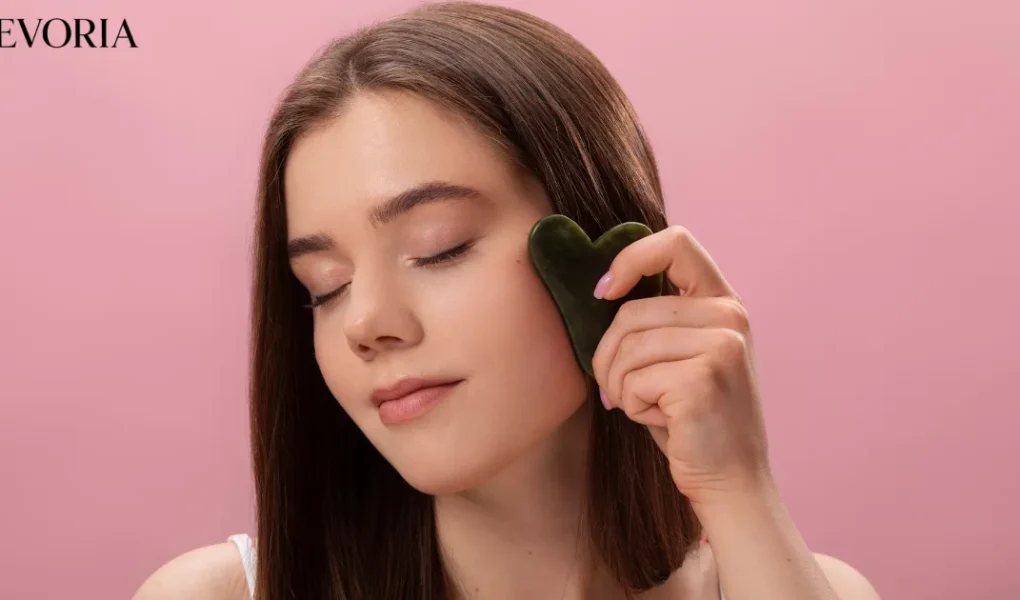
Gua sha is a traditional Chinese medicine technique that involves scraping the skin with a smooth-edged tool to stimulate circulation and ease muscle tension. In its modern form, facial gua sha uses a gentler version of this technique with a small stone or plastic tool, mainly to reduce puffiness and create a temporary, more contoured look. It is not a substitute for medical treatment, and the evidence for its cosmetic claims, especially permanent sculpting or wrinkle reduction, is limited.
If you searched “gua sha,” you are likely trying to understand one of two things: whether this ancient body technique can help with pain or circulation, or whether the trending facial version actually does what social media claims. This guide covers both, along with the real risks and how to use a tool correctly if you decide to try it.
What is gua sha?
Gua sha (pronounced gwa-shah) is an East Asian healing technique with roots in traditional Chinese medicine, where it has been used for centuries. A practitioner or a person doing self-treatment uses a smooth-edged tool, traditionally made of horn, stone, or ceramic, to firmly stroke the skin in one direction, most often on the back, neck, or shoulders for body applications.
In traditional Chinese medicine theory, gua sha is meant to help move stagnant “qi,” or vital energy, and blood, which practitioners believe can build up and contribute to pain or illness. Similar scraping practices exist under different names in other cultures, including “kerikan” in Indonesia and “cao gio” in Vietnam.
The technique gets its name from the two effects it is meant to produce: “gua” means to scrape, and “sha” refers to the reddish or purple marks that can appear on the skin after treatment. These marks come from small blood vessels near the surface being stimulated, not from bruising in the traditional sense, and they typically fade within several days.
Traditional body gua sha versus facial gua sha
These are two different practices, even though they share a name and a basic tool.
Traditional body gua sha uses firmer pressure and is typically performed by a trained practitioner on larger muscle groups, most commonly the back, neck, and shoulders. It is intended to relieve muscle tension and pain, and it often leaves visible surface marks that some people find uncomfortable to see, even though they are not dangerous when done correctly.
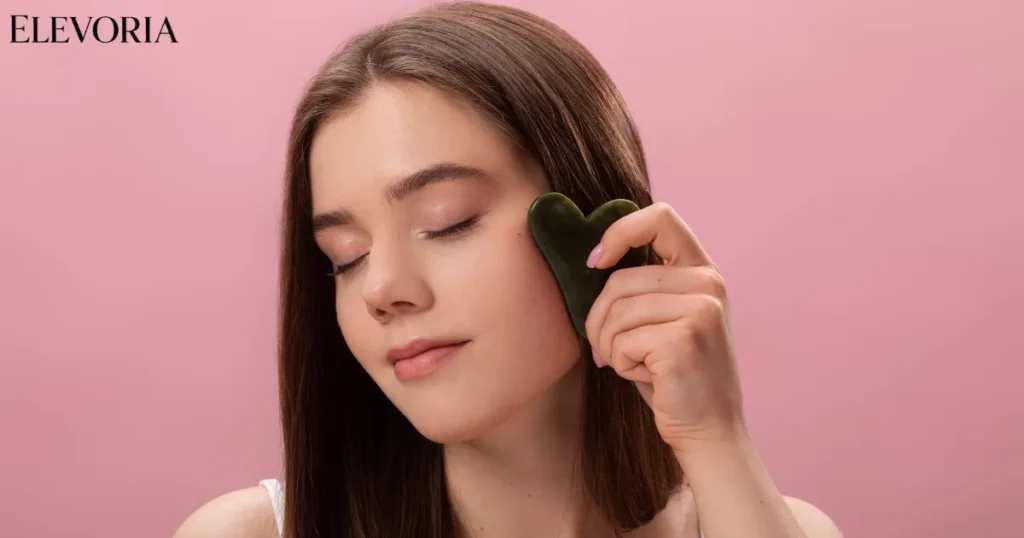
Facial gua sha is a much gentler adaptation that has become popular in skincare routines over the past several years. It uses light to medium pressure with a smaller tool, focuses on stimulating circulation and lymphatic fluid movement, and is generally aimed at reducing puffiness and creating a temporary, smoother appearance rather than treating pain.
What facial gua sha can realistically do
Based on how the technique works mechanically, facial gua sha may offer these short-term effects:
- Temporarily reduced puffiness, since the motion can support lymphatic fluid movement away from the face
- A short-term glow or flush, from increased blood flow to the surface of the skin
- A relaxing, ritual-like addition to a skincare routine, which some people find helps with stress
- Mild, temporary tension relief in the jaw area for people who clench or hold tension in their face
What facial gua sha does not do
This is where a lot of marketing claims outpace the evidence. Dermatology and physician-reviewed sources are fairly consistent on this point: gua sha does not produce permanent changes to facial structure, does not remove fat, and does not provide lasting skin tightening. Any contouring effect you see immediately after a session is related to temporary fluid movement and muscle relaxation, not a structural change to your face.
Claims that gua sha can meaningfully “sculpt” a jawline or reverse sagging over the long term are not well supported by current evidence. If your goal is significant, lasting change to facial contour or wrinkles, that is a conversation to have with a board-certified dermatologist about options with a stronger evidence base, rather than something to expect from a skincare tool.
What the research actually shows
Scientific research specifically on facial cosmetic gua sha is limited. Most of the available research looks at body gua sha for other purposes, and the studies tend to be small.
Some examples of what has been studied include gua sha as a complementary approach for breastfeeding-related breast engorgement, for symptoms of diabetes-related nerve pain, for migraine relief, and for perimenopause symptoms such as hot flashes. These studies suggest gua sha may offer modest, complementary benefit for some conditions, but the sample sizes are generally small and the findings are not strong enough to treat gua sha as a proven medical treatment on its own.
For facial cosmetic use specifically, most of what is claimed online is based on anecdotal reports and short-term observation rather than controlled clinical studies. That does not mean the technique has no effect, but it does mean the more dramatic claims circulating on social media should be treated with healthy skepticism.
Common risks and who should avoid it
Gua sha is generally considered low-risk when done correctly, but it is not risk-free. Reported issues include:
- Skin irritation, redness, or broken capillaries, especially if too much pressure is used or the tool is dragged incorrectly
- Bruising, particularly in people with thinner or more sensitive skin
- Infection, if the tool is not properly cleaned before use
- Worsened symptoms for certain skin conditions, including rosacea, eczema, and active acne
People in the following situations should avoid facial gua sha or check with a healthcare provider first:
- Active skin conditions such as rosacea, eczema, psoriasis, or inflamed acne
- Sunburned skin
- Recent cosmetic procedures, including Botox or dermal fillers
- Pregnancy, particularly before checking with a healthcare provider about any complementary technique
- Any chronic health condition, before using gua sha as a complementary treatment for symptoms
How to use a facial gua sha tool correctly
If you want to try facial gua sha safely, the general technique looks like this:
- Wash your hands and make sure your gua sha tool is clean before use.
- Apply a facial oil or serum to clean, slightly damp skin so the tool glides without dragging.
- Hold the tool at roughly a 35 to 45 degree angle against your skin, not flat.
- Use light to medium pressure only. More pressure is not more effective, and it increases the risk of irritation or bruising.
- Move in smooth, consistent strokes in one direction, generally upward and outward, rather than back and forth.
- Start at the neck, working from your collarbone up toward your ear, then move to the jawline, cheekbones, and finally the delicate under-eye area with the lightest pressure of all.
- Repeat each motion three to five times per area before moving to the next section.
Choosing a gua sha tool
Facial gua sha tools are usually made from polished stone or plastic. Material affects feel more than effectiveness:
| Material | Feel | Notes |
|---|---|---|
| Jade | Dense, smooth, cool to the touch | Common traditional choice, often marketed for a cooling, de-puffing sensation |
| Rose quartz | Softer, slightly more porous | Tends to feel gentler, popular for sensitive skin routines |
| Plastic or resin | Lightweight, often more affordable | Practical and easy to clean, performance depends on shape and edge quality |
Regardless of material, the shape and smoothness of the edges matter more than what the stone is made of. Look for a tool with rounded, polished edges and no rough spots that could scratch the skin.
Common mistakes people make with gua sha
- Using too much pressure, thinking that harder scraping equals better results. This mainly increases the risk of irritation and bruising rather than improving outcomes.
- Dragging the tool downward instead of using upward, outward strokes, which does not align with how the technique is generally taught for facial use.
- Skipping the oil or serum layer, which causes the tool to tug on dry skin instead of gliding smoothly.
- Not cleaning the tool between uses, which raises the risk of introducing bacteria to the skin.
- Using it on irritated, sunburned, or actively inflamed skin, which can make existing conditions worse.
- Expecting permanent contouring or wrinkle removal, when the realistic effect is temporary de-puffing and short-term glow.
Actionable recommendations
- Treat facial gua sha as a complementary step in your skincare routine, not a replacement for sunscreen, hydration, or dermatologist-recommended treatments.
- Use light pressure and let the tool glide on well-lubricated skin rather than pressing hard.
- Clean your tool before and after every use with soap and water or a recommended cleaning method for the material.
- Avoid gua sha on any area with active irritation, sunburn, or a flare-up of a skin condition like eczema or rosacea.
- If you are pregnant, have a chronic health condition, or have recently had a cosmetic procedure, check with a healthcare provider before starting.
- Keep expectations realistic. Expect temporary de-puffing and a short-term glow, not permanent facial restructuring.
Frequently asked questions
What does gua sha do for the face? Facial gua sha is generally understood to temporarily reduce puffiness and support circulation, giving the skin a short-term glow. It does not produce permanent structural changes to the face.
Is gua sha scientifically proven to work? Evidence specifically for facial cosmetic gua sha is limited. Some small studies support modest benefits of body gua sha for conditions like muscle pain or migraine symptoms, but strong, large-scale research on facial cosmetic effects is lacking.
Does gua sha hurt? Facial gua sha should not hurt. It is done with light to medium pressure. Traditional body gua sha uses firmer pressure and can be uncomfortable, and it often leaves temporary red or purple marks on the skin.
Can gua sha cause bruising? Yes, it can, especially if too much pressure is used or if you have thinner or more sensitive skin. Body gua sha is more likely to leave visible surface marks than the gentler facial version.
How often should I do facial gua sha? There is no single official frequency. Many people use it a few times a week as part of a skincare routine, but frequency should be adjusted based on how your skin responds, and it should be stopped if you notice ongoing irritation.
Who should not use a gua sha tool on their face? People with active rosacea, eczema, psoriasis, or inflamed acne, sunburned skin, recent Botox or filler treatments, or any chronic health condition should check with a healthcare provider before trying it.
Does gua sha help with wrinkles? There is limited evidence that gua sha meaningfully reduces wrinkles. Any smoothing effect people notice is generally short-term, related to temporary circulation and fluid changes rather than a lasting change to skin structure.
What is the difference between gua sha and a jade roller? Both are massage tools used in skincare, but a gua sha tool has a flat, edged shape designed for scraping motions, while a jade roller has a rolling wheel design. Gua sha is generally considered to allow more targeted pressure and contouring motion than a roller.
The bottom line
Gua sha is a centuries-old technique with a real place in traditional Chinese medicine, and its modern facial version can be a pleasant, low-risk addition to a skincare routine when done gently and correctly. The realistic benefits are temporary: reduced puffiness, a short-term glow, and a moment of relaxing self-care. Claims of permanent facial sculpting or dramatic anti-aging results are not well supported by current evidence, so it is worth using gua sha for what it can genuinely offer rather than as a replacement for proven skincare or medical treatments.
This article is for general informational purposes and is not a substitute for professional medical advice. If you have an active skin condition, a chronic health condition, or are pregnant, speak with a healthcare provider before trying gua sha.
Read More: Korean Skin Treatment: The Complete Guide to K-Beauty Routines and What Actually Works



[…] Read More: Gua Sha: What It Is, What It Actually Does, and How to Use It Safely […]
[…] Read More: Gua Sha: What It Is, What It Actually Does, and How to Use It Safely […]