
Quick answer
3A hair refers to a curl pattern in the widely used hair typing system, characterized by loose, well-defined curls roughly the size of a piece of sidewalk chalk or a wide marker, with an “S” shaped curl pattern from root to tip. It falls within the broader “type 3” curly hair category, sitting between straighter or wavy 2C hair and the tighter, springier curls of 3B hair. Identifying your specific curl type helps guide product and technique choices, though hair typing is a general guide rather than a strict rulebook, since many people have more than one curl pattern across their head.
If you searched “3A hair,” you are most likely trying to determine whether your curl pattern fits this category, or you already know your hair type and are looking for practical guidance on products, techniques, and common mistakes specific to loose, well-defined curls. This guide covers both.
What is the hair typing system?
The hair typing system commonly used today categorizes hair into four broad types, straight (type 1), wavy (type 2), curly (type 3), and coily (type 4), with each type further divided into subcategories A, B, and C based on curl pattern tightness and definition. This system, popularized by hairstylist Andre Walker, has become the standard reference point across the curly hair community, even though it was originally developed as a general styling guide rather than a precise scientific classification.
Type 3 hair, which includes 3A, 3B, and 3C, is generally defined by a well-formed “S” shaped curl pattern, distinguishing it from the looser waves of type 2 hair and the tighter, less defined curl or coil patterns of type 4 hair.
What does 3A hair actually look like?
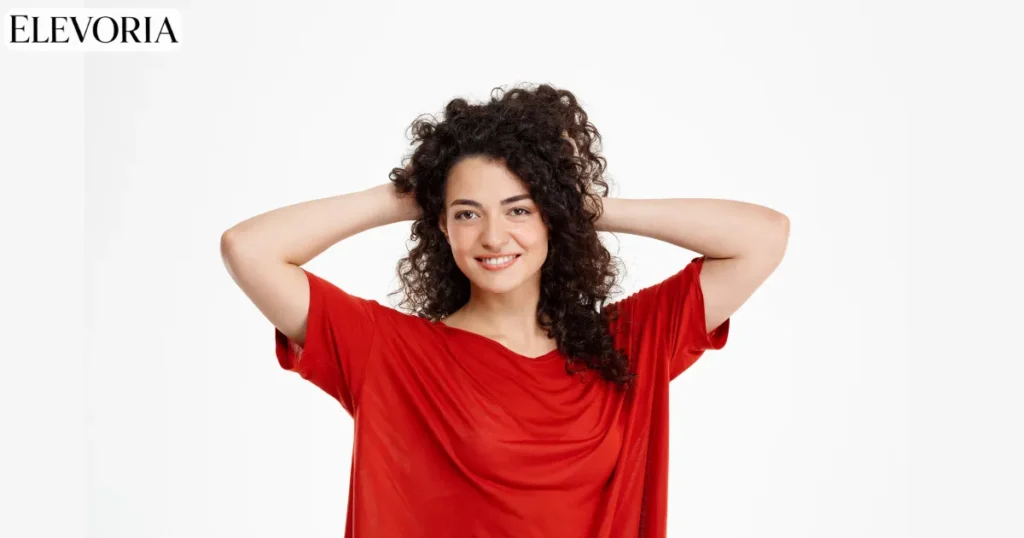
3A hair is defined by loose, springy curls with a clearly visible “S” shape, generally similar in diameter to a piece of sidewalk chalk, a wide marker, or a wine cork. The curls typically have a looser, more relaxed shape compared to 3B or 3C hair, and they tend to have a fair amount of natural shine due to the looser curl structure allowing more of the hair’s natural oils to travel down the hair shaft.
Common characteristics of 3A hair include:
- Well-defined, consistent “S” shaped curls
- A looser curl diameter compared to 3B or 3C hair
- A tendency toward frizz, particularly in humidity, due to the curl pattern’s structure
- Curls that can loosen or fall with added weight, moisture, or product buildup
- A hair texture that often sits between wavy and more tightly curled hair types
3A hair compared to nearby hair types
| Hair type | Curl pattern | Curl diameter | Key difference from 3A |
|---|---|---|---|
| 2C | Distinct waves, some curl at the ends | Looser, less defined than 3A | Waves rather than a full, consistent “S” curl shape |
| 3A | Loose, well-defined “S” curls | Sidewalk chalk to wide marker size | Baseline reference point for this comparison |
| 3B | Springy, tighter curls | Sharpie marker to smaller size | Tighter curl diameter, generally more volume and shrinkage |
| 3C | Tight, corkscrew curls | Pencil or smaller size | Much tighter curl pattern, more prone to shrinkage and density |
Common misconceptions about hair typing
Misconception: Everyone has a single, uniform hair type across their entire head. Many people have more than one curl pattern, often with looser curls at the crown and tighter curls near the nape of the neck, or vice versa. This is a normal variation rather than a sign that the hair typing system does not apply.
Misconception: Hair type alone determines the right product routine. Porosity, density, and overall hair health also significantly affect which products and techniques work best, meaning two people with the same curl type can still need different routines based on these additional factors.
Misconception: 3A hair is “easier” to care for than tighter curl types. While 3A curls generally require less intensive moisture routines than tighter curl patterns, they come with their own specific challenges, particularly a tendency to lose curl definition easily from weight, product buildup, or humidity.
Building a hair care routine for 3A hair
Cleansing
3A hair generally does well with a gentle, sulfate-free shampoo, since the looser curl pattern can be prone to weighing down or losing definition with heavier cleansing products. Cleansing frequency varies by individual scalp needs, but many people with this curl type wash every two to four days to avoid stripping natural oils that help maintain curl definition.
Conditioning
A lightweight to medium conditioner works well for most 3A hair, since heavier, richer conditioners designed for tighter curl patterns can weigh down looser curls and cause them to fall out of shape.
Styling products
- Lightweight curl creams or mousses help define curls without adding excess weight
- Gel, applied in moderation, can help lock in curl definition and reduce frizz, though heavier gels may need to be used sparingly to avoid weighing curls down
- Leave-in conditioner, generally in a lighter formula, helps with detangling and moisture without contributing to limp or weighed-down curls
Drying techniques
- Diffusing on a low or medium heat setting helps enhance curl definition without disrupting the curl pattern the way regular blow-drying can
- Plopping, a technique using a t-shirt or microfiber towel to gently scrunch and support curls while air drying, works well for 3A hair to reduce frizz and enhance natural curl formation
- Air drying is also a common, low-heat option, particularly effective when combined with the right leave-in and styling product combination
Common mistakes people make with 3A hair
- Using products formulated for tighter curl types. Heavier butters, oils, and creams designed for 3C or 4A hair can weigh down 3A curls and cause them to lose their natural shape.
- Over-washing or under-washing without adjusting to individual scalp needs. Both extremes can affect curl definition, either through product buildup or through stripping natural oils that support curl pattern.
- Applying too much product. Because 3A curls are relatively loose, excess product is more likely to weigh them down compared to tighter curl types that generally require more product for adequate moisture.
- Brushing dry hair. This disrupts the natural curl clumping pattern and generally increases frizz. Detangling is more effective when done on wet or conditioner-coated hair, using fingers or a wide-tooth comb.
- Ignoring humidity as a factor. 3A hair is often more prone to frizz and curl pattern disruption in humid conditions, and not adjusting styling products or technique for humid weather is a common source of frustration.
- Assuming curl type alone dictates the right routine. Skipping consideration of hair porosity and density can lead to choosing products that technically match “3A” recommendations but still do not work well for an individual’s specific hair.
How to enhance and maintain 3A curl definition
- Apply styling products to soaking wet hair, since this generally helps products distribute more evenly and encourages better curl clumping than applying to damp or dry hair.
- Use the praying hands method, smoothing product downward along sections of hair, followed by scrunching upward to encourage curl formation.
- Avoid touching or disrupting curls while they dry, since this is a common cause of frizz and disrupted curl clumps.
- Refresh curls between wash days using a light water and leave-in conditioner mix, rather than fully re-wetting or re-washing, to extend the life of a style without over-washing.
- Sleep on a silk or satin pillowcase, or use a silk or satin bonnet, to reduce friction and frizz overnight.
Actionable recommendations
- Choose lightweight to medium-weight products specifically to avoid weighing down naturally loose 3A curls.
- Apply product to soaking wet hair rather than towel-dried or damp hair for more even distribution and better curl clumping.
- Diffuse on low to medium heat, or air dry using a plopping technique, rather than regular blow-drying, to preserve curl pattern.
- Detangle gently on wet, conditioner-coated hair using fingers or a wide-tooth comb, rather than brushing dry curls.
- Adjust product amount and technique based on humidity and season, since 3A hair often needs different handling in more humid conditions.
- Pay attention to porosity and density alongside curl type, since these factors also significantly affect which specific products work best for your individual hair.
Frequently asked questions
What does 3A hair look like? 3A hair has loose, well-defined “S” shaped curls, generally similar in diameter to a piece of sidewalk chalk or a wide marker, with a tendency toward natural shine due to the looser curl structure.
What is the difference between 3A and 3B hair? 3A hair has a looser, larger curl diameter, while 3B hair has springier, tighter curls, generally closer in size to a Sharpie marker, with more overall volume and shrinkage compared to 3A.
What products are best for 3A hair? Lightweight to medium-weight curl creams, mousses, and leave-in conditioners generally work best, since heavier products designed for tighter curl types can weigh down and loosen 3A curls.
How often should I wash 3A hair? This varies by individual scalp needs, but many people with 3A hair wash every two to four days, since over-washing can strip natural oils that support curl definition, while under-washing can lead to product buildup.
Can 3A hair be different across one person’s head? Yes, it is common for people to have more than one curl pattern across their head, such as looser curls at the crown and tighter curls elsewhere, which is a normal variation rather than an exception to the hair typing system.
Does 3A hair need heat styling to look defined? No. Techniques like diffusing on low heat, plopping, or simple air drying with the right products can enhance and define 3A curls effectively without regular heat styling.
Why does my 3A hair fall flat by the end of the day? This is often related to product weight, humidity, or curl pattern naturally loosening under its own weight, particularly with longer hair. Using lighter products and techniques like scrunching out the crunch (breaking up gel cast) can help maintain volume and definition longer.
Is 3A hair considered curly or wavy? 3A hair is generally classified within the curly hair category, distinguished from wavy 2C hair by having a fuller, more consistent “S” shaped curl pattern rather than looser waves.
The bottom line
3A hair is defined by loose, well-formed curls that require a lighter touch than tighter curl types, both in terms of product weight and handling technique. Understanding this specific curl pattern helps guide smarter product and styling choices, but pairing that knowledge with attention to your hair’s individual porosity, density, and how it responds to humidity is what ultimately produces a routine that actually works, rather than one that simply follows a general hair type label.
Read More: Hair Clips: A Complete Guide to Types, Uses, and How to Choose the Right One


[…] Read More: 3A Hair: How to Identify It and Build a Routine That Actually Works […]