
Trichotin: A Practical Guide to the Hair Supplement
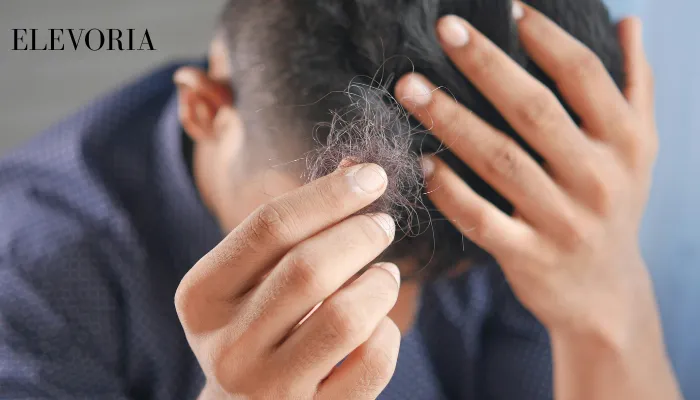
Hair thinning and excessive shedding are common concerns that send many people searching for a solution. Among the many supplements on the market, Trichotin has gained attention, particularly in South Africa where it is manufactured by Fusion Labs. The brand offers two main formulations: Trichotin Hair Regenesis, positioned as a unisex daily caplet, and Trichotin DHT Inhibitor, formulated with men in mind.
This guide explains what Trichotin is, the ingredients behind its formulas, what the evidence says about those ingredients, how to use it, and what to realistically expect. It is written for anyone considering a hair supplement who wants clear, evidence-informed information without marketing hype.
What Is Trichotin?
Trichotin is a hair supplement manufactured by Fusion Labs, a South African company. It is available in two main versions, each targeting different underlying contributors to hair thinning. Trichotin Hair Regenesis is described as a unisex daily caplet that supports overall follicle activity and addresses several common contributors to thinning, including stress-related shedding and nutrient shortfalls. Trichotin DHT Inhibitor is formulated specifically with men in mind and focuses on androgenic alopecia, the pattern often linked to genetics and the hormone dihydrotestosterone (DHT).
The distinction matters because the underlying drivers of hair loss differ from person to person. Someone experiencing diffuse thinning after illness or during hormonal shifts may find the broader nutrient support in Regenesis more aligned, while those with a clear family pattern of crown or temple recession often look first at the DHT-focused option.
It is worth noting that “Trichotin” is sometimes confused with similarly named products. Trichoton is a different hair supplement brand available in India, containing biotin, n-acetylcysteine, calcium pantothenate, selenium, copper, and zinc. Tricholine citrate is an unrelated chemical compound used in liver health and cosmetic formulations. This article focuses on Trichotin by Fusion Labs.
Trichotin Hair Regenesis: Ingredients and Intended Roles
The Regenesis formula contains a blend of vitamins, minerals, amino acids, and plant extracts. The table below summarises the main ingredients and their intended roles, based on the manufacturer’s product information and independent reviews.
| Ingredient Category | Specific Ingredients | Intended Role |
|---|---|---|
| Vitamins | Vitamin A, B1, B2, B5, B6, B12, C, E, Folic Acid, Biotin, Choline, Inositol, PABA | Support cell construction, cellular repair, and overall hair health |
| Minerals | Zinc, Copper, Magnesium, Silica, Chromium Polinicotinate, Selenium | Support follicle activity and nutrient delivery |
| Amino Acids | L-Cysteine, Glycine, MSM, Amino-acid blend | Contribute to keratin structure, the protein that makes up hair |
| Plant Extracts | Saw Palmetto, Nettle Root, Pygeum, Oat Straw, Sarsaparilla, Kelp | Minimise hair loss and stimulate follicle activity |
| Other | Co-Enzyme Q10, Hyaluronic Acid | Support cellular energy and hydration |
The manufacturer states that Saw Palmetto, Oat Straw, Pygeum, and Nettle are effective ingredients for minimising hair loss. An exclusive blend of Pyridoxine, Kelp, Inositol, and select amino acids forms the primary ingredients required to stimulate hair follicles and initiate growth. Kelp, in particular, is said to accelerate growth because it contains auxins and cytokinins, which are growth regulators that also play a role in cell metabolism and development. Cysteine, Biotin, and other protein builders are included to improve the quality of hair and skin by supporting cell construction and cellular repair.
The formula also includes Vitamin A, Silica, Choline, and Folic Acid, which the manufacturer states prevent keratinisation of the hair follicles and maintain consistent growth.
Trichotin DHT Inhibitor: How It Differs
Trichotin DHT Inhibitor is formulated for men and focuses on androgenic alopecia, the pattern of hair loss linked to genetics and the hormone DHT. The DHT Inhibitor version highlights saw palmetto extract standardised to fatty acids, beta-sitosterol, nettle root, co-enzyme Q10, and Panax ginseng. These ingredients are chosen because certain plant sterols and fatty acids can interact with the enzyme 5-alpha reductase, which converts testosterone to DHT. Lowering that conversion at the follicle level is the core idea behind many DHT-blocker supplements.
Saw palmetto is the most researched of these ingredients for hair loss. A proprietary bioactive fatty acids extract from saw palmetto has been studied for promoting hair growth, with research showing improvements in total terminal hair counts and reductions in hair shedding compared to placebo. A separate study found a mean change in baseline total terminal hair count of +18.6 with active treatment versus -10.1 with placebo, a 283% greater improvement.
What the Evidence Says About Trichotin and Its Ingredients
Brand-specific clinical trials on Trichotin itself are not widely published. Broader research on individual ingredients shows mixed but sometimes promising results. A randomised study of a dietary supplement containing several overlapping nutrients reported a statistically significant increase in hair density after six months compared with placebo. Self-reported improvements in shedding and strength also favoured the active group.
However, it is important to be realistic about supplement evidence. Experts caution that most cosmetic serums and supplements lack rigorous, independent clinical evidence. A systematic review and meta-analysis of commercial oral supplements for hair growth concluded that supplements show promising preliminary results, but more rigorous, independent research is needed to confirm these findings.
Biotin: What the Evidence Shows
Biotin is one of the most common ingredients in hair supplements, including Trichotin. However, the evidence for biotin in people who are not deficient is limited. According to Mayo Clinic, biotin supplements are mainly used to prevent or treat biotin deficiency, and biotin deficiency is rare. Claims that biotin supplements are effective for hair loss have not been proven.
There have been no clinical trials or randomised controlled trials to study biotin’s effect on alopecia, hair quality, or hair quantity in human subjects. There are no recommendations in the literature, or from the FDA or NIH, for biotin supplementation due to this lack of evidence. Biotin deficiency can lead to alopecia, but such a deficiency has not been demonstrated in healthy humans eating a mixed diet.
This does not mean biotin is useless in a supplement. It means that if you are not deficient, adding more biotin is unlikely to improve hair growth on its own.
Nutrients with Stronger Evidence
Medical research identifies only a few nutrients with strong evidence for hair health. According to guidance from organisations like the International Society of Hair Restoration Surgeons, vitamins only help certain types of hair loss, specifically when there is a documented nutritional deficiency. The nutrients with the strongest evidence are iron, vitamin D, and vitamin C (for its role in iron absorption).
Deficiencies in selenium, essential fatty acids, vitamin D, vitamin A, vitamin E, folic acid, and biotin have been documented in relation to hair loss. However, no studies have effectively shown that supplementation of these nutrients helps hair growth in patients without a documented deficiency.
This underscores an important point: supplements like Trichotin are most likely to help if you have a nutritional deficiency that is contributing to hair thinning. If your diet is already adequate, the benefit may be limited.
How to Use Trichotin
The dosage instructions for Trichotin are straightforward. The manufacturer states: take one caplet daily before breakfast. For the DHT Inhibitor version, the instruction is one caplet at bedtime. Storage in a cool, dry place preserves potency.
The manufacturer advises that if you suffer from a chronic medical condition, you should consult your healthcare practitioner before using this product.
What to Realistically Expect
Hair grows in cycles, and supplements that support hair growth work gradually. Many users report noticeable changes in shedding between eight and twelve weeks, with thicker-feeling strands around the four-month mark. Some describe improved scalp comfort or less breakage during styling. Most users tolerate the caplets well.
It is important to note that early shedding can even increase temporarily as older hairs make way for new growth, a pattern seen with several oral and topical treatments. Individual responses vary with age, the duration of thinning, underlying health conditions, and consistency of use.
Expert Insights: What to Know Before Starting a Hair Supplement
Before starting any hair supplement, it helps to clarify the type of hair loss you are experiencing. A dermatologist or trichologist can help identify whether your hair loss is due to genetics, hormonal changes, nutritional deficiencies, stress, or an underlying medical condition. Bloodwork can reveal deficiencies in iron, vitamin D, thyroid function, or other factors that supplements alone cannot correct.
Dr. Michele Green, a board-certified dermatologist, has emphasised that while vitamins and supplements may support scalp and hair health, most lack rigorous, independent clinical evidence. This does not mean they are ineffective, but it does mean that expectations should be realistic.
For anyone considering Trichotin or any hair supplement, the most important steps are:
- Get a proper diagnosis of your hair loss type
- Check for nutritional deficiencies through bloodwork
- Address any underlying medical conditions
- Use supplements as part of a broader approach, not as a standalone cure
Common Mistakes People Make with Hair Supplements
Taking a supplement without addressing the underlying cause. Hair loss has many causes, including genetics, hormones, stress, medication, and medical conditions. A supplement alone will not resolve hair loss caused by an untreated thyroid condition or an autoimmune disease.
Expecting overnight results. Hair grows slowly, and visible changes typically take three to six months. Stopping a supplement after a few weeks will not give it a fair chance to work.
Ignoring potential interactions. Some supplements can interact with medications or affect laboratory test results. If you take prescription medication or have a medical condition, consult a healthcare provider before starting a supplement.
Taking more than the recommended dose. More is not better. Follow the dosage instructions on the product label. Taking excessive amounts of certain vitamins and minerals can cause harm.
Skipping patch testing for topical products. If you are using any topical hair product alongside a supplement, patch test it on a small area of skin first to check for irritation or allergic reaction.
Actionable Recommendations
If you are considering Trichotin or another hair supplement, these steps provide a practical, evidence-informed approach.
- Get a proper diagnosis first. Consult a dermatologist or trichologist to identify the type and cause of your hair loss. Bloodwork can reveal deficiencies in iron, vitamin D, or thyroid function that may be contributing.
- Check for nutritional deficiencies. Supplements are most likely to help if you have a documented deficiency. Ask your doctor to test for iron, ferritin, vitamin D, and other relevant markers.
- Choose the right formula for your needs. Trichotin Hair Regenesis is a broad-spectrum option for diffuse thinning. Trichotin DHT Inhibitor is formulated for men with pattern hair loss linked to DHT.
- Follow the dosage instructions. Take one caplet daily as directed on the product label. Do not exceed the recommended dose.
- Be patient and consistent. Hair growth takes time. Give the supplement at least three to six months before evaluating results.
- Address underlying factors. Manage stress, eat a balanced diet, and treat any underlying medical conditions that may be contributing to hair loss.
- Consult a professional before starting. If you are pregnant, nursing, have a chronic medical condition, or take prescription medication, speak with a doctor before starting any supplement.
- See a licensed provider for persistent or worsening hair loss. If your hair loss is severe, sudden, or accompanied by other symptoms, seek medical evaluation rather than relying on supplements alone.
Conclusion
Trichotin is a hair supplement manufactured by Fusion Labs, available in two formulations: Hair Regenesis for general hair support and DHT Inhibitor for men with pattern hair loss. The formulas contain a blend of vitamins, minerals, amino acids, and plant extracts, including saw palmetto, biotin, and nettle root.
The evidence for individual ingredients varies. Saw palmetto has some clinical support for hair growth, while biotin has limited evidence in people who are not deficient. The most important nutrients for hair health with strong evidence are iron, vitamin D, and vitamin C. Supplements like Trichotin are most likely to help if you have a documented nutritional deficiency or if the formula addresses an underlying contributor to your hair loss.
Before starting any hair supplement, get a proper diagnosis, check for deficiencies, and consult a healthcare provider. A supplement can be part of a broader approach to hair health, but it is not a substitute for medical evaluation or treatment of underlying conditions.
Disclaimer
This article is general educational content that synthesises publicly available medical and scientific information. It is not personalised medical advice and is not a substitute for consultation with a qualified healthcare provider. Reactions and results vary by individual. Patch testing is recommended before introducing any new topical product. If you are pregnant, nursing, or have a diagnosed health condition, consult a doctor before starting a new supplement. If you have persistent, severe, or worsening symptoms, seek care from a licensed provider.
FAQ
What is Trichotin?
Trichotin is a hair supplement manufactured by Fusion Labs. It is available in two formulations: Trichotin Hair Regenesis, a unisex daily caplet for general hair support, and Trichotin DHT Inhibitor, formulated for men with pattern hair loss linked to DHT.
What are the key ingredients in Trichotin?
The Regenesis formula contains a blend of vitamins (including biotin, vitamin A, C, E, and B vitamins), minerals (zinc, copper, magnesium, silica), amino acids (L-cysteine, glycine, MSM), and plant extracts (saw palmetto, nettle root, pygeum, oat straw, kelp). The DHT Inhibitor version highlights saw palmetto, beta-sitosterol, nettle root, and Panax ginseng.
Does Trichotin actually work for hair loss?
Brand-specific clinical trials on Trichotin are not widely published. Research on individual ingredients shows mixed but sometimes promising results. Saw palmetto has some clinical support for hair growth. Supplements are most likely to help if you have a nutritional deficiency contributing to hair thinning. Individual responses vary.
How long does it take to see results from Trichotin?
Most users report noticeable changes in shedding between eight and twelve weeks, with thicker-feeling strands around the four-month mark. Hair grows in cycles, so consistency is important.
Is Trichotin safe?
Most users tolerate the caplets well. However, if you have a chronic medical condition, take prescription medication, are pregnant, or are nursing, consult a healthcare practitioner before using this product.
What is the difference between Trichotin Hair Regenesis and DHT Inhibitor?
Hair Regenesis is a broad-spectrum formula for general hair support, addressing stress-related shedding and nutrient shortfalls. DHT Inhibitor is formulated for men and focuses on androgenic alopecia by targeting the enzyme that converts testosterone to DHT.
Should I see a doctor before taking Trichotin?
Yes. Before starting any hair supplement, it is advisable to consult a dermatologist or trichologist to identify the type and cause of your hair loss. Bloodwork can reveal nutritional deficiencies that supplements alone cannot correct.
Can I take Trichotin with other medications?
If you take prescription medication or have a medical condition, consult a healthcare provider before starting Trichotin or any supplement, as interactions are possible.
What nutrients have the strongest evidence for hair health?
Medical research identifies iron, vitamin D, and vitamin C (for its role in iron absorption) as the nutrients with the strongest evidence for hair health. Deficiencies in these nutrients should be addressed before relying on a general hair supplement.
When should I see a doctor for hair loss?
See a doctor if your hair loss is severe, sudden, or accompanied by other symptoms such as fatigue, weight changes, or scalp irritation. A dermatologist can diagnose the cause and recommend appropriate treatment.