
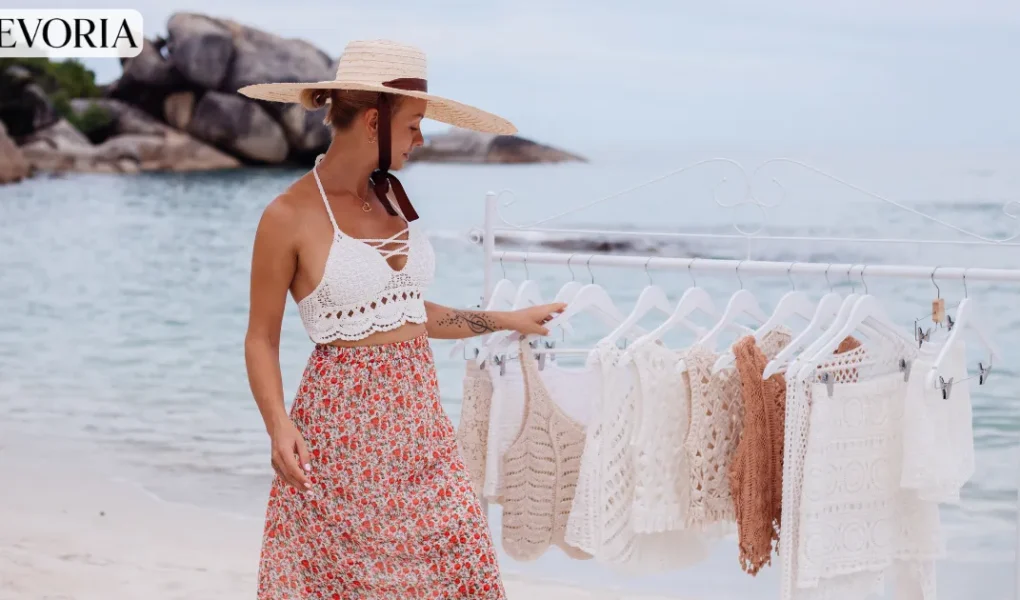
Resort Wear: A Complete Guide to Packing and Styling for Warm-Weather Travel
Quick answer
Resort wear refers to a category of clothing designed for warm-weather vacations and upscale leisure destinations, sitting between casual beachwear and formal eveningwear. It typically includes lightweight, breathable pieces like linen sets, flowing dresses, tailored shorts, and elevated cover ups, meant to transition easily from daytime poolside relaxation to dinner or evening events at a resort. The key difference between resort wear and general summer clothing is polish: resort wear is designed to look intentional and put-together, not simply comfortable in the heat.
If you searched “resort wear,” you are most likely planning a warm-weather trip and trying to figure out what actually counts as resort wear, how to pack for different parts of the day, or how to avoid either overpacking or showing up underdressed for a resort’s dinner or event dress code. This guide covers all of that with practical, specific guidance.
What is resort wear, exactly?
Resort wear is a fashion category built around warm-climate travel, generally to beach, island, or upscale tropical destinations, that prioritizes breathable fabrics and relaxed silhouettes while still maintaining a polished, elevated look. The term originated within the fashion industry to describe a specific pre-collection released between a brand’s fall and spring lines, timed for wealthy travelers heading to warm destinations during colder months, though it has since become a broader, more general style category.
The key distinction from standard summer clothing or swimwear is intent. Resort wear is meant to look considered and appropriate for semi-social settings, dinners, beach clubs, hotel lobbies, rather than purely functional beach or pool attire.
Core categories of resort wear
Daytime resort wear
- Linen or lightweight cotton sets, often matching shorts or pants with a coordinating top
- Breathable sundresses or shirt dresses
- Tailored shorts paired with a relaxed blouse or button-down
- Wide-leg linen pants, offering a cooler, more breathable alternative to fitted pants in warm climates
Poolside and beach-adjacent resort wear
- Elevated swimsuits paired with a structured cover up, sarong, or kaftan
- Wide-brim sun hats and oversized sunglasses
- Espadrilles, slide sandals, or other breathable, low-maintenance footwear
Evening resort wear
- Flowing maxi dresses or midi dresses in lightweight, breathable fabrics
- Linen or lightweight suiting for men, often paired with an open-collar shirt rather than a tie
- Jumpsuits, offering a polished, low-effort alternative to a dress for evening events
- Sandals or espadrilles with a slight heel, or dressier flat sandals, depending on the specific venue’s formality
Choosing resort wear fabrics
| Fabric | Breathability | Wrinkle resistance | Best suited for |
|---|---|---|---|
| Linen | Excellent | Low, wrinkles easily | Daytime wear, embracing a relaxed, lived-in look |
| Cotton | Good | Moderate | Versatile daytime and evening pieces |
| Rayon or viscose | Good | Moderate to low | Flowing dresses, lightweight evening pieces |
| Silk or silk blends | Moderate | Low | Elevated evening resort wear |
| Technical or performance blends | Excellent | High | Travel-friendly pieces prioritizing low maintenance |
Linen remains one of the most iconic resort wear fabrics specifically because its breathability suits hot climates so well, though its tendency to wrinkle easily is worth planning around, particularly for travel days or destinations without easy access to pressing services.
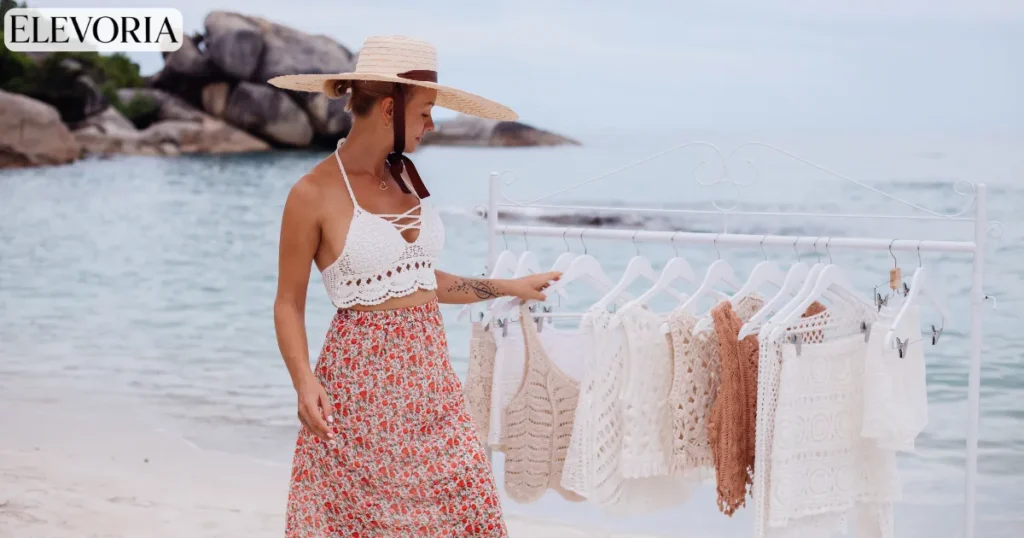
How to pack resort wear for a warm-weather trip
- Build around a core color palette. Choosing two or three coordinating colors allows pieces to mix and match more easily, reducing the total number of items needed for a complete range of outfits.
- Layer in versatility, not just quantity. A single cover up or wrap can serve multiple purposes, worn over a swimsuit during the day and repurposed as a light evening layer.
- Prioritize wrinkle-resistant options for travel days specifically, saving more delicate, wrinkle-prone linen pieces for once you have settled into your destination and have access to pressing or steaming if needed.
- Pack one or two dressier options for evening dinners or events, even on an otherwise casual trip, since many resorts maintain a slightly elevated dress code for evening dining specifically.
- Bring breathable, broken-in footwear. Resort destinations often involve significant walking on uneven or sandy surfaces, making comfort as important as style when choosing footwear.
- Check your specific resort or destination’s dress code in advance, particularly for evening dining, since some upscale resorts have specific requirements, such as no swimwear or flip-flops in certain restaurants.
Resort wear by destination type
Beach and island resorts
Lean into breathable fabrics, sun protection details like wide-brim hats, and flowing silhouettes that suit both heat and humidity.
Poolside city resorts
Balance resort-style pieces with slightly more structured options, since these destinations often mix daytime relaxation with more traditional city dining and activities.
Yacht or boat-based travel
Prioritize non-slip, low-maintenance footwear, quick-drying fabrics, and layers that can handle temperature shifts between sun exposure and open water breeze.
Desert or dry-climate resorts
Favor looser, more breathable silhouettes to manage heat, along with layers for cooler evening temperatures common in desert climates after sunset.
Common mistakes people make with resort wear
- Packing only swimwear and casual daywear, without any elevated evening options. Many resorts maintain a slightly dressier expectation for evening dining, and arriving without any appropriate options can be an unwelcome surprise.
- Overpacking wrinkle-prone fabrics for travel days. Arriving at a destination with heavily wrinkled linen, without immediate access to pressing, can create an avoidable first-day styling problem.
- Choosing style over practicality for footwear. Resort destinations often involve more walking on sand, uneven pavement, or boat decks than expected, making comfort and traction genuinely important considerations.
- Assuming resort wear means only bright colors and tropical prints. While these are common, resort wear spans a wide range of aesthetics, including more neutral, minimalist palettes that work just as well in warm-climate settings.
- Not checking a specific resort’s dress code in advance. Some upscale resorts have specific restrictions, such as no swimwear or beachwear in certain restaurants, and not knowing this in advance can lead to an inconvenient outfit change requirement.
- Overlooking sun protection in favor of style alone. Wide-brim hats, lightweight long sleeves, and UPF-rated fabrics can be incorporated into a resort wear wardrobe without sacrificing the overall aesthetic.
Building a versatile resort wear capsule
A practical, mix-and-match resort wear packing list generally includes:
- Two to three swimsuits
- One to two cover ups or sarongs that can double as light layers
- Three to four daytime outfits (sets, dresses, or separates) in breathable fabric
- One to two dressier evening options
- A wide-brim hat and sunglasses
- Comfortable, broken-in sandals for daytime and a slightly dressier pair for evening
- A lightweight layer, like a linen shirt or light cardigan, for cooler evenings or air-conditioned spaces
This kind of capsule approach reduces overall luggage volume while still providing enough variety to avoid repeating the same exact outfit throughout a multi-day trip.
Actionable recommendations
- Build your resort wear packing list around a coordinated color palette to maximize outfit combinations from fewer pieces.
- Pack at least one or two elevated evening options, even for an otherwise casual trip, to cover unexpected dinner or event dress codes.
- Save more wrinkle-prone fabrics like linen for once you have settled at your destination, favoring more travel-friendly fabrics for the journey itself.
- Prioritize comfortable, broken-in footwear suited to your specific destination’s terrain, whether that is sand, boat decks, or uneven pavement.
- Check your specific resort’s dress code policies in advance, particularly for evening dining.
- Incorporate sun protection, like wide-brim hats and lightweight long sleeves, into your resort wear choices rather than treating it as a separate consideration.
Frequently asked questions
What counts as resort wear? Resort wear generally includes lightweight, breathable clothing designed for warm-climate travel, ranging from linen sets and flowing dresses to elevated cover ups and evening pieces, distinguished from standard summer clothing by its more polished, intentional styling.
What is the difference between resort wear and beachwear? Beachwear typically refers to swimwear and simple, functional pieces meant purely for the beach or pool, while resort wear is a broader category that also includes more elevated daytime and evening options suited to a resort’s full range of activities.
What fabric is best for resort wear? Linen and cotton are among the most popular choices for their breathability in warm climates, though linen wrinkles more easily, making it better suited to wear once settled at a destination rather than for travel days.
Do I need dressy clothes for a resort vacation? Often yes. Many resorts maintain a slightly elevated dress code for evening dining specifically, so packing at least one or two dressier options is generally a good idea even for an otherwise casual trip.
What shoes are best for resort wear? Comfortable, breathable sandals or espadrilles generally work well for daytime, while a slightly dressier sandal or flat shoe suits evening resort wear, with footwear choice also depending on the specific destination’s terrain.
Is resort wear only for beach destinations? No, though beach and island destinations are the most common association. Resort wear principles also apply to other warm-climate travel, including desert resorts, yacht or boat travel, and upscale poolside city destinations.
How many outfits should I pack for a resort vacation? This depends on trip length, but building a coordinated capsule of mix-and-match pieces, generally including a few swimsuits, several daytime outfits, and one or two evening options, tends to be more practical than packing a completely unique outfit for every single day.
Can resort wear be worn outside of vacation settings? Yes, many resort wear pieces, particularly linen sets, flowing dresses, and lightweight separates, translate well to everyday warm-weather dressing beyond a specific vacation context.
The bottom line
Resort wear sits in a specific, useful category between purely functional beachwear and full formal eveningwear, built around breathable fabrics and relaxed silhouettes that still read as intentional and put-together. Building a coordinated capsule with both casual daytime pieces and at least one or two elevated evening options, while paying attention to fabric choice for travel days and your specific destination’s dress code, is what separates a resort wardrobe that actually works from one that leaves you scrambling once you arrive.
Read More: Best Places to Snorkel in the World: A Destination Guide by Region and Season



[…] Read More: Resort Wear Guide: What to Pack and How to Style It […]
[…] Read More: Resort Wear Guide: What to Pack and How to Style It […]