
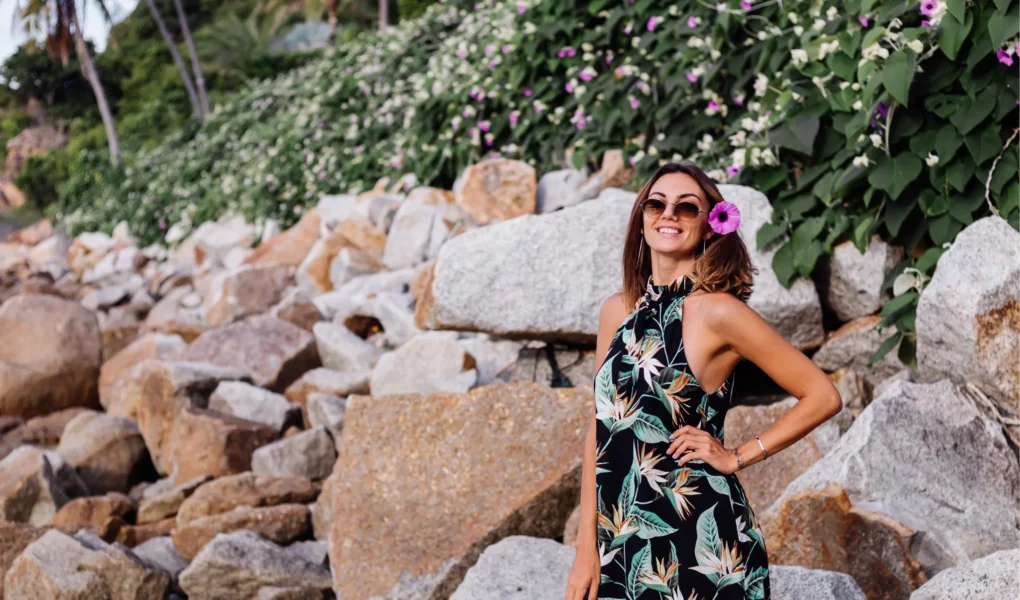
Vacation Dresses: The Complete Guide to Choosing the Right Dress for Any Trip
Packing for a trip almost always comes down to one recurring question: which dress actually works for the destination, the weather, and everything planned for the itinerary. Vacation dresses need to do more than look good in photos. They need to travel well, suit different climates and activities, and hold up through days of wear without constant ironing or laundry access. This guide covers how to choose the right vacation dresses by destination, fabric, and occasion, along with practical packing and care tips.
What Makes a Dress a Good Vacation Dress
Not every dress that looks great at home translates well to travel. A good vacation dress typically balances a few practical qualities alongside style: it resists wrinkling, packs down small, works across more than one type of outing, and suits the climate of the destination.
Versatility matters more for vacation dresses than for everyday wardrobe pieces, since luggage space is limited and the goal is usually to get multiple looks and occasions out of a smaller number of pieces. This is why many experienced travelers prioritize dresses that can be dressed up or down with accessories rather than packing separate outfits for every single activity.
Choosing Vacation Dresses by Destination and Climate
Beach and Tropical Destinations
Lightweight, breathable fabrics like cotton, linen, and rayon work best in hot, humid climates, since they allow airflow and dry quickly if they get wet or damp from humidity or ocean spray. Flowy silhouettes, such as maxi dresses or loose shift dresses, are popular for beach destinations because they stay comfortable in heat while still looking put together.
City and Cultural Destinations
For city trips involving walking, sightseeing, and visits to religious or cultural sites, dresses with modest coverage, such as knee-length or midi hemlines and sleeves or easily added layers, tend to be more practical. Many religious sites and museums have specific dress code expectations, so a dress that can be adjusted with a scarf or light cardigan for added coverage offers more flexibility across different stops.
Cold Weather or Mountain Destinations
Sweater dresses or dresses made from thicker knit fabrics work well for cooler destinations, especially when paired with tights and boots. Layering is key here, since a single dress rarely provides enough warmth on its own in colder climates.
Cruise and Resort Destinations
Cruises and resort stays often call for a mix of casual daytime dresses and one or two dressier options for evening dinners or formal nights, which are common on many cruise itineraries. Packing a versatile dress that can be styled both ways, casual with sandals during the day and elevated with jewelry and heels at night, helps reduce the total number of pieces needed.
Vacation Dress Fabric Guide
| Fabric | Best For | Wrinkle Resistance | Breathability |
|---|---|---|---|
| Cotton | Warm, humid climates | Moderate, wrinkles easily | High |
| Linen | Hot climates | Low, wrinkles significantly | High |
| Rayon or viscose | Warm to moderate climates | Moderate | Moderate to high |
| Polyester blends | Any climate, especially travel-heavy trips | High | Lower than natural fibers |
| Knit and jersey | Cooler climates, casual wear | High | Moderate |
| Silk and silk blends | Dressier occasions | Low, wrinkles and can water spot | Moderate |
Fabric choice affects far more than comfort. It directly determines how much ironing or steaming will be needed during the trip, which matters significantly for travelers without easy access to those tools in hotel rooms or vacation rentals.
Dress Silhouettes and When to Choose Them
Maxi dresses work well for beach destinations and casual sightseeing, offering coverage and comfort in warm weather while remaining easy to dress up with accessories for evening.
Wrap dresses are a practical choice for travel due to their adjustable fit, which accommodates slight changes in body comfort from air travel bloating or varying activity levels throughout a trip.
Shift and shirt dresses offer a simple, versatile silhouette that works for both casual daytime activities and can be elevated for dinner with the right accessories.
Sweater and knit dresses are suited to cooler destinations or evenings, offering warmth without the bulk of adding a full extra layer over another dress.
How to Pack Vacation Dresses Without Wrinkling
- Choose wrinkle-resistant fabrics when possible. Polyester blends and certain knits naturally resist wrinkling better than linen or pure cotton, which reduces the need for ironing during the trip.
- Roll rather than fold. Rolling dresses, rather than folding them flat, generally reduces deep creasing, particularly for softer fabrics like rayon or jersey knits.
- Use tissue paper or packing cubes. Placing tissue paper between folds or using packing cubes to keep dresses more contained can reduce friction and creasing during transit.
- Pack dresses on top or in a separate compartment. Placing dresses at the top of a suitcase, away from heavier items like shoes, reduces the pressure and creasing that comes from being compressed under other packed items.
- Steam or hang immediately upon arrival. Hanging dresses as soon as you arrive, ideally in a bathroom during a hot shower to use the steam, can help release wrinkles that developed during travel.
Common Mistakes People Make When Choosing Vacation Dresses
Packing only one type of dress for a multi-activity trip. A trip involving beach time, city walking, and evening dinners needs more than one dress style, since a single silhouette rarely suits every activity comfortably.
Ignoring local dress code expectations. Some destinations, particularly those with religious sites or more conservative cultural norms, have specific coverage expectations that are easy to overlook when packing based on climate alone.
Choosing fabric based on appearance rather than practicality. A dress that looks great on a hanger but wrinkles severely or requires special washing can create unnecessary stress during a trip with limited laundry access.
Not accounting for airline luggage restrictions. Overpacking heavier fabric dresses, like structured cotton or thick knits, can add unnecessary weight to luggage, which matters for airlines with strict weight limits.
Forgetting versatility in styling. Packing dresses that only work with one specific pair of shoes or set of accessories limits outfit options unnecessarily compared to choosing pieces that can be restyled easily.
Expert Insight: Why Layering Pieces Matter as Much as the Dress Itself
One detail often overlooked in vacation dress guides is that the dress alone rarely determines how well an outfit performs across a full day of travel. Layering pieces, such as a lightweight cardigan, a scarf, or a light jacket, extend a single dress’s usability across changing temperatures, from air-conditioned interiors to warm outdoor settings to cooler evenings.
This is particularly relevant for trips that involve significant temperature shifts within a single day, such as desert destinations with hot days and cool nights, or cities where indoor spaces are heavily air-conditioned regardless of outdoor heat. Packing one or two versatile layering pieces alongside vacation dresses often does more to solve comfort issues than packing additional dresses.
Dressing for Modesty and Cultural Sensitivity While Traveling
Understanding local dress expectations before a trip helps avoid last-minute clothing stress, particularly for destinations with specific cultural or religious norms around coverage. Many religious sites globally, including certain churches, temples, and mosques, have documented dress code expectations that typically require covered shoulders and knees, and sometimes head coverings, for entry.
Researching destination-specific expectations in advance, rather than assuming beach-appropriate clothing will work everywhere on a trip, helps travelers pack more thoughtfully and avoid being turned away from planned activities due to clothing that does not meet a site’s requirements.
Actionable Recommendations
- Pack at least two to three different dress silhouettes if the trip involves varied activities like sightseeing, beach time, and evening dinners.
- Prioritize wrinkle-resistant fabrics like polyester blends or certain knits for the bulk of travel dresses, saving delicate fabrics like linen or silk for special occasions within the trip.
- Research destination-specific dress code expectations in advance, particularly for religious or culturally significant sites.
- Pack one or two lightweight layering pieces, such as a cardigan or scarf, to extend the usability of each dress across different settings and temperatures.
- Roll dresses and use packing cubes or tissue paper to reduce wrinkling during transit.
Conclusion
Choosing the right vacation dresses comes down to balancing style with practicality: the right fabric for the climate, a silhouette that suits the planned activities, and enough versatility to avoid overpacking. Considering destination-specific factors like cultural dress expectations and temperature shifts throughout the day, alongside smart packing techniques, helps ensure that vacation dresses look good and perform well from departure to return. With the right selection and a bit of planning, a smaller, well-chosen set of dresses can cover an entire trip’s worth of activities and occasions.
FAQ
What fabric is best for vacation dresses?
Lightweight, breathable fabrics like cotton, linen, and rayon work well for warm climates, while polyester blends are a practical choice for wrinkle resistance across various trip types.
How many dresses should I pack for a week-long vacation?
This depends on planned activities, but packing two to three versatile dress styles that can be restyled with different accessories is generally more practical than packing a new dress for every single day.
What type of dress is best for a beach vacation?
Flowy maxi dresses or loose shift dresses made from breathable fabrics like cotton or linen are commonly recommended for beach destinations due to comfort in heat and humidity.
How do I keep dresses from wrinkling while traveling?
Choosing wrinkle-resistant fabrics, rolling rather than folding, using packing cubes, and packing dresses away from heavier items all help reduce wrinkling during transit.
Are sundresses appropriate for sightseeing in cities with religious sites?
Not always. Many religious sites have specific dress code expectations requiring covered shoulders and knees, so packing a dress that can be layered with a scarf or light cardigan offers more flexibility.
What is the most versatile type of vacation dress?
Wrap dresses and shirt dresses are often considered among the most versatile, since their adjustable or simple silhouettes work for both casual daytime activities and can be dressed up for evening.
Should I pack a dressy option for a beach or resort vacation?
Yes, particularly for cruises or resorts, since many include at least one or two dinner settings or formal nights that call for a dressier option beyond casual daytime wear.
How do I remove wrinkles from a dress without an iron while traveling?
Hanging the dress in a bathroom during a hot shower allows steam to naturally help release wrinkles, which is a practical method when an iron or steamer is not available.
Read More: Resort Wear Guide: What to Pack and How to Style It