

Black Tie Optional: What It Actually Means and How to Dress for It
Quick answer
Black tie optional means formal black tie attire is preferred but not strictly required, giving men the flexibility to wear a dark, formal business suit instead of a tuxedo, while women are generally still expected to dress at a level close to standard black tie, meaning a floor-length or elegant cocktail-length gown rather than a simple cocktail dress. The phrase causes more confusion than almost any other dress code term specifically because the flexibility it offers is uneven between menswear and womenswear, which most general dress code guides do not explain clearly.
If you searched “black tie optional,” you are most likely holding an invitation with this exact phrase on it and trying to figure out what you can actually get away with wearing without under- or overdressing. This guide focuses specifically on that practical decision, rather than covering black tie dress codes in general.
What black tie optional actually means
Black tie optional signals that the host would prefer guests to wear traditional black tie attire, a tuxedo for men and a formal gown for women, but recognizes that not every guest may own or want to rent a tuxedo specifically for the event. It is not an invitation to dress casually, and it is not the same as a cocktail attire or semi-formal dress code, both of which sit at a noticeably lower formality level.
The core idea is that black tie remains the target formality level, with a single specific allowance: men may substitute a dark, formal suit for a tuxedo if they prefer.
Why the flexibility is uneven between men and women
This is the detail most general dress code explainers skip, and it is the actual source of most of the confusion around this specific phrase. The “optional” part of black tie optional almost always refers to menswear specifically, giving men the choice between a tuxedo and a dark formal suit.
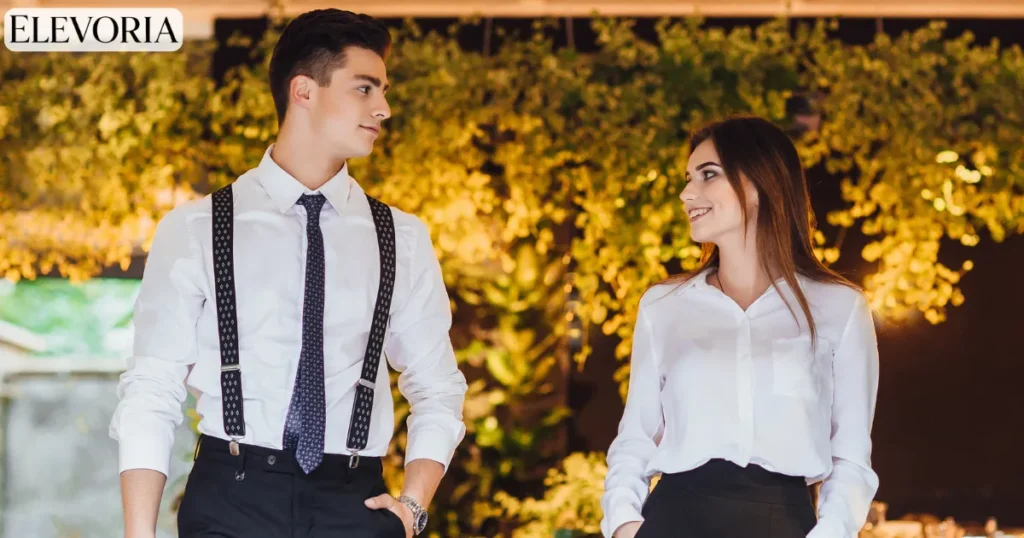
For women, the expectation generally remains much closer to standard black tie: a floor-length gown or a formal, elevated cocktail-length dress in a rich fabric like silk, satin, or velvet. A casual cocktail dress or a simple daytime dress, while acceptable for a lower dress code like cocktail attire, generally reads as underdressed for a black tie optional event specifically.
What men should wear for black tie optional
Option 1: Traditional tuxedo
A black or midnight blue tuxedo jacket with satin lapels, matching trousers, a formal white shirt, and a black bow tie remains the safest, most universally appropriate choice, and it directly matches what the host has indicated they would prefer.
Option 2: Dark, formal suit
A well-fitted suit in black, charcoal, or navy, paired with a crisp white or light-colored dress shirt and a conservative tie, is the accepted alternative. Key details that keep this option appropriately formal include:
- Choosing a solid or very subtly patterned dark suit rather than a lighter gray or patterned business suit
- Wearing a tie rather than going open-collar, since black tie optional still calls for a more finished, formal look than typical business attire
- Choosing polished black dress shoes rather than brown or casual leather shoes
What women should wear for black tie optional
- Floor-length gown: the most traditional choice, and a safe option if you are uncertain how strictly the event will interpret the dress code
- Elegant cocktail-length dress: in an elevated fabric like silk, satin, or velvet, with a more formal silhouette than a typical daytime cocktail dress
- Structured accessories: a small evening clutch and more refined jewelry, rather than casual accessories
- Formal heels: though elegant flats are an increasingly accepted alternative, particularly for events involving significant standing or an outdoor venue
A general guideline: if you are deciding between two dress options and unsure which is more appropriate, choosing the more formal of the two is generally the safer decision for a black tie optional event specifically.
Black tie optional versus other similar dress codes
| Dress code | Formality level | Key difference from black tie optional |
|---|---|---|
| Black tie | Most formal for this comparison | No flexibility; tuxedo expected for men, formal gown expected for women |
| Black tie optional | Very formal, slight menswear flexibility | Men may wear a dark suit instead of a tuxedo; women’s expectations remain close to standard black tie |
| Black tie preferred | Very formal, similar to black tie optional | Functionally very similar to black tie optional, generally interpreted the same way |
| Creative black tie | Formal with room for personal interpretation | Allows more individual style expression, like a patterned jacket or bold dress, while maintaining overall formality |
| Cocktail attire | Semi-formal | A noticeably lower formality level; standard cocktail dresses and dark suits without black tie details are appropriate |
Black tie optional and black tie preferred are generally treated as functionally interchangeable phrases by most hosts and guests, both signaling the same underlying expectation: black tie is the goal, with the specific menswear flexibility described above.
How to decide what to wear: a simple decision framework
- Check the invitation for any additional context. Some invitations specify a venue, time, or additional details that hint at how strictly the dress code will be interpreted.
- Consider the host and event type. A formal charity gala or wedding reception at an upscale venue generally leans toward the more formal end of black tie optional, while a company holiday party with the same wording may be interpreted somewhat more loosely.
- When in doubt, lean formal rather than casual. It is generally considered a safer social choice to be slightly more dressed up than expected than to be noticeably underdressed at a formal event.
- Ask the host directly if you are still unsure. This is a completely reasonable and common question, particularly for guests who do not regularly attend black tie or black tie optional events.
Common misconceptions about black tie optional
Misconception: “Optional” means the dress code itself is optional. It does not. The word refers specifically to the choice between a tuxedo and a dark formal suit for men, not to whether formal dress is expected at all.
Misconception: Women have the same flexibility as men under this dress code. Generally not. While there is some room for interpretation with a formal, elevated cocktail-length dress instead of a full gown, the overall expectation for women remains much closer to standard black tie formality than the menswear flexibility suggests.
Misconception: A standard business suit from the office is appropriate. A typical daily business suit, particularly in gray or with a busier pattern, generally does not read as formal enough for black tie optional. The suit should be a genuinely formal, dark option paired with a tie and polished dress shoes.
Misconception: Black tie optional and cocktail attire are the same thing. They are not. Black tie optional sits at a meaningfully higher formality level than cocktail attire, and treating the two as interchangeable is one of the more common ways guests end up underdressed.
Common mistakes people make with black tie optional
- Choosing a casual or everyday cocktail dress, assuming the “optional” wording lowers the formality bar for women in the same way it does for men.
- Wearing a business suit without a tie or with a lighter, less formal color and pattern. This undercuts the formality that black tie optional still calls for, even with the suit substitution.
- Assuming casual shoes are acceptable. Sneakers, casual loafers without polish, or brown shoes with a black suit generally do not fit the expected formality level.
- Overthinking “creative” interpretation when the invitation says black tie optional specifically, rather than creative black tie. These are different phrases with different levels of expected personal interpretation.
- Not asking the host when genuinely uncertain. Guessing incorrectly is a more common source of feeling out of place than simply asking a clarifying question in advance.
- Assuming this dress code applies the same way at every type of event. A black tie optional wedding and a black tie optional corporate gala may be interpreted with slightly different strictness depending on the specific host and setting.
Actionable recommendations
- If you own a well-fitted tuxedo, it remains the safest and most directly aligned choice with what the host has indicated they would prefer.
- If choosing a suit instead, select a dark, solid or subtly patterned formal suit, paired with a tie and polished black dress shoes.
- As a woman attending, choose a floor-length gown or a genuinely elevated, formal cocktail-length dress rather than a standard daytime cocktail dress.
- When uncertain between two outfit options, choose the more formal choice rather than risk being underdressed.
- Ask the host directly if the invitation’s context leaves you genuinely unsure how strictly the dress code will be interpreted.
- Do not confuse black tie optional with creative black tie or cocktail attire, since each carries meaningfully different expectations.
Frequently asked questions
What does black tie optional actually mean? It means a tuxedo is preferred but a dark, formal business suit is an acceptable alternative for men, while women are generally still expected to dress close to standard black tie formality with a gown or elevated cocktail-length dress.
Can I wear a regular suit to a black tie optional event? Yes, a dark, formal suit paired with a tie and polished dress shoes is an accepted alternative to a tuxedo for men under this specific dress code.
Do women have the same flexibility as men under black tie optional? Not exactly. While a formal cocktail-length dress is generally accepted as an alternative to a full gown, the overall expectation for women remains closer to standard black tie formality than the menswear substitution suggests.
Is black tie optional the same as black tie preferred? They are generally treated as functionally interchangeable phrases, both indicating that black tie is the preferred formality level with the same specific menswear flexibility.
Is a cocktail dress appropriate for a black tie optional event? A standard, casual cocktail dress is usually not formal enough. A more elevated cocktail-length dress in a richer fabric, or a full-length gown, is generally the safer and more appropriate choice.
What shoes should I wear for black tie optional? Men should choose polished black dress shoes, and women typically wear formal heels, though elegant flats are an increasingly accepted alternative depending on the venue.
Is it better to overdress or underdress for black tie optional? Overdressing slightly is generally considered the safer choice, since being noticeably underdressed at a formal event tends to feel more socially uncomfortable than being slightly more dressed up than necessary.
Should I just ask the host what to wear? Yes, if you are genuinely uncertain. Asking a direct, simple question about dress code expectations is a completely reasonable and common practice, particularly for guests unfamiliar with formal event dress codes.
The bottom line
Black tie optional is not a lower-formality version of black tie. It is black tie with one specific allowance: men may wear a dark, formal suit instead of a tuxedo, while women’s expectations remain much closer to full black tie formality. Understanding this uneven flexibility, choosing the more formal option when in doubt, and not confusing this phrase with cocktail attire or creative black tie are what most reliably keep you dressed appropriately for this specific and commonly misunderstood dress code.
Read More: Hermès Birkin Bag: History, Sizes, and How to Buy

[…] Read More: Black Tie Optional: What to Wear (Men & Women) […]