
Black Flats: A Complete Guide to Styles, Comfort, and How to Choose the Right Pair
Quick answer
Black flats are one of the most versatile shoe categories in a wardrobe, spanning ballet flats, loafers, pointed-toe flats, mules, and slip-on styles, all sharing the same core advantage: black works as a true neutral, pairing easily with nearly any outfit color or formality level. Choosing the right pair comes down to matching the specific flat style to your intended use, since a ballet flat, a structured loafer, and a pointed flat all serve genuinely different styling and comfort purposes despite falling under the same general category.
If you searched “black flats,” you are most likely trying to find the right style for a specific occasion, figure out which type offers the best comfort and support for your needs, or understand how to style flats for both casual and more polished looks. This guide covers all of that with practical, specific guidance.
Why black flats are such a reliable wardrobe staple
Black is a true neutral color, meaning it pairs with virtually any other color without clashing, which is a major part of why black flats remain such a consistently recommended shoe category regardless of changing trends. Beyond color, the flat silhouette itself offers a practical advantage over heels: all-day wearability without the comfort trade-offs that come with an elevated heel.
This combination, color versatility plus comfort, is why black flats show up across nearly every capsule wardrobe and styling guide as a foundational piece rather than a trend-dependent choice.
Types of black flats
Ballet flats
A classic, rounded-toe flat with a low-cut vamp and minimal structure, generally considered the most classic and universally recognized flat style, well suited to both casual and smart-casual outfits.
Loafers
A more structured, closed style, often featuring a moccasin-inspired construction with a low heel or completely flat sole, generally read as slightly more polished and versatile across both casual and business-casual settings compared to a ballet flat.
Pointed-toe flats
Featuring a tapered, pointed front, this style tends to read as slightly dressier than a rounded ballet flat, often chosen specifically for office or more polished occasions.
Mules
A backless flat, either closed-toe or open-toe, offering easy slip-on convenience, generally considered more casual than a loafer or pointed flat due to the open heel design.
Slip-on sneakers or flat sneakers
A hybrid category blending sneaker comfort with a flat, low-profile silhouette, suited to casual, everyday wear rather than dressier occasions.
Flat sandals
Open-toe, open-back styles suited to warmer weather and more casual settings, generally offering the least structure and support among common black flat styles.
Comparing black flat styles
| Style | Formality level | Comfort and support | Best suited for |
|---|---|---|---|
| Ballet flat | Casual to smart-casual | Moderate, varies significantly by brand and construction | Everyday wear, versatile styling |
| Loafer | Smart-casual to business-casual | Generally good, more structured | Office wear, polished casual looks |
| Pointed-toe flat | Smart-casual to business | Varies, narrower toe box can affect comfort | Office wear, more polished occasions |
| Mule | Casual | Less supportive due to open heel | Casual outings, warm-weather wear |
| Flat sneaker | Casual | Generally the most comfortable and supportive | Everyday, high-activity wear |
| Flat sandal | Casual | Least structured and supportive | Warm-weather, casual settings |
Choosing black flats for comfort and support
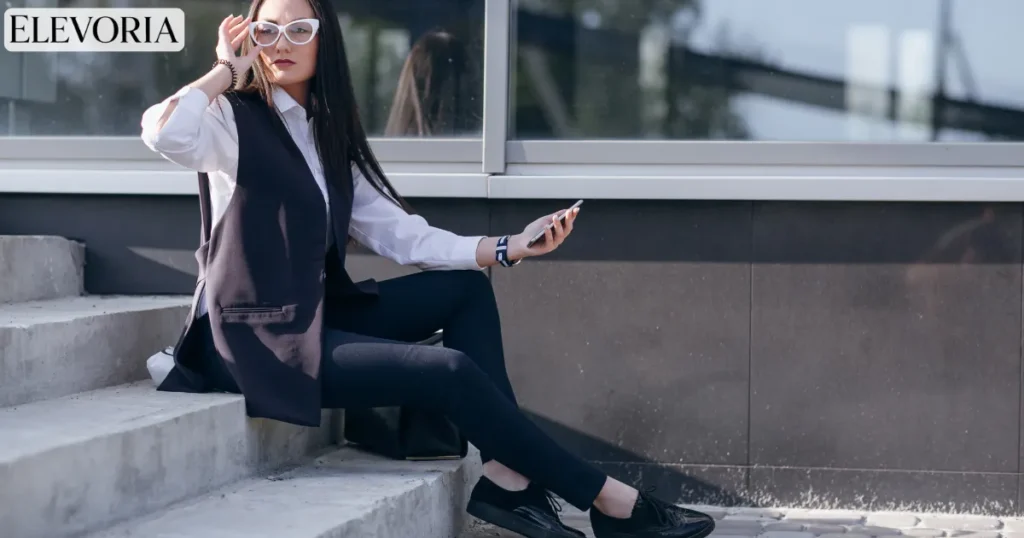
Not all flats offer the same level of foot support, and this is a detail worth understanding before assuming any flat shoe is automatically comfortable simply because it lacks a heel.
- Arch support: many basic ballet flats offer minimal arch support, which can be uncomfortable for extended wear, particularly for those who need more structural support; loafers and flat sneakers generally offer more built-in support
- Sole cushioning: thin, minimal soles common in some ballet flats can transmit more impact with each step compared to a more cushioned sole construction
- Toe box width: pointed-toe flats can compress the front of the foot, which may cause discomfort with extended wear, particularly for those with wider feet or certain foot conditions
- Material flexibility: stiffer materials generally require a break-in period, while softer, more flexible materials tend to feel comfortable sooner but may offer less structural support over time
If all-day comfort is a priority, choosing a flat with additional cushioning, a slightly more structured sole, or a rounder toe box generally serves better than choosing based on appearance alone.
Styling black flats by occasion
Casual everyday
Ballet flats or slip-on sneakers pair easily with jeans, casual dresses, or shorts, offering a comfortable, versatile option for daily wear.
Work and professional settings
Loafers or pointed-toe flats generally read as more polished, pairing well with tailored trousers, midi skirts, or professional dresses.
Smart-casual and dinner
A pointed-toe flat or a more refined loafer style, paired with tailored pieces, can offer a polished alternative to heels for dinners or events with a smart-casual dress code.
Warm-weather and travel
Mules or flat sandals offer breathability and easy slip-on convenience, suited to warmer climates or travel days requiring comfort and quick removal, such as airport security.
What to wear with black flats
- Black flats and denim: one of the most reliable, versatile combinations, working across nearly any wash or jean style
- Black flats and dresses: pairs well with both casual and more polished dress styles, offering a comfortable alternative to heels without sacrificing a put-together look
- Black flats and tailored trousers: particularly loafers or pointed-toe styles, creates a professional, polished silhouette
- Black flats and skirts: works well with both mini and midi lengths, generally pairing more naturally with midi and longer skirts for a balanced proportion
Common mistakes people make with black flats
- Assuming all flats are equally comfortable simply because they lack a heel. Support, cushioning, and toe box shape vary significantly between styles, and a poorly constructed flat can be just as uncomfortable as an ill-fitting heel.
- Choosing a style based only on appearance without considering intended use. A delicate ballet flat may not hold up well to a full day of walking, while a structured loafer may feel overly formal for a casual weekend outfit.
- Ignoring break-in time for stiffer materials. Structured leather flats, particularly loafers, often require a short adjustment period before reaching their most comfortable fit.
- Not considering sole traction for different surfaces. Some flat styles have smoother soles that can be less secure on wet or uneven surfaces compared to styles with more textured tread.
- Buying a single pair of black flats to cover every occasion. Given how much styles vary in formality and support, having at least two different black flat styles, one casual and one more polished, tends to cover a wider range of needs than a single pair.
- Overlooking material care requirements. Leather, suede, and synthetic materials all require different care approaches, and treating them identically can shorten the lifespan of the shoe.
How to care for black flats
- Use a leather conditioner periodically for genuine leather flats to prevent drying and cracking
- Protect suede flats with a specific suede protector spray, and use a suede brush to address surface stains or scuffs
- Allow shoes to fully air out and dry between wears, rather than wearing the same pair on consecutive days, to help maintain their shape and extend their lifespan
- Use shoe trees or stuff shoes with paper when storing, to help maintain shape, particularly for structured styles like loafers
- Address scuffs and minor damage promptly with an appropriate cleaner or polish for the specific material
Actionable recommendations
- Choose a flat style based on your primary intended use, whether that is everyday comfort, office wear, or dressier occasions, rather than appearance alone.
- Prioritize arch support and sole cushioning if all-day comfort is a priority, particularly for ballet flats, which can vary significantly in support between brands.
- Build a small rotation of at least two black flat styles, one more casual and one more polished, to cover a wider range of occasions.
- Allow break-in time for structured leather styles like loafers, rather than expecting immediate full comfort.
- Use material-appropriate care products, like leather conditioner or suede protector, to extend the life of your flats.
- Check sole traction if you will be walking on wet or uneven surfaces regularly, since some flat styles offer significantly less grip than others.
Frequently asked questions
What is the most versatile style of black flats? Ballet flats and loafers are generally considered the most versatile, since both work across a range of casual to smart-casual outfits and occasions.
Are black flats comfortable for all-day wear? This depends heavily on the specific style and construction. Flats with better arch support and sole cushioning, like many loafers and flat sneakers, generally offer more all-day comfort than very thin, minimally structured ballet flats.
What is the difference between a loafer and a ballet flat? A loafer is a more structured, closed style, often with a moccasin-inspired construction, generally reading as more polished, while a ballet flat has a simpler, rounded, low-cut design and reads as more classically casual to smart-casual.
Can black flats be worn to the office? Yes, particularly loafers and pointed-toe flats, which generally read as more professional and polished compared to more casual styles like mules or ballet flats.
Do black flats work with dresses? Yes, black flats pair well with both casual and more polished dress styles, offering a comfortable alternative to heels without sacrificing a put-together overall look.
How do I make ballet flats more comfortable? Look for styles with added cushioning or arch support built in, or consider adding a separate insole for additional comfort and support if your specific pair lacks it.
What black flats are best for travel? Slip-on styles like mules or flat sneakers generally offer the best combination of comfort and convenience for travel, particularly for situations requiring quick removal like airport security.
How often should I replace black flats? This depends on frequency of wear and material quality, but visible sole wear, loss of structural support, or significant material damage are all signs it may be time to replace a pair, generally sooner for frequently worn shoes than occasional-use pairs.
The bottom line
Black flats earn their place as a wardrobe staple because black’s neutral versatility combines with the practical comfort of a flat silhouette, but getting real value from this category depends on matching the specific style, ballet flat, loafer, pointed flat, mule, or flat sneaker, to your actual intended use rather than treating all black flats as interchangeable. Prioritizing support and comfort where needed, building a small rotation across a couple of styles, and caring for the material properly are what separate flats that serve you well for years from a pair that disappoints after a few wears.
Read More: Saint Laurent High Heel Shoes: A Guide to the Iconic Styles and What to Know Before You Buy
[…] Read More: Black Flats: Styles, Comfort, and How to Choose […]
[…] Read More: Black Flats: Styles, Comfort, and How to Choose […]