
Jelly Shoes: A Complete Guide to Styles, History, and How to Wear Them
Quick answer
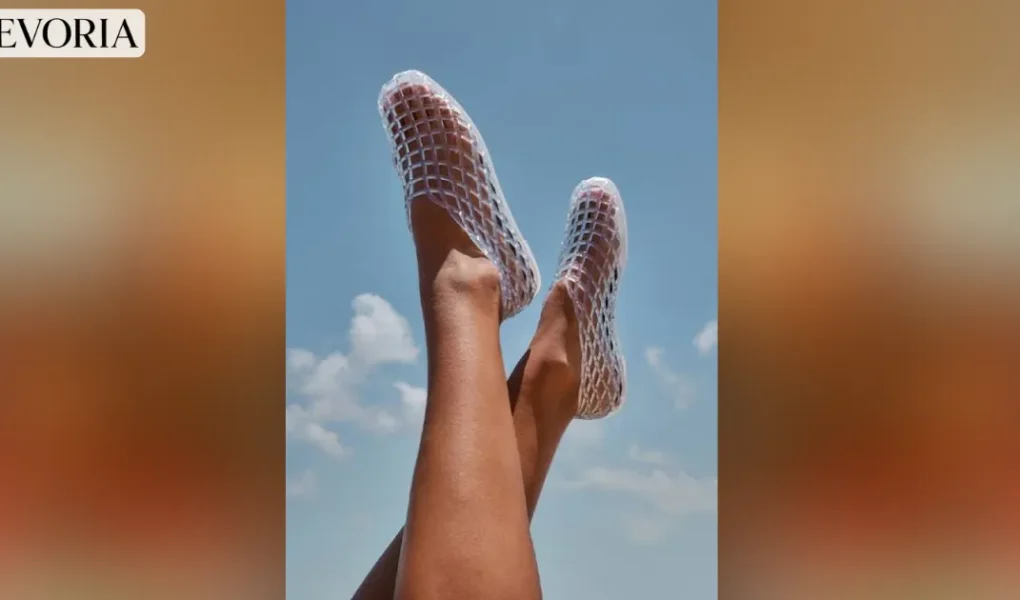
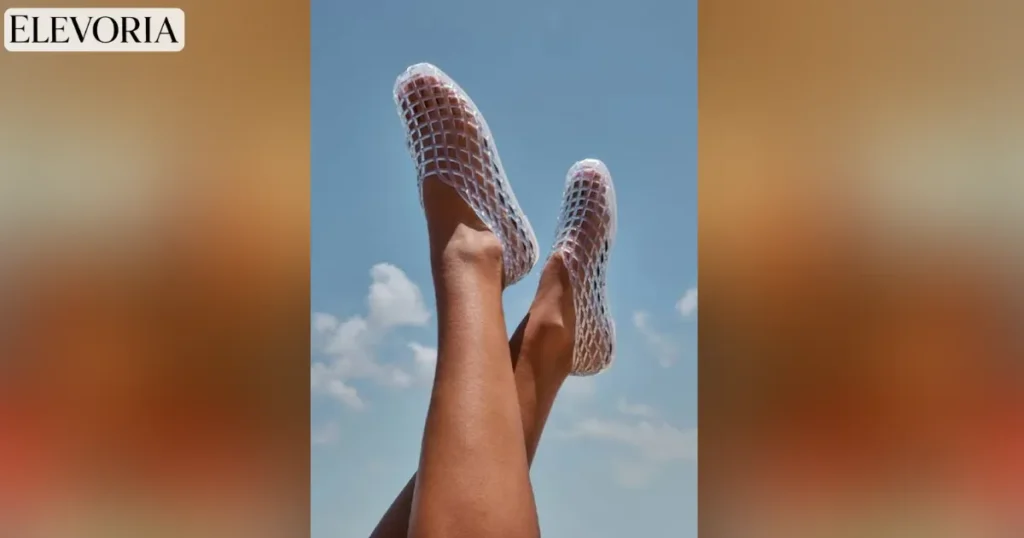
Jelly shoes are footwear made from PVC or other flexible, translucent plastic, originally popularized as a lightweight, waterproof summer shoe and closely associated with 1980s fashion before resurfacing repeatedly as a nostalgic trend in the decades since. They range from simple flat sandals to heeled and platform styles, and their defining features, water resistance, a translucent or jelly-like appearance, and an affordable, casual character, remain consistent across eras even as specific silhouettes shift with each fashion revival.
If you searched “jelly shoes,” you are most likely trying to find a specific style for a beach or summer occasion, curious about the shoe’s fashion history, or looking for guidance on sizing and comfort, since jelly shoes have a reputation for fitting differently than typical footwear. This guide covers all of that.
What are jelly shoes?
Jelly shoes are a category of footwear made primarily from PVC (polyvinyl chloride) or similar flexible plastic materials, giving them their signature translucent, glossy, “jelly-like” appearance. The material is inherently waterproof and lightweight, which is part of why jelly shoes became strongly associated with beach, pool, and general warm-weather wear from early in their popularity.
Unlike leather or fabric shoes, jelly shoes are typically molded as a single piece or with minimal separate components, giving them a distinctive smooth, flexible construction that also makes them notably easy to rinse clean.
A brief history of jelly shoes
Jelly shoes rose to mainstream popularity in the 1980s, becoming a recognizable symbol of that decade’s fashion alongside other plastic and brightly colored accessories. Their affordability, bright color options, and practical water resistance made them popular with both children and adults during this period.
Like many distinctive fashion items tied closely to a specific decade, jelly shoes have resurfaced periodically since then as part of broader 1980s and 1990s nostalgia trends in fashion, with designers and mainstream retailers alike periodically reintroducing updated versions of the style.
Common jelly shoe styles
Classic jelly sandals
Simple, flat sandals with a strap-based design, closely resembling the original 1980s silhouette, generally the most affordable and widely available style.
Jelly flats
A closed or semi-closed flat shoe made from the same flexible PVC material, offering more coverage than a sandal while retaining the lightweight, waterproof properties of the category.
Heeled jelly shoes
A dressier take on the material, applying the translucent PVC construction to a heeled silhouette, generally positioned as a fashion-forward option rather than a purely practical beach shoe.
Platform jelly shoes
Combining a chunkier, elevated sole with the classic jelly material, this style has appeared repeatedly across different fashion revivals, often tied to broader platform shoe trends.
Jelly boots
A less common but periodically trending variation, applying the waterproof PVC construction to a boot silhouette, generally marketed for rainy weather rather than beach use specifically.
Why jelly shoes are popular for specific occasions
- Beach and pool use: the material’s inherent water resistance and quick-drying nature make jelly shoes practical for wet environments where standard shoes would be impractical
- Festival and outdoor event wear: durability and easy cleaning make them a practical choice for muddy or wet outdoor conditions
- Rainy weather: particularly jelly flats and boots, which offer more coverage than sandal styles while remaining fully waterproof
- Nostalgic or retro-themed styling: the strong visual association with 1980s and 1990s fashion makes jelly shoes a common choice for retro-inspired outfits or costume styling
Jelly shoes sizing and fit considerations
This is an area worth understanding before buying, since jelly shoes have a reputation for fitting somewhat differently than standard footwear.
- PVC material does not stretch or break in the way leather does, meaning a jelly shoe that feels slightly tight when new is unlikely to loosen significantly with wear, unlike many leather shoe styles
- Sizing can run smaller than expected in some brands, given the rigid nature of the material compared to more flexible fabric or leather options
- Strap adjustability varies significantly by style, with some jelly sandals offering buckle or strap adjustment and others using a fixed, non-adjustable design
- Trying a half size up is a common recommendation for those between sizes, given the material’s limited give compared to more forgiving shoe materials
Caring for jelly shoes
- Rinse with water after beach or pool use to remove sand, salt, or chlorine residue, which can affect the material’s appearance over time if left unaddressed
- Avoid prolonged direct sun exposure when not in use, since some PVC materials can become brittle or discolored with extended UV exposure over time
- Wipe clean with a damp cloth for general maintenance, avoiding harsh chemical cleaners that could affect the material’s flexibility or clarity
- Store away from extreme heat, since high temperatures can cause some PVC materials to warp or lose their shape
- Address minor scuffs gently, using a soft cloth, since abrasive cleaning tools can scratch the material’s glossy surface
Common mistakes people make with jelly shoes
- Assuming they will stretch or break in like leather shoes. PVC does not behave the same way as leather, and a snug jelly shoe is unlikely to loosen meaningfully with wear, making correct initial sizing more important than with many other shoe types.
- Wearing them for extended walking or hiking. Jelly shoes are generally designed for casual, low-impact wear like beach or pool use, rather than extended walking, and lack the support and cushioning of athletic or walking-specific footwear.
- Not accounting for reduced breathability. Since PVC does not breathe the way fabric or leather does, extended wear in hot weather can lead to more sweating and discomfort than more breathable shoe materials.
- Leaving them in direct sun or extreme heat for extended periods. This can affect the material’s flexibility and shape over time, particularly with lower-quality PVC construction.
- Choosing a non-adjustable style without trying it on first, given that many jelly sandals lack the same fit flexibility as shoes with more adjustable strap systems.
- Assuming all jelly shoes are purely a costume or novelty item. While closely associated with retro styling, jelly shoes remain a genuinely practical, functional choice for wet-weather and beach conditions regardless of any nostalgic styling context.
How to style jelly shoes
- Beach and pool outfits: pair naturally with swimwear, cover-ups, and casual summer clothing, serving their original practical purpose
- Retro-inspired outfits: classic jelly sandals pair well with 1980s or 1990s-inspired clothing for a cohesive, nostalgic look
- Casual everyday summer wear: jelly flats or simple sandal styles can work with shorts, sundresses, or casual outfits beyond specifically beach-related settings
- Rainy day styling: jelly flats or boots offer a practical, waterproof option that still allows for some style consideration, unlike purely functional rain boots
Actionable recommendations
- Try jelly shoes on in person if possible, or check a brand’s specific sizing guidance carefully, since PVC does not stretch or break in the way leather does.
- Choose an adjustable strap style if you are between sizes or want more flexibility in fit.
- Reserve jelly shoes for casual, low-impact wear like beach, pool, or short outdoor use, rather than extended walking or hiking.
- Rinse and dry jelly shoes after wet or sandy use to maintain their appearance and material integrity over time.
- Store them away from extreme heat and prolonged direct sun exposure to prevent warping or discoloration.
- Consider a jelly boot or closed-toe flat style specifically for rainy weather use, rather than a sandal style with less coverage.
Frequently asked questions
What are jelly shoes made of? Jelly shoes are typically made from PVC or similar flexible, translucent plastic, giving them their signature glossy, jelly-like appearance and inherent water resistance.
Are jelly shoes still in style? They have resurfaced periodically since their peak popularity in the 1980s, often as part of broader retro fashion revivals, and remain a practical choice for beach and wet-weather wear regardless of specific fashion trend cycles.
Do jelly shoes run true to size? This varies by brand, but since PVC does not stretch or break in the way leather does, sizing accuracy matters more with jelly shoes than with many other shoe materials, and trying a half size up is a common recommendation for those between sizes.
Are jelly shoes waterproof? Yes, the PVC or similar plastic construction is inherently water-resistant, making jelly shoes a practical choice for beach, pool, and rainy weather use.
Can jelly shoes be worn for extended walking? They are generally not recommended for this, since they typically lack the support and cushioning of athletic or walking-specific footwear and are better suited to casual, low-impact wear.
How do I clean jelly shoes? Rinse with water to remove sand, salt, or chlorine residue, and wipe clean with a damp cloth for general maintenance, avoiding harsh chemical cleaners.
Why do jelly shoes sometimes smell or feel uncomfortable in hot weather? PVC does not breathe the way fabric or leather does, which can lead to more sweating and discomfort during extended wear in hot weather compared to more breathable shoe materials.
What is the difference between jelly sandals and jelly flats? Jelly sandals typically use an open, strap-based design, while jelly flats offer more closed or semi-closed coverage, both made from the same flexible PVC material.
The bottom line
Jelly shoes remain a practical, distinctive footwear category defined by their waterproof PVC construction, translucent appearance, and strong ties to 1980s fashion nostalgia, even as specific styles continue to evolve with each fashion revival. Understanding that PVC fits and behaves differently than leather, particularly around sizing and lack of break-in, along with proper care to avoid heat and sun damage, will help you get the most out of this genuinely functional, not just trend-driven, shoe style.


[…] Read More: Jelly Shoes: Styles, History, and How to Wear Them […]
[…] Read More: Jelly Shoes: Styles, History, and How to Wear Them […]