Oval Face Shape: How to Identify It and What Actually Suits You
Quick answer
An oval face shape is characterized by a length slightly longer than its width, with a gently rounded jawline that is narrower than the cheekbones, and a forehead that is slightly wider than the chin, creating a soft, balanced, evenly proportioned outline without any single dominant angle or feature. It is commonly described in styling guides as one of the more flexible face shapes to work with, since its balanced proportions tend to suit a wide range of hairstyles, glasses, and makeup approaches, though this does not mean every style automatically works equally well.
If you searched “oval face shape,” you are most likely trying to determine whether your face fits this category, or you already know your face shape and are looking for practical guidance on hairstyles, glasses, and makeup that work well with it. This guide covers both, with attention to the nuance that general “oval faces can wear anything” advice often skips.
How to determine if you have an oval face shape
- Pull your hair back from your face and look directly into a mirror, ideally in good, even lighting.
- Measure or visually assess the length of your face from your hairline to your chin, compared to the width at your cheekbones.
- Check your jawline shape. An oval face generally has a softly rounded jawline, narrower than the cheekbones, without the sharp angles associated with a square face shape.
- Compare your forehead and chin width. In an oval face, the forehead is typically slightly wider than the chin, though the difference is usually subtle rather than dramatic.
- Look at your cheekbones specifically. They are generally the widest part of an oval face, positioned prominently but without the pronounced angularity sometimes seen in a diamond face shape.
If your face is noticeably longer than it is wide with a straighter, less tapered jawline, you may have a rectangular or oblong shape instead. If your jawline and forehead are close to equal width with sharper angles, a square shape may be more accurate. Comparing your face against a few different shape descriptions, rather than assuming based on a single feature, tends to give a more accurate result.
Oval face shape compared to other common face shapes
| Face shape | Key characteristics | How it differs from oval |
|---|---|---|
| Oval | Balanced proportions, softly rounded jaw, forehead slightly wider than chin | The baseline reference point for this comparison |
| Round | Similar width and length, soft angles throughout | Lacks the elongation that distinguishes oval from round |
| Square | Strong, angular jawline, similar width at forehead and jaw | Sharper angles and less taper than an oval jawline |
| Heart | Wider forehead, narrower, more pointed chin | More dramatic taper toward the chin than oval’s gentler narrowing |
| Diamond | Narrow forehead and jaw, wide, angular cheekbones | More pronounced cheekbone prominence and narrower forehead than oval |
| Rectangular or oblong | Similar to oval but noticeably longer, with a straighter jawline | Greater overall length and less jaw taper than oval |
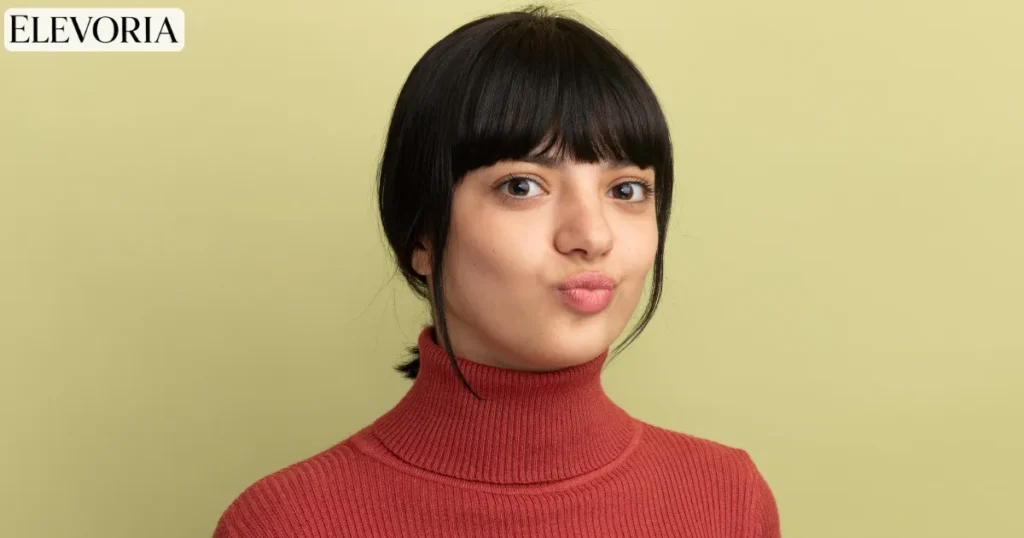
Why oval faces are often called the most versatile face shape
This reputation comes from the shape’s balanced proportions: no single feature, a strong jaw, a wide forehead, a narrow chin, dominates the overall outline. Because of this balance, many hairstyles, glasses shapes, and makeup techniques that are specifically designed to soften, balance, or offset a stronger feature in other face shapes have less corrective work to do on an oval face, since there is less pronounced angularity or asymmetry to begin with.
It is worth being direct about what this actually means in practice: “versatile” does not mean every single style will look equally good on every person with an oval face. Individual features, personal proportions beyond just face shape, hair texture, and personal style preference all still play a meaningful role, even within a face shape often described as flexible.
Hairstyles that tend to work well with oval faces
- Most length options work reasonably well, from short cropped styles to long hair, since an oval face does not require significant added width or length correction the way some other face shapes do
- Side-swept bangs or curtain bangs tend to complement an oval face’s natural balance without adding unnecessary width
- Layered styles work well, since oval faces generally do not need extra volume specifically at the jaw or temple area to balance proportions
- Center or side parts both tend to work, unlike some face shapes where a specific part placement is more commonly recommended to balance a stronger feature
The main styling consideration for oval faces is less about correction and more about personal preference and hair texture, since the shape itself does not present a strong asymmetry or dominant angle that most styling advice is otherwise built around addressing.
Glasses frames that tend to suit oval faces
| Frame style | Why it tends to work |
|---|---|
| Rectangular | Adds structure and a bit of angularity to soften an oval face’s natural roundness |
| Geometric | Introduces defined lines that complement the oval’s balanced but soft outline |
| Square | Offers contrast to the jaw’s natural curve without overwhelming the face |
| Cat-eye | Adds width at the brow line, working well with an oval’s proportional balance |
Frames that are too small or narrow relative to the face can look disproportionate, while very rounded frames may echo the face’s natural softness rather than adding the subtle contrast many people find flattering. As with hairstyles, personal preference plays a significant role, and these are general tendencies rather than fixed rules.
Makeup considerations for oval faces
Because an oval face is already considered balanced, makeup techniques like contouring are often used more for subtle enhancement or shaping specific features, such as cheekbones or jawline definition, rather than the more corrective contouring techniques sometimes recommended for face shapes with a stronger dominant feature.
- Blush placement on the apples of the cheeks or slightly angled toward the temples tends to complement an oval face’s natural cheekbone position
- Light contouring along the jawline can add subtle definition without needing to significantly alter the face’s natural proportions
- Eyebrow shaping has more flexibility, since an oval face does not require a specific brow shape to counterbalance a particular facial feature the way some other face shapes do
Common mistakes and misconceptions about the oval face shape
- Assuming “versatile” means every style will look equally flattering. Face shape is one factor among several, including individual features, hair texture, and personal style, that affect how a specific hairstyle or accessory ultimately looks.
- Misidentifying an oblong or rectangular face as oval. These shapes share some similarities, but an oblong face is generally noticeably longer with less jaw taper than a true oval.
- Overcorrecting with contouring or styling techniques designed for other face shapes. Since an oval face does not have the same pronounced angularity some other shapes present, applying heavy corrective techniques designed for a square or round face can look unnecessary or overdone.
- Relying on a single feature, like just the jawline or just the forehead, to determine face shape. A more accurate assessment considers the relationship between multiple features, including overall length, cheekbone width, and jaw shape together.
- Assuming face shape alone determines what looks good. Skin tone, personal coloring, hair texture, and individual proportions beyond face shape all play a meaningful role alongside face shape guidance.
Actionable recommendations
- Confirm your face shape by comparing multiple features together (length, jaw shape, forehead and chin width, cheekbone prominence) rather than relying on a single characteristic.
- Use “oval face” styling guidance as a general starting point rather than a strict rule, since personal features and preferences still matter significantly.
- Experiment with a range of hairstyles and part placements, since an oval face generally does not require heavy correction and offers more flexibility than shapes with a stronger dominant feature.
- Choose glasses frames that add some structure, like rectangular or geometric shapes, if you want a bit of contrast to the face’s natural softness, though rounder frames can also work well depending on personal style.
- Approach contouring and makeup techniques as enhancement rather than correction, since an oval face’s balanced proportions require less dramatic shaping than some other face shapes.
Frequently asked questions
What defines an oval face shape? An oval face is characterized by a length slightly longer than its width, a softly rounded jawline narrower than the cheekbones, and a forehead slightly wider than the chin, creating balanced, even proportions overall.
Is oval considered the most flattering face shape? It is often described as one of the more versatile face shapes to style, since its balanced proportions require less corrective styling than shapes with a stronger dominant feature, though “flattering” ultimately depends on individual features and personal style rather than face shape alone.
What is the difference between an oval and a round face shape? An oval face is longer than it is wide with a somewhat tapered jawline, while a round face has roughly similar width and length with softer, less elongated proportions overall.
Can I wear any hairstyle with an oval face shape? Many hairstyles tend to work well with an oval face’s balanced proportions, though personal hair texture, styling preference, and individual features still affect how any specific style ultimately looks.
What glasses frames are best for an oval face? Rectangular, geometric, square, and cat-eye frames are commonly recommended, since they add some structure and contrast to the face’s natural softness, though personal preference plays a significant role as well.
How do I know if I have an oval or oblong face shape? An oblong face is generally noticeably longer than an oval face with less jaw taper and a straighter overall outline, so comparing the degree of elongation and jaw shape together helps distinguish between the two.
Does contouring work differently for an oval face shape? Contouring for an oval face is often used more for subtle enhancement of features like cheekbones or jaw definition, rather than the more corrective techniques sometimes used for face shapes with a stronger dominant feature.
Is face shape the only factor in choosing a flattering hairstyle? No. Hair texture, individual facial features beyond just shape, and personal style preference all play a meaningful role alongside general face shape guidance.
The bottom line
An oval face shape is generally defined by balanced, evenly proportioned features, a length slightly greater than width, a softly tapered jaw, and a forehead slightly wider than the chin, which is why it is often described as a flexible starting point for hairstyles, glasses, and makeup. That flexibility is a genuine advantage, but it is still worth treating general oval face styling guidance as a starting point rather than an absolute rule, since individual features and personal preference continue to matter just as much as face shape alone.
Read More: Niacinamide: Benefits, Uses, and How to Add It In