
Quick answer
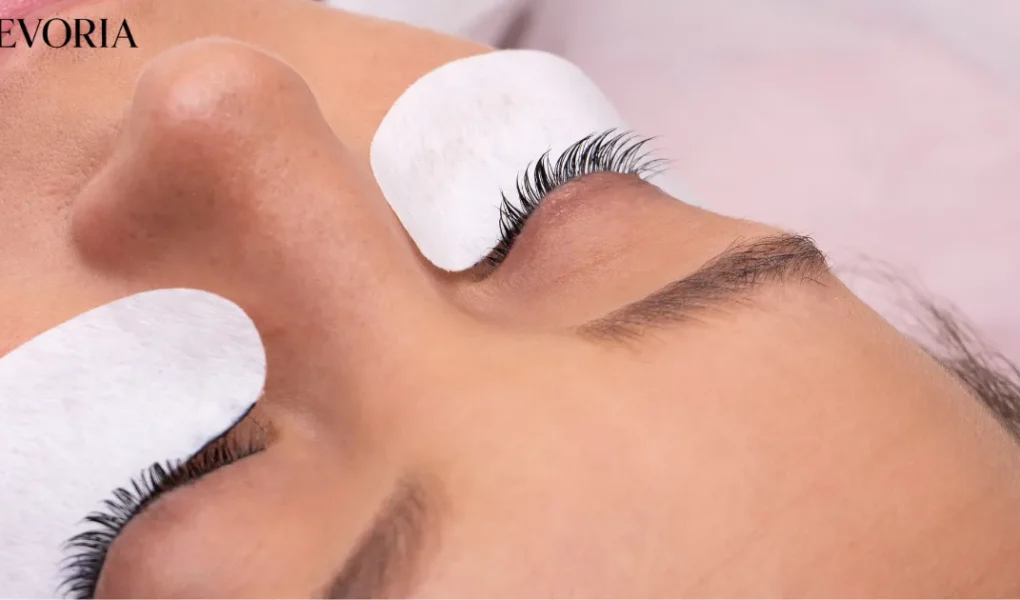
A lash lift is a semi-permanent beauty treatment that curls and lifts your natural eyelashes from the root, creating the appearance of longer, more open eyes without extensions or daily mascara. A trained esthetician applies a chemical solution to reshape the lashes around a curved silicone rod, typically taking 45 minutes to an hour. Results generally last six to eight weeks, following the natural lash growth cycle, and the treatment is often combined with a lash tint for added definition.
If you searched “lash lift,” you are most likely trying to understand what the treatment actually involves, how it compares to lash extensions, how long it lasts, or how to prepare for and care for your lashes afterward. This guide covers all of that clearly.
What is a lash lift?
A lash lift is a chemical treatment that curls your natural eyelashes upward from the base, similar to what an eyelash curler does temporarily, but with results that last for weeks instead of hours. Unlike lash extensions, which add synthetic lashes to your natural ones, a lash lift works entirely with the lashes you already have, reshaping them rather than adding length or volume.
The treatment is sometimes compared to a “perm for your eyelashes,” since it uses a similar chemical process to the one used in hair perming, applied on a much smaller and more delicate scale.
Lash lift versus lash extensions
| Factor | Lash lift | Lash extensions |
|---|---|---|
| What it does | Curls and lifts your natural lashes | Adds synthetic lashes attached to natural ones |
| Typical duration | Six to eight weeks | Two to four weeks between fills |
| Maintenance | Minimal, no daily upkeep needed | Requires regular fills as natural lashes shed |
| Appearance | Natural-looking curl and lift | Can range from natural to dramatic, depending on style chosen |
| Cost per session | Generally lower | Generally higher, with ongoing fill costs |
| Best suited for | Those wanting a natural, low-maintenance enhancement | Those wanting added length, volume, or a more dramatic look |
Some people also combine both treatments over time, choosing extensions for special occasions and lash lifts for lower-maintenance periods between them.
What happens during a lash lift appointment
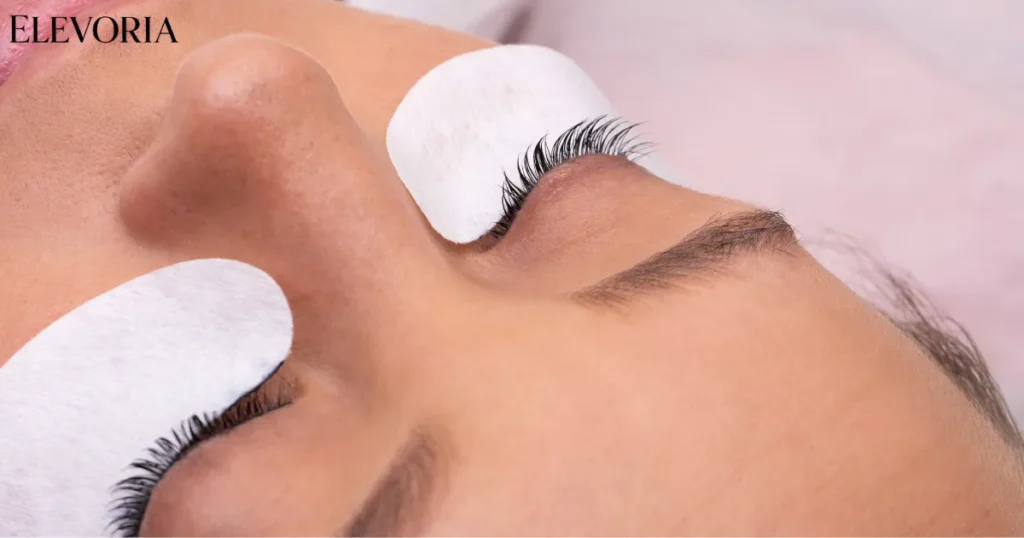
- Consultation and patch test. A patch test is often recommended at least 24 to 48 hours before your first appointment, since lash lift solutions contain chemicals that can cause allergic reactions in some people.
- Cleansing. Your esthetician will thoroughly clean your lashes and the surrounding eye area to remove makeup, oil, and debris.
- Applying the silicone rod. A curved silicone shield, sized to match your eye shape and desired curl intensity, is placed against your eyelid.
- Lifting and setting. Your natural lashes are combed up and adhered to the silicone rod using a specialized lash glue, positioning them in the curled shape.
- Applying the lifting solution. The first chemical solution softens the lash structure, allowing it to be reshaped around the curved rod.
- Applying the setting solution. A second solution sets the new curled shape into the lashes, similar to the setting step in a hair perm.
- Optional tinting. Many lash lift services include an optional tint applied after the lifting process, darkening the lashes for additional definition, particularly beneficial for those with naturally light-colored lashes.
- Removing the rod and finishing. The silicone rod is removed, and a nourishing lash serum or conditioning treatment is often applied to finish the service.
The full process typically takes 45 minutes to an hour, depending on whether tinting is included.
How long does a lash lift last?
Most lash lifts last six to eight weeks, though this varies based on individual lash growth cycles. Because the treatment reshapes your natural lashes rather than replacing them, the lift gradually grows out as your lashes go through their natural shedding and regrowth cycle, rather than falling out all at once.
Proper aftercare, particularly avoiding water, steam, and oil-based products in the first 24 to 48 hours, plays a meaningful role in how well the curl holds throughout this period.
Who is a good candidate for a lash lift?
Lash lifts work particularly well for people who:
- Have naturally straight or downward-pointing lashes that they currently curl daily
- Want a low-maintenance way to enhance their natural lashes without extensions
- Prefer a more natural look compared to the added length and volume of extensions
- Do not want the ongoing maintenance schedule required by lash extension fills
People with very short natural lashes may see a less dramatic curling effect, since a lash lift works with your existing lash length rather than adding any.
Who should avoid or be cautious about a lash lift
- Those with known allergies to lash lift solution ingredients, which is why a patch test is generally recommended before a first treatment
- Those with active eye infections, styes, or significant eye irritation, since these conditions should be resolved before undergoing any lash treatment
- Those who have had recent eye surgery, who should check with their eye doctor before scheduling a lash lift
- Pregnant individuals, particularly during the first trimester, may want to check with a healthcare provider first, since some estheticians recommend caution with certain chemical treatments during this time, though this varies by individual circumstances and provider policy
- Those with very fragile, brittle, or over-processed lashes, since the chemical process, while generally gentle, still places some stress on lash structure
Lash lift aftercare
Proper aftercare significantly affects how well your lash lift holds and how healthy your lashes look afterward.
- Avoid water, steam, and sweating on your lashes for the first 24 to 48 hours, since moisture can affect how well the new curl sets
- Avoid oil-based makeup removers, cleansers, or skincare products near the eyes, since oil can break down the lift more quickly
- Skip mascara for at least the first 24 hours, and generally reconsider whether mascara is even needed afterward, since many people find their lashes look sufficiently curled and defined without it
- Avoid rubbing or sleeping face-down on your lashes, particularly in the first day or two, since pressure can disrupt the newly set curl
- Use a lash serum or conditioning treatment if recommended by your esthetician, which can help maintain lash health between appointments
- Avoid eyelash curlers for the duration of the lift, since your lashes are already curled and further mechanical curling is unnecessary and can cause breakage
Common risks and side effects
Lash lifts are generally considered a low-risk treatment when performed by a trained, licensed esthetician using quality products, but a few risks are worth knowing:
- Allergic reaction to the chemical solution, which is why a patch test before your first treatment is a reasonable precaution
- Temporary redness or irritation, particularly for those with sensitive skin or eyes
- Lash breakage or damage, more likely if the treatment is done too frequently, left on too long, or performed with lower-quality products
- Uneven curl results, which can occur with inconsistent rod sizing or technique, making esthetician experience an important factor in outcome quality
Choosing a licensed, experienced esthetician and confirming they use reputable, quality-tested products are the most effective ways to minimize these risks.
How often should you get a lash lift?
Most people space out lash lift appointments by six to eight weeks, aligning with how long the results typically last and the natural lash growth cycle. Getting lash lifts too frequently, without adequate time between treatments, increases the risk of lash damage or breakage over time, since the chemical process places some stress on the lash structure each time it is performed.
Common mistakes people make with lash lifts
- Skipping the patch test. This is one of the most avoidable mistakes, since a patch test can catch a potential allergic reaction before it affects the more sensitive eye area during a full treatment.
- Getting lashes wet too soon after treatment. This is the most common way people accidentally reduce how long their lift lasts, since the setting solution needs time to fully hold the new curl shape.
- Using oil-based skincare or makeup remover near the eyes shortly after treatment. Oil can break down the lift more quickly than expected.
- Booking treatments too close together. Repeating the chemical process too frequently, without giving lashes adequate recovery time, increases the risk of damage or breakage.
- Choosing an inexperienced or unlicensed provider based on price alone. Technique and product quality directly affect both the safety and the evenness of the final result.
- Using an eyelash curler after getting a lash lift. This is unnecessary, since the lashes are already curled, and it increases the risk of lash breakage.
Actionable recommendations
- Schedule a patch test at least 24 to 48 hours before your first lash lift appointment.
- Avoid water, steam, and oil-based products near your eyes for at least 24 to 48 hours after treatment.
- Choose a licensed, experienced esthetician, and ask about the specific products they use if you have sensitive skin or known allergies.
- Space out appointments by six to eight weeks to avoid overprocessing your natural lashes.
- Skip mascara and eyelash curlers immediately after treatment, and consider whether you need mascara at all once you see the lifted result.
- Mention any eye conditions, recent eye surgery, or pregnancy to your esthetician before booking, so they can advise on timing or precautions specific to your situation.
Frequently asked questions
How long does a lash lift last? Most lash lifts last six to eight weeks, depending on individual lash growth cycles and how well aftercare instructions are followed.
Does a lash lift damage your natural lashes? When performed correctly with quality products and adequate time between treatments, a lash lift is generally considered low-risk for lash damage. Overprocessing, from getting treatments too frequently or from lower-quality products, increases this risk.
Is a lash lift better than lash extensions? Neither is universally “better,” since they serve different goals. A lash lift enhances your natural lashes with minimal ongoing maintenance, while extensions add length and volume but require more frequent maintenance and fills.
How soon can I get my lashes wet after a lash lift? Most estheticians recommend avoiding water, steam, and sweating on the lashes for at least 24 to 48 hours after treatment to allow the new curl to fully set.
Does a lash lift hurt? No, a lash lift is not typically painful. Some people describe mild sensitivity or an unusual sensation from the chemical solution, but it should not cause pain during the treatment.
Can I wear mascara after a lash lift? Yes, after the first 24 hours, though many people find their lashes look sufficiently curled and defined without needing mascara at all following the treatment.
How much does a lash lift typically cost? Cost varies significantly by location, salon, and whether tinting is included, so checking directly with local providers is the most reliable way to get accurate pricing for your area.
Can I get a lash lift if I have short lashes? Yes, though the visible curling effect may be less dramatic than on longer lashes, since a lash lift works with your existing lash length rather than adding any length.
The bottom line
A lash lift is a low-maintenance way to enhance your natural lashes, offering weeks of curled, lifted definition without the daily upkeep of mascara or the ongoing maintenance schedule of extensions. Choosing a licensed, experienced esthetician, doing a patch test beforehand, and following aftercare instructions closely, particularly avoiding water and oil-based products in the first 24 to 48 hours, are what most reliably separate a great result from a disappointing or uneven one.
Read More: Eyelash and Hair Extensions: A Complete Guide to Both Treatments