
Wedding Flowers: The Complete Guide to Choosing and Planning Floral Arrangements
Wedding flowers touch nearly every part of a wedding, from the bouquet in every photo to the centerpieces guests sit with all evening, yet they are also one of the most confusing parts of wedding planning to budget and organize. This guide covers how to choose wedding flowers by season, budget, and style, along with the planning details that make the biggest difference in how everything actually turns out on the day.
Why Wedding Flowers Deserve Early Planning
Wedding flowers are perishable, which makes them fundamentally different from most other wedding planning decisions. Unlike a venue or dress, which can be locked in months or even a year in advance without concern, flowers cannot be ordered or arranged until close to the wedding date itself.
This means the planning and decision-making around wedding flowers, choosing a florist, finalizing a budget, and selecting flower types, needs to happen well ahead of time, even though the flowers themselves arrive only days before the event. Waiting too long to begin this planning process is one of the most common sources of stress for couples working with florists.
Where Flowers Typically Appear at a Wedding
Understanding the full scope of where flowers are used helps with both budgeting and planning conversations with a florist.
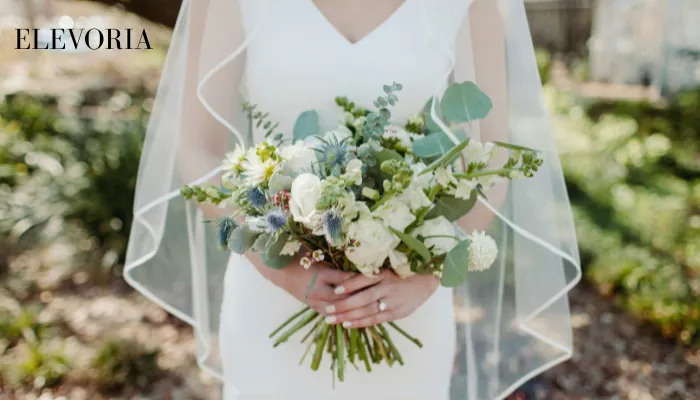
- Bridal bouquet: The flowers carried by the bride, typically the most detailed and often most expensive individual arrangement.
- Bridesmaid bouquets: Smaller, simpler versions of the bridal bouquet, coordinated in style and color.
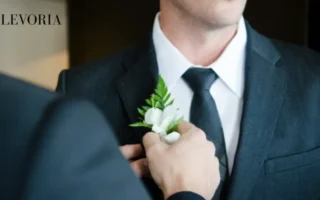
- Boutonnieres and corsages: Small arrangements worn by the groom, groomsmen, parents, and other close family members.
- Ceremony arrangements: Includes altar or arch flowers, aisle décor, and any arrangements at the ceremony entrance.
- Reception centerpieces: Table arrangements, which vary significantly in size, style, and cost depending on the number of tables.
- Additional décor: Includes items like a flower-adorned cake, welcome sign florals, or arrangements for a sweetheart table.
How to Choose Wedding Flowers by Season
Choosing flowers that are naturally in season for the wedding date generally offers better availability, more predictable pricing, and often fresher-looking arrangements compared to flowers that need to be imported or forced out of season.
| Season | Commonly Available Flowers |
|---|---|
| Spring | Peonies, tulips, ranunculus, cherry blossoms, sweet peas |
| Summer | Garden roses, dahlias, sunflowers, hydrangeas, zinnias |
| Fall | Chrysanthemums, marigolds, dahlias, amaranthus, autumn foliage |
| Winter | Amaryllis, anemones, evergreen branches, ranunculus, roses |
Some flowers, like roses and ranunculus, have longer availability windows across multiple seasons, making them a flexible choice regardless of wedding date. Choosing flowers heavily tied to a season outside the wedding date generally increases cost due to importing or greenhouse growing requirements.
Understanding Wedding Flower Costs
Wedding flower costs vary significantly based on flower type, arrangement size, number of arrangements needed, and regional pricing differences. A few consistent cost factors apply across most florists and regions.
Flower type and rarity. Common, in-season flowers generally cost less than rare or heavily imported varieties, particularly flowers like peonies or garden roses outside their natural growing season.
Arrangement size and density. Larger, denser arrangements require more individual stems and more labor time, which directly affects overall cost.
Number of arrangements needed. The total number of centerpieces, bouquets, boutonnieres, and additional décor pieces significantly affects the overall floral budget, more so than any single flower choice.
Labor and design complexity. Elaborate designs, structural installations, or heavily wired arrangements require more skilled labor time than simpler, more natural-style arrangements.
Choosing a Wedding Florist
What to Look for in a Florist
Reviewing a florist’s past work, particularly weddings similar in style, season, and scale to your own, is one of the most reliable ways to gauge whether their aesthetic matches what you are envisioning. Asking specifically about their experience with your chosen venue can also reveal useful logistical insight, since some florists have prior experience with specific locations and their access, timing, or setup requirements.
Questions to Ask a Potential Florist
- What is included in the proposed cost, and what would be considered an additional charge?
- How far in advance do you need the final flower order and design confirmed?
- What happens if a specific flower is unavailable close to the wedding date due to supply issues?
- Do you handle setup and breakdown at the venue, or is that arranged separately?
- Can you accommodate any specific allergy or sensitivity concerns among the wedding party?
Common Wedding Flower Styles
Classic and romantic. Typically features roses, peonies, and other soft, rounded blooms in coordinated color palettes, often symmetrical in arrangement.
Wildflower and garden style. Uses a looser, more natural arrangement style with varied textures and less uniformity, often incorporating greenery and less structured shapes.
Minimalist and modern. Uses fewer stems with more negative space, often focusing on a single flower type or a very limited color palette for a clean, editorial look.
Tropical and bold. Incorporates larger, more dramatic blooms and foliage, often associated with destination or warm-climate weddings.
Common Mistakes Couples Make When Planning Wedding Flowers
Choosing flowers heavily out of season without understanding the cost impact. Requesting flowers not naturally available during the wedding season, such as peonies for a fall wedding, can significantly increase cost due to importing requirements.
Underestimating how many arrangements are actually needed. Couples sometimes focus heavily on the bridal bouquet while underestimating the cumulative cost of centerpieces, boutonnieres, and ceremony décor across the full guest list and venue layout.
Booking a florist too late. Many florists book weddings months or even over a year in advance, particularly during peak wedding season, so waiting too long to secure a florist can limit both availability and flower options.
Not accounting for delivery, setup, and breakdown logistics. Assuming these services are automatically included in a florist’s quote, when they are sometimes billed separately, can lead to unexpected costs closer to the wedding.
Ignoring venue-specific flower restrictions. Some venues have specific rules about flower petals, open flames near arrangements, or what can be affixed to walls and structures, which is worth confirming early in the planning process.
Expert Insight: Why Greenery Often Stretches a Floral Budget Further Than People Expect
One detail often underestimated in wedding flower planning is how significantly greenery, rather than flowers themselves, can affect the overall visual impact of an arrangement relative to cost. Incorporating more greenery alongside a smaller number of statement flowers often creates a fuller, more lush-looking arrangement at a lower cost than an arrangement composed almost entirely of flower stems.
This approach also tends to photograph well, since greenery adds texture and depth to arrangements without the higher per-stem cost associated with many flower varieties, making it a practical strategy for couples working within a defined floral budget.
Flower Allergies and Practical Considerations
Some flowers, particularly heavily fragrant varieties like lilies, can cause discomfort for guests or wedding party members with allergies or sensitivities. Discussing any known allergy concerns with the florist in advance allows for adjustments, such as substituting a lower-fragrance alternative, without compromising the overall aesthetic significantly.
Certain flowers can also stain fabric if crushed against clothing during the ceremony or photos, which is worth mentioning to a florist, particularly for close-contact arrangements like boutonnieres and bridal bouquets that will be held or worn throughout the day.
Actionable Recommendations
- Book a florist as early as possible, particularly for weddings during peak wedding season, when availability fills up months in advance.
- Choose flowers naturally in season for the wedding date to help manage cost and improve availability.
- Ask your florist directly what is included in the quoted price versus what would be considered an additional charge.
- Incorporate greenery alongside statement flowers to create a fuller look without significantly increasing cost.
- Confirm any venue-specific restrictions on flowers, open flames, or wall attachments early in the planning process.
- Communicate any known allergies or fragrance sensitivities among the wedding party to the florist in advance.
Conclusion
Wedding flowers involve more planning complexity than their appearance on the day might suggest, largely because of their perishable nature and the sheer number of individual arrangements typically needed across a wedding. Understanding seasonal availability, realistic cost factors, and the right questions to ask a potential florist all contribute to a smoother planning process and a final result that matches the couple’s vision without unexpected costs or last-minute surprises. With enough lead time and a clear understanding of these planning details, wedding flowers can be one of the more manageable, rather than stressful, parts of the overall wedding planning process.
FAQ
How far in advance should I book a wedding florist?
Many florists recommend booking six months to a year in advance, particularly for weddings during peak wedding season, when availability becomes limited well ahead of time.
What flowers are in season for my wedding date?
Availability varies by season and region, but general seasonal patterns include peonies and tulips in spring, garden roses and dahlias in summer, chrysanthemums and marigolds in fall, and amaryllis and evergreen branches in winter.
How much do wedding flowers typically cost?
Costs vary significantly based on flower type, arrangement size, number of arrangements needed, and regional pricing, with common, in-season flowers generally costing less than rare or out-of-season varieties.
What is included in a typical wedding florist quote?
This varies by florist, so confirming directly what is included, such as delivery, setup, and breakdown, versus what may be billed separately is an important early question to ask.
Can wedding flowers be arranged if a guest has allergies?
Yes, discussing known allergy or fragrance sensitivities with the florist in advance allows for adjustments, such as substituting lower-fragrance flower varieties.
What is the difference between classic and wildflower wedding flower styles?
Classic style typically uses structured, symmetrical arrangements of rounded blooms like roses and peonies, while wildflower style uses a looser, more natural arrangement with varied textures and less uniformity.
How can I reduce my wedding flower budget without sacrificing visual impact?
Incorporating more greenery alongside a smaller number of statement flowers, and choosing in-season flowers, are both practical ways to manage cost while maintaining a full, lush look.
Do I need flowers for anyone besides the bride and bridesmaids?
Many weddings include boutonnieres for the groom, groomsmen, and close family members, along with corsages for mothers or grandmothers, in addition to bridal and bridesmaid bouquets.
[…] Read More: Wedding Flowers: Complete Planning and Budget Guide […]