
White Wedding Clothes: A Complete Guide to Who Can Wear White and When
White wedding clothes bring up more etiquette questions than almost any other wedding topic, largely because the rules around who can wear white, and when, are not always as strict or universal as people assume. This guide covers the actual etiquette behind white at weddings, from the bride’s dress to guest attire, and clears up the most common confusion around this topic.
Why White Is So Closely Associated With Weddings
White has been closely associated with bridal wear in much of Western culture since the 19th century, when it became strongly popularized as a symbol of purity and celebration for brides specifically. Before this period, brides commonly wore their best dress in any color, and white was not the default or expected choice.
Over time, this association became so strong that white evolved into an unspoken rule specifically reserved for the bride at most Western-style weddings, which is the root of most modern etiquette questions about who else can or cannot wear white to a wedding.
The Bride and White: What to Know
Traditional White Wedding Dresses
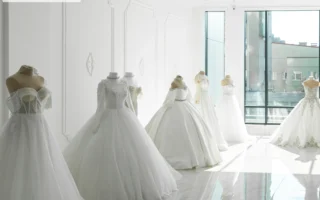
A traditional white wedding gown remains the most common choice for brides at Western-style weddings, available in various shades often labeled as white, ivory, or diamond white, each with slightly different undertones.
Why Some Brides Choose Non-White Dresses
Not all brides choose white, and there is no legal or universal requirement to do so. Some choose colored dresses to reflect personal style, cultural traditions, or simply a preference for a different aesthetic, particularly for non-traditional ceremonies like courthouse weddings or destination elopements.
Cultural Variations in Bridal White
White is not universally the bridal color across all cultures. In several East Asian cultures, for example, white has traditionally been associated with mourning rather than celebration, and red or other bold colors are more traditionally worn by brides in some of these cultural contexts instead.
Can Wedding Guests Wear White
This is one of the most commonly searched wedding etiquette questions, and the general answer remains consistent across most traditional Western wedding etiquette: guests should avoid wearing white, or shades very close to white, out of respect for the bride’s traditional role as the only person expected to wear that color.
| Guest Consideration | General Guidance |
|---|---|
| Solid white outfit | Generally avoided |
| Off-white or ivory | Generally avoided, too close to bridal white |
| White with a bold pattern or print | Often considered acceptable, since it does not read as bridal white |
| White accessories only (shoes, bag) | Generally considered acceptable in most settings |
| All-white attire specifically requested by the couple | Follow the couple’s stated dress code |
Some modern weddings do specify an all-white dress code for guests as a stylistic choice, which changes this general guidance entirely. Checking the invitation or wedding website for any specific dress code instructions is always the most reliable way to know what is expected.

Can the Groom or Groomsmen Wear White
White is generally more accepted for grooms and groomsmen than for guests, since it does not carry the same traditional association reserved specifically for the bride. A white dinner jacket, for example, is a recognized and accepted formalwear option for grooms at certain formal or destination weddings.
That said, coordinating with the overall wedding party’s dress code and the couple’s preferences remains more relevant than a strict rule prohibiting white for men specifically.
Can the Mother of the Bride or Groom Wear White
This is generally discouraged under the same traditional etiquette that applies to guests, since white remains closely associated with the bride specifically. Most etiquette guidance suggests parents of the couple choose a color other than white or off-white, out of the same general respect for the bride’s traditional exclusivity to that color.
Common Misconceptions About White at Weddings
That the rule against wearing white is a strict, universal law. In reality, this is a social and cultural etiquette norm rather than any kind of formal or legal rule, and its strength varies depending on region, culture, and the specific couple’s own preferences.
That any shade close to white is automatically off-limits. While ivory and cream are generally still discouraged, colors that only loosely resemble white, like a very pale pastel, are viewed differently by different people, making it worth erring on the side of caution if uncertain.
That the rule applies equally across all cultures. As mentioned, white carries different symbolic meaning in different cultural wedding traditions, meaning the strict avoidance guidance rooted in Western tradition does not universally apply everywhere.
That white accessories count the same as a full white outfit. Most modern etiquette treats white shoes, bags, or minor accessories differently from a full white outfit, generally considering accessories a lower-risk choice.
What to Do If You Are Unsure About Wearing White to a Wedding
- Check the invitation and wedding website first. Many modern weddings specify a dress code directly, which should always take priority over general etiquette assumptions.
- Consider the cultural and religious context of the wedding. Traditions around bridal color vary significantly, and what applies to a Western-style wedding may not apply to a wedding rooted in a different cultural tradition.
- When in doubt, choose a different color. If there is no specific guidance available and any uncertainty remains, choosing a color other than white removes the risk entirely.
- Ask someone close to the couple if truly unsure. A friend, family member, or wedding party member can often clarify expectations more specifically than general etiquette guidance can.
Common Mistakes People Make Regarding White Wedding Attire
Assuming any pastel or cream color is automatically safe. Some very pale colors can photograph as white or near-white, particularly in certain lighting, which is worth considering even if the color is not technically pure white.
Not checking for a specific all-white dress code. Some modern weddings intentionally request all-white attire from guests as a stylistic theme, and showing up in a completely different color in this specific case would also be a mismatch with the couple’s stated wishes.
Applying Western etiquette rules universally. Assuming the general Western guidance against guest white applies at every wedding, regardless of cultural background, can lead to a misunderstanding of what is actually expected at a specific ceremony.
Overthinking minor white accessories. White shoes or a small white clutch are generally treated differently from full white outfits in most modern etiquette guidance, so this level of caution is often unnecessary.
Expert Insight: Why This Etiquette Norm Persists Despite Being Informal
Despite having no formal or legal basis, the guidance against wearing white to a wedding as a guest has remained remarkably persistent and widely recognized, likely because it serves a clear, easily understood social function: preserving a visual distinction that allows the bride to stand out in a room, and particularly in photographs, without visual competition. This practical function, more than tradition alone, likely explains why the etiquette norm has remained so consistently observed even as many other wedding traditions have relaxed or evolved significantly in recent decades.
Understanding this underlying reasoning, rather than treating the guidance as an arbitrary rule, can help guests make sensible judgment calls in situations that fall into a genuine gray area, such as a pale, muted pastel that is not technically white but could still visually read as close to it in certain settings or lighting.
Actionable Recommendations
- Check the wedding invitation or website for any specific dress code before assuming general etiquette applies.
- As a guest, avoid solid white or off-white outfits unless the couple has specifically requested an all-white dress code.
- Consider the cultural context of the specific wedding, since bridal color traditions vary significantly around the world.
- When genuinely uncertain, choose a different color rather than risk an unintentional etiquette misstep.
- Treat white accessories differently from a full white outfit, since most modern etiquette considers this a lower-risk choice.
Conclusion
White wedding clothes etiquette, while rooted in a real and widely recognized tradition, is ultimately a social norm rather than a strict rule, and understanding the reasoning behind it helps navigate genuine gray areas more confidently. The bride remains the traditional exception for wearing white at most Western-style weddings, while guests, parents, and other attendees are generally expected to choose a different color out of respect for this tradition, unless the couple has specifically requested otherwise. With a quick check of the invitation and a reasonable understanding of the cultural context, most white wedding attire questions have a fairly clear answer.
FAQ
Can wedding guests wear white?
Generally no, unless the couple has specifically requested an all-white dress code. This is a long-standing etiquette norm meant to preserve the bride’s traditional exclusivity to the color, rather than a formal rule.
Is it okay to wear white to a wedding if it has a pattern?
Often yes, since a patterned white outfit does not read the same as a solid white or bridal-style look, though checking the couple’s specific dress code remains the safest approach.
Can the mother of the bride or groom wear white?
This is generally discouraged under the same traditional etiquette that applies to guests, since white remains closely associated specifically with the bride.
Why is white considered the bride’s color?
White became strongly associated with Western bridal wear in the 19th century, evolving into a symbol specifically reserved for the bride, distinct from the wide range of colors brides wore before this period.
Do all cultures follow the same white wedding etiquette?
No, bridal color traditions vary significantly around the world, and white does not carry the same symbolic meaning in every cultural wedding tradition.
Can grooms wear white to their own wedding?
Yes, white is more broadly accepted for grooms and groomsmen than for guests, including formalwear options like a white dinner jacket for certain formal or destination weddings.
Is it rude to wear ivory or cream to a wedding as a guest?
Generally yes, since these shades are close enough to bridal white that most etiquette guidance recommends avoiding them in the same way as solid white.
What should I do if I am unsure whether white is appropriate for a specific wedding?
Check the invitation or wedding website for a specific dress code, consider the cultural context of the wedding, and choose a different color if genuine uncertainty remains.
Read More: Bridal Gown Alterations: Complete Guide and Timeline

[…] Read More: White Wedding Clothes: Who Can Wear White Guide […]