
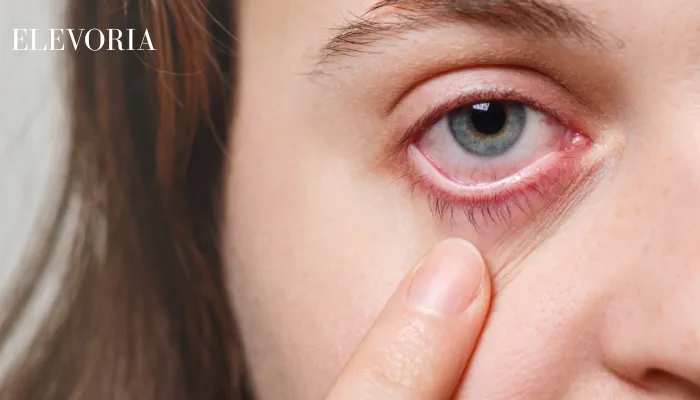
Allergy Eyes: Causes, Symptoms, and How to Find Relief
Red, itchy, watery eyes are among the most irritating symptoms of allergies. They can make it difficult to concentrate, drive, or simply feel comfortable in your own skin. For millions of people, allergy eyes are a seasonal nuisance. For others, they are a year-round challenge triggered by dust, pets, or mould.
Allergy eyes, medically known as allergic conjunctivitis, occur when the immune system overreacts to harmless substances like pollen or pet dander. The result is inflammation of the conjunctiva, the clear membrane that covers the white of the eye and lines the inside of the eyelids. Understanding what causes allergy eyes and how to manage them can make a meaningful difference in your daily comfort.
This guide explains the symptoms, causes, and treatment options for allergy eyes, along with practical home remedies and guidance on when to seek professional care. It is written for anyone who wants clear, evidence-informed information without medical jargon.
What Are Allergy Eyes?
Allergy eyes, or allergic conjunctivitis, is inflammation of the conjunctiva caused by an allergic reaction. The conjunctiva is a clear layer of tissue lining the eyelids and covering the white of the eye. When it becomes swollen or inflamed due to a reaction to pollen, dust mites, pet dander, or mould, the eyes can become red, itchy, and teary very quickly.
Allergic conjunctivitis is not contagious. It is an immune response, not an infection. The symptoms can be seasonal, appearing during pollen seasons in spring and summer, or perennial, occurring year-round due to indoor allergens like dust mites or pet dander.
Symptoms of Allergy Eyes
The symptoms of allergy eyes are typically distinctive and can often be distinguished from other eye conditions by their intensity and pattern. According to the NHS, allergic conjunctivitis usually affects both eyes and may include red, itchy and watery eyes, a sore or gritty feeling, swollen eyelids, and blurred vision due to excessive watering.
Cleveland Clinic notes that itching is moderate to severe in allergies, whereas it is mild in infectious conjunctivitis. The discharge from allergy eyes is typically clear and watery, sometimes described as “rope-like,” whereas infectious conjunctivitis may produce thicker discharge.
The table below summarises the common symptoms of allergy eyes.
| Symptom | Description |
|---|---|
| Itching | Moderate to severe; the hallmark symptom of allergy eyes |
| Redness | Blood vessels in the conjunctiva become swollen and visible |
| Watery discharge | Clear, watery tears; sometimes stringy or rope-like |
| Swollen eyelids | Puffiness, often most noticeable in the morning |
| Gritty feeling | A sensation of sand or debris in the eye |
| Burning | A burning or stinging sensation |
Symptoms may be accompanied by other allergy symptoms such as sneezing, a runny nose, or nasal congestion. The Mayo Clinic notes that hay fever, also called allergic rhinitis, causes cold-like symptoms including itchy eyes alongside nasal congestion and sneezing.
What Causes Allergy Eyes?
Allergy eyes are caused by an immune reaction to allergens. When the eyes are exposed to allergens, the body releases histamine, which causes blood vessels in the conjunctiva to swell and produce the symptoms of redness, itching, and tearing.
Common allergens that trigger eye allergies include:
- Pollen from grasses, trees, and weeds
- Dust mites
- Pet dander
- Mould spores
- Cosmetics and contact lens solutions
- Household chemicals
Seasonal allergic conjunctivitis is typically caused by pollen and is more common in spring and summer. Perennial allergic conjunctivitis is caused by indoor allergens like dust mites, pet dander, and mould, and can cause symptoms year-round.
Allergies tend to run in families. If you have a personal or family history of allergies, asthma, or eczema, you may be more likely to develop allergic conjunctivitis.
How to Treat Allergy Eyes
Treatment for allergy eyes focuses on reducing exposure to allergens, relieving symptoms, and controlling the immune response. Options range from home remedies and over-the-counter products to prescription medications.
Over-the-Counter Treatments
Several over-the-counter options can help manage allergy eye symptoms. The Florida Health Finder recommends using lubricating eye drops, applying cool compresses, and taking over-the-counter oral antihistamines or antihistamine eye drops.
Lubricating eye drops (artificial tears). These help flush out allergens and soothe irritated eyes. Preservative-free formulations are often recommended for frequent use.
Antihistamine eye drops. These block histamine and address itching, redness, and watering. They are among the most effective treatments for allergic conjunctivitis.
Oral antihistamines. Tablets such as cetirizine or loratadine can help control general allergy symptoms, including eye symptoms, though they may cause dryness.
Decongestant eye drops. These shrink blood vessels to reduce redness, but they should not be used for more than five days, as rebound congestion can occur.
Prescription Treatments
If over-the-counter options are not sufficient, a doctor may prescribe stronger medications.
Mast cell stabilisers. These eye drops prevent the release of histamine from mast cells and are particularly effective when used before allergen exposure. The NHS notes they may take up to two weeks to work and are often needed daily during pollen seasons.
Steroid eye drops. These are used for more severe cases and must be prescribed and monitored by an eye specialist. The NHS advises that steroid eye drops may be needed if symptoms remain severe.
Ciclosporin eye drops. For ongoing or difficult-to-control symptoms, specialist eye drops containing ciclosporin may be recommended. These reduce inflammation on the surface of the eye and are prescribed and monitored by an eye specialist.
The Merck Manual notes that treatment for allergic conjunctivitis includes topical antihistamines, non-steroidal anti-inflammatory drugs, mast cell stabilisers, or a combination of these. Topical corticosteroids or cyclosporine may be used for resistant cases.
Home Remedies for Allergy Eyes
Several home remedies can provide relief from allergy eye symptoms and reduce exposure to allergens.
Cold compresses. Placing a damp, cold washcloth over closed eyes can help relieve discomfort by reducing blood flow and swelling. The NHS recommends cold compresses to reduce eyelid swelling and discomfort.
Shower before bed. Your eyelids, eyelashes, eyebrows, and hair collect pollen throughout the day. Taking a shower before bed helps prevent tracking pollen to your bedding and gives your eyes a break.
Change bedding frequently. Washing bedding in hot water once a week can reduce exposure to dust mites, pollen, mould, and pet dander.
Keep windows closed. Closing windows at home and in the car, especially during high pollen counts, reduces exposure to airborne allergens.
Use an air purifier. Air purifiers can reduce indoor allergens and improve overall air quality.
Wear sunglasses. Sunglasses can help shield your eyes from airborne pollen and reduce exposure.
Avoid rubbing your eyes. Rubbing your eyes can transfer more pollen and bacteria, worsen symptoms, and potentially scratch the cornea. The NHS specifically advises avoiding rubbing your eyes since it makes symptoms worse.
Expert Insights: What Health Authorities Emphasise
Across published guidance from major health authorities, several consistent points emerge about allergy eyes.
Avoidance is the first line of defence. The Florida Health Finder states that the best treatment is to avoid what causes your allergy symptoms as much as possible. Common triggers to avoid include dust, mould, and pollen.
Start treatment early. The Cleveland Clinic notes that you can help stave off many symptoms by starting your allergy medication early, or even before allergy season hits. Allergy eye drops work best when used consistently and at the start of every day.
Distinguish allergy eyes from infection. Cleveland Clinic emphasises that pink eye tends to start in one eye before spreading to the other, while allergies usually affect both eyes at the same time. Allergic conjunctivitis is paired with marked itching and watery discharge, whereas infectious conjunctivitis has discomfort, chronic discharge, and less itching.
Seek professional care if symptoms persist. The Florida Health Finder advises contacting a provider if symptoms do not respond to self-care and over-the-counter treatment, if vision is affected, if eye pain is severe or worsening, or if the eyelids or skin around the eyes becomes swollen or red.
Do not use decongestant drops long-term. Cleveland Clinic warns against using drops that contain only naphazoline or oxymetazoline for longer than five days, as these drops can cause a form of eye-drop addiction.
Common Mistakes People Make with Allergy Eyes
Rubbing the eyes. This is the most common mistake. Rubbing worsens symptoms, can transfer more allergens and bacteria to the eyes, and may scratch the cornea. Use a cold compress instead.
Using the wrong eye drops. Decongestant eye drops reduce redness but do not treat the underlying allergy. They should not be used for more than five days. Allergy eye drops that block histamine are more appropriate for ongoing relief.
Not removing contact lenses. The NHS advises not wearing contact lenses until symptoms have fully settled. Contact lenses can trap allergens and worsen irritation.
Ignoring persistent symptoms. If symptoms do not improve with home care and over-the-counter treatment, or if vision changes, seek professional care. Persistent allergic conjunctivitis can, in rare cases, affect vision.
Not addressing indoor allergens. If symptoms are year-round, indoor allergens like dust mites, pet dander, or mould may be the cause. Reducing exposure through frequent bedding changes, air purifiers, and keeping windows closed can help.
Actionable Recommendations
If you are dealing with allergy eyes, these steps can help you find relief and reduce the frequency of symptoms.
- Identify your triggers. Pay attention to when symptoms occur. Seasonal patterns suggest pollen allergies, while year-round symptoms suggest indoor allergens like dust mites or pets.
- Reduce exposure to allergens. Keep windows closed during high pollen counts, use an air purifier, wash bedding weekly in hot water, and shower before bed to remove pollen from your hair and skin.
- Use allergy eye drops consistently. Antihistamine eye drops work best when used daily at the start of your day, especially during allergy season.
- Try cold compresses for immediate relief. A damp, cold washcloth over closed eyes can reduce swelling, redness, and itching.
- Avoid rubbing your eyes. This worsens symptoms and can cause further irritation. Use cool compresses or artificial tears instead.
- Remove contact lenses. Do not wear contact lenses until symptoms have fully settled.
- Patch test any new eye product. If you use eye drops or eye makeup, be mindful of new products. Discontinue use if irritation occurs and consult a pharmacist or doctor if unsure.
- Consult a professional for persistent or worsening symptoms. If symptoms do not respond to self-care, if vision is affected, or if you experience severe pain, swelling, or light sensitivity, seek care from a healthcare provider.
- See a licensed provider for severe or worsening symptoms. If you have persistent blurred vision, significant eye pain, sensitivity to light, or symptoms in only one eye that worsen quickly, seek urgent medical advice.
- Check with a doctor if you are pregnant, nursing, or have a diagnosed condition. Speak with a healthcare provider before starting any new medication or treatment.
Conclusion
Allergy eyes, or allergic conjunctivitis, are a common and uncomfortable condition caused by an immune reaction to allergens like pollen, dust mites, and pet dander. Symptoms include itching, redness, watery discharge, and swollen eyelids, and they typically affect both eyes.
Treatment focuses on avoiding allergens, using lubricating and antihistamine eye drops, and applying cold compresses for relief. Prescription medications are available for more severe cases. Most people find relief with consistent home care and over-the-counter treatments. If symptoms persist, worsen, or affect vision, consult a healthcare professional. With the right approach, allergy eyes can be managed effectively, allowing you to focus on your day rather than your discomfort.
Disclaimer
This article is general educational content that synthesises publicly available medical and health information. It is not personalised medical advice and is not a substitute for consultation with a qualified healthcare provider. Reactions and results vary by individual. Patch testing is recommended before introducing any new topical product. If you are pregnant, nursing, or have a diagnosed health condition, consult a doctor before starting a new treatment. If you have persistent, severe, or worsening symptoms, seek care from a licensed provider.
FAQ
What are allergy eyes?
Allergy eyes, or allergic conjunctivitis, is inflammation of the conjunctiva caused by an allergic reaction to substances like pollen, dust mites, or pet dander. It causes red, itchy, watery eyes and is not contagious.
How do I know if I have allergy eyes or pink eye?
Allergy eyes usually affect both eyes at the same time and cause moderate to severe itching with clear, watery discharge. Pink eye (infectious conjunctivitis) often starts in one eye and spreads to the other, with less itching and thicker discharge.
What is the fastest way to get rid of allergy eyes?
The fastest relief comes from avoiding the allergen, using antihistamine eye drops, and applying cold compresses. Oral antihistamines can also help. For persistent symptoms, prescription eye drops may be needed.
Can I wear contact lenses with allergy eyes?
No. The NHS advises not wearing contact lenses until symptoms have fully settled. Contact lenses can trap allergens and worsen irritation.
Are allergy eyes contagious?
No. Allergic conjunctivitis is an immune response, not an infection. It cannot be spread to other people.
What eye drops are best for allergy eyes?
Antihistamine eye drops that block histamine are the most effective over-the-counter option for allergy eyes. Lubricating eye drops (artificial tears) can help flush out allergens. Decongestant eye drops should not be used for more than five days.
How long do allergy eyes last?
Symptoms can last for weeks or months depending on the allergen and the season. Seasonal allergies typically improve when the pollen season ends, while perennial allergies can cause year-round symptoms.
When should I see a doctor for allergy eyes?
See a doctor if symptoms do not respond to self-care and over-the-counter treatment, if your vision is affected, if you have severe eye pain, or if your eyelids or the skin around your eyes becomes swollen or red.
Can allergy eyes affect my vision?
In most cases, allergy eyes do not affect vision. However, in severe cases, there can be more severe inflammation that can, rarely, affect vision. If you experience persistent blurred vision, seek medical advice.
What home remedies help with allergy eyes?
Cold compresses, showering before bed, washing bedding frequently in hot water, keeping windows closed, using an air purifier, and wearing sunglasses can all help reduce symptoms and exposure to allergens.



[…] Read More: Allergy Eyes: Causes, Symptoms & Relief Guide […]