
Best Moisturizer: How to Choose the Right One for Your Skin
Walk into any drugstore or beauty retailer, and you will find shelves lined with moisturizers in every texture, price point, and formulation imaginable. Creams, lotions, gels, and ointments all promise hydration, but how do you know which one is actually right for you?
The short answer is that there is no single “best” moisturizer for everyone. As board-certified dermatologist Rebecca Kazin, MD, FAAD, explains, “There’s definitely not a one-size-fits-all for all skin types”. The right moisturizer for you depends on your skin type, the severity of any dryness you are experiencing, and your personal preferences.
This guide covers everything you need to know about choosing the best moisturizer for your skin. You will learn how moisturizers work, which ingredients to look for, how to match a product to your skin type, and common mistakes to avoid.
What Does a Moisturizer Do?
Moisturizers work by putting moisture into the skin and preventing water from leaving it. They are not just for dry skin,| every skin type can benefit from a well-chosen moisturizer.
A good moisturizer serves several functions:
- Hydrates the skin by attracting and retaining water
- Strengthens the skin barrier to lock in moisture and keep irritants out
- Smooths and softens the skin’s surface, reducing the appearance of fine lines
- Protects against environmental stressors like pollution and wind
When your skin’s barrier is compromised, by cold weather, harsh soaps, or over-exfoliating, moisture escapes and your skin becomes dry, flaky, or irritated. A moisturizer helps restore that barrier and maintain healthy skin function.
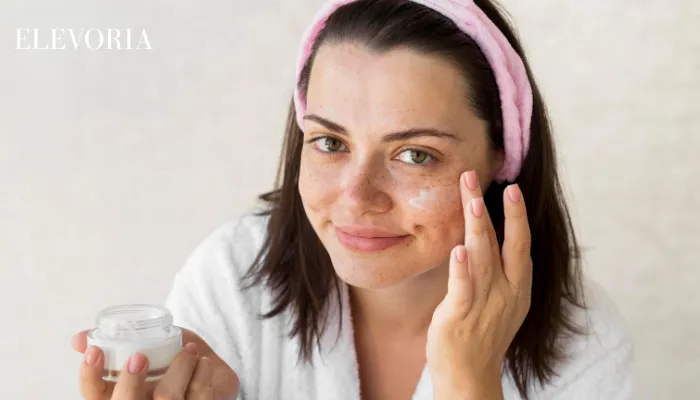
Key Ingredients to Look For
The most effective moisturizers contain a combination of three types of ingredients: humectants, occlusives, and emollients. Each plays a different role in keeping your skin hydrated and healthy.
Humectants: Attract Water to the Skin
Humectants draw moisture from the air into the outer layer of your skin. They are especially effective when applied to damp skin.
- Hyaluronic acid is a powerful humectant that can hold many times its weight in water. It is commonly recommended for dry skin and helps retain the skin’s natural moisture. Many dermatologist-recommended moisturizers feature hyaluronic acid, including Neutrogena Hydro Boost, which board-certified dermatologist Dr. Jessie Cheung describes as “pure hydration”.
- Glycerin is another highly effective humectant that draws moisture into the skin.
- Lactic acid and urea also act as humectants while providing gentle exfoliation.
Occlusives: Seal Moisture In
Occlusives create a physical barrier on top of the skin that traps water and prevents evaporation. They are the most effective ingredients for very dry or cracked skin.
- Petrolatum (petroleum jelly) is considered one of the most effective occlusives.
- Mineral oil and dimethicone are also effective occlusives.
- Shea butter and jojoba oil provide occlusive benefits while also softening the skin.
Emollients: Smooth and Soften
Emollients fill in the gaps between skin cells, making the skin feel smooth and soft.
- Ceramides are lipids that occur naturally in the skin and are essential for a healthy skin barrier. They help restore the skin’s natural moisture barrier and are frequently recommended for dry skin. CeraVe products, for example, feature three essential ceramides.
- Oils like jojoba oil and squalane act as emollients.
- Lanolin and cholesterol also help restore the skin barrier.
What to Look For on Product Labels
Dermatologists consistently advise avoiding moisturizers with fragrances and botanicals, especially if you have sensitive skin. Fragrances are common allergens that can leave skin feeling irritated and dry. Even products labeled “unscented” may contain masking fragrances that can still irritate. Look for “fragrance-free” instead.
If you have acne-prone skin, look for cleansers and moisturizers that say “oil-free” or “non-comedogenic,” as these won’t clog your pores.
Understanding Moisturizer Textures: Lotion, Cream, Gel, and Ointment
Moisturizers come in different textures, and the right one for you depends on how dry your skin is and your personal preferences. According to the American Academy of Dermatology (AAD), here is how they differ:
- A gel is often water-based and tends to feel lighter on the skin than a lotion.
- A lotion is thicker than a gel but still relatively lightweight.
- A cream is thicker and has higher oil content than a lotion and gel, making it more hydrating.
- An ointment is the thickest of all, making it the most effective in remedying dry skin.
Emollients in these moisturizers keep your skin soft and smooth.
As a general rule, if your skin tends to be dry, dermatologists suggest skipping the lotion and going for something thicker and more effective. Board-certified dermatologist Jason A. Clark, MD, FAAD, says, “Creams are going to add more” hydration than lotions.
Choosing the Best Moisturizer by Skin Type
Choosing the right moisturizer for you depends on your skin type and the severity of dryness you are experiencing. Here is a guide based on recommendations from board-certified dermatologists.
Best Moisturizer for Dry Skin
If your skin tends to be dry, you need a richer, more emollient formula. Look for creams or ointments that contain humectants like hyaluronic acid and glycerin, along with occlusives and barrier-restoring ingredients like ceramides.
Dermatologist Dr. Clark says to skip the lotion and go for something thicker and more effective. Dr. Kazin notes that perimenopausal people and everyone 50 and older should be using a cream-based moisturizer, as skin holds less moisture with age.
Products commonly recommended by dermatologists for dry skin include CeraVe Moisturizing Cream, which is formulated with three essential ceramides and hyaluronic acid, and Cetaphil Daily Facial Moisturizer.
Best Moisturizer for Oily Skin
Oily skin still needs hydration, but it requires a lightweight, oil-free formula that won’t clog pores. Gel-based or water-based moisturizers are often the best choice.
Board-certified dermatologist Dr. David Li notes that gel moisturizers are ideal for those with oily skin because they are “surprisingly hydrating for a gel” and are oil-free and noncomedogenic. The Neutrogena Hydro Boost Water Gel is a common recommendation because it “is smooth and dries to a matte finish”. Dr. Kseniya Kobets, MD, recommends a mattifying moisturizer like La Roche-Posay’s Double Repair Matte for acne-prone skin.
For those with oily skin, Dr. Wu suggests that you may only need to moisturize at night, rather than twice daily.
Best Moisturizer for Sensitive Skin
Sensitive skin requires the gentlest approach. Choose fragrance-free, hypoallergenic products with soothing ingredients. Look for products with ceramides to support the skin barrier and avoid common irritants.
Dermatologists frequently recommend CeraVe, Vanicream, and La Roche-Posay for sensitive skin. According to the AAD, if you have sensitive skin, you want to see the words “sensitive skin” on the label. Vanicream Daily Facial Moisturizer, for example, is formulated with five key ceramides, hyaluronic acid, and glycerin, and is fragrance-free and non-comedogenic.
La Roche-Posay Toleriane Double Repair Face Moisturizer is also commonly recommended for sensitive skin, and 9 out of 10 dermatologists would recommend La Roche-Posay for sensitive skin.
Best Moisturizer for Combination Skin
Combination skin needs balance, hydration without heaviness, and oil control without stripping. Look for lightweight lotions or gel-creams that provide hydration without clogging pores.
Dr. Jessie Cheung recommends Neutrogena Hydro Boost Gel Cream for combination skin, describing it as “pure hydration” with a weightless gel texture that absorbs instantly without residue. This versatile moisturizer is formulated with hyaluronic acid and glycerin.
Best Moisturizer for Normal Skin
If you have normal skin and are only experiencing seasonal dryness, Dr. Clark says lotion is sufficient for most younger people. With age, however, the skin holds less moisture and needs more assistance, so a cream-based moisturizer may become more appropriate.
Best Moisturizer by Product Category
Best Overall Face Moisturizer
Dermatologists frequently recommend CeraVe, Neutrogena, and La Roche-Posay as top choices. Dr. Jessica Wu, a Beverly Hills dermatologist, names “Vanicream, CeraVe, Neutrogena HydroBoost, [and] SkinMedical HA5” as some of the most popular dermatologist-recommended moisturizers.
Best Drugstore Moisturizer
Many dermatologist-recommended moisturizers are available at drugstore prices. Cetaphil, CeraVe, and Neutrogena are frequently recommended by dermatologists and are widely accessible. The AAD notes that “trial and error” sampling of different types may help identify the best moisturizer for you.
Best Moisturizer with SPF
If you are going outdoors, consider a moisturizer that contains a broad-spectrum sunscreen with an SPF of at least 30. The AAD recommends using a moisturizer with sunscreen as long as the product offers broad-spectrum coverage and SPF 30 or higher.
Best Budget Moisturizer
Petroleum jelly is an inexpensive product that can have several uses, including moisturizing dry skin. For a more traditional moisturizer, brands like CeraVe, Cetaphil, and Neutrogena offer effective options at accessible price points.
How to Apply Moisturizer for Best Results
Even the best moisturizer won’t work effectively if you apply it incorrectly. Here are dermatologist-backed tips.
Apply to Damp Skin
The single best time to apply moisturizer is right after a shower or bath, while your skin is still damp. Moisturizer traps water in your skin, helping it look brighter and younger.
Use the Right Amount
For very dry skin, you may need to apply a generous amount. Dermatologists recommend moisturizing at least twice daily if your skin is dry. Dr. Wu notes, “If your skin is dry, it’s best to moisturize twice a day”, in the morning under sunscreen and again in the evening.
Don’t Forget Sunscreen
If you are going outdoors, use a moisturizer that contains a broad-spectrum sunscreen with an SPF of at least 30, or apply sunscreen after your moisturizer.
Common Moisturizer Mistakes to Avoid
Choosing Fragranced Products
Fragrances are a common cause of irritation and allergic reactions, especially for sensitive skin. Stick with fragrance-free products.
Using Lotion When You Need Cream
Lotions contain more water and can sometimes be less effective for very dry skin. If your skin is dry, choose a cream or ointment instead.
Skipping Moisturizer After Washing
Washing strips natural oils from your skin. Always apply moisturizer immediately after washing to replenish them.
Not Reapplying
Moisturizers only last for a few hours. If your skin feels dry later in the day, reapply.
Using the Wrong Product for Your Skin Type
A moisturizer that works for someone else may not work for you. Choose a product formulated for your specific skin type.
Frequently Asked Questions
What is the best moisturizer for my skin type?
The best moisturizer depends on your skin type. For dry skin, choose a cream or ointment with ceramides and hyaluronic acid. For oily skin, choose a lightweight, oil-free gel. For sensitive skin, choose a fragrance-free, hypoallergenic formula.
What ingredients should I look for in a moisturizer?
Look for humectants (hyaluronic acid, glycerin), occlusives (petrolatum, dimethicone), and emollients (ceramides, squalane). Avoid fragrances and botanicals if you have sensitive skin.
Is lotion or cream better for dry skin?
Cream is generally better for dry skin. Lotions contain more water and can be less effective. Creams have a higher oil content and provide more hydration.
Should I use a moisturizer with SPF?
Yes, if you are going outdoors. Use a moisturizer that contains a broad-spectrum sunscreen with an SPF of at least 30.
Can I use body moisturizer on my face?
It is not recommended. Body moisturizers can be too heavy and may clog facial pores. Use a product formulated for the face.
How often should I apply moisturizer?
At least twice daily if you have dry skin, and once daily if you have oily skin. Apply after washing, while skin is still damp.
Are expensive moisturizers better?
Not necessarily. Many affordable brands like CeraVe, Cetaphil, and Neutrogena are commonly recommended by dermatologists. Effectiveness depends on ingredients, not price.
Why does my skin still feel dry after moisturizing?
You may be using the wrong type of moisturizer (lotion instead of cream), not applying it to damp skin, or not reapplying often enough. You may also need a more occlusive product like an ointment.
What is the difference between a moisturizer and a hydrator?
The terms are often used interchangeably. However, hydrators (humectants) draw water into the skin, while moisturizers (emollients and occlusives) trap that water in. Many products do both.
When should I see a dermatologist about dry skin?
If over-the-counter products are not helping, or if your skin is cracked, bleeding, or showing signs of infection, see a dermatologist. They can recommend prescription treatments and rule out underlying conditions.
Conclusion
Finding the best moisturizer for your skin is about understanding your skin’s needs and choosing products with the right ingredients and texture. Start with a product formulated for your skin type, a cream or ointment for dry skin, a lightweight gel for oily skin, a fragrance-free formula for sensitive skin. Look for proven ingredients like hyaluronic acid, ceramides, and glycerin. Apply it to damp skin, especially after showering, and reapply as needed.
Remember these key principles:
- Choose a texture that matches your skin type
- Look for fragrance-free products if you have sensitive skin
- Apply to damp skin for maximum absorption
- Reapply at least twice daily if you have dry skin
- Don’t forget sunscreen during the day
Patch Test Note: Before using any new moisturizer, perform a patch test on a small area of skin to check for adverse reactions. Skin reactions and results vary significantly by individual and skin type. If you experience persistent irritation, redness, or other concerning symptoms, discontinue use and consult a dermatologist or licensed healthcare provider.
Important: This article is for educational purposes and does not constitute medical advice. The information provided is general in nature and not a substitute for professional medical evaluation. If you are pregnant, nursing, or have a diagnosed skin condition, check with your doctor or dermatologist before starting any new product. Anyone with persistent, severe, or worsening skin concerns should see a licensed healthcare provider rather than relying on this information.
Read More: Best Moisturizer for Dry Skin: What to Look For and How to Choose


[…] Read More: Best Moisturizer: How to Choose for Your Skin Type […]
[…] Read More: Best Moisturizer: How to Choose for Your Skin Type […]