
Dry Skin and Moisturizers: A Complete Dermatologist Guide
You step out of the shower, pat your skin dry, and within minutes it feels tight, rough, and uncomfortable. No matter how much lotion you apply, the dryness returns by midday. You are not alone. Dry skin is one of the most common skin concerns, affecting people of all ages.
The good news is that you can do a lot on your own to improve dry skin. Self-care steps include moisturizing, choosing products that are gentle on your skin, and protecting your skin from the sun. The key is understanding why dry skin happens and how different moisturizers work to restore hydration. This guide covers everything you need to know about dry skin and the moisturizers that can help.
What Is Dry Skin?
Dry skin makes the skin look and feel rough, itchy, flaky or scaly. The medical term for dry skin is xerosis. Dry skin happens because of water loss from the outer layer of skin. It is a common condition that affects people of all ages.
Many everyday factors can cause or worsen dry skin, including cold or dry weather, sun damage, harsh soaps, and too much bathing.
Common Symptoms
Symptoms of dry skin can include:
- A feeling of skin tightness
- Skin that feels and looks rough
- Itchiness (pruritus)
- Slight to severe flaking, scaling, or peeling
- Fine lines or cracks
- Cracks in the skin, including deep cracks that may bleed
- Skin that ranges from reddish on white skin to grayish on brown and Black skin
- A feeling of pain, stinging, or burning on the skin
When to See a Doctor
Most cases of dry skin respond well to lifestyle changes and self-care. But make an appointment to see a healthcare professional if:
- Dry skin lasts despite self-care steps
- Skin becomes inflamed or painful
- Dry skin makes you so uncomfortable that you are losing sleep or are distracted from your daily routines
- Open sores or infections develop from dry skin that has broken open
- Large areas of scaly or peeling skin form
- Dry, thick skin develops as a side effect of cancer treatment
Why Moisturizers Are Essential for Dry Skin
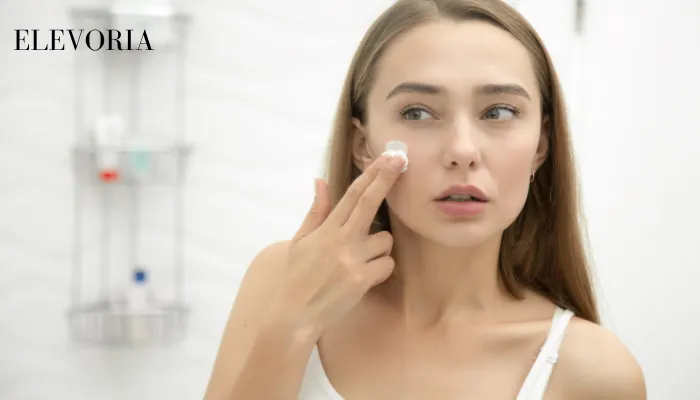
Moisturizers work by putting moisture into the skin, as well as preventing water from leaving the skin. They are the cornerstone of dry skin treatment. A well-chosen moisturizer restores the skin’s natural barrier, soothes irritation, and helps prevent further moisture loss.
There are subtle differences among moisturizer types, and choosing the right one depends on your skin type and the severity of your dryness.
Understanding Moisturizer Textures
According to the American Academy of Dermatology (AAD), moisturizers come in four main textures:
- Gel: Often water-based and tends to feel lighter on the skin than a lotion.
- Lotion: Thicker than a gel but still relatively lightweight.
- Cream: Thicker and has higher oil content than a lotion and gel, making it more hydrating.
- Ointment: The thickest of all, making it the most effective in remedying dry skin.
If your skin tends to be dry, dermatologists recommend skipping the lotion and going for something thicker and more effective. Creams are going to add more hydration than lotions.
How Moisturizers Work: The Three Key Ingredients
Effective moisturizers contain a combination of three types of ingredients, each playing a different role in hydrating and protecting your skin.
Humectants: Attract Water to the Skin
Humectants draw moisture from the air into the outer layer of your skin. They are especially effective when applied to damp skin. Common humectants include:
- Glycerin: A powerful humectant that draws moisture into the skin.
- Hyaluronic acid: A humectant that can hold many times its weight in water, providing deep hydration.
- Urea: Helps attract and retain water while softening rough texture.
- Lactic acid: Acts as a humectant while providing gentle exfoliation.
Emollients: Smooth and Soften
Emollients fill in the gaps between skin cells, making the skin feel smooth and soft. They also help repair the skin barrier. Common emollients include:
- Ceramides: Lipids that occur naturally in the skin and are essential for a healthy skin barrier. They help restore the skin’s natural moisture barrier.
- Shea butter: A rich emollient that soothes and softens dry skin.
- Fatty acids: Help repair and strengthen the skin barrier.
Occlusives: Seal Moisture In
Occlusives create a physical barrier on top of the skin that traps water and prevents evaporation. They are the most effective ingredients for very dry or cracked skin. Common occlusives include:
- Petrolatum (petroleum jelly): One of the most effective occlusives.
- Mineral oil: Helps seal in moisture.
- Dimethicone: A silicone-based occlusive that smooths the skin.
- Lanolin: A moisturizing ingredient that helps reduce dryness.
Key Moisturizer Ingredients to Look For
Dermatologists recommend looking for products that contain specific healing ingredients:
Ceramides
Ceramides are lipids that occur naturally in the skin and are essential for a healthy skin barrier. They help restore moisture and protect against irritation.
Hyaluronic Acid
A powerful humectant that attracts and retains moisture in the skin, providing deep hydration without adding oil.
Glycerin
A humectant that draws moisture into the skin. It is a common and effective ingredient in moisturizers for dry skin.
Shea Butter
A rich emollient that soothes and softens dry, irritated skin.
Urea
Helps attract and retain water while softening rough, scaly skin.
Petrolatum
One of the most effective occlusives for sealing in moisture and preventing water loss.
How to Choose a Moisturizer for Your Skin Type
Choosing the right moisturizer for you depends on your skin type and the severity of dryness you are experiencing.
For Normal Skin
If you are experiencing seasonal dryness in otherwise-normal skin, lotion is sufficient for most younger people. With age, however, the skin holds less moisture and needs more assistance. Perimenopausal people and everyone 50 and older should be using a cream-based moisturizer.
For Dry Skin
If your skin tends to be dry, dermatologists recommend skipping the lotion and going for something thicker and more effective. Creams are going to add more hydration than lotions. Look for products containing ceramides, hyaluronic acid, glycerin, shea butter, and petrolatum.
For Very Dry or Compromised Skin
For very dry or compromised skin, an occlusive such as petrolatum seals it all in. Thicker moisturizers work best, such as over-the-counter brands containing ceramides and hyaluronic acid. If your skin is extremely dry, you may want to apply an oil, such as baby oil, while your skin is still moist.
What to Avoid
Dermatologists recommend avoiding moisturizers that have strong perfumes, glitter, or abrasives in them. Try to use a hypoallergenic lotion. Some products may have ingredients that make dry skin worse. Look for products labeled hypoallergenic and fragrance-free.
Dermatologist-Approved Application Tips
Even the best moisturizer won’t work effectively if you apply it incorrectly. Follow these tips from board-certified dermatologists.
Apply to Damp Skin
Put moisturizer on your skin several times a day. Be sure to put more on whenever your skin feels dry. After hand-washing or bathing, put on moisturizer while your skin is still damp.
The AAD notes that putting a moisturizer on damp skin helps the product trap water in the skin and keep it from evaporating.
Use the Right Amount
Apply ointment or creams rather than a lotion within a few minutes after bathing or showering. Use a generous amount, especially on very dry areas.
Moisturize Frequently
These products only last for a few hours at maximum. You really need to hydrate and moisturize at minimum two to three times daily. Put moisturizer on your skin several times a day, especially on the hands.
Don’t Forget Sunscreen
Before going outdoors, use a moisturizer that contains sunblock or a broad-spectrum sunscreen with an SPF of at least 30, even on cloudy days.
Common Mistakes to Avoid
Using Lotion When You Need Cream
For dry skin, lotions may not provide enough hydration. Dermatologists recommend creams or ointments for more effective relief.
Skipping Moisturizer After Bathing
Apply moisturizer within a few minutes after bathing or showering to trap water in your skin.
Using Fragranced Products
Fragrances are common irritants that can make dry skin worse. Look for fragrance-free, hypoallergenic products.
Expecting Overnight Results
Moisturizers provide immediate relief but long-term improvement in skin barrier function takes consistent use over time.
Not Reapplying
Moisturizers only last for a few hours. Reapply throughout the day, especially after washing your hands.
Frequently Asked Questions
What causes dry skin?
Dry skin happens because of water loss from the outer layer of skin. Common causes include cold or dry weather, harsh soaps, too much bathing, and indoor heating.
What is the best moisturizer for dry skin?
The best moisturizer depends on your skin type. Dermatologists recommend creams or ointments rather than lotions for dry skin. Look for products containing ceramides, hyaluronic acid, glycerin, shea butter, or petrolatum.
How often should I apply moisturizer for dry skin?
Put moisturizer on your skin several times a day. Be sure to put more on whenever your skin feels dry. After hand-washing or bathing, put on moisturizer while your skin is still damp.
Should I use a cream or a lotion for dry skin?
Creams and ointments are more effective than lotions for dry skin. They have higher oil content and provide more hydration.
Why does my skin feel dry even after moisturizing?
You may be using the wrong type of moisturizer (lotion instead of cream), not applying it to damp skin, or not reapplying often enough. You may also need a more occlusive product like an ointment.
Can I use body moisturizer on my face?
It is not recommended. Body moisturizers can be too heavy and may clog facial pores. Use a product formulated for the face.
Is expensive moisturizer better for dry skin?
No. You do not have to buy expensive brands of lotions to get good results, just use them regularly.
How can I prevent dry skin?
Take short, warm showers, use gentle, fragrance-free products, apply moisturizer immediately after bathing, and use a humidifier in dry environments.
Can dry skin be a sign of a medical condition?
Yes. Dry skin can be a symptom of other skin conditions, such as atopic dermatitis (eczema) or psoriasis. If dry skin persists despite self-care, see a healthcare professional.
When should I see a doctor about dry skin?
Make an appointment to see a healthcare professional if dry skin lasts despite self-care steps, skin becomes inflamed or painful, open sores or infections develop, or large areas of scaly or peeling skin form.
Conclusion
Dry skin is a common condition that can be effectively managed with the right moisturizer and consistent skincare habits. The key is to understand your skin type, choose a moisturizer with the right ingredients (humectants, emollients, and occlusives), and apply it correctly to damp skin.
Remember these key principles:
- Dry skin happens because of water loss from the outer layer of skin
- Choose creams or ointments over lotions for dry skin
- Look for ceramides, hyaluronic acid, glycerin, and petrolatum
- Apply moisturizer to damp skin within minutes of bathing
- Moisturize at least two to three times daily
- Use fragrance-free, hypoallergenic products
- Protect your skin with SPF 30+ sunscreen daily
Patch Test Note: Before using any new moisturizer, perform a patch test on a small area of skin to check for adverse reactions. Skin reactions and results vary significantly by individual and skin type. If you experience persistent irritation, redness, or other concerning symptoms, discontinue use and consult a dermatologist or licensed healthcare provider.
Important: This article is for educational purposes and does not constitute medical advice. The information provided is general in nature and not a substitute for professional medical evaluation. If you have persistent, severe, or worsening skin concerns, see a licensed healthcare provider rather than relying on this information.
Read More: Facial Cleanser: How to Choose and Use the Right One


[…] Read More: Dry Skin and Moisturizers: A Complete Dermatologist Guide […]